
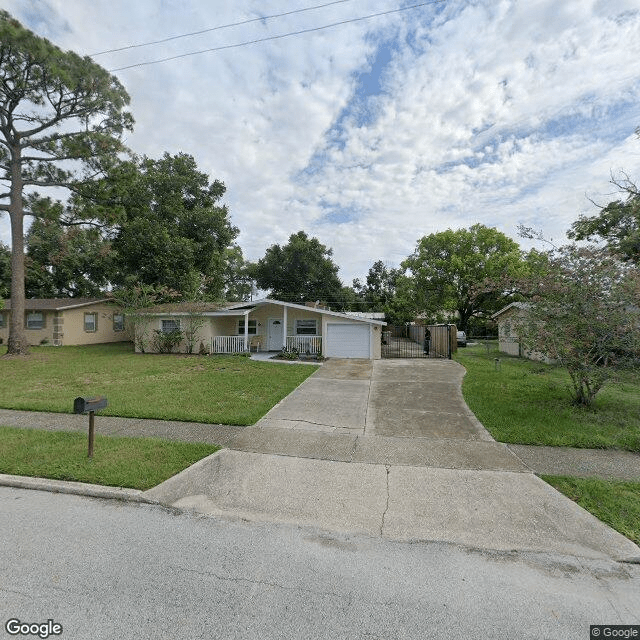
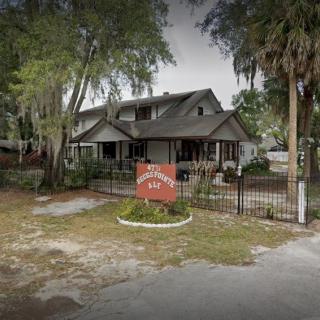
3 East Nightingale Street, Apopka, FL 32712
For more information about senior living options: (866) 208-4318
Oasis National Assisted Living Facility Costs & Pricing
Oasis National Assisted Living Facility offers competitive pricing compared to average costs in both Orange County and the broader state of Florida. For a semi-private room, residents can expect to pay $2,200 per month, which is significantly lower than the county's average of $3,041 and the state's typical cost of $3,009. Similarly, for a private room, the monthly fee at Oasis is $2,600, again presenting a compelling value compared to the county average of $3,441 and the state's higher rate of $3,699. These favorable rates make Oasis National an attractive option for those seeking quality assisted living without the steep financial burden commonly associated with such facilities.
| Floor plans | Oasis National Assisted Living Facility | Orange County | Florida |
|---|---|---|---|
| Semi-Private | $2,200 | $3,041 | $3,009 |
| Private | $2,600 | $3,441 | $3,699 |
Assisted Living communities with a similar price nearby
-
About the same
Sweet Home At Last
$2,200 to $2,500 / month20.9 miles away -
from +$400 / mo
Faith House Of Winter Park
$2,600 to $3,100 / month15.1 miles away -
from -$300 / mo
Ionie's Assisted Living II
$1,900 to $2,400 / month7.7 miles away -
from -$200 / mo
Swan at Lake Conway Assisted Living Facility
$2,000 to $2,500 / month18.2 miles away -
from +$195 / mo
Grand Villa of Altamonte Springs
$2,395 to $3,895 / month8.5 miles away
Overall Review of Oasis National Assisted Living Facility
Pros
 Oasis Church is a blessed church.
- Oasis Church is a haven of peace, love, and harmony.
- The church is uplifting, refreshing, and restorative to health and life.
- Visitors leave different after visiting the church.
- The people at Oasis Church are great and extremely nice.
- It is an awesome place with great people and brothers.
- The church is blessed.
- It is an amazing church.
- The service is great and the message is very positive; attendees are friendly.
- The Oasis is the greatest family in Christ, a shelter in every storm.
- The Apopka Assisted Living Facility is clean and well managed.
- The staff is caring and patient, and always available.
Cons
 This church lacks sensitivity for others; many are called, few are chosen.
Review
This community is best suited for seniors who want a faith-forward, family-like living environment where worship, fellowship, and spiritual support are woven into daily life. It appeals to residents who value a warm, interpersonal atmosphere, ready access to a church community, and staff who demonstrate steady compassion and flexibility. Families seeking a place with a strong sense of belonging, clear communication from leadership, and meals that feel like home will find Oasis National Assisted Living Facility particularly compelling. Those who prefer a secular or highly structured clinical setting, or who need specialized memory-care programs, should consider alternatives.
Pros run deep here. The facility benefits from a built-in sense of community through Oasis Church, described as integral to daily life and a source of peace, harmony, and uplift. Reviews repeatedly praise staff as caring, patient, and attentive, with administrators who are communicative and accessible. Cleanliness and solid management surface as consistent strengths, reinforcing trust during transitions. The team also adds a personal touch to meals, incorporating family recipes and home-style flavor, which helps residents feel seen and valued. In short, the environment is intimate, relational, and steady, with care that centers on connection.
Yet there are caveats worth weighing. The strongest caveat is the religious emphasis itself; for some prospects, the prominent church activity may feel exclusive or not aligned with personal beliefs and preferences. A lone review notes sensitivity gaps for those outside the faith, suggesting that the spiritual culture might not fit every resident. Prospective families should assess whether worship and faith-based programming will be a meaningful benefit or a potential mismatch. Another potential limitation is the scarcity of explicit information about clinical capabilities beyond assisted living, and no clear indication of a dedicated memory-care option. Price transparency is also not provided in the available reviews, requiring direct confirmation during tours.
Despite these caveats, the positives offset many concerns when the resident highly values belonging and routine within a faith-driven setting. The strong church-based community can dramatically reduce isolation, create predictable daily rhythms, and foster meaningful social ties that support mental well-being. Cleanliness and visible management reduce stress for families and residents alike, while the personalized approach to meals reinforces a home-like atmosphere and a sense of ongoing care. Administrator accessibility helps families feel heard, and staff flexibility is a practical asset for addressing varied needs as they arise. For many, these elements translate into a smoother transition and steadier day-to-day life.
For families evaluating Oasis National Assisted Living Facility, practical steps should guide the decision. Schedule a comprehensive tour with specific questions about medical oversight, staffing ratios, and what happens if a resident’s needs evolve beyond assisted living. Observe interactions between staff and residents, and assess whether the church activities and faith-based programming align with the loved one’s preferences. Probe the dining experience, language of care, and opportunities for independent activities outside worship, ensuring a balanced calendar. Bring up dietary restrictions, mobility support, and transportation needs to confirm that the community can sustain a comfortable, autonomous routine.
In the end, Oasis National Assisted Living Facility stands out for seniors who prize a warm, faith-nurturing atmosphere accompanied by compassionate, responsive care and a home-like environment. The combination of church-based community, attentive staff, and clean, well-managed operations creates substantial reassurance for families seeking stability and camaraderie. Those who require a secular setting, extensive clinical specialization, or memory-care-focused resources should consider alternatives with clearer offerings in those areas. With careful due diligence, Oasis can be the right fit for a resident who places spiritual community and personal warmth at the center of daily life.
 6 resident community capacity
 Assisted Living
 Board and Care Home
 Activities off-site
 Bath tubs
 Beautician on-site
 Cable or satellite TV
 Dining room
 Fully furnished
 Garden
 Housekeeping services
 Indoor common areas
 Move-in coordination
 Outdoor common areas
 Private
 Private bathrooms
 Respite or short term stays offered
 Telephone
 Wheelchair accessible showers
 Wi-Fi/high-speed internet available
 Orlando International (22 miles away)
 24-hour supervision
 Ambulatory care
 Assistance with bathing
 Assistance with dressing
 Assistance with transfers
 Diabetes diet
 Diabetic care
 Incontinence care
 Meal preparation and service
 Medication management
 Special dietary restrictions
 Transportation arrangement (medical)
 Transportation to doctors appointments


 Vibrant Senior Living: A Comprehensive Guide for Active Older Adults
 When to Transition from Assisted Living to Memory Care: Key Indicators, Steps, and Finding the Right Community
 Assisted Living and Memory Care: Understanding Their Core Differences