
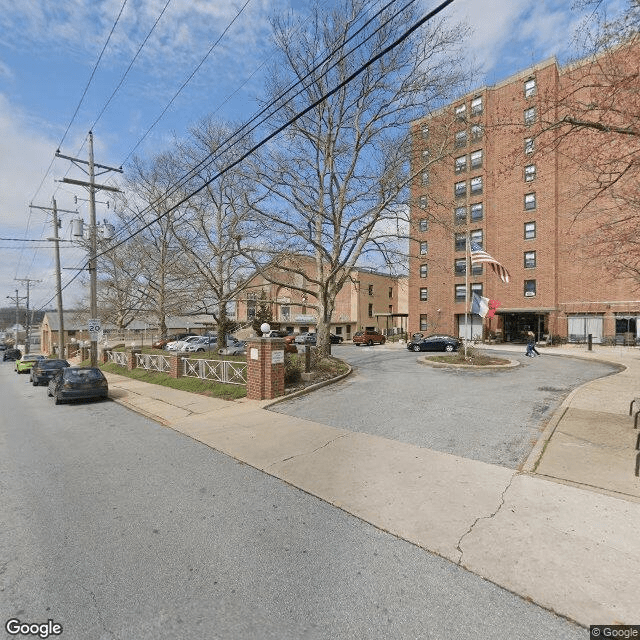
1701 W 10th St, Wilmington, DE 19805
To contact a resident: (302) 421-3757
For more information about senior living options: (866) 208-4318
Overall Review of Antonian
Pros
 It is a great place to live for seniors.
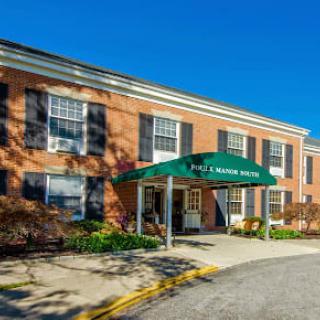
- It is a great location for seniors to live, with a handicap ramp for easy access.
- The senior center adjacent to the building offers hot lunch daily and dinner several days a week.
- The management staff there have a genuine concern for the tenants.
- The food is great, affordable, and always hot.
- The reviewer lives there and plans not to move, finding the apartments livable.
Cons
 The staff is rude.
- Tenants are loud and disrespectful to one another.
- Personal information is discussed by office staff among residents.
- The place is terrible.
- One elevator is always broken, trapping elderly residents inside.
- Maintenance is unreliable and staff frequently leave work for unknown reasons.
- A resident's severely handicapped mother had to climb three flights of stairs to reach a doctor's appointment.
Review
Antonian in Wilmington, Delaware is best suited for independent seniors who want a practical, community-forward living situation where social opportunities and accessible services are central. The building excels for residents who value a circle drop-off with a handicap ramp, easy access for walkers and wheelchairs, and an adjacent senior center that offers hot lunches daily and dinners several evenings a week. The location also supports easy family visits with ample on-street parking, while management is perceived as having a genuine concern for tenants. In short, this is a pragmatic choice for those who prioritize a robust social framework and affordable living over pristine quiet or flawless building systems.
Those who may want to consider alternatives are residents whose daily routine hinges on absolute reliability of core infrastructure, or who require a private, quiet environment with minimal administrative friction. Elevators and maintenance emerge as deal-breakers for mobility-dependent residents, as one chronic issue in reviews is an ailing elevator that can trap residents and force them to navigate stairs. Privacy-minded families should note reports of staff discussing personal information among residents. For some, the combination of small apartments and occasional loudness could undermine comfort in a setting that already tests patience with service gaps.
On the upside, the most tangible positives are clear and substantial. The building’s location and layout deliver practical access: a dedicated drop-off zone and handicap ramp facilitate daily errands and medical visits without unnecessary strain. The adjacent senior center is not a cosmetic feature; it serves hot lunches, and dinners several days weekly, expanding dining options beyond the apartment kitchen. Visitors benefit from easy street parking, which reduces the stress of frequent family drop-ins. Management’s perceived sincere concern for tenants adds a layer of reassurance that, despite missteps, attentive oversight remains a priority.
Yet the main drawbacks are not trivial. The reliance on two elevators, with one frequently out of service, creates both safety concerns and real inconveniences for residents, especially those with mobility limitations. Maintenance appears inconsistent, with reported downtime and occasional personnel lapses that leave work unfinished or delayed. Privacy issues, if accurate, threaten the trust families place in staff to safeguard personal information. In addition, some reviews describe a noisier living environment and smaller apartment layouts, which can magnify everyday discomfort for certain households.
The key question for families is whether the strong social and logistical benefits can compensate for the operational fragility. For seniors who relish an active, engaged community, the combination of a nearby senior center, hot meals, affordable utilities, and a responsive-feeling management team can indeed offset some service gaps. The reality is that these positives do not fully negate the risk of elevator failures, maintenance unreliability, and privacy concerns. Prospective residents should weigh the value of social programming and cost containment against the potential for access interruptions and administrative friction, and plan contingencies accordingly.
In the final assessment, Antonian remains a solid, if imperfect, option for a particular profile: seniors who want an affordable, socially rich environment with convenient services and who can tolerate occasional system inefficiencies. It is not the best fit for those whose mobility hinges on uninterrupted elevator access, whose privacy expectations are nonnegotiable, or who require a quieter, more insulated living atmosphere. Tours should probe elevator reliability across different times of day, discuss privacy safeguards with management, and talk candidly with current residents about noise and daily routines. For the right family, the upside of community, meals, and proximity to support can clearly outweigh the drawbacks.
 Assisted Living
 Activities on-site
 Devotional services off-site
 Indoor common areas
 New Castle County (6 miles away)
 Ambulatory care
 Diabetic care
 Meals provided



 Vibrant Senior Living: A Comprehensive Guide for Active Older Adults
 When to Transition from Assisted Living to Memory Care: Key Indicators, Steps, and Finding the Right Community
 Assisted Living and Memory Care: Understanding Their Core Differences