

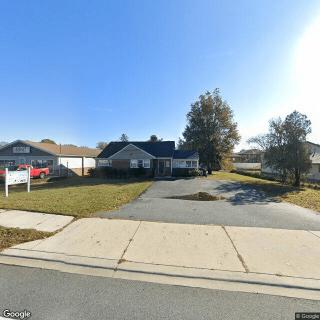
9 East Loockerman Street Suite 3B, Dover, DE 19901
To contact a resident: (302) 674-2234
For more information about senior living options: (866) 208-4318
Overall Review of Senior Helpers - Dover, DE
Pros
 Caregivers enjoy working for Senior Helpers.
- The management is understanding.
- They will help when needed.
- They meet their clients' daily living needs.
- Working for the clients provides hands-on training.
- Their clients' needs are met consistently.
- All the caregivers are very caring and attentive.
- They help with running errands.
- Senior Helpers enables loved ones to live safely at home longer than expected.
Cons
 The reviewer notes poor management.
- The reviewer calls the experience the worst ever and says they are not even deserving of one star.
- They claim the pool of caretakers is absolutely horrendous, describing them as incompetent and unethical with no standards.
- They allege the company hires anyone as long as they are breathing, with no standards.
- They report inconsistency in staffing, including a caregiver who stopped showing up and left their loved one upset.
- They had to bring in a second service for night and weekend shifts due to staffing challenges.
Review
Senior Helpers Dover is best suited for families that want in-home, one-on-one senior care with flexible, task-focused support. This community excels when a loved one can benefit from consistent daily living assistance, errands, meal planning, grocery trips, appointment accompaniment, and values a caregiver rotation that feels like part of the family. It is well-matched for families seeking respite, practical hands-on help, and the reassurance that a trained, compassionate professional will work with the client’s routine to maintain independence at home. The strongest case is made for those who want tailored care that adapts to shifting needs, all while keeping the senior in a familiar environment. In short, this Dover operation is a solid fit for households pursuing focused, at-home care with a strong emphasis on personal connection and daily consistency.
Those weighing alternatives should consider its occasional weaknesses in staffing and management. Families that demand absolute, day-to-day reliability from every caregiver, or who require 24/7 live-in coverage, may want to explore other agencies with deeper bench strength and clearer backup plans. Some reviews flag uneven management and inconsistent staffing as a significant risk, which can translate to last‑minute changes or gaps in coverage. For seniors who would be better served by a more structured, facility-based setting where staffing is guaranteed around the clock, assisted living or other in-facility options may be a better fit. Price sensitivity also matters; clients pay an hourly fee plus mileage, and those who want a highly predictable, budgetable model may want to compare the total cost against other providers.
The core advantages, compassionate, attentive caregivers, practical help with daily tasks, and a strong intake process, often offset the negatives when a good fit is achieved. Caregivers are described as caring and dependable, with many notes about meaningful assistance with errands, appointment support, and meal preparation. The agency emphasizes matching caregivers to clients and tailoring services to family needs, a factor that dramatically lowers family stress when a steady caregiver relationship is established. The owner’s intake meeting is highlighted as a productive step for outlining fees, scope, and expectations, and the firm’s licensing and bonding provide a layer of accountability that families value. When a suitable caregiver remains in place, the day-to-day reality can feel like a natural extension of the family’s caregiving team, enabling safer, longer home living and fewer emergencies.
However, the cons deserve candid attention, because they can disrupt otherwise solid outcomes. The most persistent complaint is staffing inconsistency, caregivers who show up irregularly or suddenly disappear, leaving families scrambling for replacements and sometimes engaging secondary services for nights and weekends. Management has also drawn criticism in some reviews, with statements that suggest adjustments in oversight or staffing strategy could improve reliability. These gaps do not negate the benefits of dedicated daytime support, but they do tilt the risk-reward balance toward more proactive planning: insist on a primary caregiver, request clear back-up coverage, and confirm written expectations about scheduling, vacations, and contingencies. The more demanding the care needs, the more critical it becomes to secure a dependable coverage plan and a responsive point person.
For families considering this option, a practical playbook makes the most of the positives while mitigating the negatives. Begin with a detailed intake that spells out care tasks, frequency, and the desired caregiver profile. Seek a dedicated caregiver whenever possible and demand explicit backup arrangements for nights, weekends, and illness or vacations. Ask for a care coordinator or manager who will oversee scheduling and handle changes promptly, and insist on a written service agreement that clarifies fees, coverage, and accountability. Reference checks and a trial period are prudent steps to verify that the chosen caregiver truly fits the senior’s temperament and routines. When these elements are in place, Senior Helpers Dover can deliver meaningful gains in safety, independence, and peace of mind.
In the end, Senior Helpers Dover represents a thoughtful, capable choice for families prioritizing in-home support and personal connection. It delivers strong value for those who can work within the bounds of occasional staffing variability, benefiting from compassionate care, practical daily assistance, and a responsive intake process. The verdict is clear: this option is worth pursuing for seniors who want to stay at home with steady, well-matched help and are prepared to set up robust backup plans. For households needing unwavering consistency and guaranteed 24/7 coverage, however, broader staffing guarantees or a facility-based path may be the wiser alternative. The decision rests on tolerance for scheduling variability versus the undeniable payoff of allowing a loved one to remain comfortably at home with trusted hands nearby.







 Navigating the Tax Landscape of Caregiving: Credits, Deductions, and Beyond
 Highly Beneficial Low-Impact Exercises for Senior Living Residents
 Is In-Home Healthcare Tax Deductible? Your Comprehensive Guide