
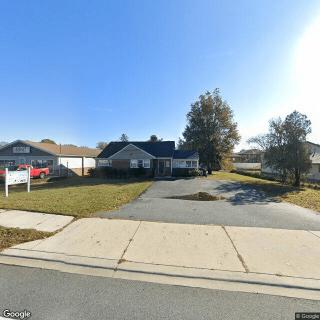
755 A Walker Rd, Wyoming, DE 19904
To contact a resident: (302) 697-6435
For more information about senior living options: (866) 208-4318
Overall Review of Home Instead - Wyoming, DE
Pros
 They are matched with caregivers who are personable, professional, observant, and accepting.
- The office and administrative staff are approachable.
- Care is provided in the home for non-medical services, with Care Pros assisting with activities of daily living and providing companionship.
- Every caregiver who enters the home is kind, compassionate, and helpful, making difficult times easier.
- The company has taken care of loved ones with extraordinary care.
- They enable seniors to stay in their own homes, keeping them comfortable and familiar.
Cons
 Most caregivers with this company are not certified to care for loved ones and are hired after passing a background check.
- The company charges a training fee for employees and does not require training, leading to underqualified staff.
- They charge clients $30 an hour or more while paying employees only about $13 per hour.
- There is a lack of communication and a failure to provide reliable help, leaving families without care when caregivers call out.
- Caregivers frequently call out or have inconsistent schedules, causing gaps in care.
- Qualified caretakers are few and far between, suggesting overall poor staffing quality.
- The company is described as not caring about clients or their loved ones (explicitly stated as “do not care”).
Review
This Wyoming, DE Home Instead is best suited for families who want non-medical, in-home support that keeps a loved one in a familiar environment while providing practical daily help and meaningful companionship. It works well for seniors who can manage with assistance with activities of daily living, transportation, and social interaction, but who do not require ongoing skilled nursing or intensive medical oversight. The model is especially fitting for spouses and adult children who need respite, a trusted caregiver presence, and the ability to reclaim some personal time. When the priority is maintaining independence at home and delaying or avoiding a move to a facility, this agency often delivers substantial value.
Those who should consider alternatives include families facing escalating medical needs that demand wound care, complex medication management, or round-the-clock nursing supervision. If guaranteed, consistent scheduling with minimal gaps is non-negotiable, this model may test that tolerance, given reports of caregiver call-outs and shifting hours. Training and certification clarity also matters; for households placing a premium on highly trained, consistently certified staff, or on transparent, standardized compensation and staffing practices, other providers may be a safer fit. The most candid caveat is that not every caregiver arrives with the same level of formal certification or stability, which can complicate planning for fragile or highly dependent loved ones.
The strongest advantages, compassion, attentiveness, and reliable companionship, often offset the downsides. Caregivers are repeatedly described as personable, professional, and observant, with a genuine respect for the people they assist. For families, the right caregiver can transform stressful days into manageable routines, enabling spouses and children to step away and recharge. Administrative staff, when accessible, can smooth the process and set expectations, and the initial meet-and-greet tends to establish a solid foundation for trust. The ability to handle errands, driving, and light housework expands independence and reduces family burnout, allowing the homebound senior to stay at home with a sense of continuity.
Additional positives center on staying in one’s own space and preserving daily rhythms. Several accounts highlight how a well-matched caregiver enables mom or dad to maintain familiar routines, celebrate small victories, and enjoy visits with minimal disruption. The practical benefits, three times weekly visits, driving to appointments, packing assistance, or simply a compassionate presence, translate into measurable relief for overwhelmed families. When care is steady, many families report a stable quality of life for the senior and a demonstrable reduction in caregiver fatigue for the household. That mix of emotional reassurance and practical support is the core reason families stay with the program despite the occasional hiccup.
Yet the record includes concrete red flags that deserve deliberate planning. Scheduling gaps and caregivers calling out can leave families, especially those balancing work and caregiving, in a difficult bind. Communication gaps, such as notices arriving by email rather than direct calls, can delay critical adjustments and create anxiety about who will be in the home next. A subset of reviewers questions whether a robust, consistently trained workforce is guaranteed, noting that some staff lack formal certification and that training is not universally required. These factors underscore the necessity of proactive contract terms, clear back-up coverage, and frank discussions about staffing reliability before committing long term.
In the end, decisions about this Home Instead franchise hinge on matching expectations to reality. For families prioritizing at-home comfort, companionship, and practical ADL support with flexible scheduling, this option is credible and often effective, provided there is explicit attention to care coordination, back-up coverage, and communication protocols. If 24/7 medical oversight, unwavering reliability, or uniformly certified staffing are essential, it is prudent to compare alternatives with stronger guarantees in those areas. With clear boundaries, vigilant oversight, and a plan for back-ups, this agency can deliver meaningful relief and preserve the senior’s preferred living arrangement.







 Comprehensive Insights and Practical Strategies to Help Older Adults Avoid Falls
 6 Crucial Ways an Elder Law Attorney Assists Families
 Navigating the Tax Landscape of Caregiving: Credits, Deductions, and Beyond