




2601 18th Street NE, Washington, DC 20018
For more information about senior living options: (866) 208-4318
Overall Review of Stoddard Baptist Global Care
Pros
 The facility is well run, especially for a large establishment.
- The staff is professional across the building.
- Residents seen during visits appear to be well cared for.
- The interior is kept very clean and odor-free despite the size of the facility.
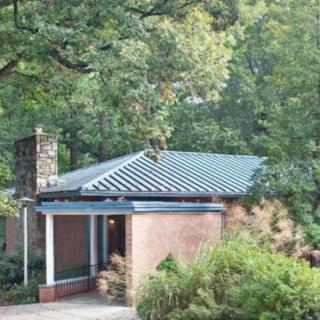
- There is a beautiful chapel onsite with programs.
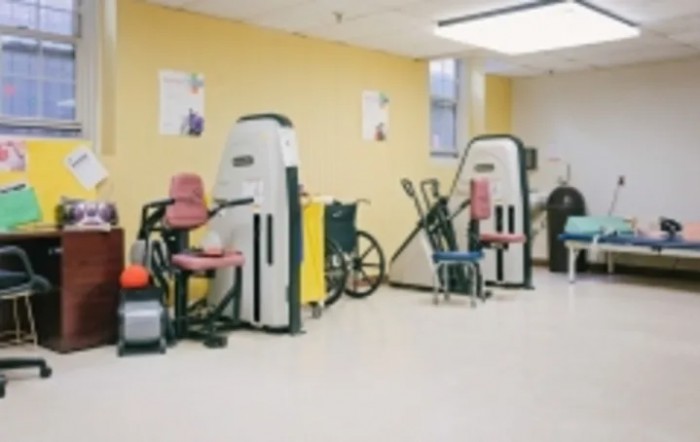
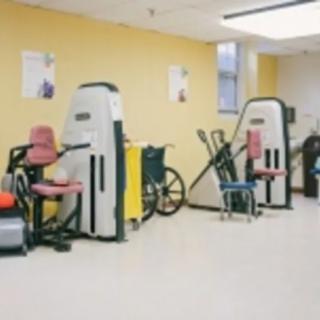
- The rehab unit on the premises is well staffed and coordinates all required care.
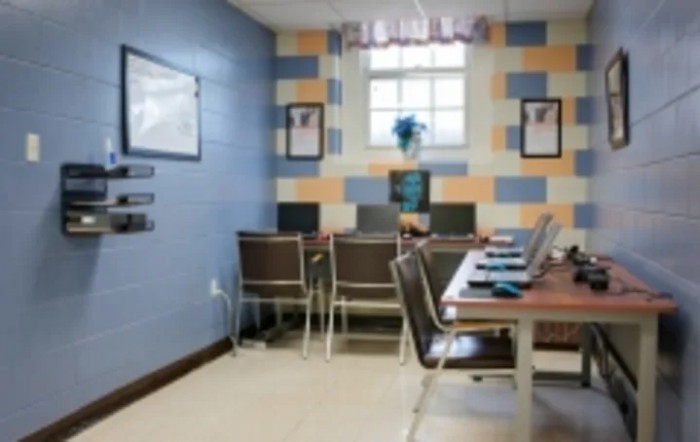
- There are day rooms on each floor with activities.
Cons
 Care quality was described as mixed, with one family ready to pull their spouse from the facility.
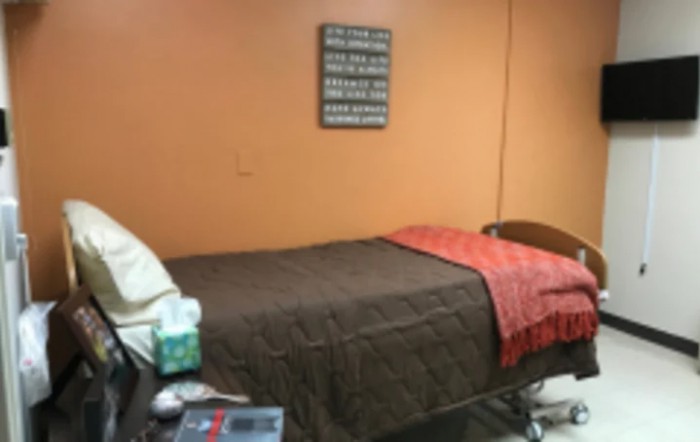
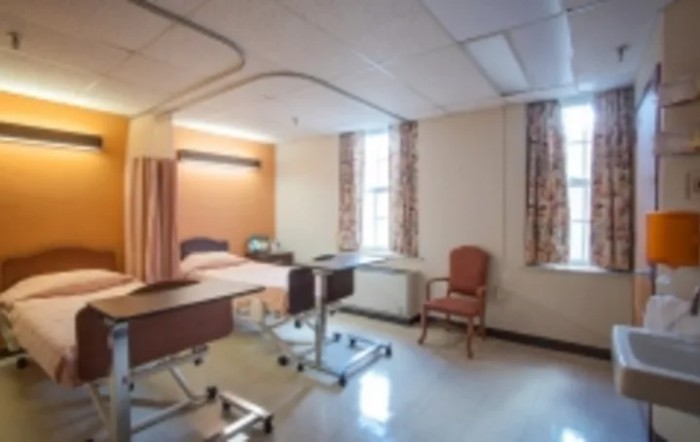
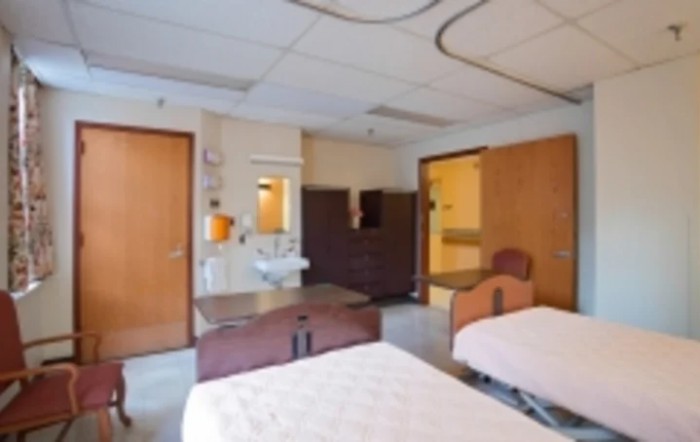
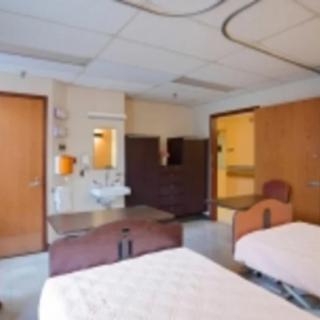
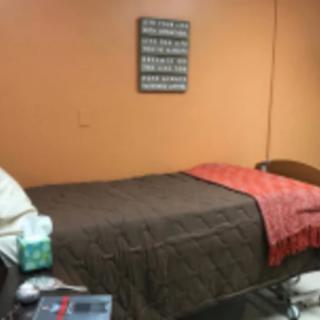
- The décor makes the facility look and feel very much like a nursing home.
- There is not much of a social feeling, as most residents stay in their rooms despite encouragement to go out.
- The food is cafeteria-style and residents eat in their rooms or day rooms with very basic tables and chairs.
- The staff do their jobs but do not come across as particularly personable or caring toward residents or their families.
Review
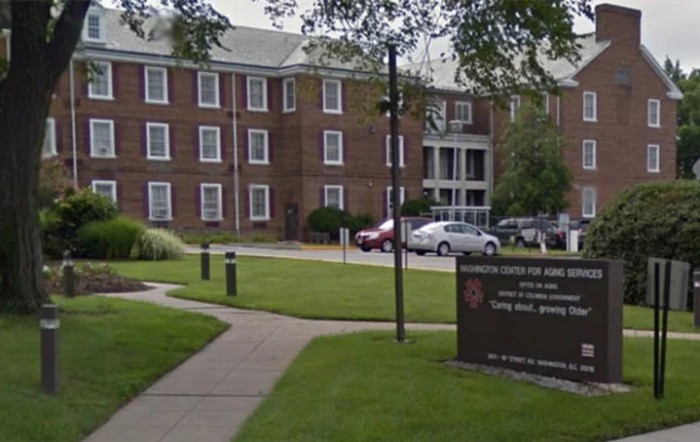
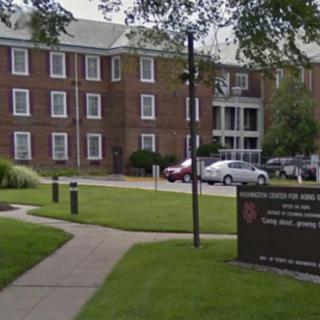
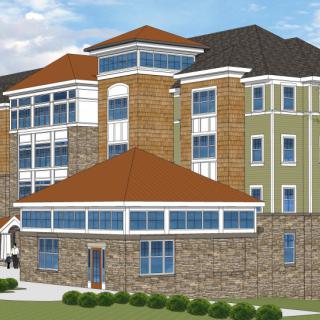
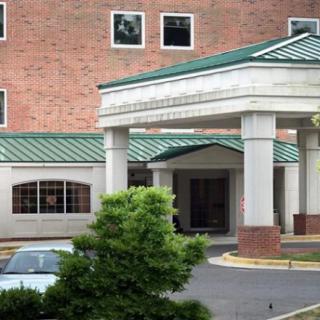
This community is best suited for seniors who require skilled nursing or memory care within a large, well-coordinated campus that can manage complex medical needs and rehab in-house. It functions as a full-service environment, with a three-level building on a hill, kept clean and orderly, and a rehab unit that coordinates labs, therapy, and nursing care in one integrated flow. The presence of a dedicated memory care unit and an onsite chapel signals a capacity to support both clinical stability and spiritual needs, making it a practical choice for families prioritizing medical oversight and structured programming over intimate, home-like ambiance.
Those who prioritize social interaction, warmth from staff, and a more intimate dining experience should consider alternatives. The dining model is cafeteria-style, with residents eating in rooms or in simple day rooms rather than in a bustling dining area. Although activity spaces exist on each floor, the overall social energy appears modest, and residents tend to stay in rooms more than participating in organized routines. Staff are described as professional and capable, but not especially personable or inclined to go beyond the basics to foster deeper connections with residents or families. For families seeking a lively, highly engaged, “home-like” atmosphere, this setting may feel distant.
The strongest positives center on clinical strength and logistical cohesion. The facility’s large scale entails comprehensive services: skilled nursing, memory care, and a rehab unit that coordinates a full spectrum of care from labs to physical therapy. Cleanliness is consistently noted, with no odors and careful maintenance across three levels. Nurses’ presence on each floor and a well-staffed rehab team reduce the fragmentation often seen when care is scattered between multiple providers. The onsite chapel and routine day-room programming offer predictable routines and spiritual support, which can provide a quiet sense of stability for residents who thrive on structure.
Yet the main drawbacks are meaningful and real. The social fabric of the community appears thin relative to what families expect in a senior setting: residents stay largely within their rooms, with limited, sustained opportunities to engage beyond basic activities. Decor and atmosphere lean toward a clinical nursing-home feel rather than a warm, homelike environment. The most pointed concern is the perceived lack of personalized care, staff who do their jobs competently but do not routinely demonstrate extra warmth or a proactive interest in each resident’s preferences and daily meaningful moments. Mixed family feedback underscores that experiences can swing from “really good care” to a sense that more attentive, individualized care is needed.
In weighing pros and cons, the clinical strengths and organizational reliability can offset many concerns for residents with substantial medical needs or those requiring consistent rehab and memory-care oversight. The facility’s scale enables reliable access to therapists, nurses, and specialists without chasing referrals, and the integrated care model minimizes chaotic handoffs. The clean environment, on-site chapel, and structured routines can deliver a predictable, safe framework that matters when medical needs dominate the picture. However, for families whose top priority is a warm, engaging daily experience with vibrant social life and highly personalized staff interactions, this option will likely feel short of expectations.
In the end, this community serves a clear niche: a large, clinically solid campus that can deliver coordinated nursing, memory care, and rehab within a single setting. It is a pragmatic choice for those who value medical stewardship and reliability over intimate social immersion or highly personalized daily attention. Families considering this option should plan to probe care planning in depth, observe interactions during meals and activities, and ask pointed questions about staff engagement and resident empowerment. If warmth, social vitality, and a more homelike dining experience are non-negotiables, alternatives, especially smaller or more activity-forward communities, should be explored. A careful visit at different times, with conversations directed at the rehab team and memory-care specialists, will reveal whether the fit aligns with the resident’s needs and the family’s expectations.
 5 resident community capacity
 Assisted Living
 Skilled Nursing Facility
 Cable or satellite TV
 Dining room
 Fully furnished
 Garden
 Housekeeping services
 Move-in coordination
 Outdoor space
 Telephone
 Wi-Fi/high-speed internet available
 Ronald Reagan Washington National (6 miles away)
 24-hour supervision
 Activities of daily living assistance
 Assistance with bathing
 Assistance with dressing
 Assistance with transfers
 Diabetes diet
 Meal preparation and service
 Medication management
 Special dietary restrictions
 Transportation arrangement (medical)
 Transportation to doctors appointments
 Exploring the Path to Senior Living: A Comprehensive Look at Independent Living and Assisted Living
 Is Assisted Living Deductible on Your Taxes? Understanding the Complexities of Assisted Living Expenses and Deductions
 Assisted Living Support for Veterans: A Complete and Detailed Overview