
1835 Evarts St NE, Washington, DC 20018
To contact a resident: (202) 635-9384
For more information about senior living options: (866) 208-4318
Overall Review of Christian Community Group Home
Pros
 The staff has long tenure, with many team members remaining with the group for years.
- The facility offers independent and assisted living, is easy to access, well maintained, and has staff on duty around the clock.
- It serves residents with limited resources who want an alternative to traditional nursing facilities.
- Residents can come and go easily, with nearby public transportation facilitating their mobility.
- The administrator is very involved with residents and genuinely concerned about their well-being.
- The facility is a small group home with private rooms and a staff structure that includes a case manager and supervisor, with caregivers available as needed.
- Meals are shared in a common dining room, and the small size fosters companionship.
Cons
 There are no real organized activities for the residents.
- Residents who need more care than is available must transition to another place.
- City-provided in-home care assistance is rare.
- The facility serves residents with few resources who can’t pay out of pocket for long-term care.
Review
This community is best suited for low-income seniors who want a small, home-like setting with private rooms, light assistance, and enough companionship to stay connected without the bustle of a larger campus. In Washington, DC, Christian Community Group Home sits near public transit and is easy to reach, with a well-maintained facility and staff on duty around the clock to clean and monitor the environment. It offers both independent and assisted living in a compact, resident-focused setting where meals are shared in a common dining room and residents have room to move about with a degree of autonomy. The arrangement is clearly designed for someone who values safety, straightforward care, and a sense of being cared for without losing the feel of a private residence.
Those considering alternatives should note several guardrails. Individuals who require intensive daily medical supervision, robust structured activities, or memory-care programming will likely find this setting too limited. Families seeking a large community with extensive social calendars, resort-style amenities, or on-site clinical services may be better served elsewhere. Prospects with higher income who expect boutique amenities or a facility with a wide array of specialized services will also want to compare options. The strength of this home lies in its intimate, affordable format; the caveat is that it does not replicate the depth of services found in larger, traditional assisted-living campuses.
The strongest pros center on the intimate scale and the human touch. A small group environment creates genuine connection among residents and staff, with private rooms that preserve privacy while maintaining a home-like vibe. The leadership’s hands-on involvement, a dedicated case manager, and a supervising caregiver structure help coordinate basic supports and monitor well-being. Because residents are free to come and go, and public transportation is nearby, independence is preserved for those who can manage with light assistance. Meals in a communal dining setting reinforce social interaction, reducing isolation compared with solitary living in a private apartment.
Yet the main cons are real and meaningful in decision-making. The facility’s size limits the breadth of organized activities and formal programming, which can leave more social calendars thin for residents who crave daily engagement. While subsidized in-home care through city programs is a notable advantage, the level of care remains aligned with the group-home model, adequate for independent or light-assisted living, but not a substitute for ongoing, higher-need support. For anyone who declines quickly without a care plan or who needs continuous hands-on medical attention, relocation to a more capable setting will be necessary.
Logistically, the model favors those who want a transition path rather than a campus that feels clinical. With private rooms, meals provided, and 24/7 staff presence, safety and daily rhythm are accessible without sacrificing dignity. The proximity to a nursing facility that is not affiliated can be a practical consideration for families who anticipate future care needs and want a smooth escalation path if more supervision becomes essential. The arrangement also appeals to residents who value a smaller, quieter environment over a bustling senior-living scene.
In final judgment, this community serves a pragmatic niche: it delivers affordable, home-like independence with enough support to prevent isolation, plus the practical option of city-subsidized in-home care. It is an excellent match for seniors who want privacy, routine, and companionship in a modest setting and who can function with light assistance and periodic transitions as needs evolve. Families should verify subsidy specifics, the exact care plan options, and the metrics for moving to higher levels of care before committing. For those whose priorities include a robust activities calendar, extensive on-site services, or intensive medical oversight, exploring larger or more medically oriented communities is strongly advised.
 Assisted Living
 Activities on-site
 Devotional services off-site
 Indoor common areas
 Ronald Reagan Washington National (6 miles away)
 Ambulatory care
 Diabetic care
 Meals provided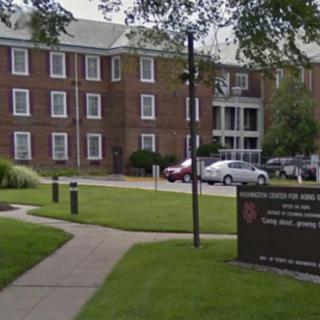






 Comprehensive Insights into Activities of Daily Living (ADLs) and Their Assessment
 Medicare Coverage for Assisted Living: An In-Depth Exploration
 Your Comprehensive Guide to Luxury Assisted Living: Elevated Facilities, Amenities, and Costs