


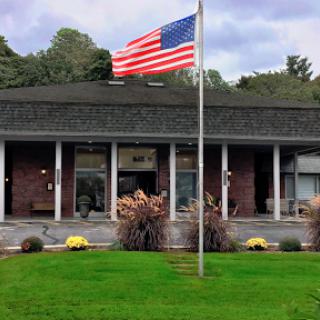
88 Ridgewood Ave, Waterford, CT 06385
To contact a resident: (860) 447-1316
For more information about senior living options: (866) 208-4318
Overall Review of Seniors Helping Seniors
Pros
 The staff are friendly and well-trained, and scheduling and canceling help is easy with notice.
- The agency is a wonderful place to work with wonderful clients, creating a second-family atmosphere, and its staff are amazing.
- The agency has terrific caregivers—the best in the world.
- Maria Cerino’s SHS Agency is highly recommended.
- The agency gives clients full attention to safety, helping prevent falls by staying close to them while walking.
- The caregivers accompany clients closely and are prepared to respond in case of a stumble.
- Their motto is "safety first" for clients.
- They emphasize thinking ahead and planning transportation to appointments or outings.
- SHS values clients' enjoyment of life along with safety planning.
- The companion helpers help clients stay in their own homes by handling chores, errands, and transportation; the service is highly recommended.
Review
Seniors Helping Seniors in Waterford is best suited for families who want to keep a loved one living at home while receiving practical, person-to-person support. This is not a campus or a large senior community; it is a home-care fit with a strong emphasis on safety, companionship, and light to moderate daily assistance. The service area in southeast Connecticut makes it a practical option for those who want convenience, continuity, and a personal touch without moving. Those who prioritize personal autonomy and familiar surroundings will find value in the dedicated caregivers who come to the home and work within the client’s routine. For seniors who need around-the-clock medical supervision or a facility-based environment, exploring assisted living or skilled nursing options will usually be more appropriate.
Pros are clear in the testimonials: staff are friendly, well-trained, and easy to schedule with, and the agency operates with a safety-first ethos. Caregivers stay close to clients to prevent falls, coordinate transportation to appointments, and support day-to-day tasks in a way that preserves dignity and independence. Families report reliable communication and caregivers who treat clients with kindness and respect. Leadership, most notably the owner, consistently demonstrates an ability to match clients with compatible caregivers and to maintain continuity of care when life throws a curveball. In-home support extends beyond chores to meaningful engagement, turning days into purposeful routines rather than isolated time at home.
That combination of reliability and personal attention translates into meaningful outcomes: independence is preserved longer, and peace of mind is tangible for families. Caregivers are described as compassionate, patient, and skilled at keeping clients engaged through reading, conversations, walks, meals, and social activities, while also handling practical chores. The approach blends companionship with practical safety, so minor incidents are either prevented or managed swiftly. The leadership’s responsiveness to unexpected issues and the ability to maintain continuity across shifts add a layer of reassurance that care quality won’t suddenly disappear if a worker is unavailable.
However, this care model has limits that matter in decision-making. It is not a facility with on-site medical oversight, meals prepared on a campus, or the full social ecosystem that a traditional assisted living community provides. Availability depends on the caregiver pool and scheduling, so urgent, 24/7 coverage or highly specialized medical needs may require supplemental services or a different arrangement. Families should be proactive: start conversations early, outline care goals, and confirm how emergencies, doctor visits, or hospital stays will be managed. The reviews consistently highlight a strong fit when someone can be cared for at home, but there is no blanket guarantee of unlimited live-in or around-the-clock support.
From a decision-making standpoint, practical steps sharpen the choice: verify geographic coverage and whether travel fits the loved one’s routine; ask about caregiver matching processes and how turnover is handled; probe the extent of non-medical tasks (household chores, shopping, transportation) versus medical assistance; request a trial period or a week of coordinated care to test fit; document a plan for doctor appointments, medications, and crisis escalation; and set clear expectations for weekend or holiday coverage. The consistent thread across positive feedback is the staff’s reliability and the leadership’s hands-on involvement in coordinating care, which provides a real, tangible sense of control for families weighing options.
Bottom line: Seniors Helping Seniors in Waterford is a robust option for families wanting to preserve home life with compassionate, safety-conscious caregiving. The strongest assets are the people, caregivers who feel like family, and a management team that prioritizes safety, continuity, and thoughtful matching. These advantages offset the primary trade-off of in-home care: less of a facility experience and less 24/7 structure than an assisted living campus. For those whose loved one’s needs align with home-based support, this agency delivers peace of mind, practical help, and genuine connection. For situations demanding comprehensive medical oversight, memory-care programming, or a campus environment, alternatives should be pursued, but with confidence that SHS stands out for reliability, heart, and a practical, experience-driven approach.






 Comprehensive Guide to Blood Pressure Charts for Older Adults: Understanding Normal and High Readings by Age
 Financing Long-Term Nursing Home Care Through Social Security: A Thorough Exploration
 Essential Knowledge on Pneumonia in Older Adults