For more information about senior living options: (866) 208-4318
4.5 from 26 reviews
5 stars
22
4 stars
1
3 stars
0
2 stars
0
1 stars
3
Griswold Home Care Costs & Pricing
Griswold Home Care offers competitive rates that stand in stark contrast to the average costs of senior housing in Fairfield County and across Connecticut. For instance, a studio at Griswold Home Care is priced at $3,050 per month, significantly lower than the county's average of $6,159 and the state average of $5,919. Similarly, their one-bedroom options are available for $3,550, while Fairfield County residents typically face an average charge of $6,418 and statewide costs hover around $6,383. Even with two-bedroom accommodations, Griswold's price of $3,650 remains appealing compared to the substantial county rate of $8,754 and a more reasonable state rate of $5,070. This pricing strategy highlights Griswold Home Care's commitment to providing affordable yet quality care options for families seeking assistance for their loved ones.
Floor plans
Griswold Home Care
Fairfield County
Connecticut
Studio
$3,050
$6,159
$5,919
1 Bedroom
$3,550
$6,418
$6,383
2 Bedrooms
$3,650
$8,754
$5,070
Senior living communities with a similar price nearby
About the same
Home Care Assistance Fairfield County
5 from 37 reviews
$3,100 / month
7.3 miles away
from +$189 / mo
Glen Crest
4.8 from 33 reviews
$3,239 to $4,141 / month
22.3 miles away
from -$200 / mo
River Valley Retirement Community
4.8 from 39 reviews
$2,850 to $6,219 / month
5.8 miles away
from +$460 / mo
Brighton Gardens of Stamford
4.4 from 90 reviews
$3,510 to $8,310 / month
23.5 miles away
from +$428 / mo
The Linden at Woodbridge
4.4 from 83 reviews
$3,478 to $5,660 / month
13.0 miles away
Overall Review of Griswold Home Care
differentiator4 reviews mention this
Live-in and around-the-clock help
Residents report reliable live-in and full-time coverage as care needs change.
Several reviews describe Griswold arranging more intensive, at-home support, including live-in caregivers and regular 24/7 coverage. Families also mention that the office and caregivers adjusted as needs expanded, such as moving from a few hours each day to full-time care. In the reviews, caregivers supported daily routines and helped keep loved ones at home rather than relocating to a facility.
common19 reviews mention this
Compassionate, professional caregivers
Many families describe caregivers who are compassionate, careful, and professional.
The most consistent theme across reviews is the way caregivers treat people with compassion while maintaining professionalism. Multiple families highlight respectful, dignified care and strong day-to-day attention, including companion support that feels personal. Communication is also repeatedly mentioned, with office responsiveness described as helpful when navigating care decisions, scheduling, or caregiver changes.
common2 reviews mention this
Housekeeping and meal support
Families mention help with housekeeping and meal preparation at home.
Some reviews specifically call out housekeeping assistance, including scheduled help when a loved one needed support at home. Others describe a live-in caregiver assisting with daily activities along with meal preparation and light housekeeping. Together, residentsā€™ experience centers on practical support for day-to-day living needs.
caveat2 reviews mention this
Occasional communication breakdowns
A couple of reviews mention rude treatment or difficulty getting in touch.
While most feedback is positive, two reviews take a very different tone, describing rude behavior and trouble communicating with supervising staff. One of these comments also says messages were left without timely availability and that the experience felt dismissive. These reports suggest that responsiveness and respectful communication can vary by situation.
How we summarize
Counts show how many written reviews mention each theme; a review can touch several themes, and only frequently mentioned themes are displayed.
Nearby Places of Interest
This part of Stratford, Connecticut, offers a convenient location with a variety of amenities in close proximity. There are several cafes to enjoy a cup of coffee and socialize, as well as pharmacies for easy access to medications and healthcare needs. Physicians' offices are also nearby for medical care. In terms of dining options, there are both casual and upscale restaurants in the area. Hospitals are within a short distance for any emergency medical care that may be needed. Transportation options include train stations for easy travel around the area. Additionally, there are parks where one can enjoy nature and outdoor activities. Overall, this part of Stratford provides a well-rounded community with essential services readily available for senior living.
Cafes
Doughnut Inn (0.1 miles)
Starbucks (4.9 miles)
Starbucks (5.7 miles)
Starbucks (5.8 miles)
Panera Bread (6.3 miles)
Panera Bread (6.7 miles)
Shearwater Coffee Bar (7.2 miles)
Pharmacies
CVS Pharmacy (0.3 miles)
Walgreens (0.5 miles)
Walmart Pharmacy (0.9 miles)
Rite Aid (1.1 miles)
CVS Pharmacy (1.3 miles)
Walgreens (2.5 miles)
CVS Pharmacy (2.6 miles)
Physicians
Primary Care Associates PC (0.4 miles)
Vicente MD Diaz MBA (3 miles)
Bridgeport Family Health (3.6 miles)
Associated Neurologists of Southern Connecticut PC (4.6 miles)
Griswold Home Care offers competitive rates that stand in stark contrast to the average costs of senior housing in Fairfield County and across Connecticut. For instance, a studio at Griswold Home Care is priced at $3,050 per month, significantly lower than the county's average of $6,159 and the state average of $5,919. Similarly, their one-bedroom options are available for $3,550, while Fairfield County residents typically face an average charge of $6,418 and statewide costs hover around $6,383. Even with two-bedroom accommodations, Griswold's price of $3,650 remains appealing compared to the substantial county rate of $8,754 and a more reasonable state rate of $5,070. This pricing strategy highlights Griswold Home Care's commitment to providing affordable yet quality care options for families seeking assistance for their loved ones.
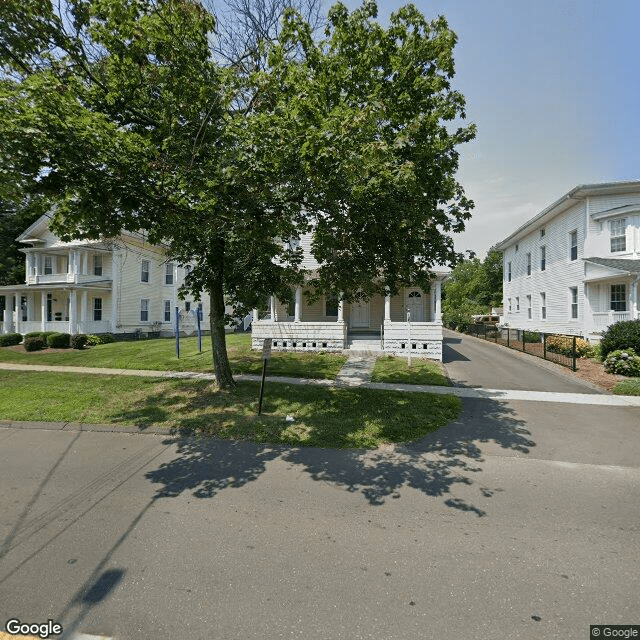
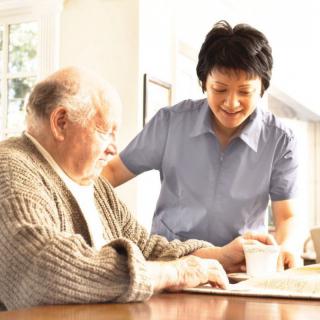
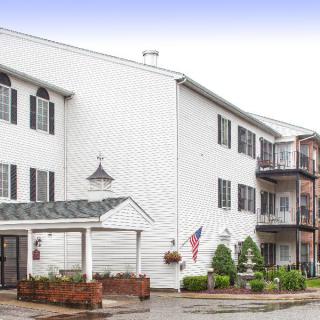
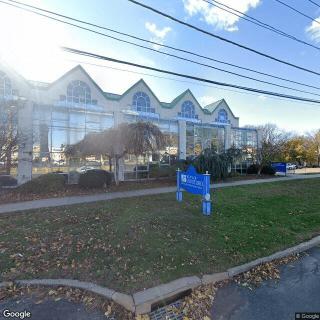
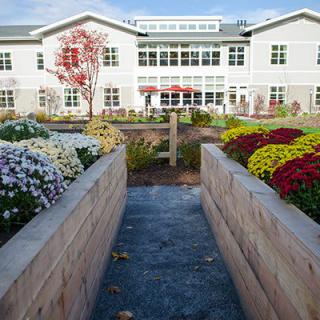
Griswold Home Care on seniors.fyi includes 4 photos including images showing healthcare, caregiver, rehabilitation, physical therapy, assistance, and more.
Nearby Communities
FCP Live-In
Stratford, CT
Nearby cafes, parks, pharmacies, physicians, restaurants, transport, and hospitals.
Family Care Plus
Stratford, CT
3.2 from 10 reviews
Professional, compassionate caregivers who support independence and provide peace of mind.
Partners In Care Inc
Stratford, CT
5 from 1 review
Convenient access to amenities and healthcare.
Caregiver's Home Solutions
Stratford, CT
3.7 from 28 reviews
Ample local amenities and healthcare options nearby
Executive Home Care
Stratford, CT
4.6 from 47 reviews
Excellent access to health services and nearby amenities.
Equinox Staffing Svc
Stratford, CT
Excellent access to nearby amenities (cafes, parks, pharmacies, physicians, restaurants, transportation options, and hospitals).
Bridgeport Health Care Center
Bridgeport, CT
2.2 from 18 reviews
Caring, attentive staff that residents value.
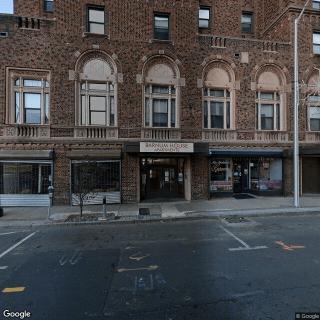
Barnum House
Bridgeport, CT
5 from 3 reviews
Excellent access to nearby amenities and services.
Bridges by EPOCH at Trumbull
Trumbull, CT
4.5 from 88 reviews
$9,920 / month
Caring staff with engaging memory-care activities in a warm, homelike setting.
The article highlights the high risk of falls among older adults due to factors like muscle weakness, vision issues, and environmental hazards, with one in four experiencing a fall annually. It advocates for a comprehensive prevention approach that includes exercise, home safety modifications, medication management, social support, and caregiver involvement.
Elder law attorneys assist older adults and their families with legal matters such as estate planning, Medicaid eligibility, and guardianships, while also providing protection against elder abuse. They help navigate complex regulations to safeguard financial resources, ensure well-being, and maintain autonomy for seniors.
Caregiving for an aging parent entails emotional and financial responsibilities accompanied by significant tax implications, including potential benefits from claiming them as dependents and deductions for medical expenses and caregiving costs. Caregivers must understand eligibility requirements, maintain thorough documentation, and consider consulting a tax professional to navigate these complexities effectively.
Rehabilitation, Physical Therapy, Caregiver, and Assistance
Additional Photos
Get PricingAsk A QuestionSchedule A TourContact Senior Advisor
By clicking submit, you agree to our Partner's Terms of Use. You
also consent to receive calls and texts, which may be autodialed, from our Partner. Your consent is not a condition to
using our Partner's service. Please visit our Partner's Privacy Policy for information about their privacy practices.



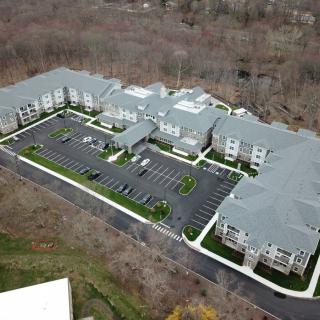
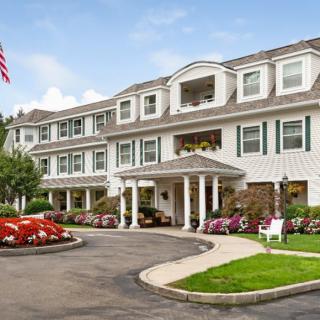
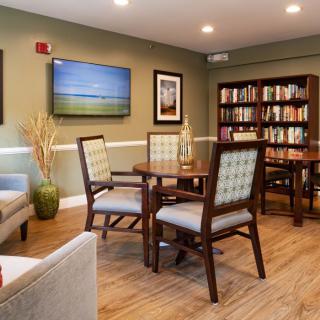
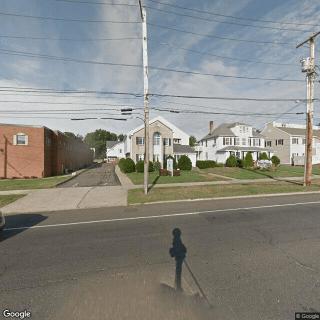
 Nearby cafes, parks, pharmacies, physicians, restaurants, transport, and hospitals.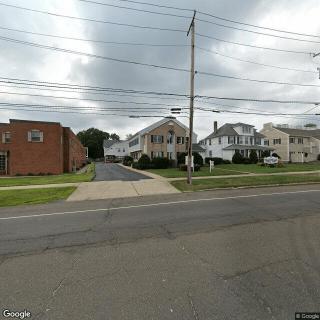
 Comprehensive Insights and Practical Strategies to Help Older Adults Avoid Falls
 6 Crucial Ways an Elder Law Attorney Assists Families
 Navigating the Tax Landscape of Caregiving: Credits, Deductions, and Beyond