The Mary Wade Home - Boardman Residence Costs & Pricing
The Mary Wade Home - Boardman Residence offers competitive pricing for its accommodations compared to both New Haven County and the broader Connecticut market. For a studio apartment, residents can expect a monthly cost of $4,590, which is substantially more affordable than the county average of $6,890 and the state average of $5,919. Similarly, the one-bedroom option at The Mary Wade Home is priced at $4,890, providing significant savings compared to the New Haven County rate of $6,325 and slightly undercutting the state average of $6,383. These pricing strategies reflect a strong commitment to accessibility while maintaining high-quality care and living environments for residents.
Floor plans
The Mary Wade Home - Boardman Residence
New Haven County
Connecticut
Studio
$4,590
$6,890
$5,919
1 Bedroom
$4,890
$6,325
$6,383
Assisted Living communities with a similar price nearby
Overall Review of The Mary Wade Home - Boardman Residence
common15 reviews mention this
Caring, responsive staff stand out
Residents and families consistently describe staff as caring, attentive, and professional.
Many reviews emphasize staff kindness and responsiveness, including frequent mentions of attentive care and respectful interactions with both residents and families. Several people also describe communication as a strength during difficult situations, and families note feeling comfortable leaving loved ones in their care. A few reviews specifically compare the staff experience to what they expected elsewhere, calling it consistently reliable and supportive.
common4 reviews mention this
Food is repeatedly praised
Multiple reviews say the food is better than expected and enjoyable.
Food comes up in several different contexts, including short-term recovery and longer stays. Reviews describe meals as tasty and varied, with one person saying they were pleasantly surprised given expectations of hospital-style food. Others highlight specific menu items and also mention that families are offered meals during community dining.
common3 reviews mention this
Clean, home-like feeling
Reviews commonly mention a clean, safe environment with a home-like feel.
A few reviewers point to cleanliness as a visible strength, including comments about no foul smells and a facility that feels well kept. Others add that the atmosphere is comfortable and family-oriented, reinforcing the sense that residents are treated with dignity. One review also explicitly ties comfort and safety to overall trust in the setting.
common2 reviews mention this
Help arranging medical rides
Residents and families describe reliable help with transportation for medical needs.
At least two reviews mention staff stepping in to make transportation happen when it was urgently needed. One family describes assistance in arranging a ride for a COVID vaccine and highlights prompt, courteous support. Another mentions that rides to medical appointments can be arranged if necessary.
common4 reviews mention this
Hospice care is described positively
Several reviews describe hospice experiences as handled smoothly and compassionately.
Hospice care is a recurring thread in reviews from families and care professionals. People describe staff as professional and sensitive during end-of-life situations, including smooth coordination with hospice. Reviews also include comfort and dignified care for residents during these final stages, along with communication that helped families through the process.
How we summarize
Counts show how many written reviews mention each theme; a review can touch several themes, and only frequently mentioned themes are displayed.
Features
Types of Care
Assisted Living
Amenities
Activities on-site
Air-conditioning
Beautician on-site
Devotional services off-site
Devotional services on-site
Indoor common areas
Outdoor common areas
Respite or short term stays offered
Wheelchair accessible showers
Wi-Fi/high-speed internet available
Transportation
Transportation & parking
Care Services
Ambulatory care
Diabetic care
Medication management
Dining
Guest meals
Low / no sodium
Meals provided
Professional chef
Activities
Catholic services
Day trips and outings
Devotional activities offsite
Devotional activities on-site
Happy hour
Jewish services
Karaoke
Live dance or theater performances
Live musical performances
Protestant services
Stretching classes
Visiting chaplain or priest
Nearby Places of Interest
This part of New Haven, Connecticut offers a convenient and diverse range of amenities for seniors living in the area. With numerous restaurants, cafes, pharmacies, parks, physicians, transportation options, hospitals, theaters, and places of worship nearby, residents have easy access to essentials and leisure activities. The proximity of reputable healthcare facilities such as Yale New Haven Hospital and various clinics ensures quality medical care. Additionally, the availability of public transportation options like train stations and airports make it easy for seniors to travel within and outside the city. Overall, this neighborhood provides a well-rounded community with a mix of urban conveniences and natural green spaces for seniors to enjoy a comfortable and fulfilling lifestyle.
Restaurants
McDonald's (0.9 miles)
Modern Apizza (1.1 miles)
September in Bangkok (1.3 miles)
Nica's Market (1.3 miles)
Zeneli Pizzeria (1.5 miles)
Barcelona Restaurant & Wine Bar (1.9 miles)
Arethusa Farm Dairy (2 miles)
Pharmacies
Walgreens (1.1 miles)
CVS Pharmacy (1.8 miles)
Rite Aid (1.9 miles)
Rite Aid (2.1 miles)
CVS Pharmacy (2.1 miles)
Rite Aid (2.2 miles)
Walgreens (2.3 miles)
Parks
East Rock Park (1.3 miles)
Wooster Square Park (1.5 miles)
Edgewood Park (2.8 miles)
Foote Memorial Park (5.3 miles)
Cafes
Kaiydens Coffee (1.5 miles)
Starbucks (4.1 miles)
Panera Bread (4.2 miles)
Starbucks (4.9 miles)
Starbucks (5.1 miles)
Physicians
Kennedy & Perkins Opticians - New Haven (1.6 miles)
Yale Dermatology Associates PC (2.1 miles)
Lima David MD (2.2 miles)
Cornell Scott - Hill Health Center of 226 Dixwell Avenue New Haven, CT (2.3 miles)
A Place To Nourish Your Health (2.4 miles)
East Haven Pediatrics PC (2.5 miles)
Family Practice And Internal Medicine Of New Haven County (2.7 miles)
Transportation
New Haven State Street Station (1.7 miles)
New Haven Union Station (NHV) - Metro North/Amtrak/Shore Line East (2.1 miles)
Tweed-New Haven Regional Airport (3 miles)
Robinson Aviation (3.2 miles)
Metro North West Haven Train Station (4.7 miles)
U-Haul Moving & Storage of Orange (6.1 miles)
Hospitals
Yale New Haven Hospital Saint Raphael Campus (2.7 miles)
Hill Health Center Grant Street Partnership (2.9 miles)
Hospital of Saint Raphael (4.1 miles)
Veterans Affairs CT Healthcare System: West Haven Medical Center (4.2 miles)
Harbor House (4.4 miles)
Yale New Haven Hospital Blood Drawing Station (4.6 miles)
The Mary Wade Home - Boardman Residence offers competitive pricing for its accommodations compared to both New Haven County and the broader Connecticut market. For a studio apartment, residents can expect a monthly cost of $4,590, which is substantially more affordable than the county average of $6,890 and the state average of $5,919. Similarly, the one-bedroom option at The Mary Wade Home is priced at $4,890, providing significant savings compared to the New Haven County rate of $6,325 and slightly undercutting the state average of $6,383. These pricing strategies reflect a strong commitment to accessibility while maintaining high-quality care and living environments for residents.
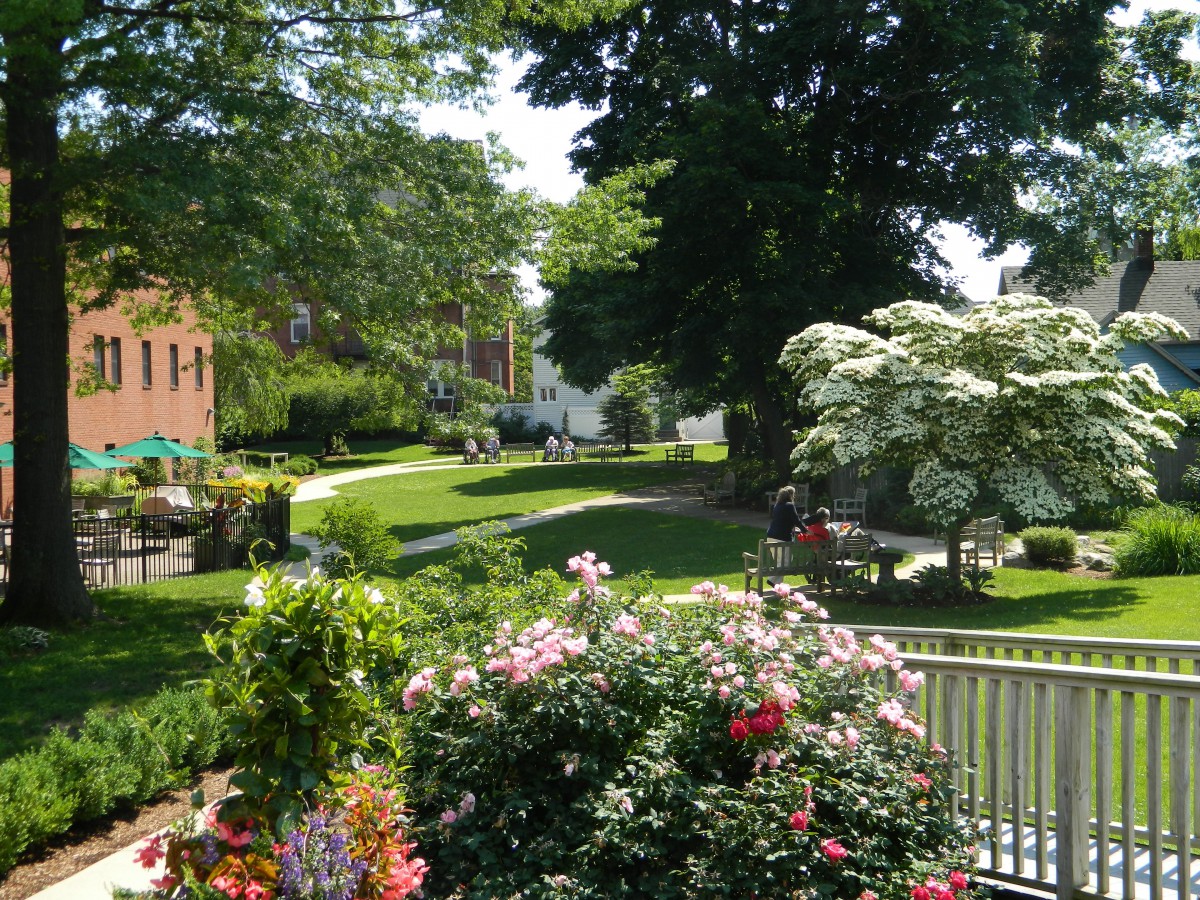
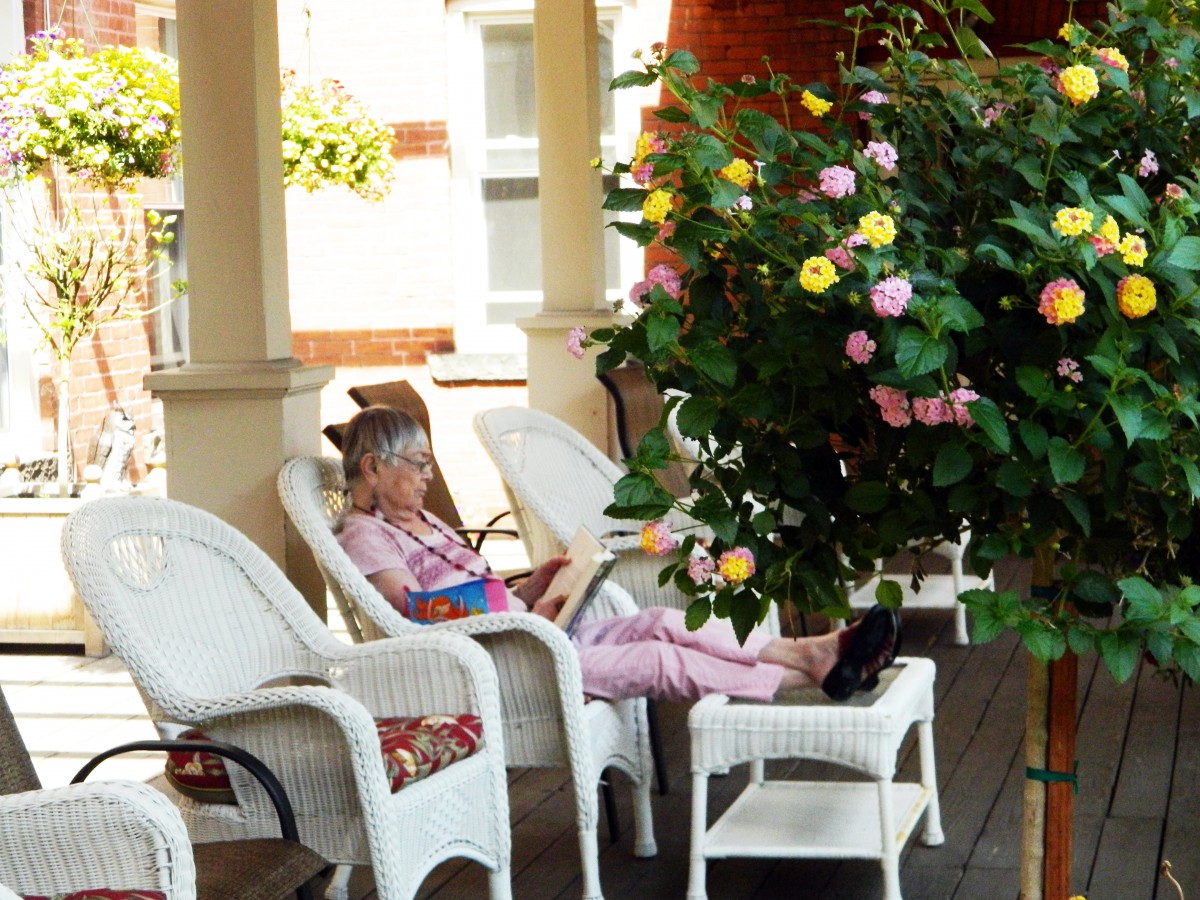
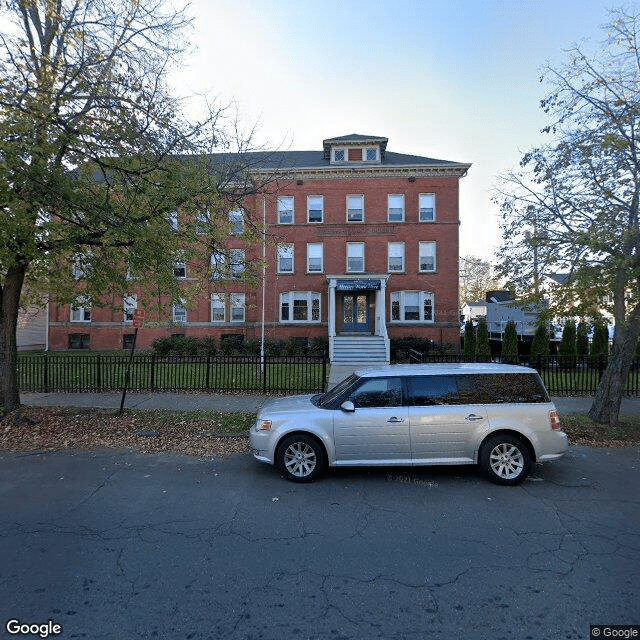
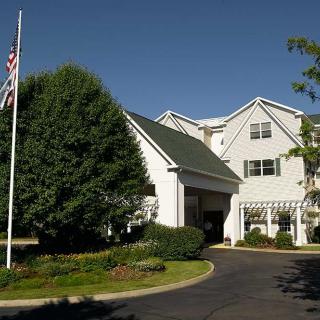
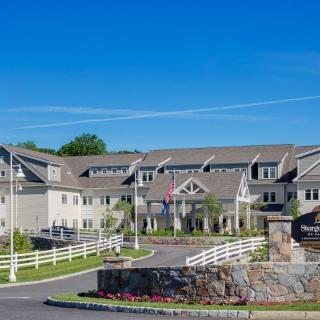
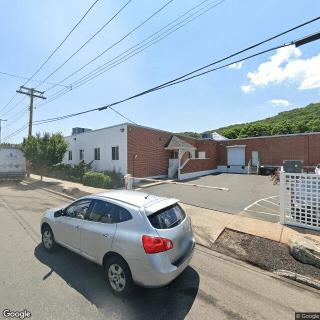
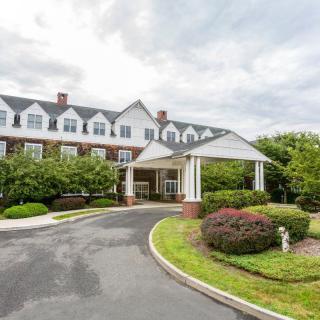
The Mary Wade Home - Boardman Residence on seniors.fyi includes 5 photos including images showing caregiver, outdoors, porch, garden, trees, landscaping, pathway, park, and more.
Nearby Communities
Mary Wade
New Haven, CT
Small, personalized community with 24/7 supervision, medication management, mental wellness, and included amenities.
Regalcare At New Haven
New Haven, CT
2 from 38 reviews
Some staff showed kindness and compassion.
Riverview Rest Home
New Haven, CT
1 from 5 reviews
Excellent access to healthcare and local amenities.
Riverview Residential Care Home
New Haven, CT
1 from 5 reviews
Homelike board-and-care with 24-hour supervision, medication management, and structured daily activities.
Leeway Residential Care Home
New Haven, CT
5 from 2 reviews
Prime location with extensive nearby amenities and healthcare options.
Leeway
New Haven, CT
5 from 2 reviews
24/7 supervision with ADL assistance and a mental wellness program, plus restaurant-style dining.
Tower One/Tower East
New Haven, CT
4.3 from 29 reviews
Vibrant kosher environment with engaging activities and convenient on-site amenities.
The Hearth At Gardenside
Branford, CT
4.1 from 82 reviews
$3,833 to $7,218 / month
Clean, welcoming atmosphere with friendly staff and engaging activities.
Benchmark Senior Living At Hamden
Hamden, CT
4.4 from 91 reviews
$4,100 to $6,650 / month
Attentive staff in a clean, activity-rich community with personalized care.
Transitioning from assisted living to memory care is driven by an individual's cognitive decline and specific needs, requiring careful evaluation of indicators like increased confusion and wandering. The process involves consulting medical professionals, researching suitable communities, considering financial and legal aspects, and ensuring effective communication for personalized care plans.
Assisted living provides moderate support for seniors seeking independence, while memory care offers specialized support for individuals with dementia or cognitive impairments through structured routines and trained staff. Key differences include care approaches, environment security measures, staff training levels, activity types, and cost considerations.
Assisted living communities offer diverse activities beyond traditional games to enhance seniors' physical health, cognitive well-being, emotional enrichment, and social connections, including fitness classes, creative expression, and intergenerational interactions. These enriching programs foster community bonds and support residents' independence and happiness.
Get PricingAsk A QuestionSchedule A TourContact Senior Advisor
By clicking submit, you agree to our Partner's Terms of Use. You
also consent to receive calls and texts, which may be autodialed, from our Partner. Your consent is not a condition to
using our Partner's service. Please visit our Partner's Privacy Policy for information about their privacy practices.







 Assisted Living
 Activities on-site
 Air-conditioning
 Beautician on-site
 Devotional services off-site
 Indoor common areas
 Outdoor common areas
 Respite or short term stays offered
 Wheelchair accessible showers
 Wi-Fi/high-speed internet available
 Transportation & parking
 Ambulatory care
 Diabetic care
 Medication management
 Guest meals
 Catholic services
 Day trips and outings
 Happy hour
 Jewish services
 Karaoke
 Live dance or theater performances
 Live musical performances
 Stretching classes
 Small, personalized community with 24/7 supervision, medication management, mental wellness, and included amenities.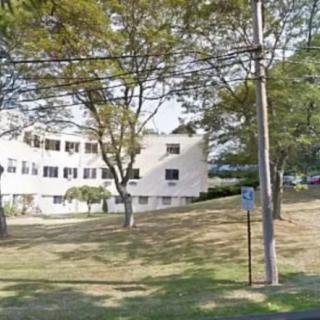


 When to Transition from Assisted Living to Memory Care: Key Indicators, Steps, and Finding the Right Community
 Assisted Living and Memory Care: Understanding Their Core Differences
 Beyond the Bingo Hall: 50+ Enriching Activities for Seniors in Assisted Living