
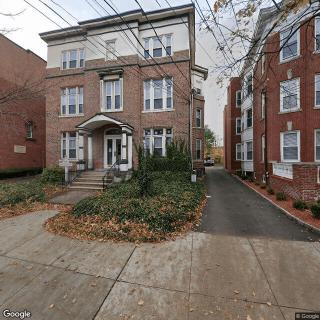
92 Lexington Avenue, New Haven, CT 06513
For more information about senior living options: (866) 208-4318
Overall Review of Riverview Residential Care Home
Pros
 They hope improvements will be made to ensure resident safety and quality of care.
- They emphasize the importance of respectful treatment and a supportive environment for residents.
- They advocate for stronger oversight to protect residents.
- They express optimism that concerns will be addressed to enhance safety and well-being.
- They call for changes that would raise the standard of care.
Cons
 The reviewer states that people should not be sent there.
- The reviewer notes that a staff member has a bad attitude.
- The reviewer observed an open door that constitutes a security risk.
- The reviewer says this facility is the worst among the residential care facilities they have visited.
- The reviewer believes it resembles a halfway house for convicts rather than a proper care facility.
- The reviewer urges New Haven to close the facility and criticizes the Board of Health for not helping the residents.
Review
Riverview Residential Care Home in New Haven is not a fit for seniors who rely on safe, respectful, and well-regulated care. The community’s current profile signals that families should search elsewhere if comfort, dignity, and predictable daily routines matter. Alternatives deserve serious consideration by anyone evaluating options where safety, professional staff conduct, and transparent communication are non-negotiable. If cost is the only lever, it remains essential to compare licensing status, oversight history, and the presence of a steady caregiving team before pinning hopes on any low-price option. The bottom line is simple: this setting does not align with care that would be acceptable for a loved one.
Among the most troubling findings are safety and staff interactions. A door being left open presents a clear security risk for vulnerable residents, undermining the basic trust families expect from any caregiver setup. Beyond physical safety, reports describe the staff attitude as abrupt or unsupportive, with inconsistent or poor communication. When warmth, responsiveness, and clear accountability are absent, the daily experience for residents deteriorates quickly, and families should not have to chase basic assurances about well-being.
Additional signals point to a broader misalignment with proper care standards. Observers characterize the environment as resembling a halfway house more than a regulated residential care setting, a description that erodes confidence in routine maintenance, supervision, and overall operations. Strong sentiment exists that regulatory authorities should scrutinize the facility closely, with the potential for closer oversight or corrective action. These perceptions matter: they reflect not just isolated gaps but a pattern that jeopardizes residents’ sense of safety and dignity.
In terms of strengths, none are evident in the feedback available. There is no clear highlight of engaging activity programs, consistent staffing, clean and orderly spaces, or proactive management. The absence of such positives means the downsides, safety gaps, negative staff interactions, and questionable environments, are not counterbalanced by any visible benefits. Without demonstrable improvements or a track record of addressing concerns, the balance clearly tilts toward risk rather than value.
The practical takeaway is straightforward: any potential savings or convenience cannot compensate for the significant risks identified. A facility would need to show substantial, verifiable progress in staffing stability, safety protocols, resident dignity, and regulatory compliance to overturn the current impression. In contrast, Riverview presents a profile where the cons overwhelmingly overshadow the very modest or non-existent pros, leaving little room for a confident recommendation.
For families actively evaluating care options, the recommendation is to pursue other communities with proven safety records, transparent operations, and demonstrable resident-centered programming. A rigorous evaluation checklist is essential: verify state licensing and inspection histories, tour multiple times at different hours, interview multiple staff members and a cross-section of residents or families, observe interactions with residents, assess cleanliness and maintenance, review medication management practices, and confirm robust security measures and incident reporting. In choosing care, the priority is clear: prioritize settings that consistently demonstrate safety, respect, reliable communication, and compliant oversight. Riverview should be deprioritized in favor of higher-quality options that deliver peace of mind for families and security for residents.
 22 resident community capacity
 Assisted Living
 Board and Care Home
 Beauty salon
 Cable or satellite TV
 Dining room
 Fully furnished
 Garden
 Housekeeping services
 Kitchenette
 Move-in coordination
 Outdoor space
 Telephone
 Wi-Fi/high-speed internet available
 24-hour call system
 Activities of daily living assistance
 Assistance with bathing
 Assistance with dressing
 Assistance with transfers
 Diabetes diet
 Meal preparation and service
 Medication management
 Mental wellness program
 Special dietary restrictions
 Transportation arrangement (medical)
 Transportation to doctors appointments






 Exploring the Path to Senior Living: A Comprehensive Look at Independent Living and Assisted Living
 Is Assisted Living Deductible on Your Taxes? Understanding the Complexities of Assisted Living Expenses and Deductions
 Assisted Living Support for Veterans: A Complete and Detailed Overview