
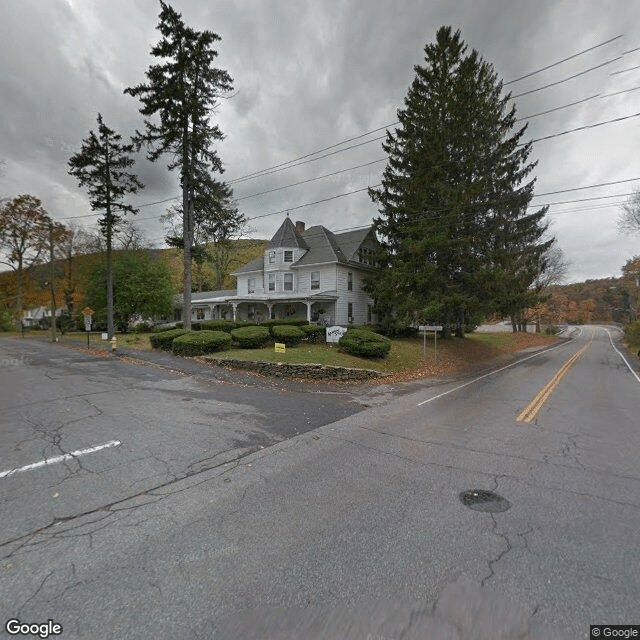
38 Elizabeth St, Kent, CT 06757
To contact a resident: (860) 927-3272
For more information about senior living options: (866) 208-4318
Morning Star Residential Care Home Costs & Pricing
Morning Star Residential Care Home offers competitive pricing for its private room accommodations, with a monthly cost of $3,300. This rate is notably lower than both the average rates in Litchfield County, which stands at $3,779, and the broader Connecticut average of $5,479. By providing a more affordable option without compromising on quality care and services, Morning Star Residential Care Home positions itself as an attractive choice for families seeking residential care solutions within the region.
| Floor plans | Morning Star Residential Care Home | Litchfield County | Connecticut |
|---|---|---|---|
| Private | $3,300 | $3,779 | $5,479 |
Senior living communities with a similar price nearby
-
About the same
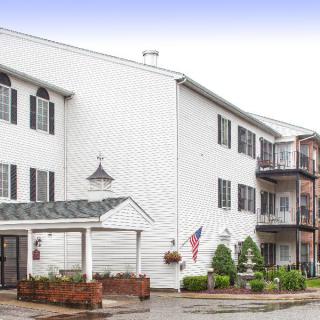
Glen Crest
$3,239 to $4,141 / month21.6 miles away -
from +$100 / mo
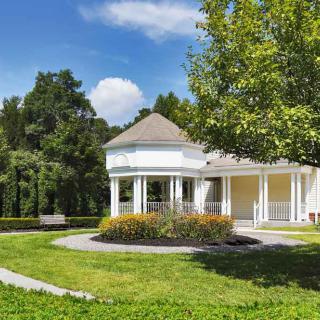
The Cottage at Litchfield Hills
$3,400 to $6,610 / month18.0 miles away -
from +$500 / mo
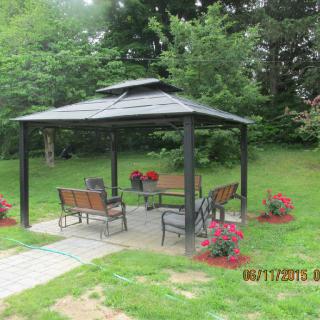
Garden Brook Residential Care Home
$3,800 / month22.0 miles away -
from +$325 / mo

The Fountains at Millbrook
$3,625 to $6,495 / month9.3 miles away -
from +$500 / mo
The Village At Brookfield Common
$3,800 to $4,850 / month19.7 miles away
Overall Review of Morning Star Residential Care Home
Pros
 The inn sounds nice.
Cons
 The inn is an older converted property that feels outdated.
- Its “residential care” labeling gives the impression it isn’t a proper hotel experience.
- It is small, with only 18 rooms, which limits its appeal.
- Overall, the place comes across as cramped and not ideal for guests.
Review
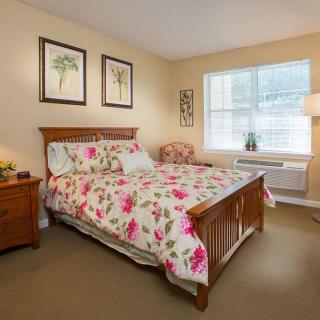
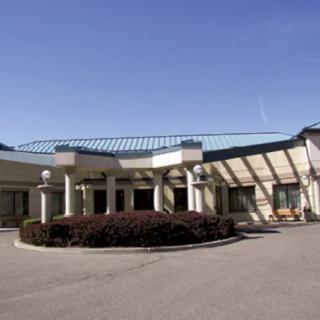
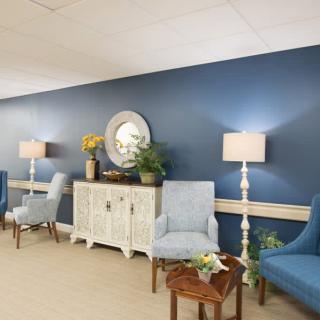
Morning Star Residential Care Home in Kent, CT is best suited for seniors who want a truly small, home-like atmosphere and can thrive with intimate, direct caregiving rather than the scale and bustle of a larger community. This is not a medical campus; it’s an older, converted inn with 18 resident rooms, where staff can know residents by name and routines stay straightforward. For a resident who values quiet days, predictable schedules, and personal attention from a small team, Morning Star offers warmth, a sense of belonging, and a setting that feels more like family than facility.
Those with more complex needs should consider alternatives. If memory care is a concern, or if daily assistance requires round-the-clock skilled nursing, a larger community with dedicated memory care units and more intensive medical oversight may be a better fit. If rehab services, varied social programming, extensive on-site amenities, or broad dining options are priorities, Morning Star’s small scale could feel limiting. Families should compare with nearby options that offer more extensive programming, a broader care team, and energy to accommodate a wider activity calendar.
From the vantage of pros, the intimate scale can offset the main drawbacks. Personal attention is more consistent when staff are few and familiar with each resident’s routines and preferences, leading to quicker, more nuanced responses to daily needs. The home-like environment reduces the clinical feel, making meals, transitions, and social interactions feel natural rather than institutional. For families, the ease of visits and the sense that a resident is known by staff can translate into deeper trust and smoother communication. These advantages matter most for residents who want to age in place with dignity and a sense of belonging.
Yet the main drawbacks are real and should be weighed carefully. A facility with 18 rooms inherently limits on-site resources: fewer staff on duty at any moment, fewer specialized services, and a tighter calendar for activities and outings. The older inn layout can present accessibility quirks and space constraints, potentially affecting mobility within common areas or privacy in certain configurations. Scheduling flexibility and the availability of diverse programs or rehab services may lag behind what larger communities routinely offer. In short, Morning Star rewards flexibility and a homier routine, while demanding patience from families who rely on comprehensive care options.
Decision-making hinges on clarity around care needs and expectations. Prospective families should tour with a critical eye for how residents actually spend their days, request a sample weekly activity calendar, and ask about staffing levels, on-site nursing coverage, and how care plans are developed and updated. Inquire about meal quality, dietary accommodations, transportation to appointments, medication management, and how emergencies are handled after hours. Explore accessibility features, door widths, grab bars, stairs, and any available assistive devices, and ask about move-in options and trial stays if possible. The aim is to determine whether Morning Star can reliably deliver the resident’s preferred pace, level of independence, and sense of security.
The bottom line is clear: Morning Star Residential Care Home excels for seniors who prize a warm, intimate setting and straightforward, consistently attentive care, with room to personalize daily life. It is less suitable for those requiring extensive medical supervision, complex memory care, or a broad spectrum of on-site amenities. The available feedback hints at a meaningful divergence in experiences, some praise the personal touch, others flag the constraints of scale. For families, the prudent path is a focused, candid visit, a thorough line-by-line comparison against larger communities, and questions that uncover staff stability, care customization, and the facility’s ability to meet specific medical and social needs. If alignment is found, Morning Star can offer a genuinely homelike option that keeps daily life manageable and meaningful.
 Board and Care Home
 Cats allowed
 Activities on-site
 Devotional services off-site
 Indoor common areas
 Outdoor common areas
 Private
 Respite or short term stays offered
 Ambulatory care
 Diabetic care
 High acuity care
 Incontinence care
 Meals provided



 Understanding Hospice Care at Home: Comprehensive Services, Key Benefits, and Eligibility
 Understanding the Full Cost of 24/7 In-Home Care: A Detailed Overview
 Exploring the World of Home Health Nurses: Qualifications, Roles, and Hiring Tips