For more information about senior living options: (866) 208-4318
3.9 from 44 reviews
5 stars
26
4 stars
7
3 stars
1
2 stars
1
1 stars
9
Avery Heights Costs & Pricing
Avery Heights offers a competitive pricing structure for its residential options, particularly when compared to both Hartford County and the overall state of Connecticut. For instance, the monthly cost for a one-bedroom unit at Avery Heights stands at $4,340, which is slightly below the Hartford County average of $4,397 and significantly lower than the state average of $6,383. However, when it comes to two-bedroom accommodations, Avery Heights's pricing of $5,670 exceeds Hartford County's more affordable rate of $3,985 while still remaining above the state average of $5,070. This nuanced pricing landscape makes Avery Heights an attractive option for individuals seeking quality living in a vibrant community while considering their budget in relation to regional norms.
Floor plans
Avery Heights
Hartford County
Connecticut
1 Bedroom
$4,340
$4,397
$6,383
2 Bedrooms
$5,670
$3,985
$5,070
Assisted Living communities with a similar price nearby
Residents and families repeatedly describe supportive, caring staff.
Many reviewers highlight friendly, attentive staff and say their loved ones appear well cared for. Several families specifically describe professional support, respect, and quick responses to questions. A smaller set of reviews raise the opposite experience, mentioning neglect, poor communication, and difficulty reaching staff.
common7 reviews mention this
Dining quality is mixed
Dining draws both praise and complaints from reviewers.
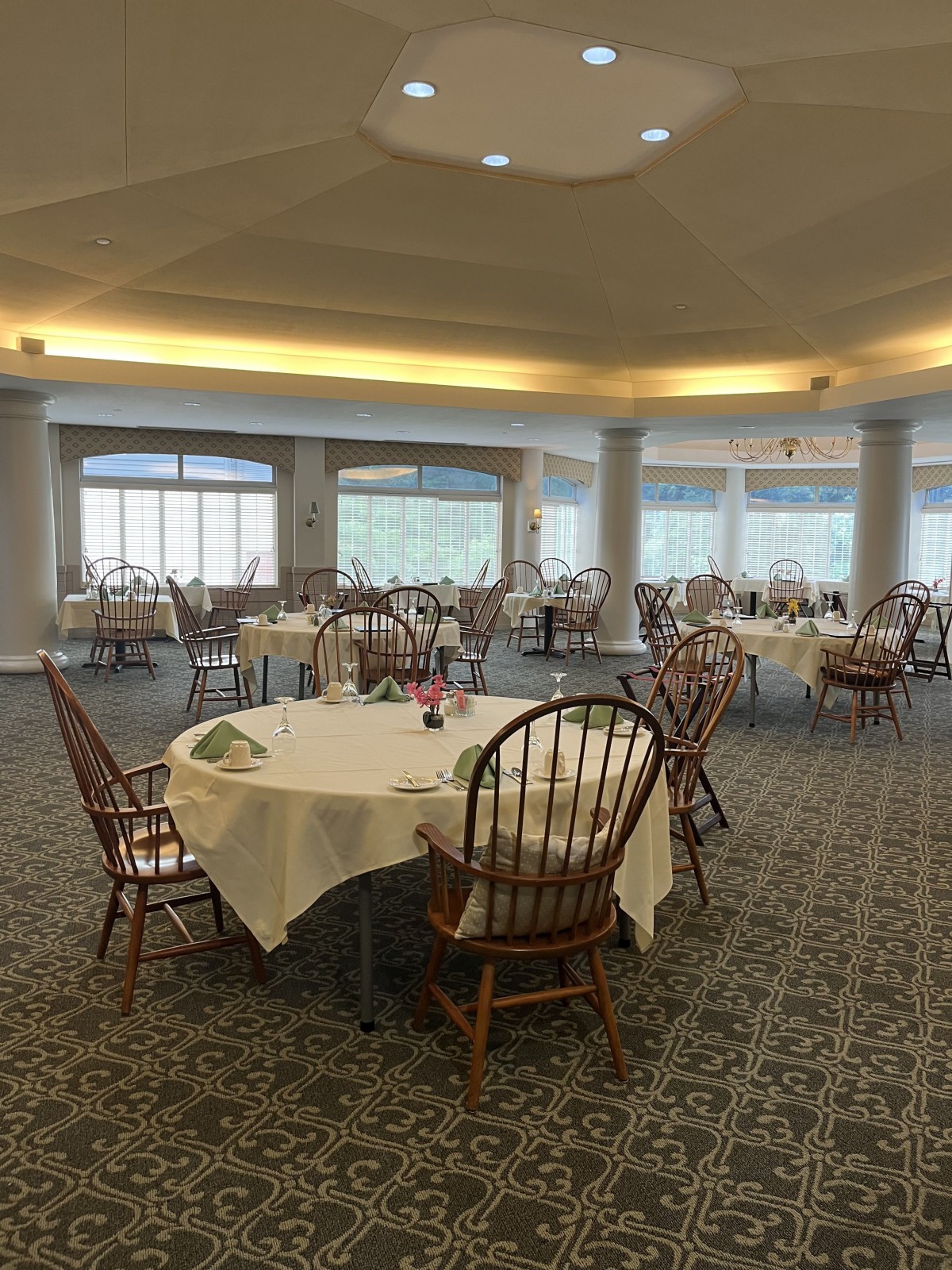
Positive comments mention food that is excellent or very good, plus a dining room that feels pleasant, including during visits and lunches. Some residents also note practical options at meals. Other reviewers describe a negative dining experience, including cold or dry food and rude service, with long wait times at lunch.
caveat8 reviews mention this
Care and cleanliness concerns recur
A recurring concern is inconsistent daily care and cleanliness.
Several critical reviews describe neglect-related issues, including being left in bed, not being moved, and problems that they link to staffing shortages. Other comments include sanitation and maintenance complaints, along with difficulty getting help. A couple of reviews go further, describing severe outcomes they attribute to the facility’s care and response.
common9 reviews mention this
Activities and common spaces matter
Residents describe plenty to do and usable shared spaces.
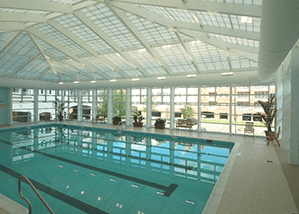
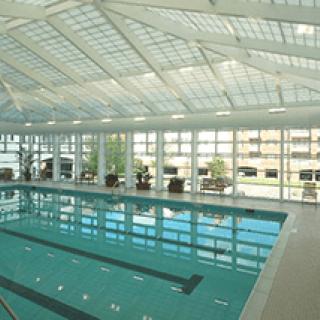
Multiple reviewers say there are many daily activities, with opportunities for residents to participate or join group programs. Tours and longer-term residents mention well-kept areas such as activity rooms, plus fitness-focused spaces and walking paths. There are also negative notes about facility upkeep, including at least one complaint that the pool was not working.
caveat4 reviews mention this
Monthly costs vary by unit level
Pricing comes up as a point of variation between options.
One review suggests pricing differences between rehab and assisted living options on-site. Another reviewer calls costs reasonable in the context of the community as a non-profit. A separate review mentions continuing to pay fees after no longer residing there, while another references affordability constraints when considering returning home.
How we summarize
Counts show how many written reviews mention each theme; a review can touch several themes, and only frequently mentioned themes are displayed.
Features
Housing
199 resident community capacity
1-bedroom apartments
2-bedroom apartments
Detached homes
Types of Care
Assisted Living
Board and Care Home
Independent Living
Memory Care
Skilled Nursing Facility
Pets
Cats allowed
Dogs allowed
Amenities
Activities off-site
Activities on-site
Air-conditioning
Bath tubs
Beautician on-site
Beauty salon
Cable or satellite TV
Computer center
Devotional services off-site
Dining room
Financing advice
Fitness room
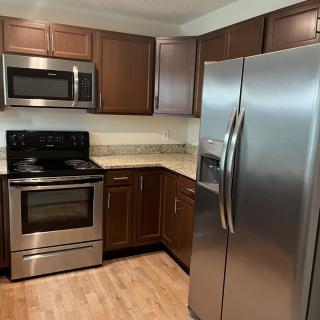
Full kitchen
Fully furnished
Gaming room
Garden
General store
Guasts at mealtime
Guest parking
Home sale assistance
Housekeeping services
Indoor common areas
Kitchenette
Laundry
Move-in coordination
Outdoor common areas
Outdoor space
Overnight guests
Party space
Private bathrooms
Resident parking
Respite or short term stays offered
Restaurant-style dining
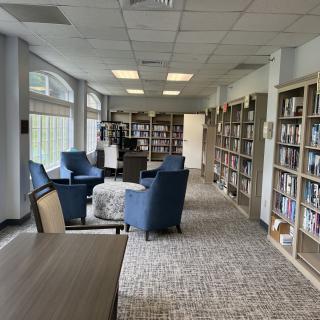
Small library
Swimming pool
Swimming pool / hot tub
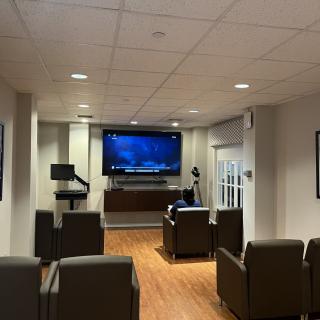
TV room
Telephone
VA Benefits Consultation
Wellness center
Wheelchair accessible showers
Wi-Fi/high-speed internet available
Transportation
Bradley International (15 miles away)
Community operated transportation
Transportation & parking
Transportation arrangement
Care Services
12-16 hour nursing
24-hour call system
24-hour supervision
Activities of daily living assistance
Ambulatory care
Assistance with bathing
Assistance with dressing
Assistance with transfers
Companion care
Diabetes diet
Diabetic care
High acuity care
Hospice care
Incontinence care
Meal preparation and service
Medication management
Mental wellness program
Personal care assistants
Physical therapy
Psychiatric care
Special dietary restrictions
Dining
Diabetes diet
Gluten-free
Guest meals
Low / no sodium
Low fat
Meals provided
No Sugar
Professional chef
Restaurant style dining
Room service
Special dietary restrictions
Special dining programs
Vegan
Vegetarian
Activities
Activities off-site
Art classes
Arts and crafts
Book club
Brain fitness
Community-sponsored activities
Concierge services
Cooking club
Day trips and outings
Devotional activities offsite
Educational speakers / life long learning
Fitness programs
Games
Happy hour
Karaoke
Live dance or theater performances
Live musical performances
Live well programs
Planned day trips
Religious services
Resident-run activities
Scheduled daily activities
Stories
Stretching classes
Water aerobics
Wii bowling
Yoga / chair yoga
Languages Spoken
English
Nearby Places of Interest
This part of Hartford, Connecticut offers a variety of amenities and services that may be appealing to older adults considering senior living. There are several restaurants nearby, including fast food options like McDonald's and Chick-Fil-A, as well as local breweries and cafes for a more relaxed dining experience. The area also has multiple pharmacies and medical facilities in close proximity, providing easy access to healthcare services. Additionally, there are several parks for outdoor recreation and relaxation. Public transportation options such as Union Station are available for convenient travel, and there are places of worship for spiritual support. Overall, this area provides a mix of convenience, healthcare resources, recreational opportunities, and community engagement that could be suitable for seniors looking for a vibrant neighborhood to call home.
Restaurants
McDonald's (0.9 miles)
Chick-Fil-A (1 miles)
New Park Brewing (1 miles)
El Mercado (2.2 miles)
Spigot Cafe (2.2 miles)
Red Rock Tavern (2.6 miles)
Artisan (2.7 miles)
Pharmacies
Stop & Shop Pharmacy (1 miles)
CVS Pharmacy (1.2 miles)
Walgreens (1.3 miles)
CVS Pharmacy (2.2 miles)
Walgreens (2.3 miles)
CVS Pharmacy (2.4 miles)
CVS Pharmacy (2.4 miles)
Physicians
Optometric Specialty Group (1.5 miles)
Uconn Health Partners (1.6 miles)
Lexington Cardiology Associates (2 miles)
Orthopedic Associates of Hartford, PC (2.2 miles)
Vealechristopher, Macgilpin Douglas, Siracojohn, & Harveyrichard, Verrisimo Ana (2.3 miles)
Avery Heights offers a competitive pricing structure for its residential options, particularly when compared to both Hartford County and the overall state of Connecticut. For instance, the monthly cost for a one-bedroom unit at Avery Heights stands at $4,340, which is slightly below the Hartford County average of $4,397 and significantly lower than the state average of $6,383. However, when it comes to two-bedroom accommodations, Avery Heights's pricing of $5,670 exceeds Hartford County's more affordable rate of $3,985 while still remaining above the state average of $5,070. This nuanced pricing landscape makes Avery Heights an attractive option for individuals seeking quality living in a vibrant community while considering their budget in relation to regional norms.
Avery Heights offers a range of supportive features that are essential for individuals with dementia or Alzheimer's disease, facilitating both their safety and overall well-being. The 24-hour supervision ensures immediate assistance in case of emergencies or disorientation, while personalized help with activities of daily living--such as bathing, dressing, and transfers--promotes dignity and comfort. Engaging residents in brain fitness activities stimulates cognitive function, which can slow cognitive decline. Incontinence care is handled discreetly, alleviating any anxiety related to hygiene issues. Thoughtful meal preparation and service cater to dietary needs while encouraging social interaction during mealtimes. Medication management prevents lapses in required treatments, ensuring adherence to prescribed regimens. Moreover, the mental wellness program supports emotional health by providing coping strategies and socialization opportunities, while physical therapy helps maintain mobility and physical strength--all critical elements in enhancing the quality of life for residents at various stages of dementia.
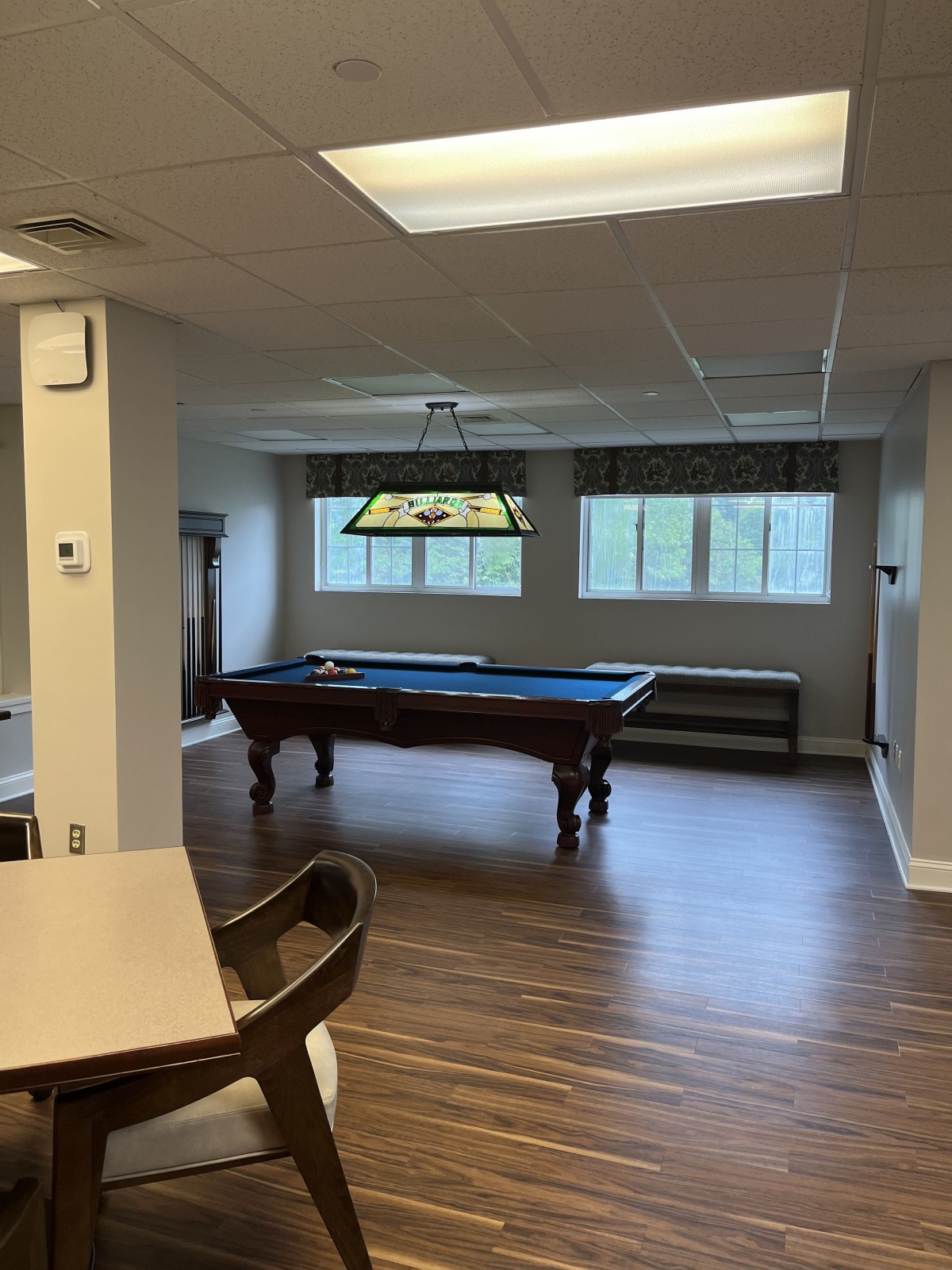
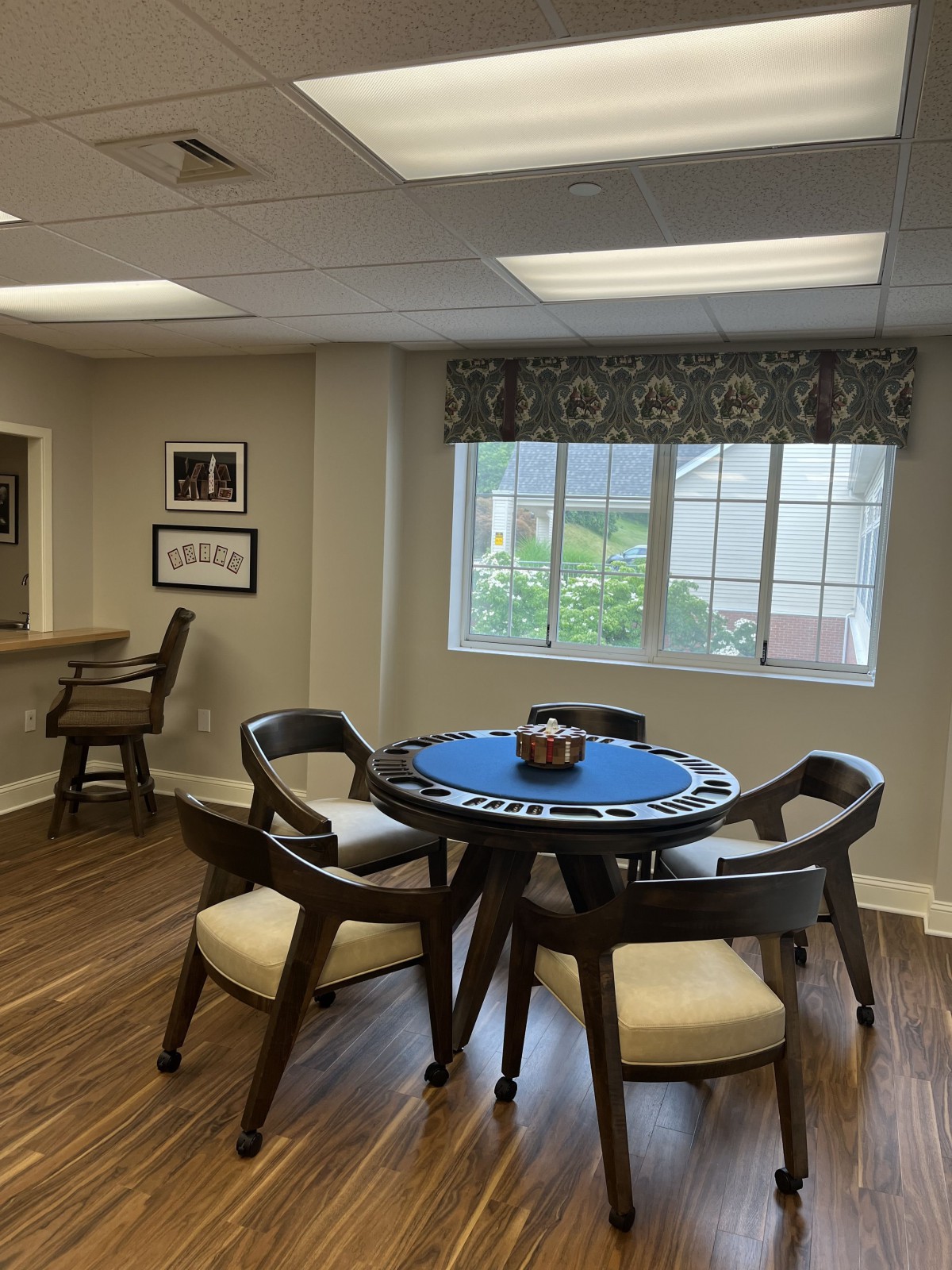
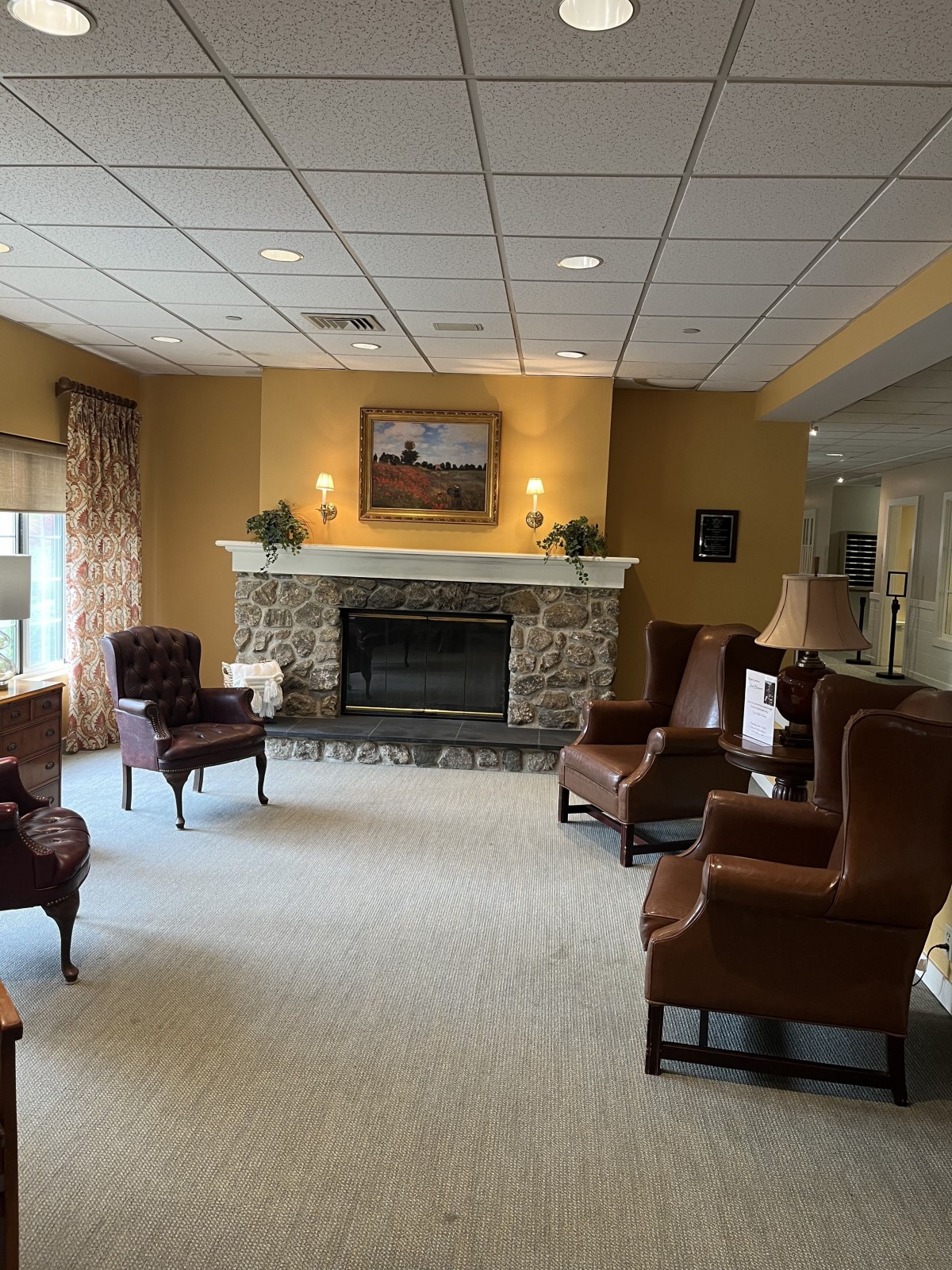
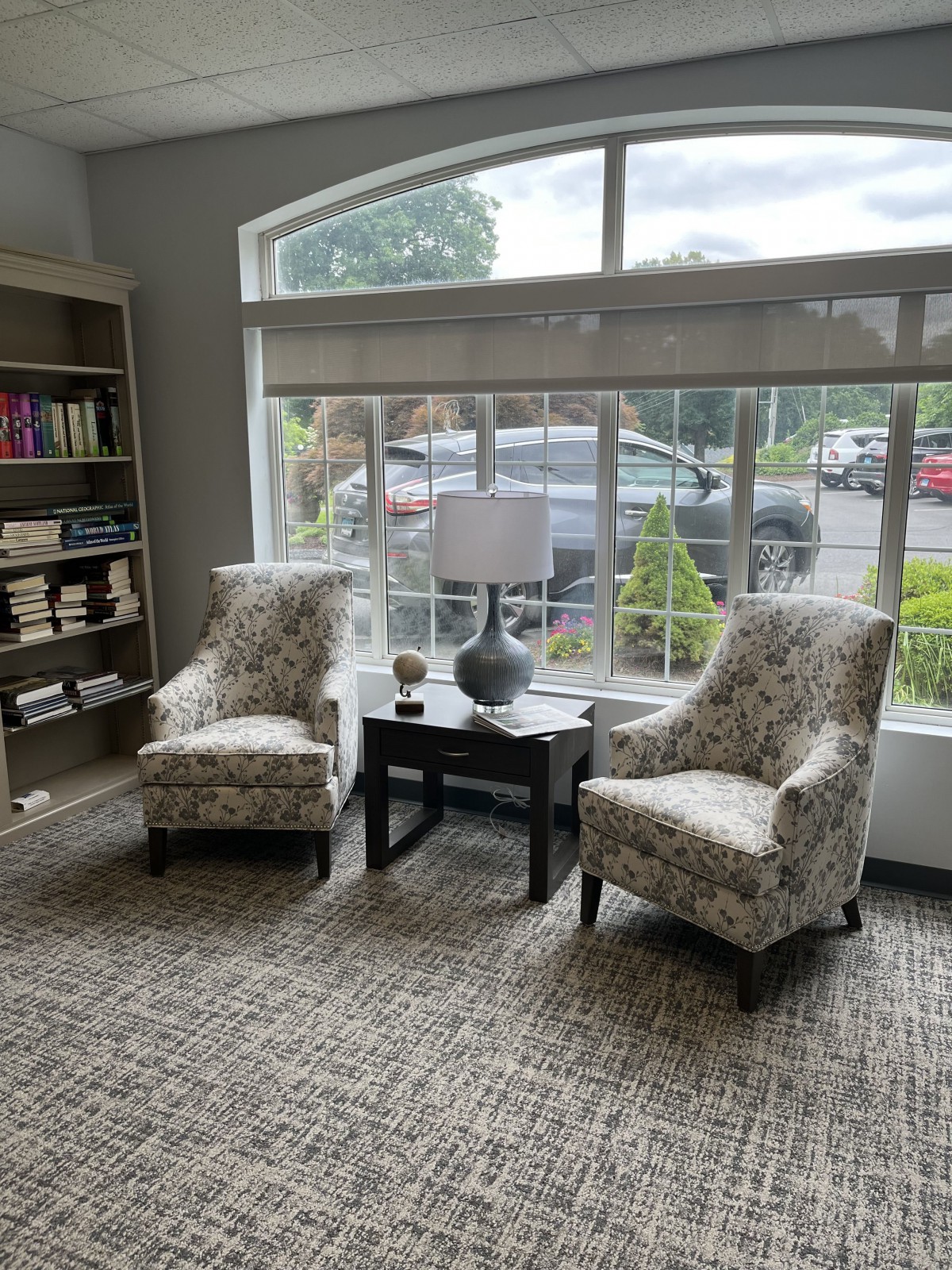
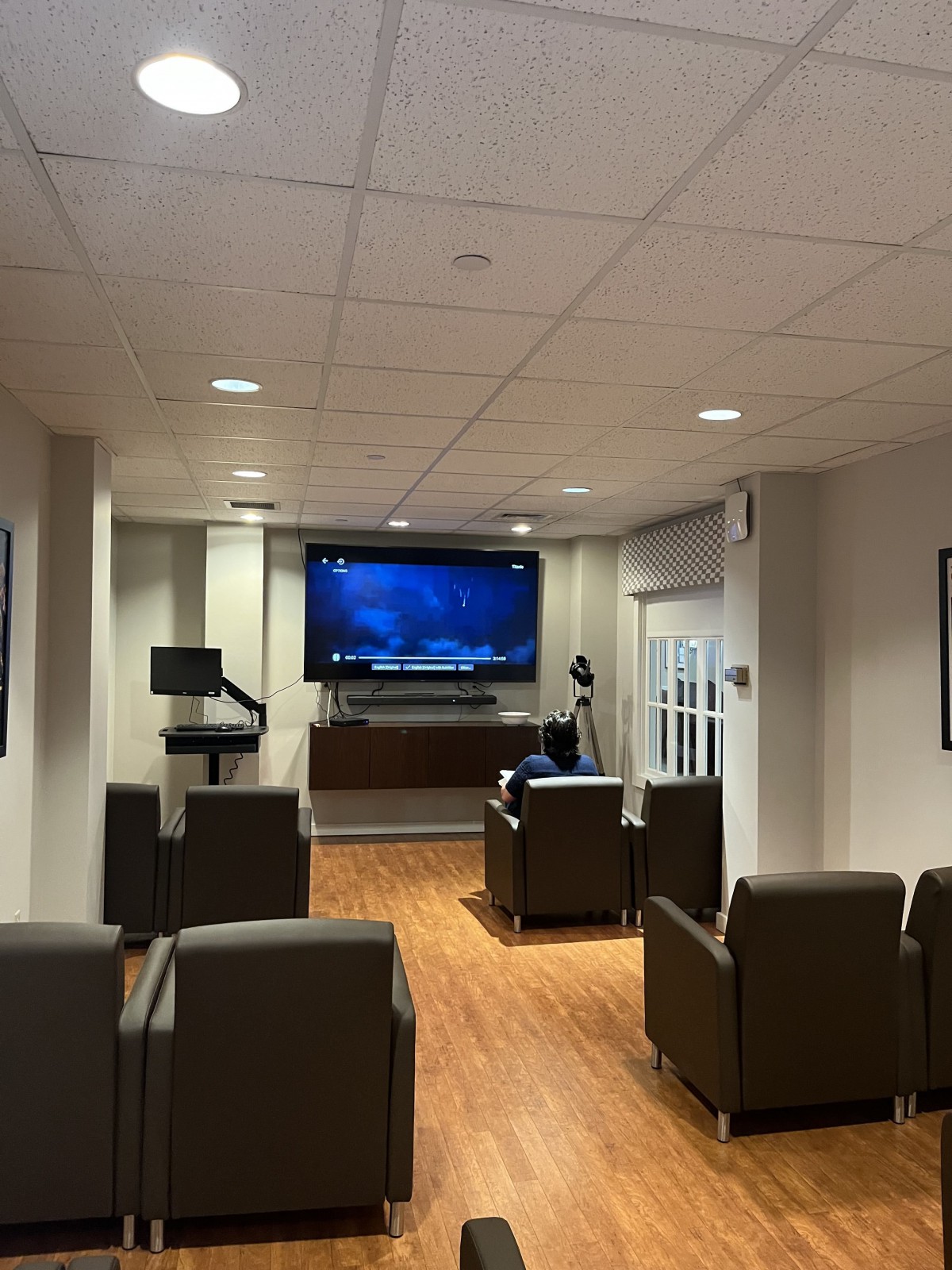
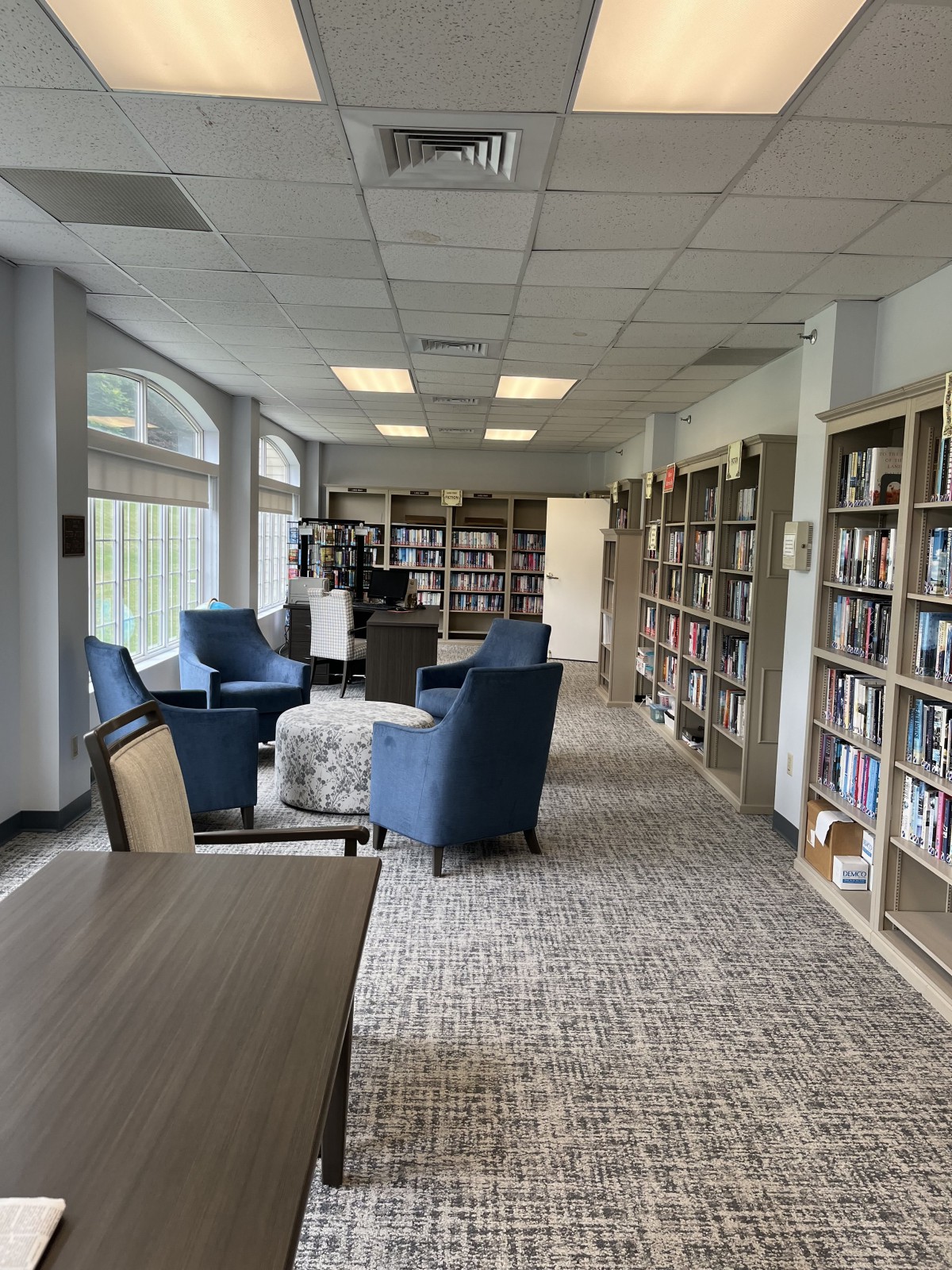
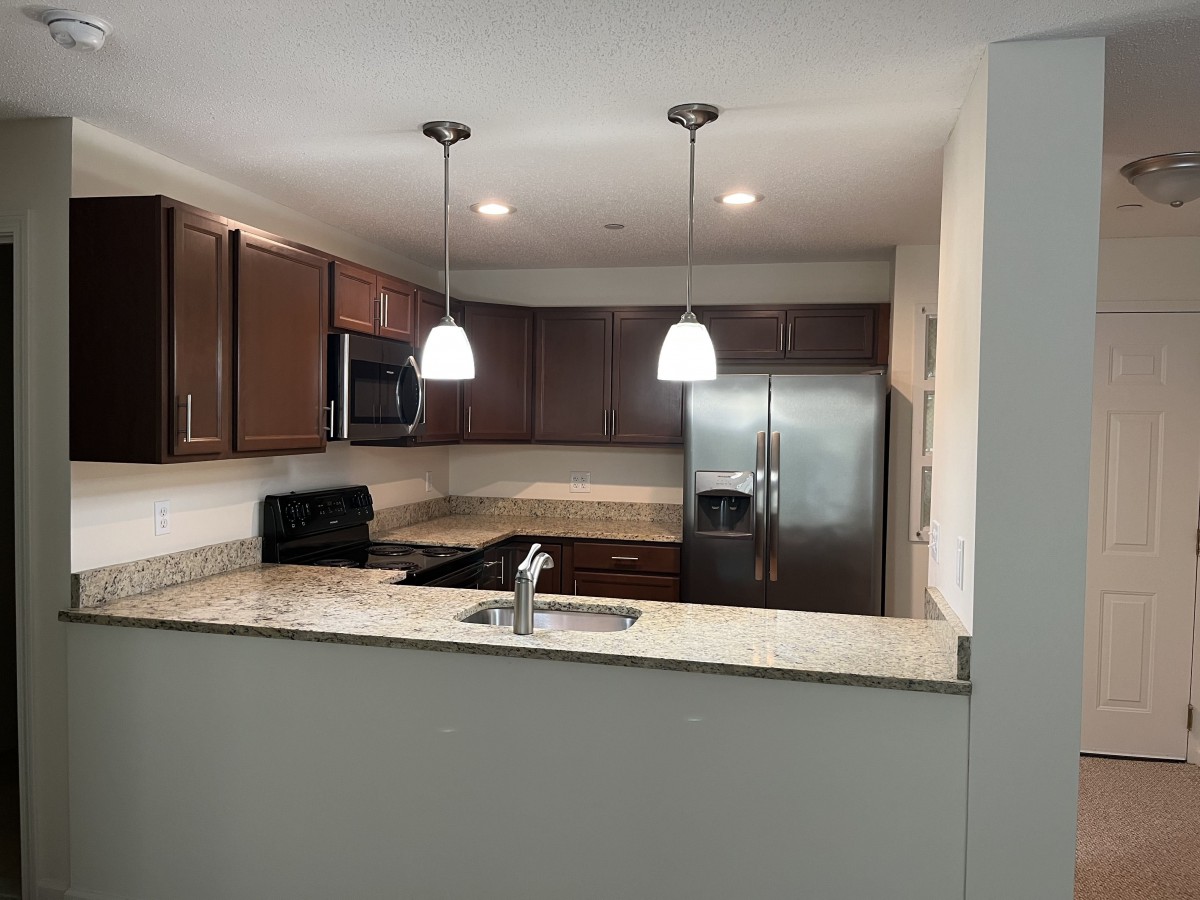
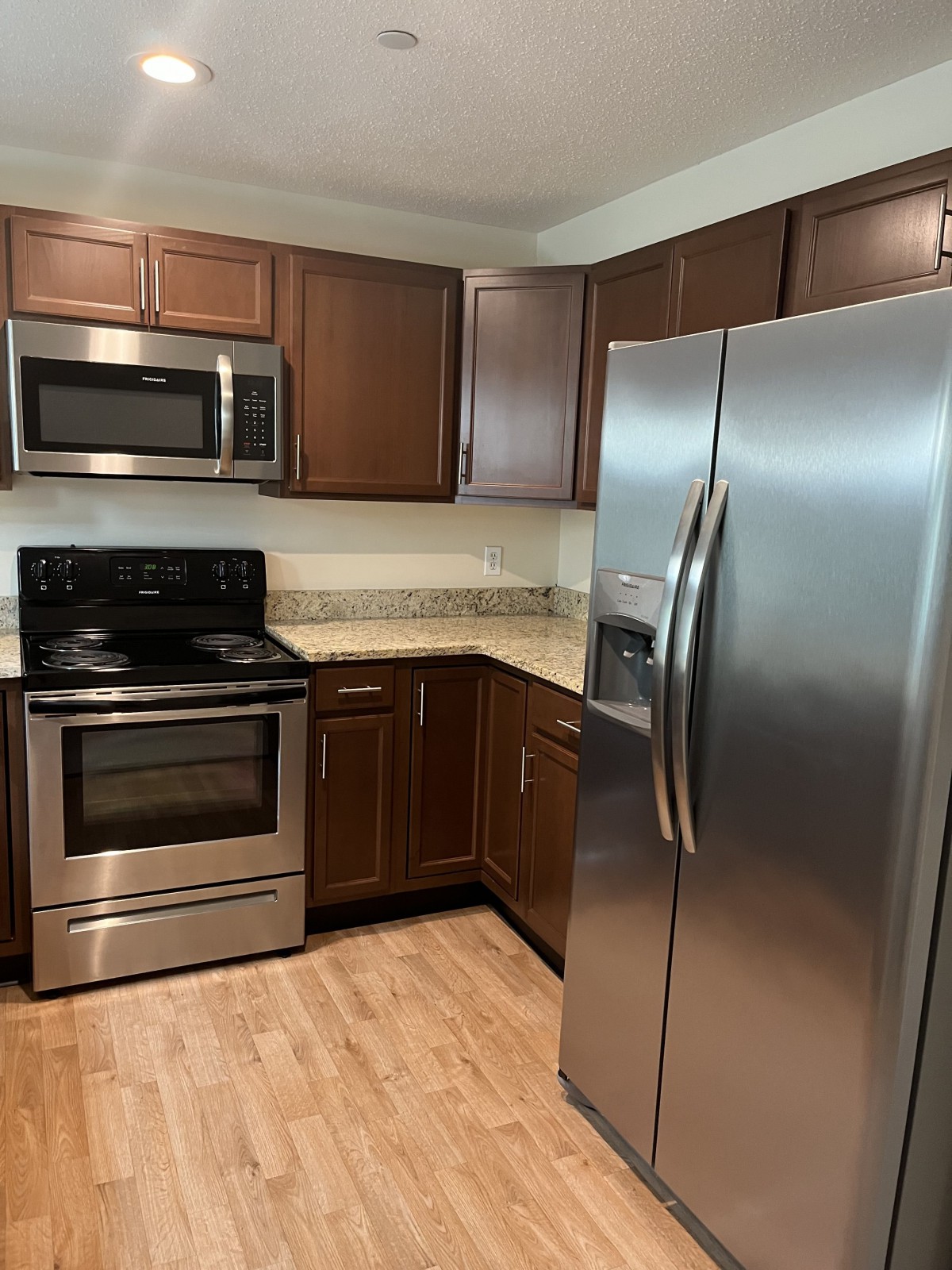
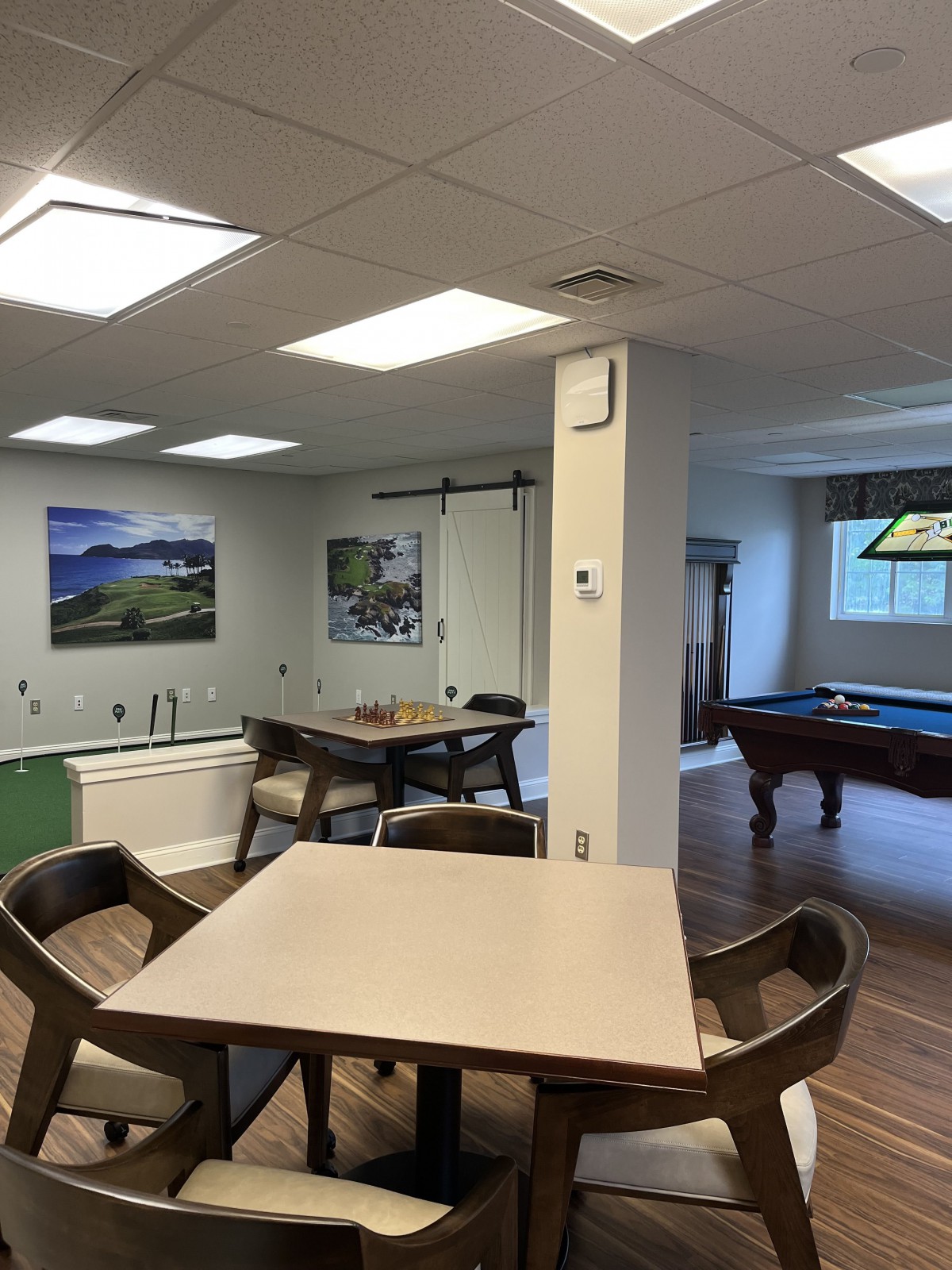
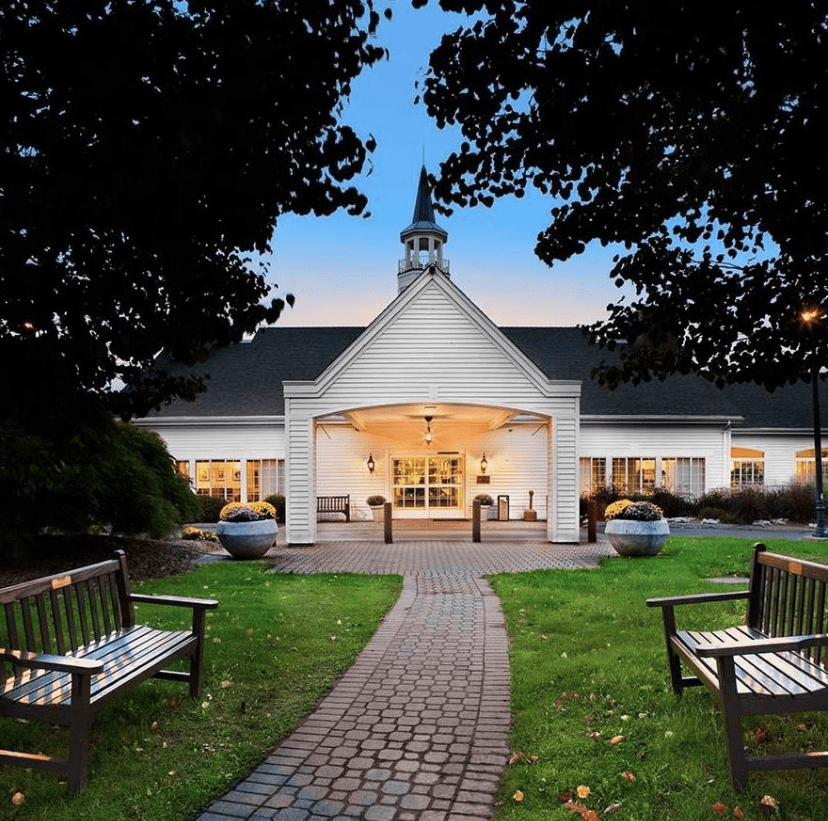
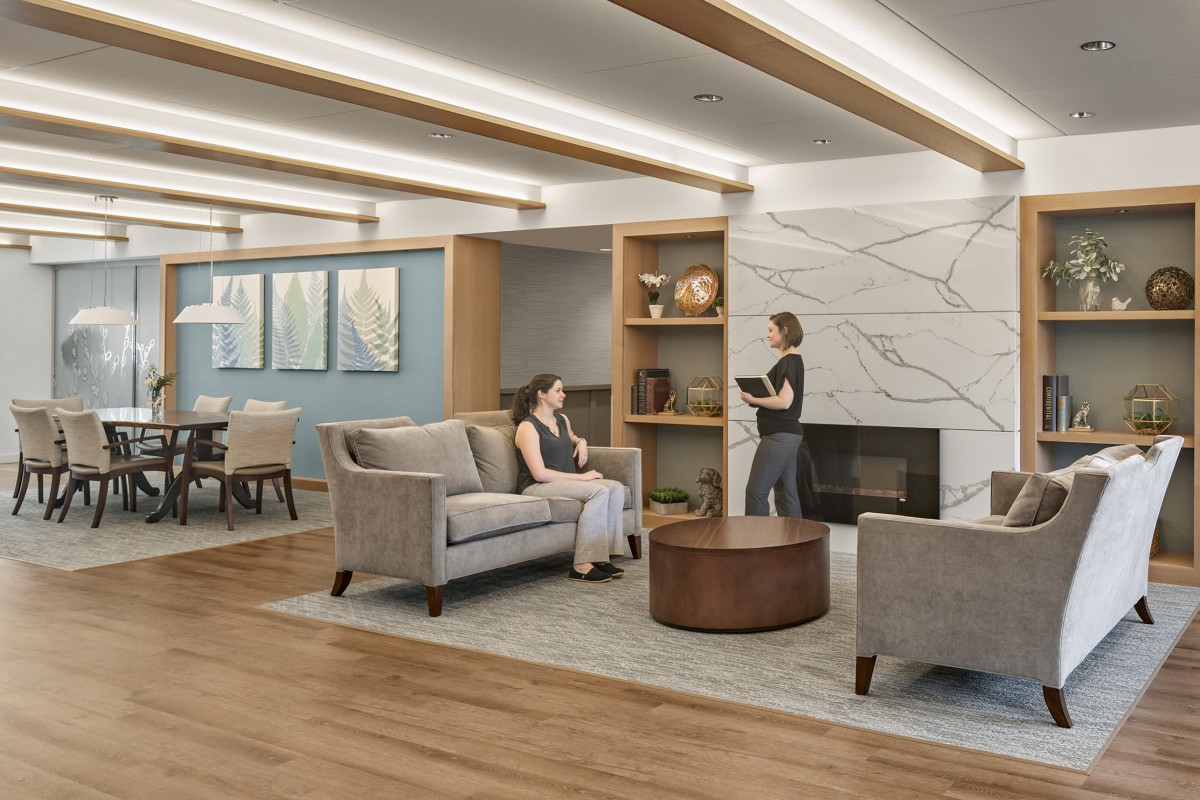
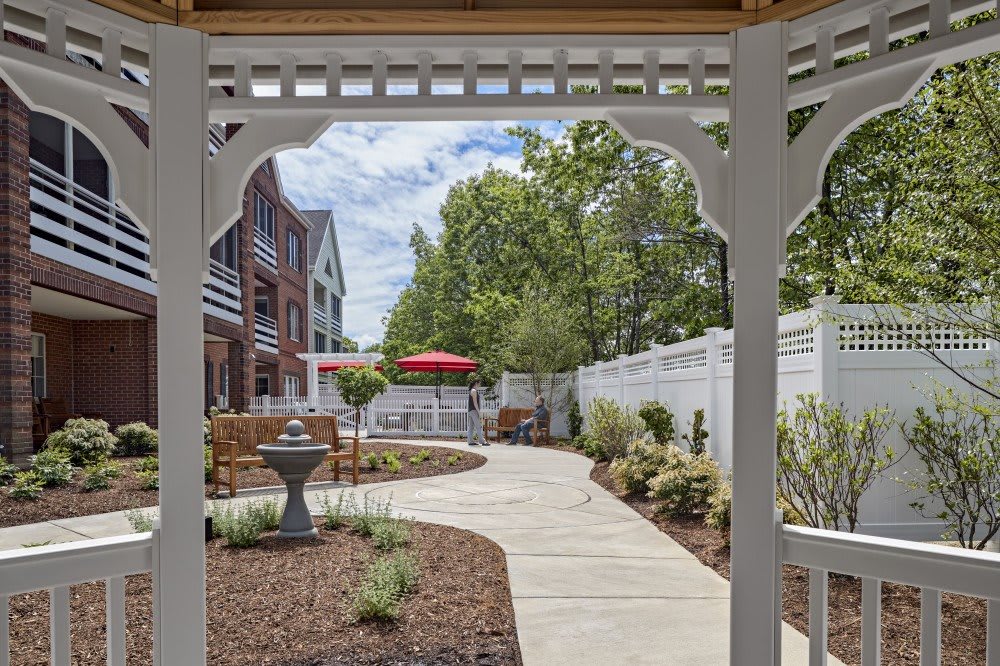
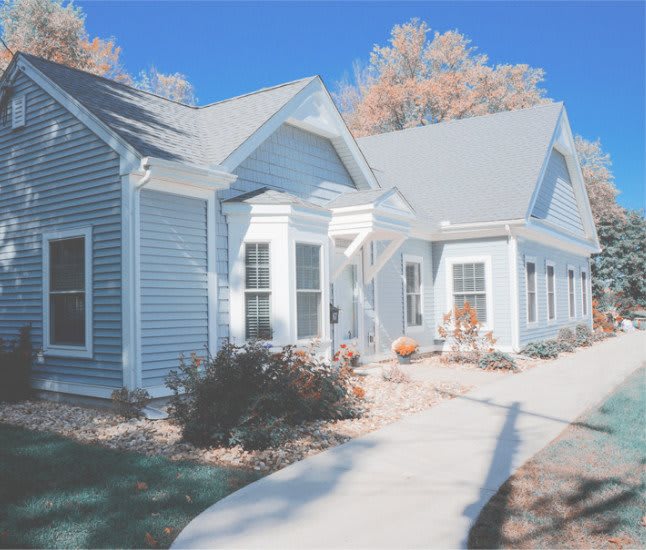
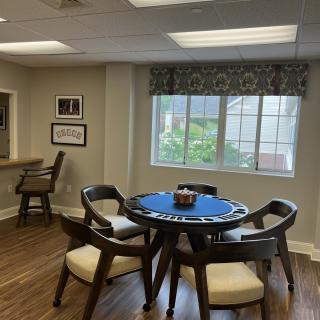
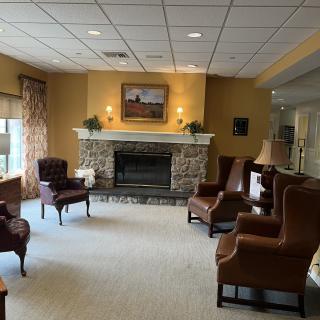
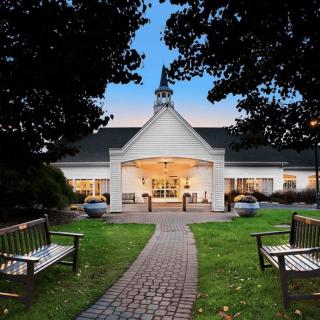
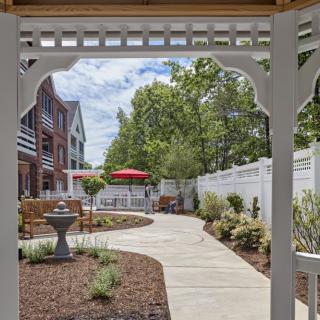
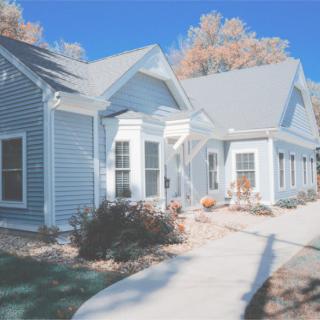
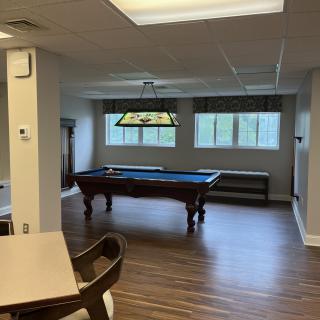
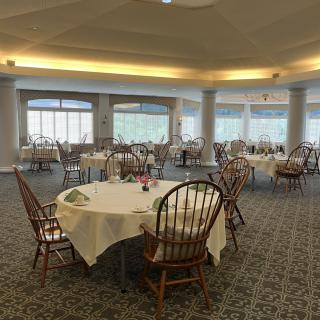
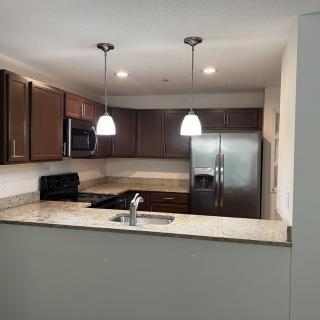
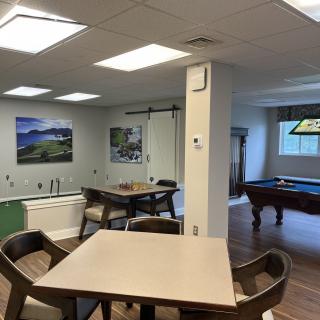
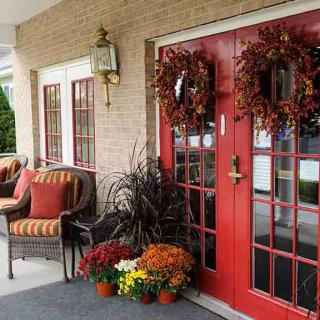
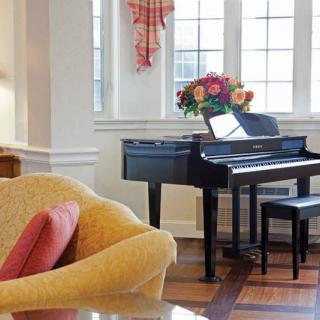
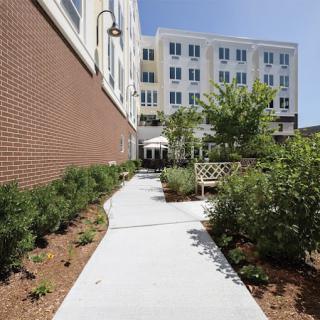
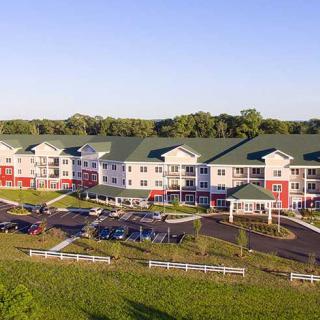
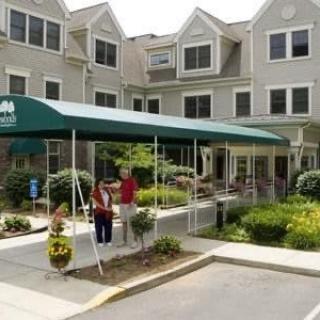
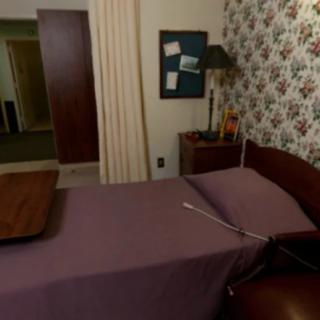
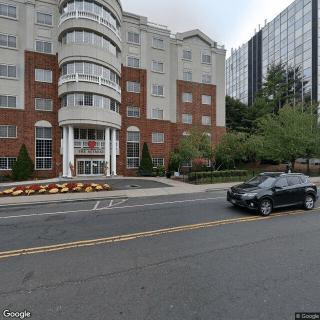
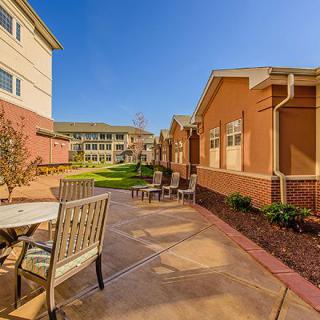
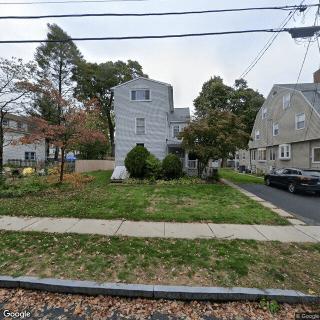
Avery Heights on seniors.fyi includes 16 photos including images showing interior, windows, seating area, architecture, landscaping, game room, fireplace, decor, and more.
Nearby Communities
Maple Leaf Manor
Hartford, CT
3 from 4 reviews
Cozy, fully furnished rooms with personalized care, diabetes-friendly meals, and medical-appointment transportation.
American Homemakers & Companions
West Hartford, CT
4.8 from 20 reviews
Convenient access to dining, parks, pharmacies, and medical facilities nearby.
Juniper House Homecare
West Hartford, CT
4.9 from 27 reviews
Caring staff, fresh meals, and engaging activities.
Griswold Home Care
West Hartford, CT
4.9 from 102 reviews
Strong access to nearby amenities and healthcare services.
Quaker Green
West, CT
3.7 from 3 reviews
Personalized care (meal prep and medication management) with tailored dining options.
Trinity Hill Care Center
Hartford, CT
2.6 from 40 reviews
Extensive on-site amenities and services (salon, dining in restaurant-style setting, fitness and wellness programs, transportation, library, computer center) plus 24/7 supervision and medication management.
The Retreat
Hartford, CT
3.7 from 6 reviews
Specialized diabetic care and on-site activities
Brookdale Chatfield
West Hartford, CT
4.3 from 82 reviews
$3,455 to $6,350 / month
Friendly, caring staff in a clean, home-like environment.
Tracy Manor II
West Hartford, CT
4.1 from 8 reviews
$1,600 / month
Affordable private-room option with diabetic care and easy access to medical services, transportation, and local amenities.
Transitioning from assisted living to memory care is driven by an individual's cognitive decline and specific needs, requiring careful evaluation of indicators like increased confusion and wandering. The process involves consulting medical professionals, researching suitable communities, considering financial and legal aspects, and ensuring effective communication for personalized care plans.
The article differentiates between assisted living and memory care, explaining that assisted living supports seniors with daily activities while promoting independence, whereas memory care provides specialized services for individuals with dementia, focusing on secure environments and cognitive support. It also addresses staff training, safety considerations, costs, family involvement, and transition strategies for families navigating these care options.
The article outlines effective communication strategies for interacting with loved ones with dementia, highlighting the need for empathy, patience, and understanding while emphasizing supportive approaches like using simple language, minimizing distractions, and focusing on feelings over facts to maintain dignity and foster connection. It also suggests seeking professional guidance when needed as communication challenges evolve.
Table And Chairs, Indoor Lighting, and Recreation Room
Pendant Lights
Walkway
Lighting Fixture
Get PricingAsk A QuestionSchedule A TourContact Senior Advisor
By clicking submit, you agree to our Partner's Terms of Use. You
also consent to receive calls and texts, which may be autodialed, from our Partner. Your consent is not a condition to
using our Partner's service. Please visit our Partner's Privacy Policy for information about their privacy practices.


 199 resident community capacity
 1-bedroom apartments
 Detached homes
 Assisted Living
 Independent Living
 Memory Care
 Skilled Nursing Facility
 Cats allowed
 Dogs allowed
 Activities off-site
 Air-conditioning
 Bath tubs
 Beautician on-site
 Cable or satellite TV
 Computer center
 Devotional services off-site
 Dining room
 Financing advice
 Fitness room
 Full kitchen
 Fully furnished
 Gaming room
 Garden
 General store
 Guest parking
 Housekeeping services
 Indoor common areas
 Laundry
 Move-in coordination
 Outdoor common areas
 Overnight guests
 Party space
 Private bathrooms
 Respite or short term stays offered
 Restaurant-style dining
 Small library
 Swimming pool
 Telephone
 Wellness center
 Wheelchair accessible showers
 Wi-Fi/high-speed internet available
 Bradley International (15 miles away)
 Community operated transportation
 12-16 hour nursing
 24-hour call system
 Ambulatory care
 Assistance with bathing
 Assistance with dressing
 Assistance with transfers
 Companion care
 Diabetes diet
 Diabetic care
 High acuity care
 Hospice care
 Incontinence care
 Medication management
 Mental wellness program
 Physical therapy
 Psychiatric care
 Special dietary restrictions
 Art classes
 Book club
 Brain fitness
 Concierge services
 Cooking club
 Day trips and outings
 Educational speakers / life long learning
 Games
Games Happy hour
 Karaoke
 Live dance or theater performances
 Live musical performances
 Wii bowling
 English
 Cozy, fully furnished rooms with personalized care, diabetes-friendly meals, and medical-appointment transportation.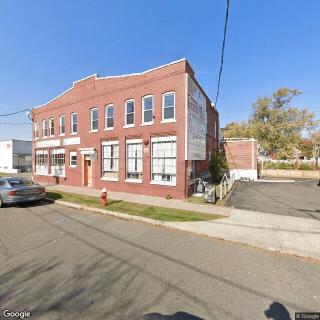
 When to Transition from Assisted Living to Memory Care: Key Indicators, Steps, and Finding the Right Community
 Understanding the Distinctions: Assisted Living and Memory Care Explained
 How to Communicate with a Loved One Living with Dementia: 10 Supportive Strategies