

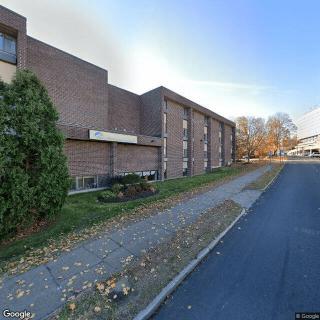
48 Newtown Rd, Danbury, CT 06810
To contact a resident: (203) 748-9028
For more information about senior living options: (866) 208-4318
Overall Review of Live-Ins For The Elderly
Pros
 The caregiver who worked with them was extremely helpful, compassionate, professional, and kind.
- Miso was a wonderful caregiver.
- Adisha came to the mom's house and has worked tirelessly to provide a safe and clean environment for the mother; she was immediately accepted as a member of the family.
- Silba is a compassionate, attentive, and easygoing caregiver.
- Grace was described as absolutely wonderful and a perfect match for her patient.
- Elderly Caregivers has provided wonderful care for the mother.
- The depth of experience and professional attention provided by Elderly Caregivers is valuable.
Cons
 The reviewer described the service as terrible.
- The caregiver arrived three hours late, which was totally unacceptable.
- The caregiver seemed unhappy and had little interest in being there.
- The caregiver reportedly lacked any techniques to handle a dementia patient.
- The caregiver allegedly called at 9 pm to say the patient was in the basement and couldn't be brought back upstairs, and later said she would be leaving in the morning as a waste of her gas.
- The overall experience was an absolute nightmare from start to finish.
Review
This Danbury-based live-in care service is best suited for families wanting uninterrupted, at-home support for a loved one who can remain in familiar surroundings but needs round-the-clock assistance. It serves well when needs include daily tasks, meal preparation, light medical coordination, transportation to appointments, and consistent supervision for someone navigating recovery or early to moderate dementia. The overall impression from the reviews is that, when a compatible caregiver is in place, the arrangement can deliver genuine peace of mind, clarity of communication, and dependable coverage that keeps a household functioning and a senior safe.
However, this option may not be ideal for every family. Those requiring strict nursing-level medical oversight or highly standardized dementia protocols may prefer in-home registered nursing services or a traditional assisted living setting where clinical staffing and escalation procedures are built in. Similarly, households that prize uniform caregiver teams or absolute punctuality, without exceptions, may encounter frustrations if a single caregiver cannot consistently meet expectations. For families facing complex medical regimes, high-risk behavioral issues, or a preference for fixed-location, facility-based care, exploring alternatives is prudent.
The strongest positives center on exceptional caregiver qualities, quick responsiveness, and mindful partnership with families. Several reviews spotlight caregivers who are compassionate, capable, and attentive to both practical needs and emotional comfort. The agency is praised for stepping in during urgent transitions, such as post-hospital discharge or rehab recoveries, and for matching caregivers who fit the patient’s personality and routines. Offloading coordination of doctor visits, errands, and housework to a trusted live-in caregiver often yields tangible relief for anxious relatives, enabling them to focus on their own obligations while knowing someone capable is watching over the loved one.
Yet the record isn’t flawless. There are clear outliers where service did not meet expectations: a caregiver arriving hours late, difficulties handling dementia behavior, and instances of caregivers signaling they would depart before coverage was secured. Several reviews call for stronger screening, better dementia-specific training, and more rigorous alignment between the patient’s needs and the caregiver’s skillset. Continuity can suffer when a preferred caregiver ends up unavailable or when the care team shifts, and some families report navigating a challenging process to secure appropriate medical guidance beyond basic support. These gaps remind that success hinges on careful caregiver selection, clear expectations, and robust backup plans.
The key to translating the strengths into sustained outcomes lies in proactive management. Families should insist on a clearly defined primary caregiver with documented dementia and crisis-management competencies, plus a dependable secondary backup who can step in without disruption. Demand a formal caregiver profile and trial period to ensure personality and routines align, and require ongoing supervisor check-ins to catch drift early. Full cost and service outlines should cover emergency coverage, transportation, and medication management, with explicit escalation paths if care falters. When these guardrails are in place, the agency’s core advantages, compassion, responsiveness, and personalized pairing, tend to outweigh the risks of occasional misfires.
Bottom line: for families committed to keeping a loved one at home with continuous, personalized support, this live-in option in Danbury is a strong partner. It frequently delivers the practical reliability and caregiver empathy that translate into real daily stability and peace of mind. The decision rests on accepting a variable caregiver ecosystem, tempered by disciplined matchmaking and firm oversight. If nursing-level care or a fixed, facility-based environment isn’t essential, and the priority is to preserve independence, comfort, and home familiarity, this service warrants serious consideration. For those who require unwavering clinical oversight or the predictability of a staffed community, alternatives deserve evaluation alongside a detailed plan for caregiver continuity and backup coverage.





 Engaging Brain Games and Innovative Apps to Keep Senior Minds Active
 Effective Strategies for Keeping Seniors' Minds Active: A Deep Dive into Brain Games and Apps
 In-Depth Look at the VA Aid and Attendance Program