The costs for living in Gardens present a compelling option when compared to the broader pricing landscape of Fairfield County and the state of Connecticut. For a semi-private room, Gardens charges $4,000 per month, which is significantly lower than both the county average of $6,677 and the state average of $5,829. Similarly, in terms of studio apartments, Gardens' rate of $5,400 is quite competitive against Fairfield County's $6,159 and Connecticut's $5,919. Lastly, even for a one-bedroom apartment, Gardens maintains a favorable position at $6,300 compared to county and state averages of $6,418 and $6,383 respectively. This trend suggests that choosing Gardens not only offers quality accommodations but also a more budget-friendly alternative within an otherwise expensive area.
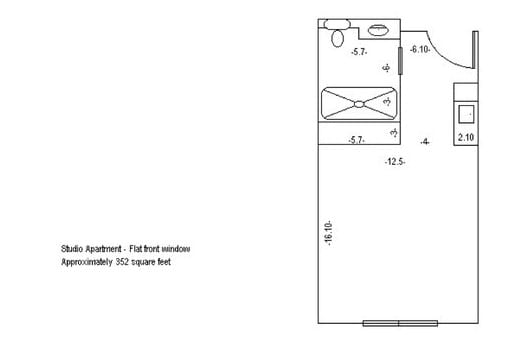
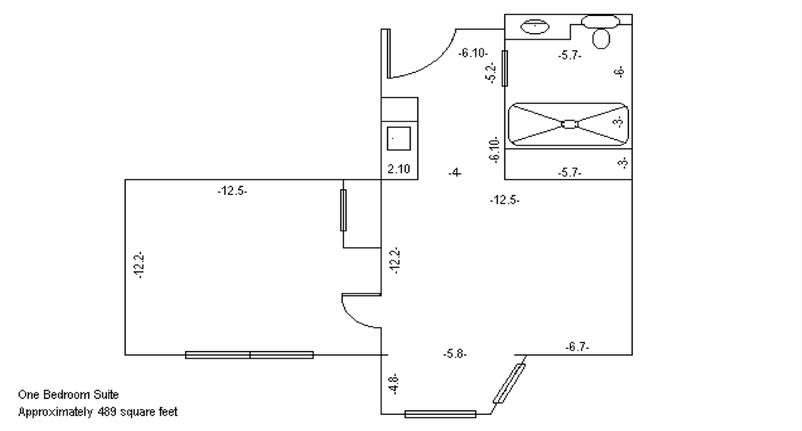
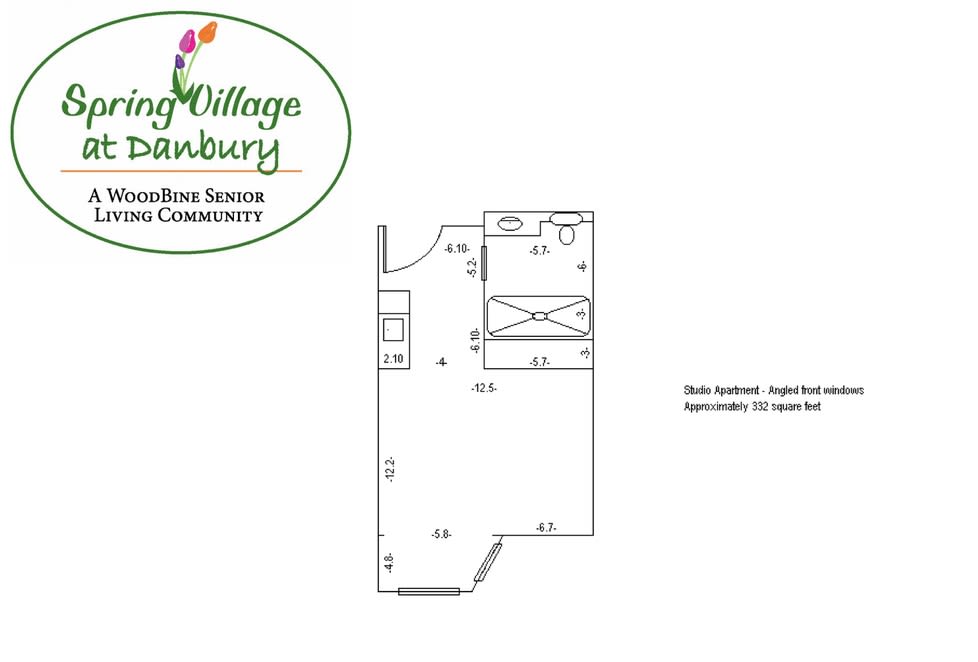
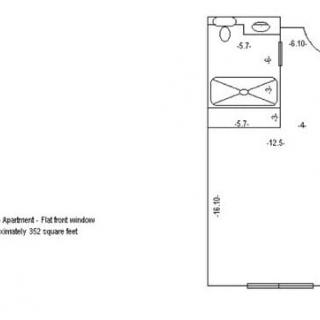
Floor plans
Gardens
Fairfield County
Connecticut
Semi-Private
$4,000
$6,677
$5,829
Studio
$5,400
$6,159
$5,919
1 Bedroom
$6,300
$6,418
$6,383
Memory care communities with a similar price nearby
Residents and families consistently describe kind, attentive care from the team.
Across reviews, families repeatedly say the staff is caring, kind, and responsive, with caregivers who take time to know residents as individuals. Several reviewers also mention that communication is usually accessible and that the team stays engaged with both residents and families. A few reviews note moments of inconsistency or the need for self-advocacy, but the overall tone centers on people who show up with compassion.
differentiator
Dementia care and nursing attention
Families describe strong support for residents with dementia and higher care needs.
Multiple reviews reference dementia care and describe nurses and caregivers working closely with residents’ changing needs, including Lewy body dementia and agitation. Residents and families also mention nursing staff being devoted and attentive, and that medication and care are handled with extra focus when difficulties arise. The experience isn’t described as flawless—some reviewers report caregiver or medication issues early on—but others say those concerns improved over time.
differentiator
Dining quality has clear highs
Dining stands out for many residents, including customized options.
Many reviewers praise the meals as tasty, home-cooked, or fantastic, and some specifically mention accommodating dietary needs. Several families describe the dining experience as part of daily quality, with residents enjoying what’s served. There are also a couple of contrary comments—one calls the food terrible—so dining satisfaction appears to vary by person and situation.
common
Value and affordability vs care
Reviews frequently mention affordability and good value for the level of care.
Families commonly frame the community as a value, mentioning affordability compared with other options they considered and feeling they got more for their money. The pricing offered across unit types also sits below county and state benchmarks in the provided price ranges. While cost is often discussed positively, at least one reviewer suggests that the apartment experience may differ from expectations.
caveat
Care routines and communication vary
Some reviews flag staffing, cleanliness upkeep, or communication inconsistencies.
A few reviewers describe challenges such as nursing staff being short-handed or communication not meeting expectations, and one review advises only choosing if you can advocate. Others mention needing to request more frequent cleaning, or cite inconsistencies with caregivers and confused communications. Even with these concerns, several families still report overall well-cared-for experiences and say issues can be addressed with the team.
How we summarize
We summarize when many written reviews mention each theme; a review can touch several themes, and only frequently mentioned themes are displayed.
Features
Housing
57 resident community capacity
1-bedroom apartments
Studio apartments
Types of Care
Assisted Living
Board and Care Home
Memory Care
Pets
Cats allowed
Dogs allowed
Amenities
Activities off-site
Activities on-site
Air-conditioning
Beautician on-site
Beauty salon
Cable or satellite TV
Computer center
Devotional services on-site
Dining room
Fitness room
Fully furnished
Gaming room
Garden
Ground floor units
Handicap accessible
Housekeeping services
Indoor common areas
Kitchenette
Move-in coordination
Outdoor common areas
Outdoor space
Private bathrooms
Respite or short term stays offered
Restaurant-style dining
Small library
Telephone
Wellness center
Wheelchair accessible showers
Wi-Fi/high-speed internet available
Transportation
Community operated transportation
Transportation arrangement
Care Services
24-hour call system
24-hour supervision
Activities of daily living assistance
Ambulatory care
Assistance with bathing
Assistance with dressing
Assistance with transfers
Diabetes diet
Diabetic care
High acuity care
Incontinence care
Meal preparation and service
Medication management
Special dietary restrictions
Dining
Diabetes diet
Gluten-free
Guest meals
International cuisine
Low / no sodium
Meals provided
No Sugar
Organic
Professional chef
Restaurant style dining
Room service
Special dietary restrictions
Special dining programs
Vegan
Vegetarian
Activities
Art classes
Catholic services
Community-sponsored activities
Concierge services
Cooking classes
Day trips and outings
Devotional activities on-site
Educational speakers / life long learning
Fitness programs
Happy hour
Jewish services
Karaoke
Live well programs
Planned day trips
Protestant services
Resident-run activities
Scheduled daily activities
Visiting Rabbi
Visiting chaplain or priest
Languages Spoken
English
Nearby Places of Interest
This section of Danbury, Connecticut offers a convenient location with easy access to various amenities such as healthcare providers like Advanced Dermcare and Western Connecticut Medical Group, Danbury Hospital, pharmacies like CVS Pharmacy and Walgreens, as well as transportation options including U-Haul Moving & Storage and the Bethel Metro-North Station. There are also several parks nearby such as Hatters Park and Danbury Town Park for leisurely activities. Additionally, there are a variety of dining options ranging from fast food establishments like McDonald's and Taco Bell to local diners and delis like Elmer's Diner and Capers, too! Deli & Catering. Overall, this area provides a mix of essential services, recreational opportunities, and dining choices making it a potentially desirable location for senior living.
Physicians
Advanced Dermcare (0.2 miles)
Western Connecticut Medical Group (0.6 miles)
Zied Michael Taweh (0.6 miles)
Opticare Eye Health & Vision Center (0.7 miles)
Greater Danbury Health CT (0.7 miles)
Connecticut Neck & Back Specialists (0.7 miles)
Quality Dental of Danbury (0.7 miles)
Parks
Hatters Park (0.4 miles)
Danbury Town Park (0.7 miles)
Rogers Park (2.2 miles)
Tarrywile Mansion (2.4 miles)
Parloa Park (3.5 miles)
Collis P. Huntington State Park (7.4 miles)
Harrybrooke Park (8.6 miles)
Cafes
Starbucks (0.5 miles)
Starbucks (1.8 miles)
Starbucks (4.1 miles)
Starbucks (8.8 miles)
Restaurants
McDonald's (0.5 miles)
Elmer's Diner (0.6 miles)
Capers, too! Deli & Catering (0.6 miles)
Atlantic Restaurant (0.9 miles)
Full Belly Deli (0.9 miles)
Taco Bell (1 miles)
Denny's (1.7 miles)
Hospitals
Danbury Hospital (0.7 miles)
Danbury Hospital Business Office (2.8 miles)
Pharmacies
CVS Pharmacy (0.7 miles)
Main Street Pharmacy (1.5 miles)
Super Stop & Shop (1.7 miles)
Walgreens (1.7 miles)
Walgreens (1.9 miles)
CVS Pharmacy (2 miles)
Compassionate Care Center of CT (2.6 miles)
Transportation
U-Haul Moving & Storage of Danbury (1.7 miles)
Bethel Metro-North Station (3.1 miles)
Places of Worship
St Joseph's Church (4.7 miles)
Church of Jesus Christ of Latter Day Saints (5.1 miles)
The costs for living in Gardens present a compelling option when compared to the broader pricing landscape of Fairfield County and the state of Connecticut. For a semi-private room, Gardens charges $4,000 per month, which is significantly lower than both the county average of $6,677 and the state average of $5,829. Similarly, in terms of studio apartments, Gardens' rate of $5,400 is quite competitive against Fairfield County's $6,159 and Connecticut's $5,919. Lastly, even for a one-bedroom apartment, Gardens maintains a favorable position at $6,300 compared to county and state averages of $6,418 and $6,383 respectively. This trend suggests that choosing Gardens not only offers quality accommodations but also a more budget-friendly alternative within an otherwise expensive area.
The presence of 24-hour supervision ensures that residents receive continuous support and safety, which is crucial for those navigating the challenges of dementia or Alzheimer's disease. Assistance with activities of daily living, such as bathing and dressing, promotes personal dignity while addressing the physical limitations that may arise in advanced stages of these conditions. Support during transfers helps prevent falls and enhances mobility, fostering a sense of independence. Comprehensive incontinence care alleviates discomfort and stress, contributing to overall well-being. Meal preparation and service are vital not only for nutritional needs but also for creating structured routines, which can be calming and comforting to residents. Finally, effective medication management minimizes the risk of errors and ensures adherence to prescribed therapies, ultimately helping to maintain health stability amid cognitive decline. Together, these features provide a holistic approach that addresses both the physical and emotional needs of individuals with dementia or Alzheimer's disease.
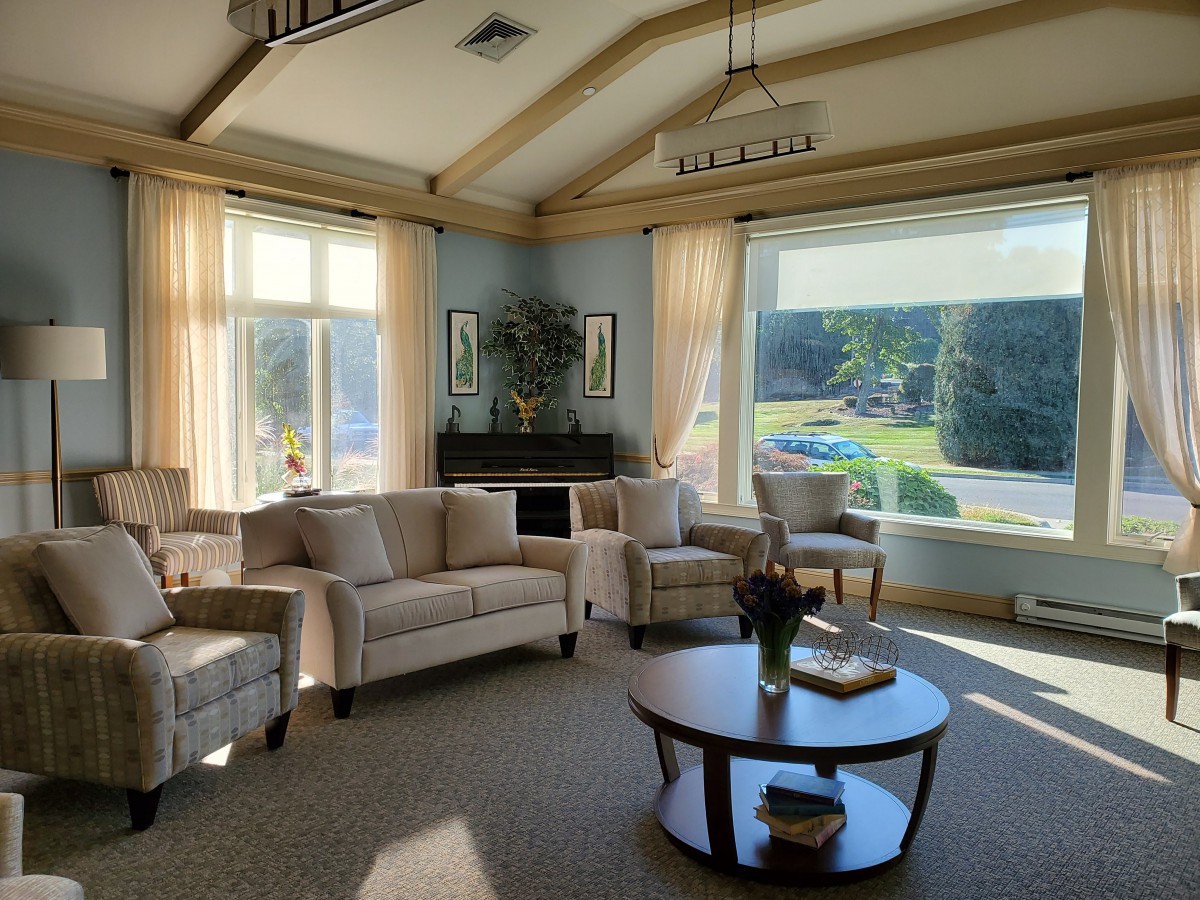
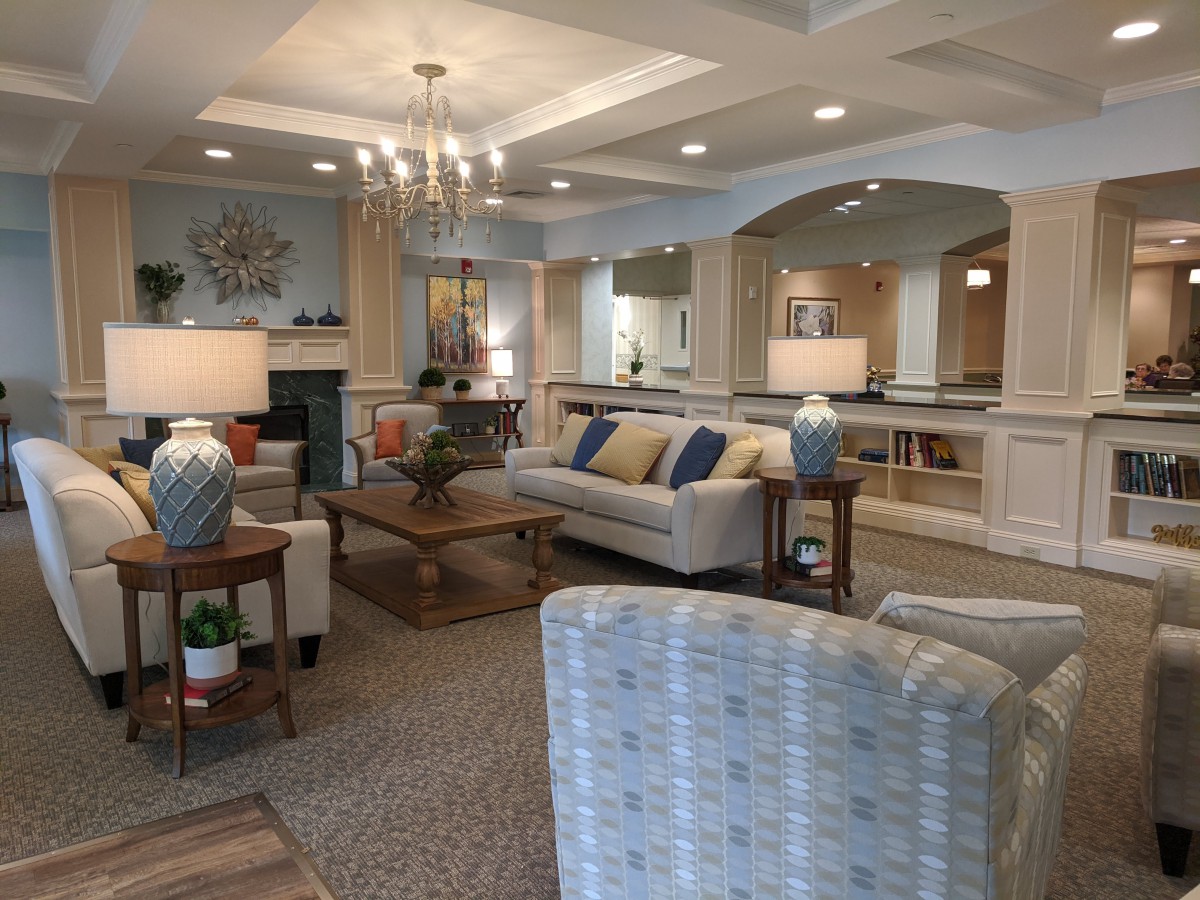
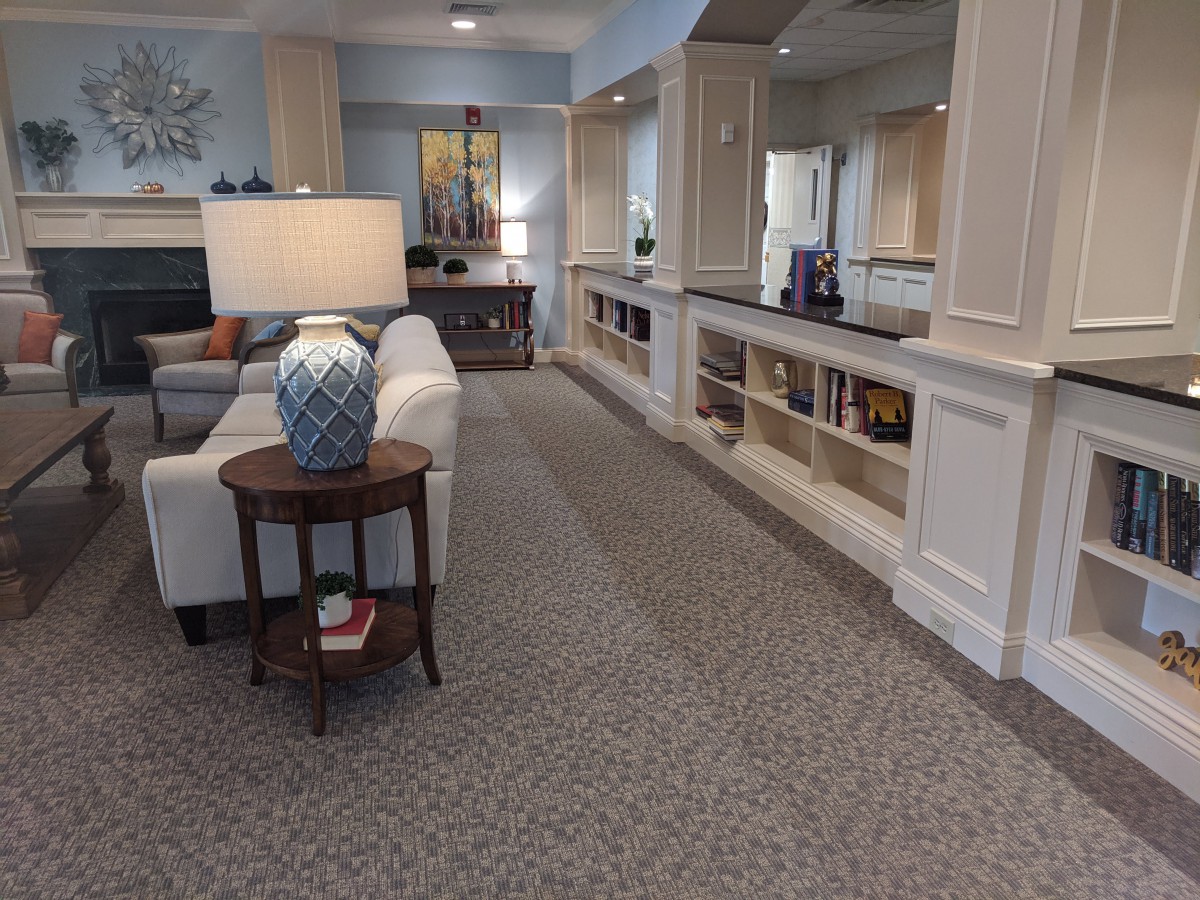
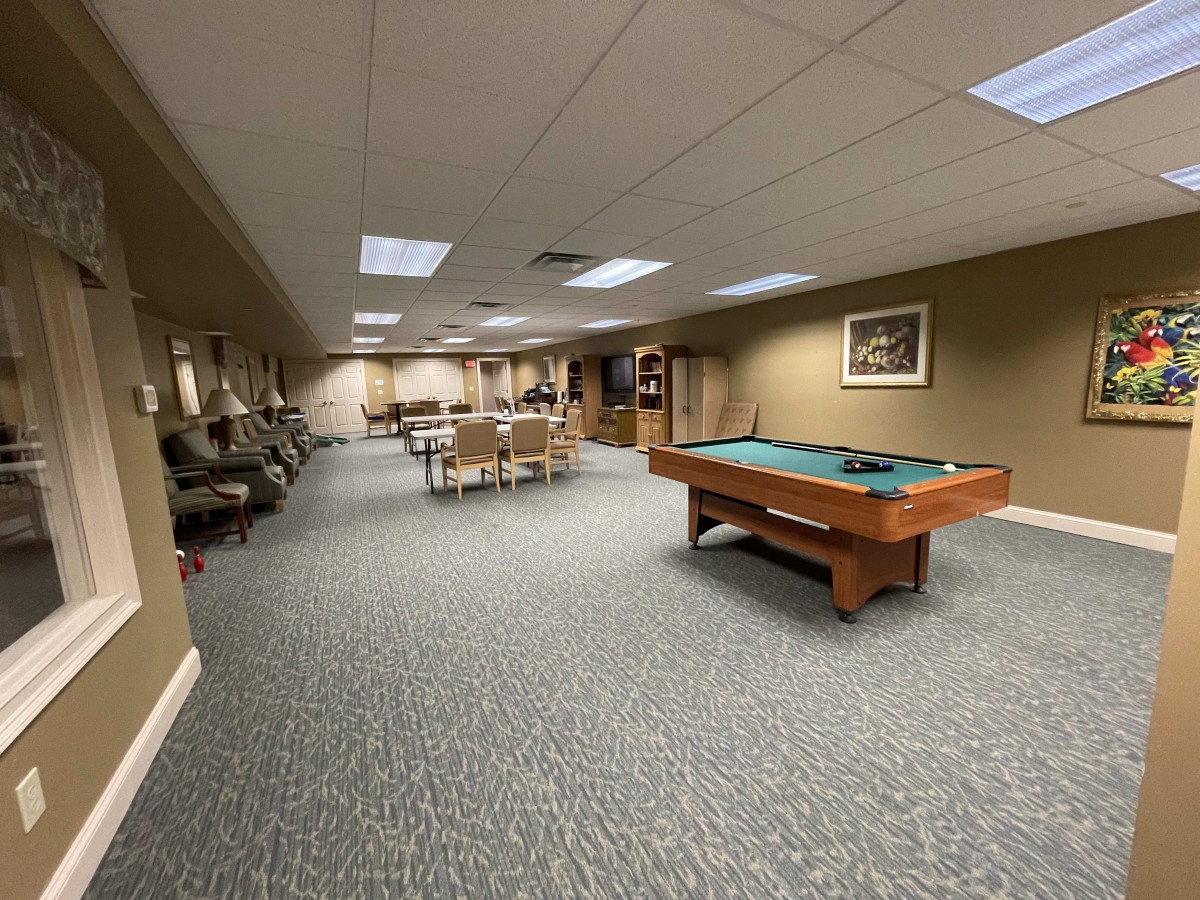
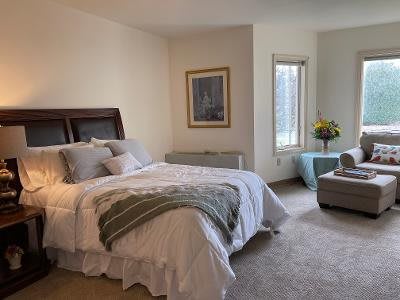
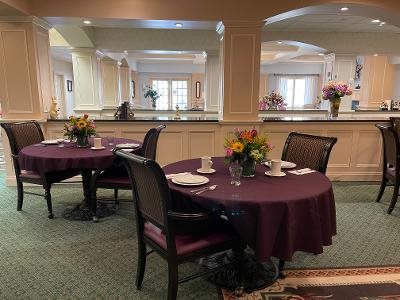
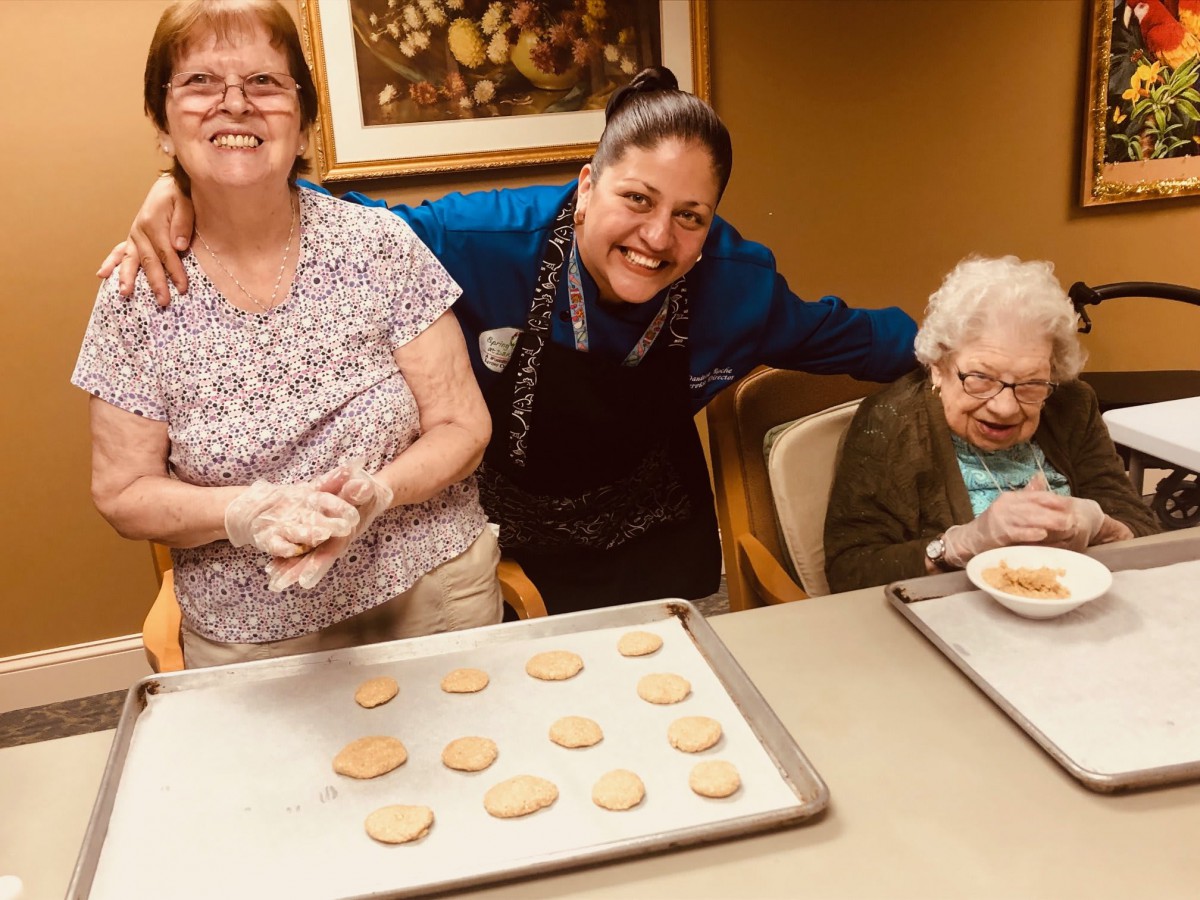
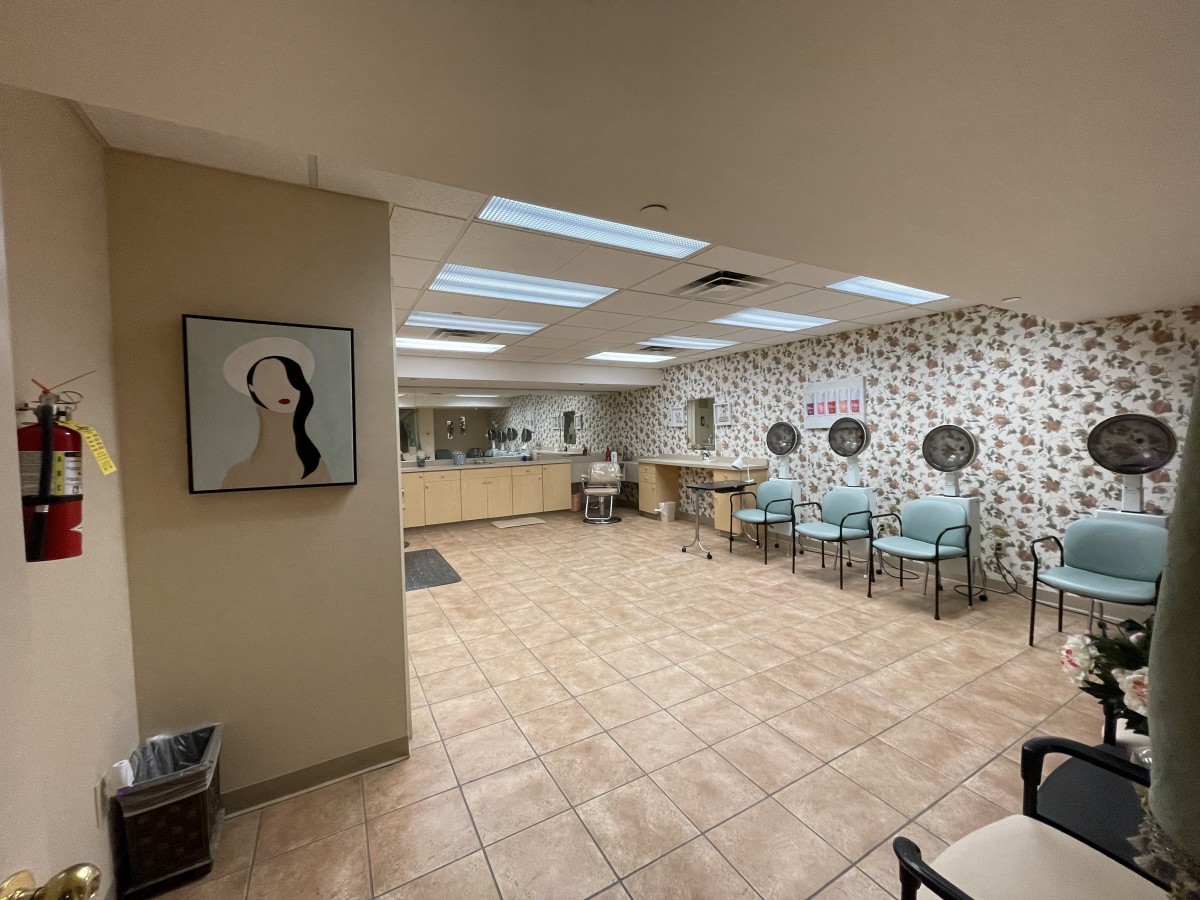
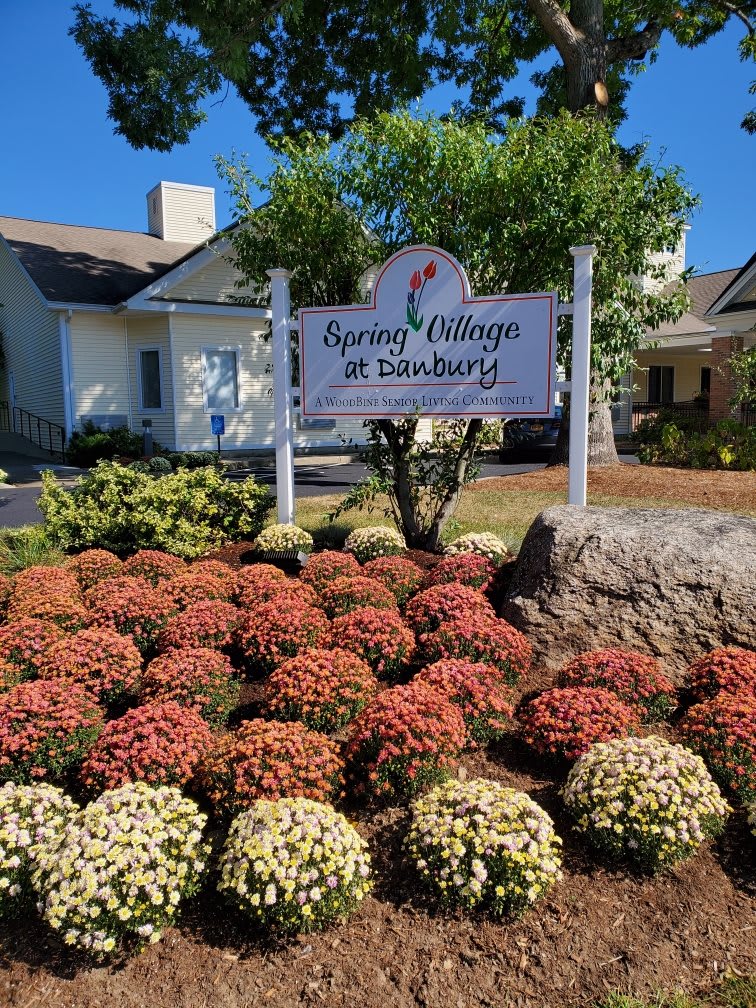
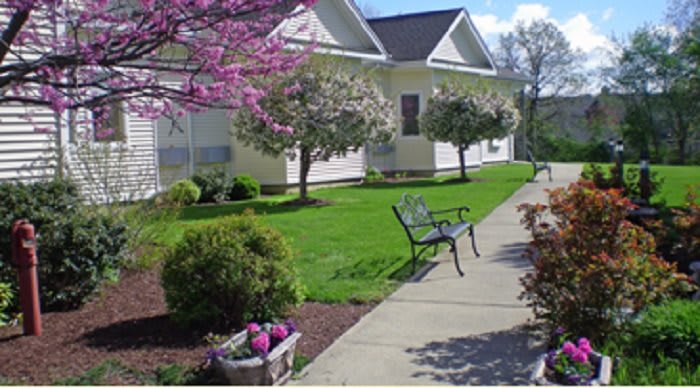
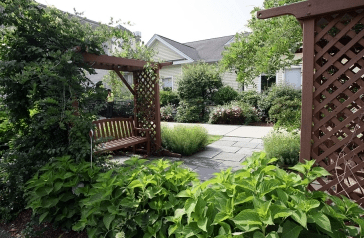
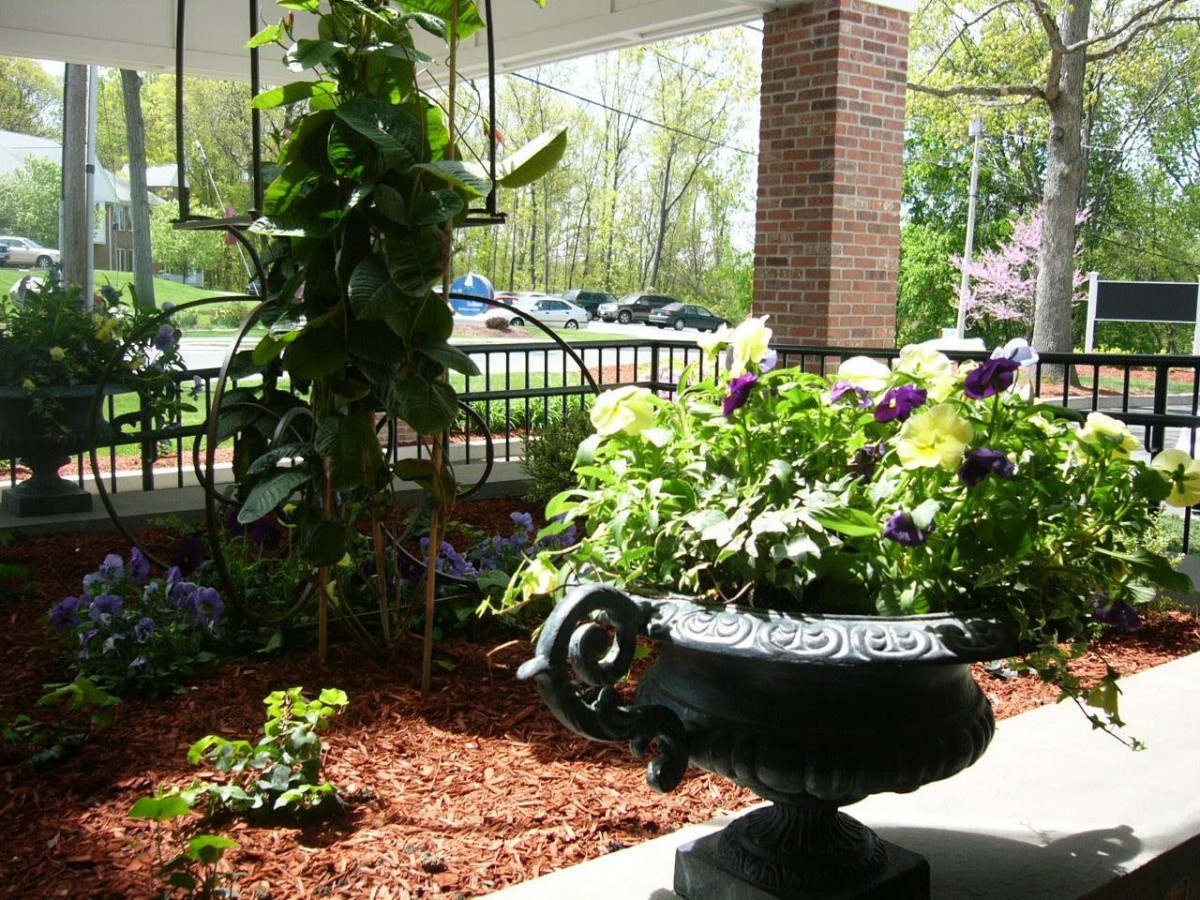
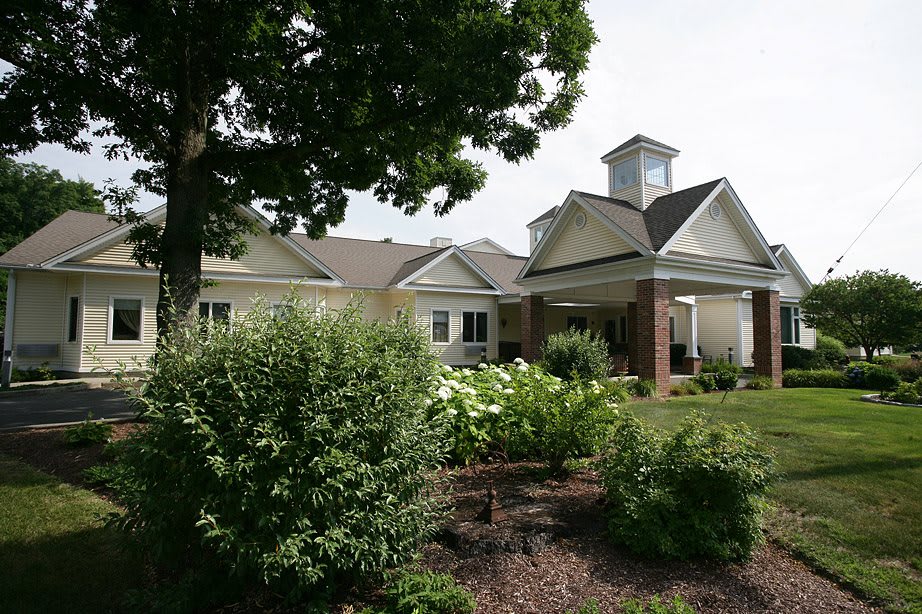
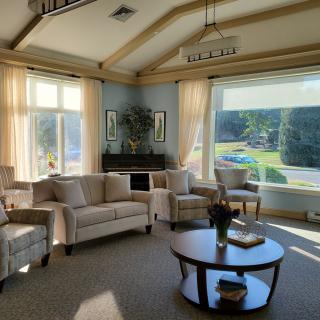
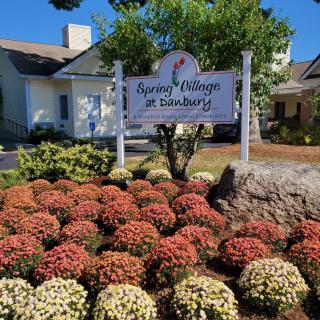
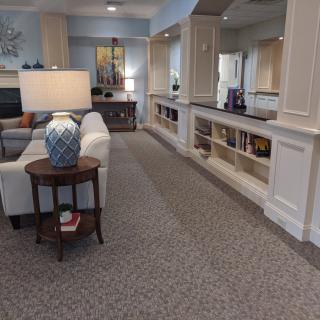
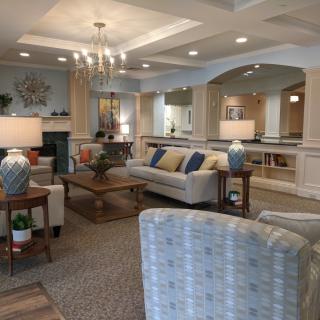
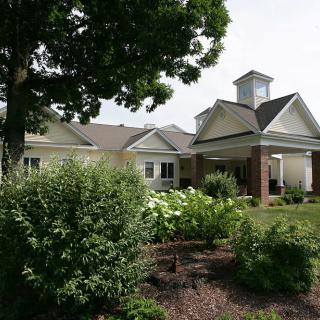
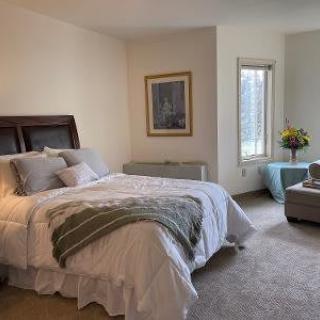
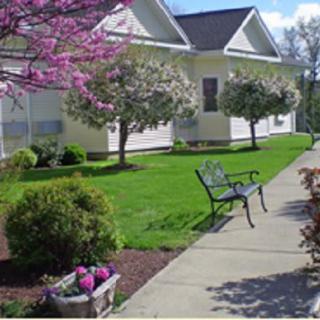
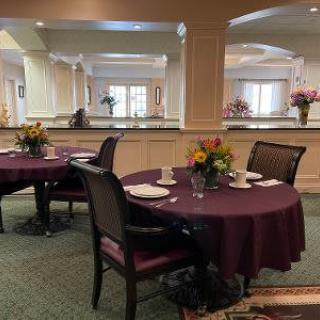
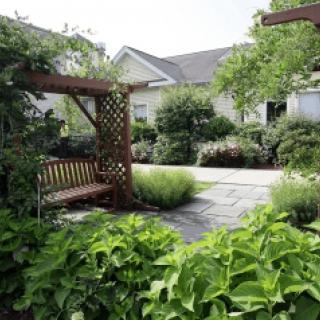
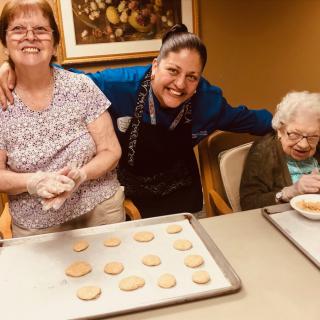
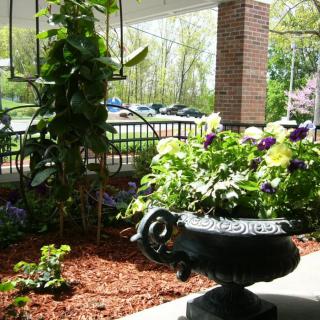
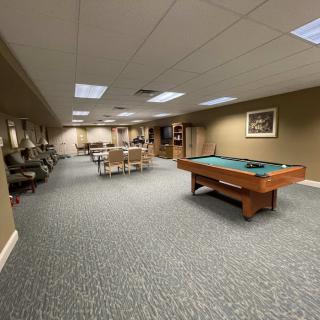
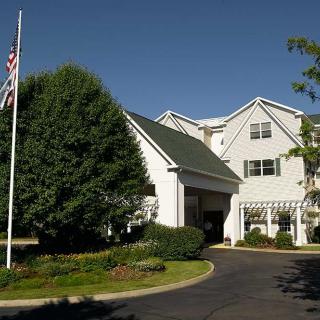
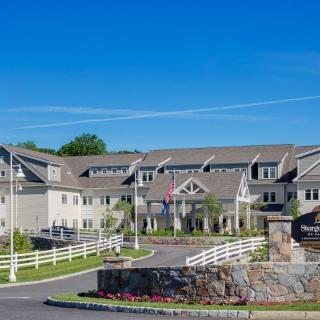
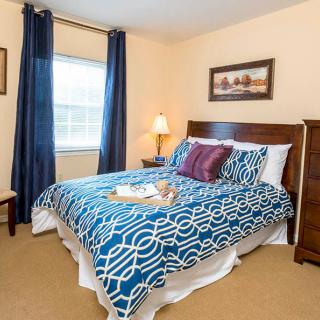
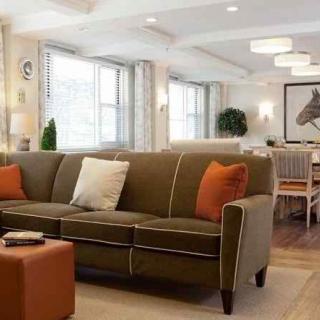
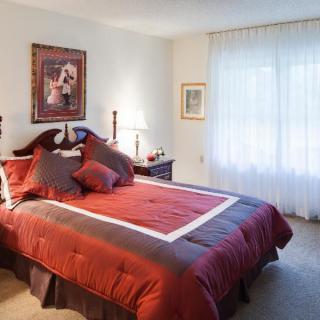
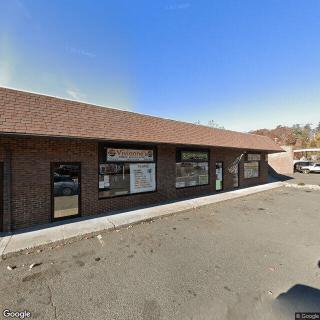
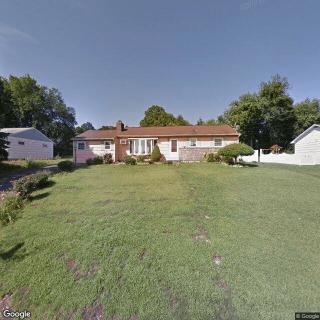
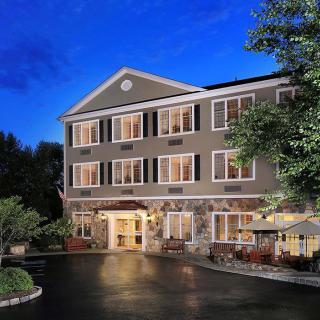
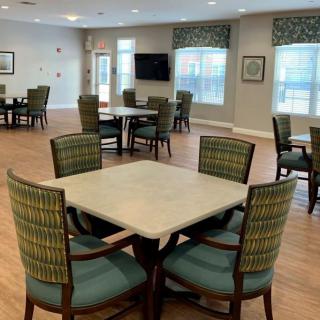
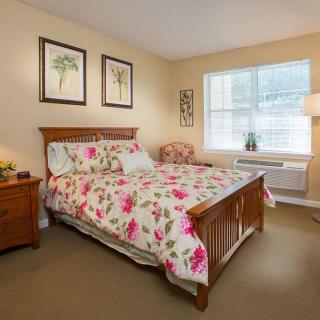
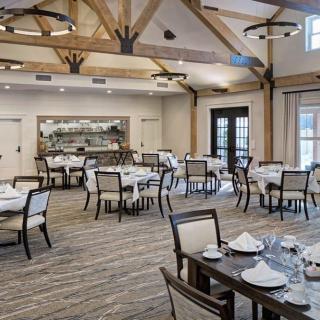
Gardens on seniors.fyi includes 19 photos including images showing floor plan, interior, landscaping, garden, living room, windows, decor, architecture, and more.
Nearby Communities
Glen Hill Center
Danbury, CT
4.2 from 113 reviews
Caring staff and strong therapy in a clean, home-like setting.
Glen Crest
Danbury, CT
4.8 from 33 reviews
$3,239 to $4,141 / month
Strong community feel with caring staff, excellent dining, and abundant activities.
Glen Crest - An Independent Living Community
Danbury, CT
4.6 from 21 reviews
Bright, spacious apartments with excellent dining and friendly staff.
Home Sweet Home Care, Inc
Danbury, CT
4.8 from 15 reviews
Warm, welcoming assisted living with convenient access to amenities, healthcare, and nature.
Dementia often results in disrupted sleep patterns, leading to excessive daytime sleeping due to factors like brain damage affecting circadian rhythms, medication side effects, and lack of structure in daily activities. Caregivers must monitor these changes closely, as oversleeping can increase risks such as malnutrition or dehydration, and provide necessary support and routines to enhance patient engagement and well-being.
The transition from assisted living to skilled nursing care is often prompted by complex medical needs that assisted living cannot meet, with key indicators including frequent health declines, increased falls, severe memory issues, and caregiver burnout. Families should recognize these signs early to discuss options with healthcare providers and prepare for the emotional and logistical aspects of moving to a facility that offers comprehensive medical support.
Dementia is characterized by cognitive decline, with nutrition playing a vital role in brain health; while no specific diet can prevent or reverse it, a nutrient-dense diet rich in antioxidants and healthy fats may support cognitive function. The MIND diet, which emphasizes beneficial foods and limits processed items, along with proper hydration and individualized meal strategies, can enhance the well-being of dementia patients.
Architectural Drawing, Room Layout, and Apartment Design
Room Design
Get PricingAsk A QuestionSchedule A TourContact Senior Advisor
By clicking submit, you agree to our Partner's Terms of Use. You
also consent to receive calls and texts, which may be autodialed, from our Partner. Your consent is not a condition to
using our Partner's service. Please visit our Partner's Privacy Policy for information about their privacy practices.




 57 resident community capacity
 1-bedroom apartments
 Assisted Living
 Board and Care Home
 Memory Care
 Cats allowed
 Dogs allowed
 Activities off-site
 Air-conditioning
 Beautician on-site
 Cable or satellite TV
 Computer center
 Devotional services on-site
 Dining room
 Fitness room
 Fully furnished
 Gaming room
 Garden
 Ground floor units
 Handicap accessible
 Housekeeping services
 Indoor common areas
 Kitchenette
 Move-in coordination
 Outdoor common areas
 Private bathrooms
 Respite or short term stays offered
 Restaurant-style dining
 Small library
 Telephone
 Wellness center
 Wheelchair accessible showers
 Wi-Fi/high-speed internet available
 Community operated transportation
 24-hour call system
 Ambulatory care
 Assistance with bathing
 Assistance with dressing
 Assistance with transfers
 Diabetes diet
 Diabetic care
 High acuity care
 Incontinence care
 Medication management
 Special dietary restrictions
 Art classes
 Catholic services
 Concierge services
 Cooking classes
 Day trips and outings
 Educational speakers / life long learning
 Happy hour
 Jewish services
 Karaoke
 English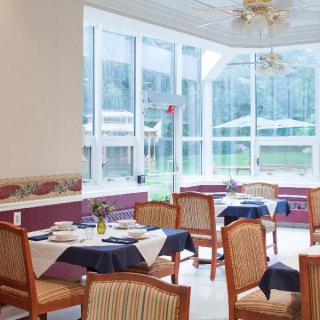
 Caring staff and strong therapy in a clean, home-like setting.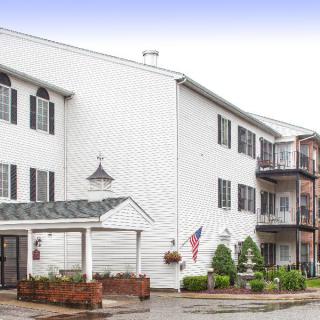
 Why Do Dementia Patients Sleep So Much? Understanding Oversleeping, Stages, and Care Approaches
 8 Key Indicators That Suggest It May Be Time to Transition from Assisted Living to Skilled Nursing Care
 Nourishing the Mind: Essential Dietary Approaches for Dementia