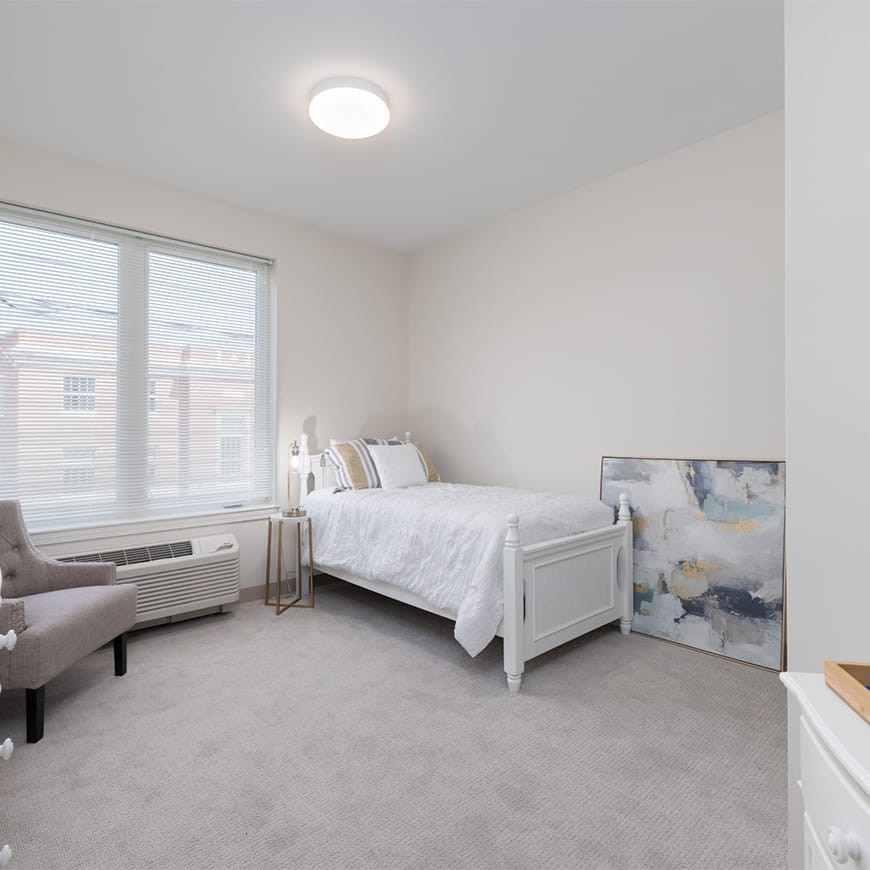
At KindCare at Bristol, the monthly costs for accommodation reflect both the quality of care and the competitive landscape of Litchfield County and Connecticut as a whole. For a semi-private room, residents can expect to pay $4,850, which is slightly higher than the county average of $4,718 but notably lower than the state average of $5,829. In contrast, those opting for a studio will find that the monthly fee of $6,250 exceeds both local and state averages - $4,851 and $5,919 respectively. These pricing structures indicate that while KindCare at Bristol may offer certain accommodations at a premium compared to nearby facilities, it still remains an attractive choice for individuals seeking quality care in a supportive environment.
Floor plans
KindCare at Bristol
Litchfield County
Connecticut
Semi-Private
$4,850
$4,718
$5,829
Studio
$6,250
$4,851
$5,919
Memory care communities with a similar price nearby
Memory care is repeatedly described as organized, compassionate, and tailored to routines.
Multiple reviews highlight the memory care team as a key reason families felt supported during a difficult transition. Residents and families describe staff who learned personal routines and provided reassurance, while others mention help coordinating move-in and staying in regular contact after admission. Several reviewers also point to a dedicated memory unit and experienced leadership for that level of care.
common42 reviews mention this
Staff warmth shows up everywhere
Residents and families consistently describe staff who are welcoming, helpful, and caring.
Across the reviews, the most common theme is how friendly and supportive the staff feels in day-to-day interactions. Many comments mention staff checking in, answering questions, and making residents comfortable—especially during anxiety or confusion around the move. Several reviewers also credit specific care leadership for keeping families informed and addressing concerns promptly.
common18 reviews mention this
Clean, new facility stands out
The facility is repeatedly described as clean, well kept, and easy to picture living in.
A substantial share of reviews mention cleanliness and the appearance of the building, including how well maintained it feels. Families describe bright, attractive spaces and an overall sense that the premises are “impeccable� or “cleanest,� with some calling out the building’s newness. A few also note visitor accommodation and a pleasant environment for spending time there.
common2 reviews mention this
Dining gets positive mentions
Food is described positively, including meals served in the dining room.
Some reviews specifically praise the food and describe a dining experience that stands out to families. One reviewer says the food looks amazing, while another describes everyday dining in the dining room and calls the food outstanding. Together, these comments suggest dining is at least a memorable part of the experience for some residents.
caveat4 reviews mention this
Pricing includes a community fee
Pricing can require planning for a separate community fee, and value varies by family.
Several reviewers mention the cost structure and how it affected their decision. Some describe a separate community fee that caught them off guard, while others say the overall price point felt competitive or reasonable after considering what’s included for care. One family also references choosing the community partly due to balancing brand-new cleanliness and location against the fee.
caveat2 reviews mention this
Some care and oversight concerns
A small number of reviews describe serious care or oversight problems.
Not all experiences are positive. One reviewer alleges a resident was not provided supper and did not receive prescribed pain medication after a hospital transfer, and another describes major management problems and staff treatment issues. These accounts point to concerns about attention to basic needs and how well the operation is managed.
How we summarize
Counts show how many written reviews mention each theme; a review can touch several themes, and only frequently mentioned themes are displayed.
Features
Types of Care
Assisted Living
Memory Care
Pets
Cats allowed
Dogs allowed
Transportation
Bradley International (22 miles away)
Nearby Places of Interest
Physicians
Oculus (0.5 miles)
Dermatology Associates (1.1 miles)
Bristol Hospital Lab (3.2 miles)
Doctors of Central CT (5.8 miles)
Umashanker Devika MD - Tallwood Men's Health (7.2 miles)
Consulting Ophthalmologists (7.4 miles)
Lebowitz Arthur, MD (7.6 miles)
Pharmacies
Walgreens (0.8 miles)
CVS Pharmacy (1 miles)
CVS Pharmacy (1.2 miles)
Walgreens (3.8 miles)
Med Stat Pharmacy (3.8 miles)
CVS Pharmacy (3.8 miles)
CVS Pharmacy (4.8 miles)
Restaurants
McDonald's (0.9 miles)
Bell City Diner (2.1 miles)
Jerzie Joe's Sports Bar & Grill (3.6 miles)
Cava Restaurant (3.7 miles)
McDonald's (3.7 miles)
Chick-Fil-A (4.1 miles)
McDonald's (4.3 miles)
Cafes
Starbucks (0.9 miles)
Aroma Joe's (2 miles)
Starbucks (4.4 miles)
Riders Smokehouse Bar (8.2 miles)
Provision State Coffee (9.1 miles)
Starbucks (10.1 miles)
The Coffee Trade (10.4 miles)
Parks
Norton Park (3.1 miles)
Plymouth Green (5.5 miles)
Countryside Park (7.4 miles)
Bucks Hill Park (7.5 miles)
Stanley Quarter Park (8.1 miles)
Hubbard Park (10.3 miles)
Places of Worship
Church of Eternal Light (3.4 miles)
Hospitals
The Hospital of Central Connecticut Cancer Center (5.6 miles)
Hospital Of Central Connecticut At Bradley Memorial (6.5 miles)
At KindCare at Bristol, the monthly costs for accommodation reflect both the quality of care and the competitive landscape of Litchfield County and Connecticut as a whole. For a semi-private room, residents can expect to pay $4,850, which is slightly higher than the county average of $4,718 but notably lower than the state average of $5,829. In contrast, those opting for a studio will find that the monthly fee of $6,250 exceeds both local and state averages - $4,851 and $5,919 respectively. These pricing structures indicate that while KindCare at Bristol may offer certain accommodations at a premium compared to nearby facilities, it still remains an attractive choice for individuals seeking quality care in a supportive environment.
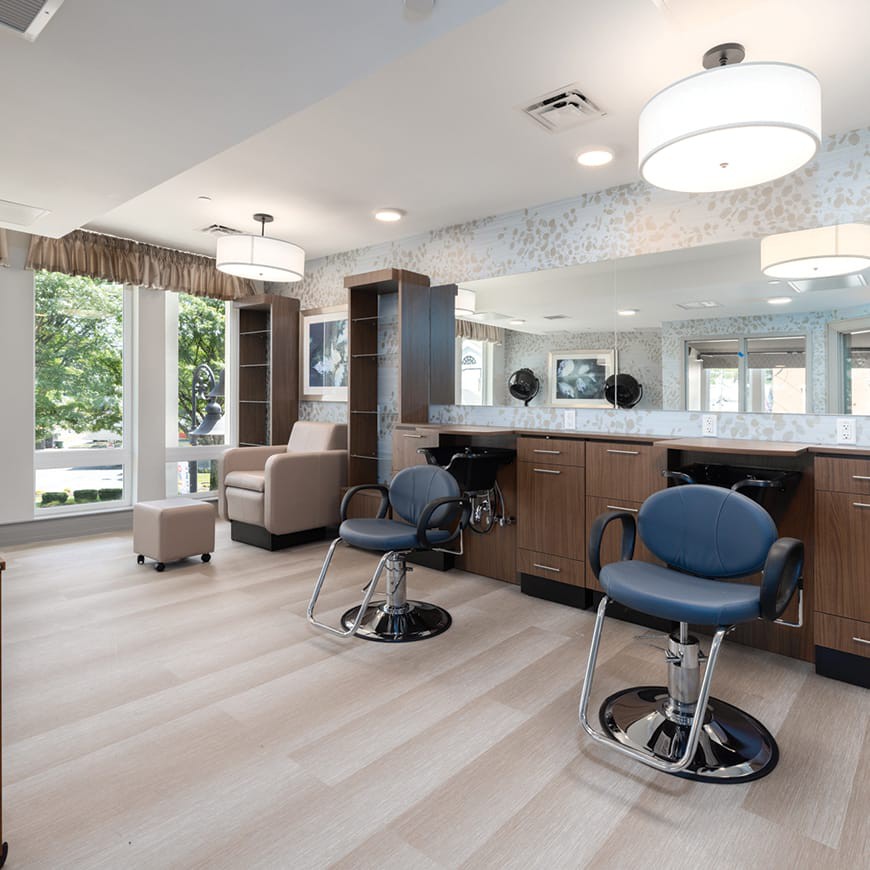
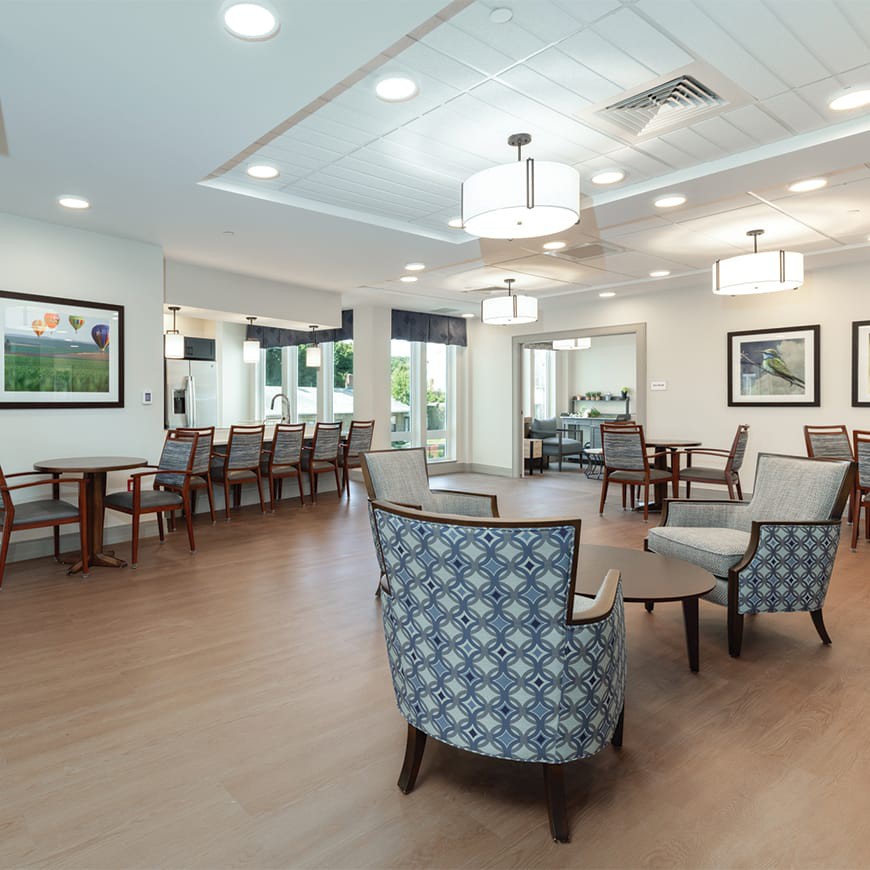
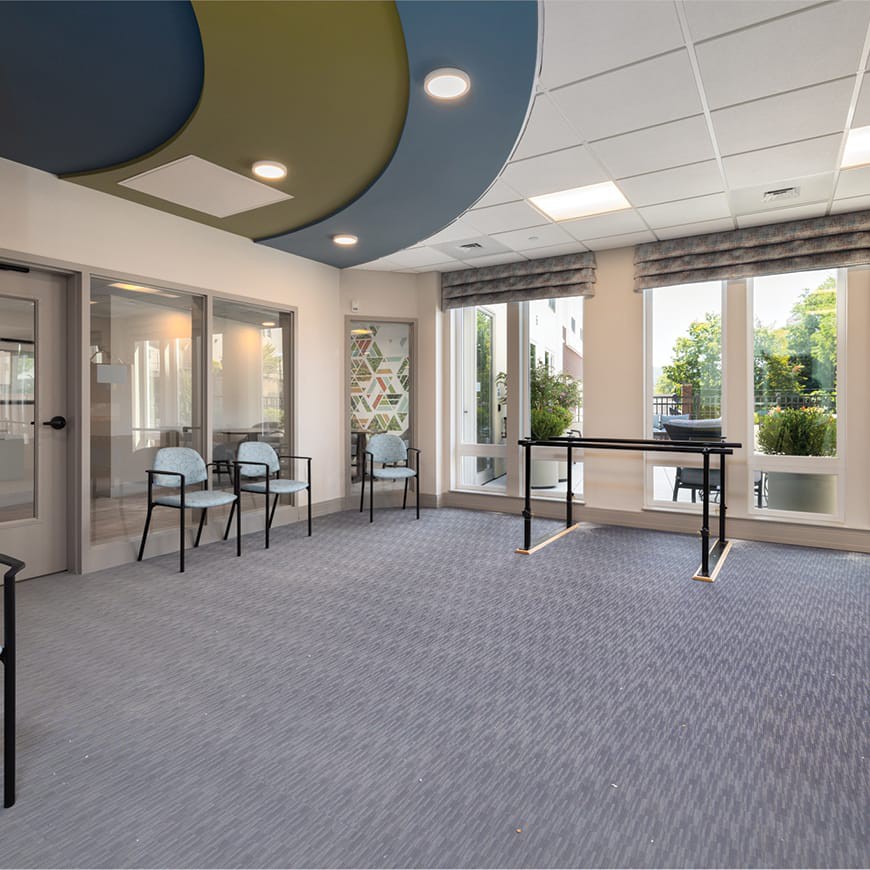
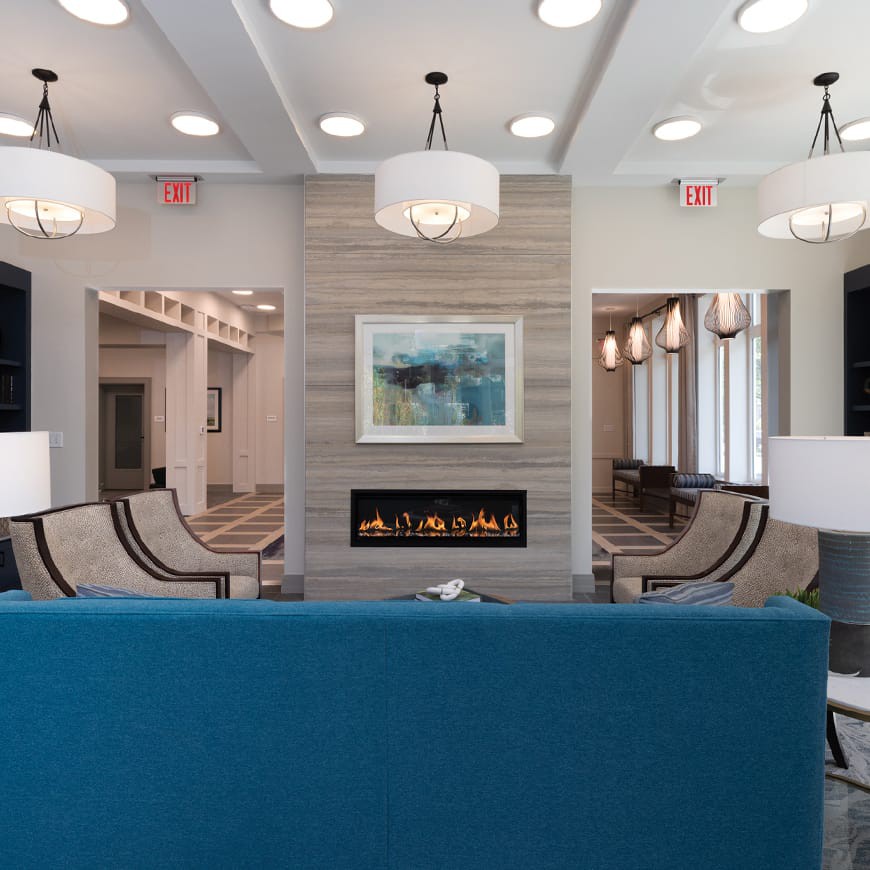
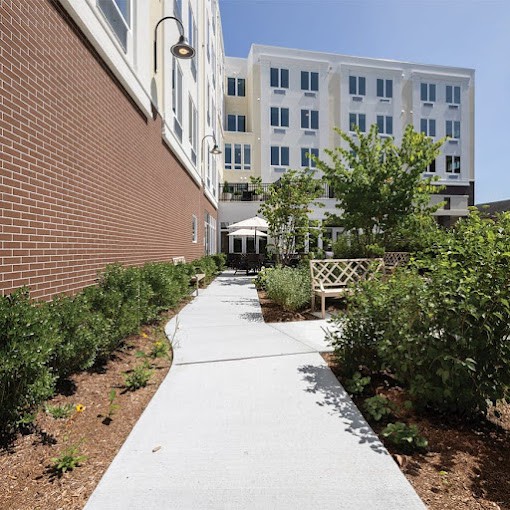
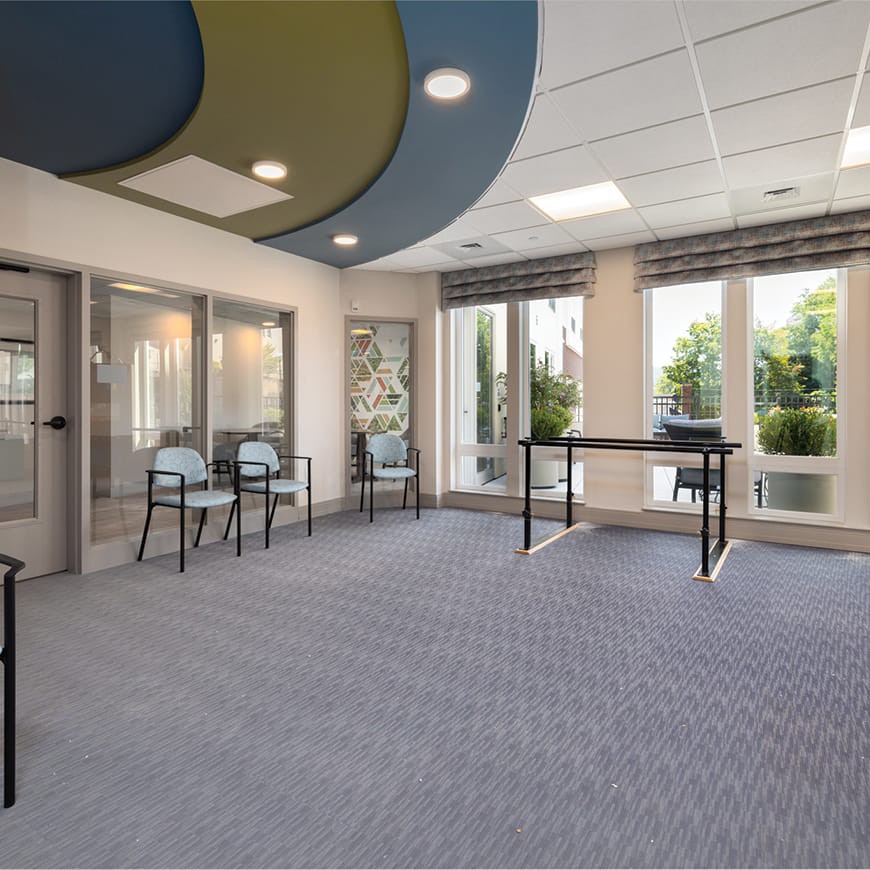
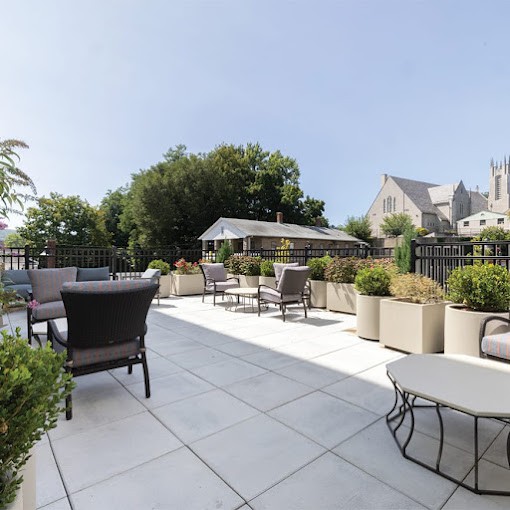
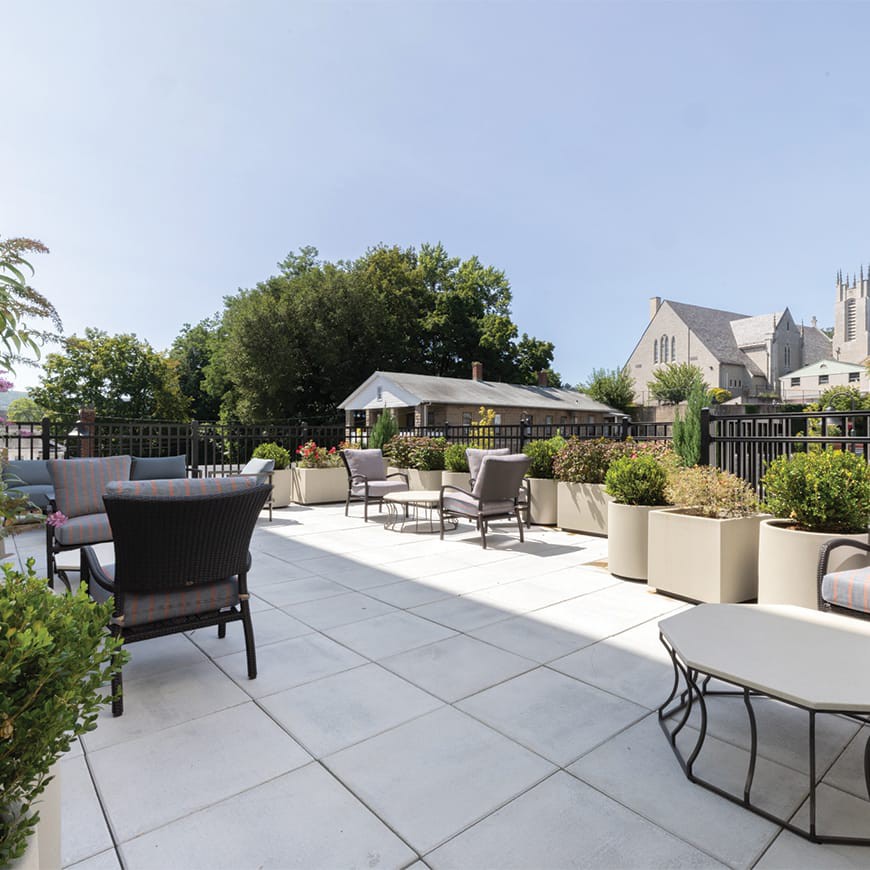
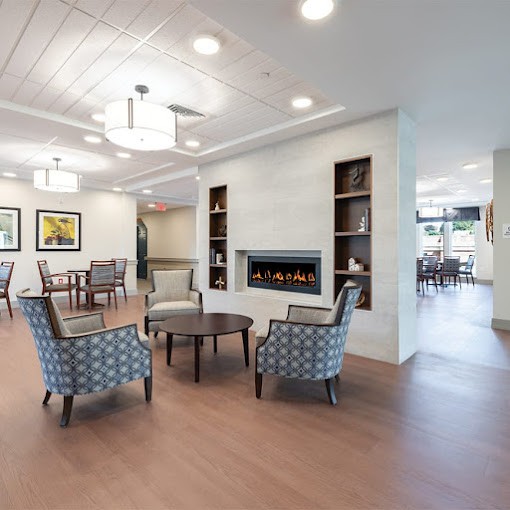
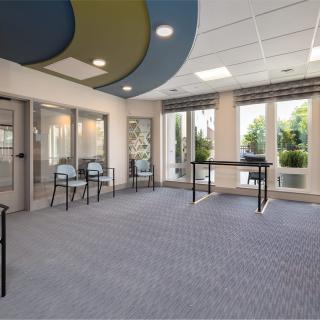
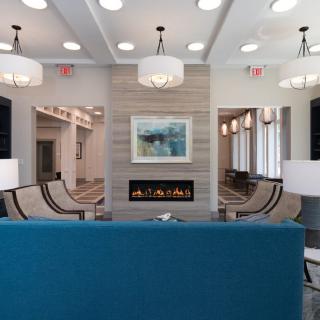
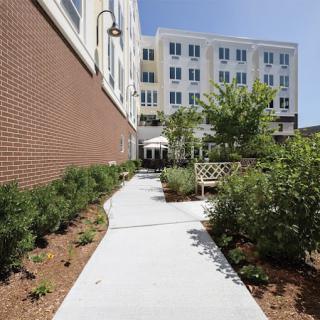
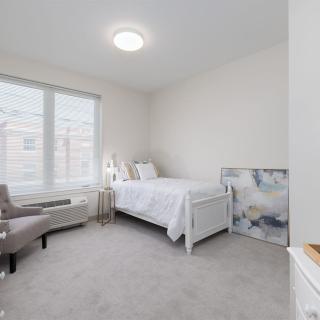
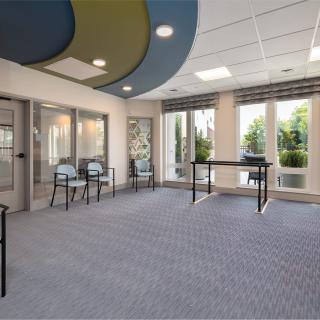
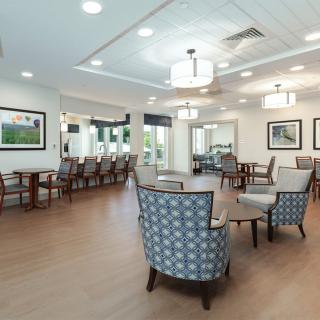
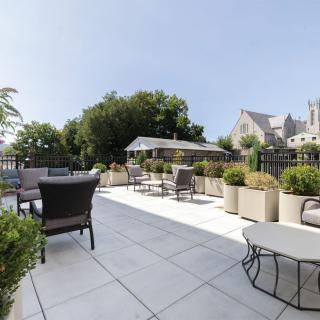
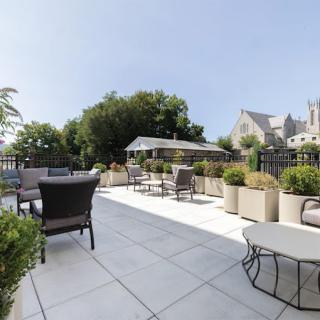
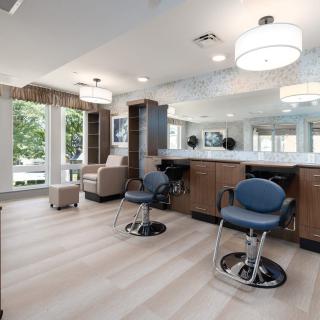
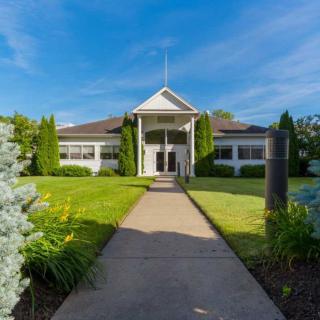
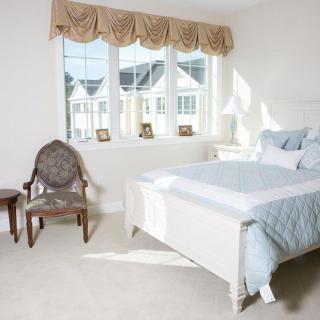
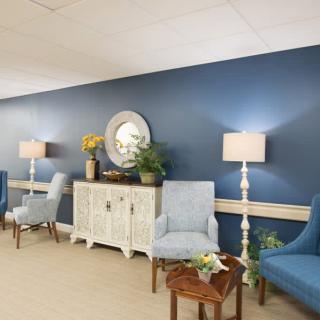
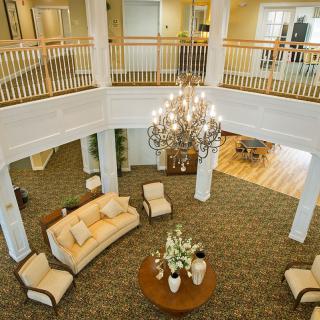
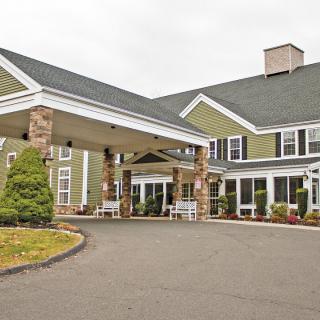
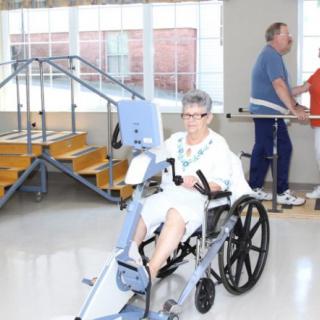
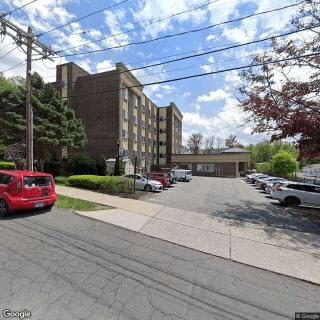
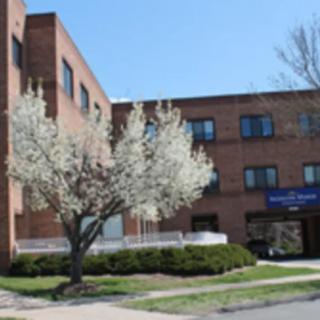
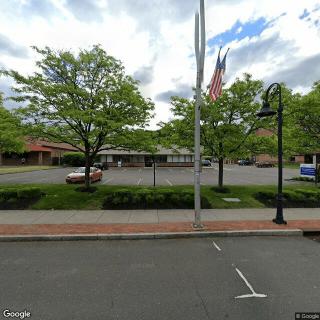
KindCare at Bristol on seniors.fyi includes 10 photos including images showing interior, spacious, windows, outdoor, architecture, wall art, decor, fireplace, and more.
Nearby Communities
Sheriden Woods
Bristol, CT
3 from 57 reviews
Friendly, knowledgeable staff; clean dining area; engaging activities; ability to personalize rooms with own furniture.
Holly View Manor
Bristol, CT
$2,945 / month
Affordable private rooms with comprehensive care.
The Pines At Bristol For Nursing & Rehabilitation
Bristol, CT
4.2 from 119 reviews
Extensive amenities and comprehensive care services.
The Pines at Bristol Center for Health and Rehabilitation
Bristol, CT
4.3 from 108 reviews
Friendly staff, clean facilities, and active rehab/activities.
Ingraham Manor
Bristol, CT
3.5 from 41 reviews
Extensive on-site amenities and 24/7 safety/support
Ingraham Adult Day Ctr
Bristol, CT
3.4 from 39 reviews
Excellent rehabilitation services with caring staff.
Shady Oaks Assisted Living
Bristol, CT
5 from 129 reviews
$3,000 to $4,000 / month
Compassionate, personalized care by a hands-on, family-like staff.
Cedar Springs
Southington, CT
4.3 from 8 reviews
$50,000 / month
Pet-friendly with nearby amenities and healthcare access.
Blessed House LLC
Plainville, CT
4 from 2 reviews
$4,500 / month
Suitable for independent residents seeking freedom.
The article differentiates between assisted living and memory care, explaining that assisted living supports seniors with daily activities while promoting independence, whereas memory care provides specialized services for individuals with dementia, focusing on secure environments and cognitive support. It also addresses staff training, safety considerations, costs, family involvement, and transition strategies for families navigating these care options.
The article outlines effective communication strategies for interacting with loved ones with dementia, highlighting the need for empathy, patience, and understanding while emphasizing supportive approaches like using simple language, minimizing distractions, and focusing on feelings over facts to maintain dignity and foster connection. It also suggests seeking professional guidance when needed as communication challenges evolve.
VA nursing homes, or Community Living Centers (CLCs), offer tailored long-term care for veterans, featuring medical attention and rehabilitation in a supportive environment. The guide covers facility types, eligibility criteria, financial assistance options, quality of care standards, and alternatives to full-time nursing home placement.
Get PricingAsk A QuestionSchedule A TourContact Senior Advisor
By clicking submit, you agree to our Partner's Terms of Use. You
also consent to receive calls and texts, which may be autodialed, from our Partner. Your consent is not a condition to
using our Partner's service. Please visit our Partner's Privacy Policy for information about their privacy practices.

 Assisted Living
 Memory Care
 Cats allowed
 Dogs allowed
 Bradley International (22 miles away)
 Friendly, knowledgeable staff; clean dining area; engaging activities; ability to personalize rooms with own furniture.
 Understanding the Distinctions: Assisted Living and Memory Care Explained
 How to Communicate with a Loved One Living with Dementia: 10 Supportive Strategies
 Comprehensive Guide to VA Nursing Homes: A Crucial Long-Term Care Resource for Veterans