
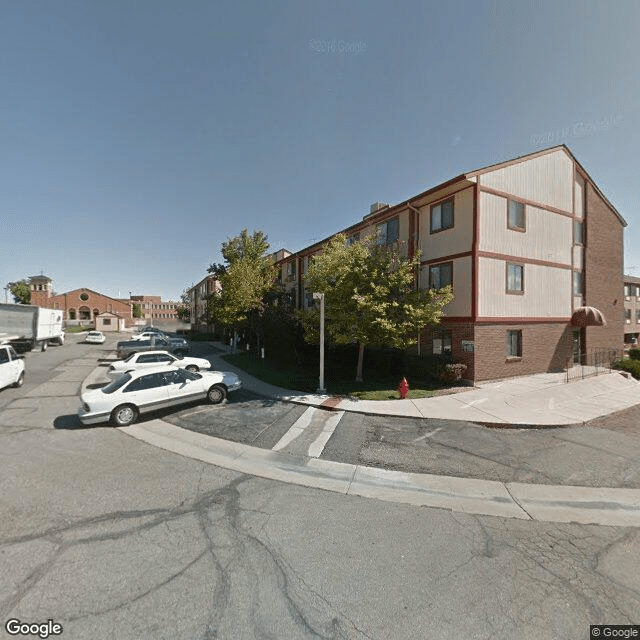
3180 W 76th Ave, Westminster, CO 80030
To contact a resident: (303) 428-2786
For more information about senior living options: (866) 208-4318
Overall Review of Westminster Commons
Pros
 The staff are very friendly, and the atmosphere is clean and inviting.
- The location is well kept.
- It is quiet and smoke-free for residents aged 65 and older.
- The staff are nice, kind, and caring.
Cons
 The management never fixes anything and the elevators are always broken.
- The roof is always falling off the buildings.
- There is never a manager in the office, and the only manager who was making a difference was fired.
- The woman who handles things doesn’t do her job, and the coordinator takes money orders that are not filled out correctly.
- The place is corrupt and mishandles issues; bed bugs are not removed effectively.
- The office is unresponsive to application requests; staff do not return calls, and promised applications are never mailed.
- The staff were rude to a visitor, falsely accused them of being on the premises, and banned them.
- The apartment complex is worse than an abusive relationship and seems to try to control residents.
- The place is not a healthy living environment and management is unacceptable.
- Some residents are very suspicious of activities they are not privy to.
- There are bed bugs and poor management.
Review
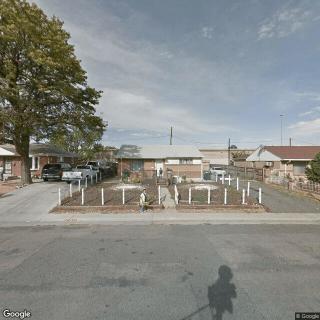
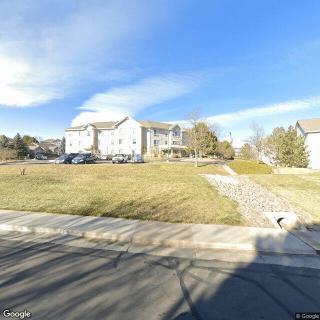
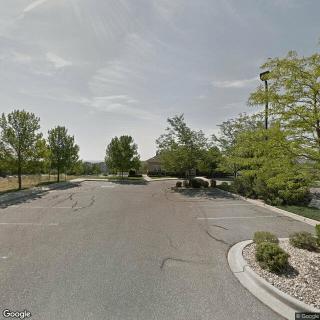
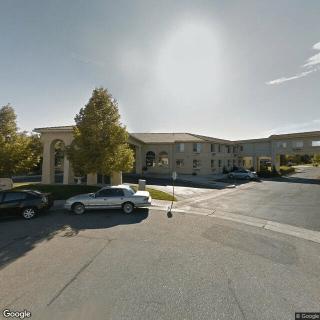
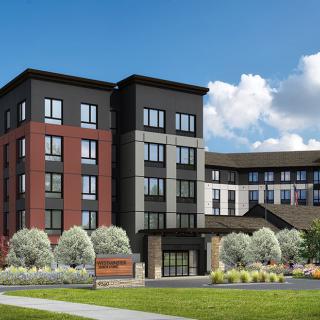
Westminster Commons is best suited for seniors aged about 65 and up who prize a quiet, non-smoking environment and a clean, inviting campus with friendly front-line staff. The community’s physical setting appears well maintained, and several residents note a pleasant, well-kept location alongside a calm, respectful atmosphere. For families, that combination can offer one of the clearest selling points: a straightforward, low-drama place where everyday life feels orderly and predictable on the surface. However, this appeal rests on a fragile balance, because the hidden realities visible in multiple reviews undermine that initial sense of stability.
Those who should consider alternatives are families for whom reliable maintenance, consistent on-site leadership, transparent financial handling, and a safe, predictable daily routine are nonnegotiable. The repeated concerns about mechanical failures elevate risk in a way that clean halls and friendly greetings cannot remedy. Elevators that continually fail, a roof that is described as deteriorating, and ongoing maintenance gaps create tangible safety and accessibility problems. Management appears inconsistent at best, with reports of vacancies in the office, leadership turnover, and a sense that coordination and accountability are lacking. Applications and communications also show friction, with promises and follow-through failing to land, suggesting a broader pattern rather than isolated incidents.
The core upside, responsive, courteous staff and a clean, quiet environment, does not fully offset the major drawbacks. Friendly interactions and the calm, well-kept campus are meaningful for daily comfort, yet they cannot compensate for frequent maintenance breakdowns or the perception of mismanagement. When reliability in repairs, timely problem resolution, and transparent billing are compromised, the day-to-day value of the setting erodes. The combination of reports about bed bugs, pushback from visitors, and allegations of improper handling of funds and resident interactions further chips away at trust. In practical terms, the positives simply cannot neutralize the risk that essential services and safety may be inconsistent.
Another layer of risk centers on governance and resident experience. Several notes highlight a lack of a stable on-site leadership presence, which translates into slow responses to urgent maintenance requests and unclear lines of accountability. The sense that staff may overstep boundaries or mishandle visitor interactions adds a troubling dynamic to the resident ecosystem. The climate of suspicion among some residents, paired with mentions of restricted access and perceived mistreatment, raises legitimate concerns about personal safety and community tone. For families evaluating Westminster Commons, these patterns point to an environment that can drift from welcoming to unsettled, depending on who is managing the property at any given time.
Practical next steps emerge from these observations. Demand documented maintenance histories, including uptime for elevators and a record of recent repairs, and request a clear, written policy for bed bug remediation. Seek a candid meeting with the on-site supervisor or regional leadership to review how complaints are tracked and resolved, and ask for a demonstration of the current leasing and billing process to ensure transparency. Before committing, tour with a clear list of questions about emergency procedures, accessibility, and guest policies, and verify that there is a reliable escalation path for unresolved issues. Given the pattern of concerns, seriously consider competing communities that offer stronger maintenance reliability, steadier on-site management, and a more transparent culture around resident rights and communications.
In the end, Westminster Commons delivers a respectable living environment in appearance, yet the weight of ongoing maintenance failures and governance instability tilts the balance toward caution. For families who can tolerate volatility in service and are prepared to scrutinize every interaction, the community may still work as a budget-friendly, quiet option. For most decision-makers prioritizing dependable operations, safety, and clear, trustworthy administration, exploring alternatives is the prudent course. The best move is to compare several communities with verifiable repair histories, consistent leadership, and transparent processes before making a final choice.
 Active Adult Communities (55+)
 Denver International (19 miles away)

 Comprehensive Insights into Palliative Home Care: What It Is and What to Expect
 Skilled Nursing Facilities vs. Nursing Homes: Making Sense of the Differences
 A Detailed Examination of Nursing Home Costs Across the U.S.