
7045 Stuart Street, Westminster, CO 80030
For more information about senior living options: (866) 208-4318
Overall Review of Park Forest Care Center - Westminster
Pros
 Everyone was very friendly and helpful.
- The nurse leadership staff was very attentive and personable.
- The center is extremely clean.
- There are plenty of supplies at all times.
- There are plenty of caregivers and even specific CNAs for showers.
- The staff are wonderfully and genuinely kind, caring, and always attentive to each and every resident.
- It’s a lively place with lots of activity.
Cons
 The reviews claim the facility is dirty, with drugs, bed bugs, black mold in the basement, and holes in the floors, making it unsafe for residents and staff.
- The staff are described as lazy and dishonest, with residents’ gifts, money, and clothes stolen, and residents left sitting in urine without bathing or proper meals.
- The DON and management are depicted as unfit and clueless, with no meaningful communication and a lack of restorative care for residents.
- Management is said to never assist in the dining room or with feeding, and rules seem to apply only to those who speak up for the residents.
- The facility is reportedly unresponsive to inquiries, with phone calls left unanswered and no timely follow-up.
- The bathrooms are dirty and the food looks unappetizing, suggesting poor cleanliness and meal quality.
- Roaches are crawling from rooms and med carts, and water pipes frequently burst, causing water to spread throughout the facility.
- Scheduling and overtime practices are described as favoritism and unethical, indicating unprofessional management and a need to avoid the place.
Review
Park Forest Care Center in Westminster is best suited for families who want a lively, resident-centered environment where the care team is visibly present and staff kindness and cleanliness are reliable anchors. If a home-like atmosphere with frequent social activity and a strong CNA presence matters, along with a facility that consistently looks clean and well stocked, this community can meet those priorities. It works best when the emphasis is on daily interactions, showers, and hands-on caregiving, and when families are able to tolerate potential inconsistencies in administrative leadership.
Those who should consider alternatives are families prioritizing steady, transparent management and a consistently predictable clinical program. Several reviews flag concerning gaps in leadership, communication, and accountability, issues that can translate into lapses in restorative care, feeding, and timely responses. If safeguarding residents from miscommunication, theft accusations, or neglect is non-negotiable, or if a tightly run operation with clear escalation paths is essential, then exploring other options is wise. This is not a place to overlook governance and operational reliability.
The strongest pros, caring, approachable staff; a high level of attentiveness; and a facility that feels clean and well supplied, often counterbalance the most visible drawbacks but do not completely cancel them. Residents repeatedly describe warm, welcoming nurses and aides, with genuine kindness and steady assistance during daily routines. The atmosphere is described as lively, with meaningful activity and visible nursing leadership at times. In practice, these positives translate into real comfort and connection for many residents, making life there feel manageable and even pleasant on good days. Yet the weight of administrative missteps, inconsistent care plans, and reports of miscommunication can erode trust and raise safety concerns, particularly for families seeking tight supervision and rapid problem-solving.
However, the cons frequently center on governance and execution rather than the day-to-day tenor of care. Reports of poor management oversight, limited restorative care, and gaps in feeding or daily monitoring emerge repeatedly. Issues like unclear accountability, staff scheduling irregularities, and alleged improper priority given to certain cart assignments over residents’ needs paint a picture of a facility where problems can persist longer than expected. There are also alarming mentions of facility condition concerns, roaches, mold, and structural issues in basements or pipes, that threaten safety and comfort. While some staff members are praised, these concerns point to a systemic risk that families must weigh against the visible warmth on the floor.
What this means for families evaluating a move is practical and concrete. Schedule a candid tour focused on governance: ask to meet the administrator or DON, request details on staffing ratios by shift, and review the latest quality measures and any corrective action plans. Probe restorative care availability, feeding routines, and how incidents or concerns are escalated and tracked. Inspect living spaces, bathrooms, and dining areas for cleanliness and safety; look for evidence of pest issues or leaks, and verify recent maintenance work. Speak with current residents and family members about responsiveness to call bells, documentation transparency, and consistency of care. In short, demand clarity on who is accountable when a problem arises and how quickly it is resolved.
The bottom line: Park Forest Care Center can be a good fit for families who prize a warm, active environment and place high value on daily human connections and a clean, well-stocked setting. It is less ideal for those who require unwavering administrative reliability, scrupulous restorative care, and fortress-like safety controls. If these latter needs define the decision, it makes sense to compare other Westminster options with stronger governance records. In any case, plan a thorough second look, preferably after voicing concrete questions to leadership, verifying staffing structures, and speaking directly with current residents about how concerns are handled day-to-day.
 103 resident community capacity
 Skilled Nursing Facility
 Air-conditioning
 Beauty salon
 Cable or satellite TV
 Computer center
 Dining room
 Fitness room
 Fully furnished
 Gaming room
 Garden
 Housekeeping services
 Kitchenette
 Move-in coordination
 Outdoor space
 Private bathrooms
 Restaurant-style dining
 Small library
 Telephone
 Wellness center
 Wi-Fi/high-speed internet available
 Denver International (20 miles away)
 Community operated transportation
 12-16 hour nursing
 24-hour call system
 Activities of daily living assistance
 Assistance with bathing
 Assistance with dressing
 Assistance with transfers
 Diabetes diet
 Medication management
 Mental wellness program
 Special dietary restrictions
 Concierge services
 Planned day trips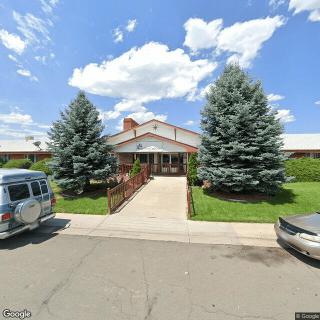







 Comprehensive Look at Senior Blood Pressure Charts: Normal and Elevated Levels by Age
 Top Canine Companions for Older Adults
 Comprehensive Guide to Blood Pressure Charts for Older Adults: Understanding Normal and High Readings by Age