
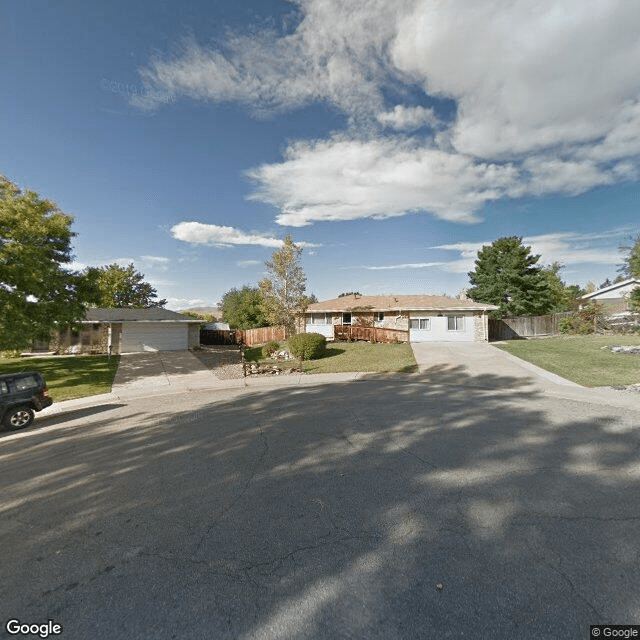
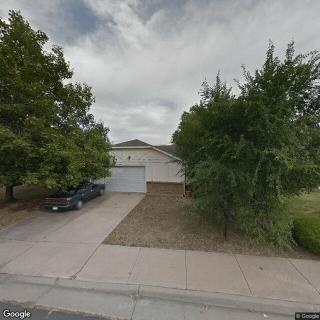
11541 West Temple Avenue, Littleton, CO 80127
For more information about senior living options: (866) 208-4318
Makarios Assisted Living Costs & Pricing
Makarios Assisted Living offers competitive pricing for its services compared to both Jefferson County and the broader Colorado region. For a semi-private room, residents at Makarios enjoy a monthly cost of $2,200, which is significantly lower than the county average of $4,114 and state average of $4,009. Similarly, the private room option at Makarios costs $2,700, well beneath the Jefferson County rate of $4,253 and Colorado's average of $4,142. These substantial savings not only make Makarios an appealing choice for prospective residents but also underscore their commitment to providing quality care in an affordable setting.
| Floor plans | Makarios Assisted Living | Jefferson County | Colorado |
|---|---|---|---|
| Semi-Private | $2,200 | $4,114 | $4,008 |
| Private | $2,700 | $4,253 | $4,142 |
Assisted Living communities with a similar price nearby
-
from -$200 / mo
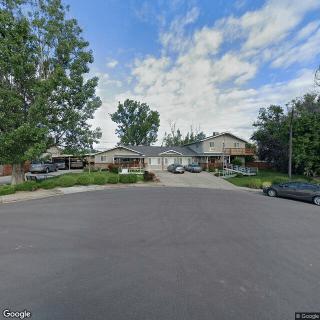
The Rising Sun Senior Home
$2,000 to $3,000 / month6.3 miles away -
About the same
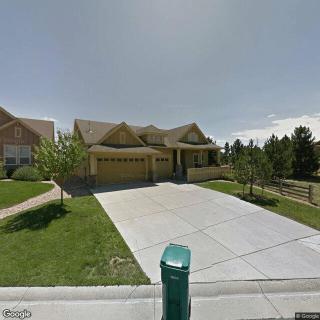
Assisted Living At The Woodlands
$2,250 to $2,500 / month23.5 miles away -
from +$270 / mo

Someren Glen Retirement Community
$2,470 to $3,975 / month10.9 miles away -
from +$339 / mo

San Marino Retirement Community
$2,539 to $4,348 / month14.3 miles away -
About the same
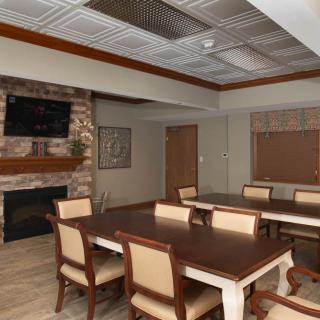
Cherry Creek Retirement Village
$2,225 to $3,788 / month16.5 miles away
Overall Review of Makarios Assisted Living
Pros
 The facility is great and clearly on top of things.
- It is clean throughout the premises, including rooms, kitchens, and common areas.
- The care is wonderful and the staff are very caring.
- The food is really good with a nice variety.
- They provide everything residents need and even turn down beds as a thoughtful touch.
- The facility has a visiting doctor and can bring in most services into the community.
- Tours of the community are pleasant, with punctual staff who answer questions in detail.
- The community offers a lot of great amenities.
Cons
 They don't do a lot of activities though.
- They did not accept long-term Medicaid when her funds ran out.
Review
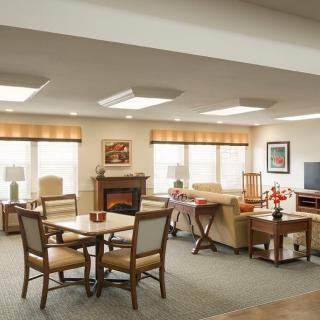
Makarios Assisted Living in Littleton is best suited for seniors who want a pristine, low-drama living environment with dependable daily care. The emphasis is on hands-on assistance, housekeeping, laundry, and meals, so families gain clear boundaries and predictable routines. It appeals to residents who prefer calm consistency over a bustling social calendar. The facility communicates reliability through spotless spaces, clean kitchens, and staff who stay on top of routine tasks. For families worried about everyday life slipping through cracks, Makarios delivers the practical security of a well-run operation.
Alternatives deserve consideration for two clear reasons. First, the activity slate at Makarios is not robust; for residents who demand structured programming, frequent outings, and rich social engagement, other communities may outperform. Second, Medicaid coverage matters and policies appear inconsistent in the public record, one reviewer noted Medicaid considerations in the mix, while another hinted that long-term Medicaid may not be accepted. Prospective movers should verify current funding terms, especially if long-term Medicaid is a key factor. Those relying on Medicaid for extended stays should look for a facility with transparent, stable terms and proven acceptance.
On the positive side, the core strengths form a compelling value proposition. Cleanliness extends beyond appearances to daily life, clothes, rooms, and common areas feel well cared for, and staff interactions come across as genuinely attentive. Small touches matter, such as bed-turn-down service that adds a layer of comfort to evenings. Meals earn praise for variety and quality, removing a common source of resident discontent. The care is described as wonderful, with staff who are genuinely caring for the residents. The presence of a visiting doctor and the ability to coordinate or bring in additional services within the community further reduce the burden on families and simplify medical oversight.
Yet the main drawback is tangible. The limited activity focus can leave some residents feeling under-stimulated and less socially connected. This isnā€™t a flaw in care so much as a matter of emphasis: Makarios prioritizes safe, tidy living and reliable caregiving over an ambitious programming calendar. The Medicaid ambiguity compounds that trade-off for families weighing long-term funding needs. For those whose criteria include lively social engagement and guaranteed Medicaid terms, the fit may be less strong. In practice, the decision hinges on whether daily life and medical coordination trump expansive programming and funding assurances.
The positives offset the drawbacks in a practical, real-world way. A spotless environment, predictable routines, and a responsive care team significantly reduce family burden and anxiety. When meals are consistently solid and rooms are well maintained, residents enjoy a higher quality of daily life with fewer irritants. The on-site visiting physician and integrated service coordination streamline medical care, limiting the chaos of coordinating outside appointments. For seniors who prize dignity, stability, and seamless medical input, these strengths often outweigh the quieter calendar and the Medicaid nuances, provided funding and engagement expectations align.
Bottom line: Makarios is a pragmatic choice for families prioritizing safety, cleanliness, and steady, personal care within a calm setting. It is less suited for those who demand a bustling social scene or an ironclad guarantee of long-term Medicaid acceptance without questions. Prospective residents should verify current Medicaid terms, request a sample weekly activity schedule, and discuss how outside services would be integrated into the care plan. When these factors align, Makarios offers a well-run, reliable environment where daily life is neatly managed and care feels consistently attentive.
 8 resident community capacity
 Assisted Living
 Board and Care Home
 Respite Care
 Cable or satellite TV
 Dining room
 Fully furnished
 Garden
 Housekeeping services
 Move-in coordination
 Outdoor space
 Private
 Telephone
 Wi-Fi/high-speed internet available
 24-hour supervision
 Activities of daily living assistance
 Ambulatory care
 Assistance with bathing
 Assistance with dressing
 Assistance with transfers
 Diabetes diet
 Diabetic care
 Incontinence care
 Meal preparation and service
 Medication management
 Special dietary restrictions
 Transportation arrangement (medical)
 Transportation to doctors appointments



 Senior Transition Services: Understanding Their Role, Cost, and Importance
 Exploring the Path to Senior Living: A Comprehensive Look at Independent Living and Assisted Living
 Is Assisted Living Deductible on Your Taxes? Understanding the Complexities of Assisted Living Expenses and Deductions