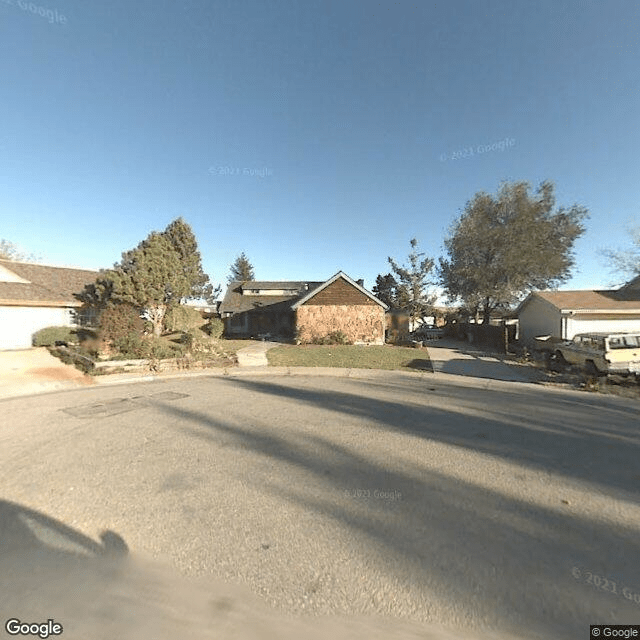
Rocky Mountain Solstice II in Morrison, CO

Save
Rocky Mountain Solstice II

Rocky Mountain Solstice II in Morrison, CO

12057 West Quincy Place, Morrison, CO 80465

For more information about senior living options: (844) 490-3973

3 from 2 reviews
Assisted Living Board and Care Home Memory Care

Rocky Mountain Solstice II Costs & Pricing

Rocky Mountain Solstice II presents a compelling option for those seeking private accommodations, with a monthly cost of $2,400. This price is significantly lower than the averages found in Jefferson County and the broader state of Colorado, where private room rents soar to approximately $4,253 and $4,142 respectively. This favorable pricing not only makes Rocky Mountain Solstice II an attractive choice for individuals or families looking to manage their housing expenses effectively but also highlights its value within the marketplace. Overall, it stands out as an appealing and cost-effective solution amidst rising living costs in the region.

Floor plansRocky Mountain Solstice IIJefferson CountyColorado
Private$2,400$4,253$4,142

What level of care are you interested in?

Assisted Living

Memory Care

Independent Living

Skilled Nursing Facility

Continuing Care Retirement Community (CCRC)CCRC

Other


Request a tour at Rocky Mountain Solstice II

    Overall Review of Rocky Mountain Solstice II

    Pros

    • pro It is the nicest place the reviewer has seen.
    • pro The atmosphere is calm and relaxed.
    • pro Caregivers are immediately helpful.
    • pro The reviewer would highly recommend the facility.

    Cons

    • pro They claim the staff are untrained and not equipped to deal with elderly people with many health issues.
    • pro They say the grandmother was verbally abused, threatened with eviction, and her needs were neglected when she had diabetes issues.
    • pro They state the staff knew she was in worse health than they claimed but did not care.
    • pro They note APS has been called in about three times, yet the same staff remain employed there.
    • pro They have observed other residents with bruises, claimed to have fallen.
    • pro They believe the state should step in and investigate the facility.
    • pro They report being given a 30-day notice to move out despite new laws in place.
    • pro They advise others not to send elderly relatives there and to check elsewhere.

    Review

    Rocky Mountain Solstice II is best suited for seniors who need assisted-living level support in a calm, low-stimulation environment and who prioritize ready, responsive help from staff. The community appears to cater to individuals whose medical and daily living needs can be managed without round-the-clock skilled nursing or complex clinical oversight. Families weighing this option should understand that it is not presented as a high-acuity setting. For residents whose health requires intensive monitoring, complex diabetes management, or frequent medical interventions, alternative arrangements - especially those with formal nursing staff on site - are likely more appropriate. In short, this is a fit for steady, manageable needs in a serene atmosphere, not for those in fragile or rapidly changing health.

    On the upside, one observer portrays the facility as among the nicest they've seen, with a calm, tranquil vibe that supports a comfortable daily rhythm. The environment is described as relaxed, and caregivers are portrayed as promptly helpful in routine circumstances. For families seeking a simple, agreeable space where direct, attentive assistance is readily available, these elements can translate into meaningful quality-of-life benefits: predictable routines, a sense of safety, and staff who respond quickly to everyday tasks. The lack of overstimulation and a clean, orderly setting can reduce stress for residents who value stability and straightforward support with bathing, dressing, medication reminders, and meal service.

    However, the strongly negative voice raises serious red flags that demand careful scrutiny. Allegations of untrained staff, mismanagement of health conditions (especially diabetes), and a failure to provide needed care point to fundamental concerns about resident safety and accountability. The narrative includes reports of verbal abuse, threats to discharge residents, and instances where care was deemed insufficient or misrepresented. Add in claims of bruising and insufficient responses to health issues, and the picture shifts from a peaceful environment to a potential risk scenario. The involvement of authorities and a formal eviction notice amplify concerns that staffing competence and regulatory compliance may be inconsistent at this facility.

    In weighing the pros against the cons, the key strengths - calm atmosphere and promptly available assistance - do not automatically offset serious safety and care-adequacy questions. For a resident with fairly stable needs who values a serene setting and reliable day-to-day help, the positives may align with daily life expectations. Yet the severity and credibility of the reported care gaps cannot be dismissed; they cast a shadow over overall risk management, oversight, and trust in staff. Families must consider whether the comfort of a quiet, well-maintained environment compensates for the potential for neglect or mistreatment and the possibility of abrupt displacement due to policy or behavioral issues.

    Practical steps should guide any decision to pursue Rocky Mountain Solstice II. Conduct open, in-depth conversations with facility leadership about care protocols, staffing patterns, and caregiver training specifically related to diabetes and other chronic conditions. Request the most recent state survey results, incident reports, and a clear care-planning process that shows how medical concerns are identified and escalated. Speak with current residents and family members to gauge consistency in staff responsiveness and dignity of resident interactions. If possible, arrange multiple visits at different times and request a temporary stay or trial period to observe how the team handles meals, medication management, and emergencies. Finally, compare with nearby assisted-living options and with nursing facilities to ensure the chosen environment matches the resident's medical needs, safety expectations, and family standards for oversight.

    The bottom line is pragmatic: Rocky Mountain Solstice II can be the right fit for those who want a quiet, manageable setting with dependable daily assistance and who enter with realistic expectations about medical complexity. It is not a universal solution, especially for residents who require frequent clinical interventions or whose health has a trajectory toward instability. Families should treat the serious care- and safety-related concerns as decisive factors, not footnotes, and proceed only after thorough verification of staff competence, regulatory compliance, and a robust care-planning framework. If any doubt persists, exploring alternatives - other assisted-living communities with stronger on-site nursing support or a nursing-home option with higher-level oversight - offers a safer, more predictable path to preserving health, dignity, and peace of mind.

    Features

    Housing

    • 8 resident community capacity 8 resident community capacity

    Types of Care

    • Assisted Living Assisted LivingAssisted living facilities provide crucial support and care for seniors who may need help with daily tasks such as medication management, bathing, and meal preparation. These communities offer a safe and comfortable environment where seniors can maintain their independence while receiving the assistance they need to thrive in their golden years.
    • Board and Care Home Board and Care HomeBoard and care homes provide a smaller, more intimate setting for seniors who require assistance with daily tasks but do not need the level of care offered by a nursing home. They offer personalized care, meals, and social activities in a homelike environment, ensuring that seniors receive individualized attention and support in their golden years.
    • Memory Care Memory CareMemory care is crucial for seniors as it provides specialized support and services for individuals with dementia or Alzheimer's disease. These programs offer a safe and secure environment where residents receive personalized care, cognitive stimulation, and help with daily activities. Memory care helps seniors maintain their independence, quality of life, and dignity while also providing peace of mind for their families.

    Pets

    • Cats allowed Cats allowed"Pet friendly" senior living communities are important for seniors because pets provide companionship, reduce feelings of loneliness and depression, promote physical activity and mental stimulation, and offer a sense of purpose and responsibility. Pets can improve overall well-being and quality of life for seniors in many ways.
    • Dogs allowed Dogs allowed"Pet friendly" senior living communities are important for seniors because pets provide companionship, reduce feelings of loneliness and depression, promote physical activity and mental stimulation, and offer a sense of purpose and responsibility. Pets can improve overall well-being and quality of life for seniors in many ways.

    Amenities

    • Cable or satellite TV Cable or satellite TVCable or satellite TV is important for seniors because it provides entertainment, news, and companionship, helping to combat loneliness and boredom. It also offers a wide range of programming options tailored to different interests and preferences.
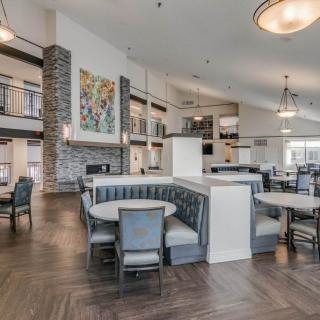
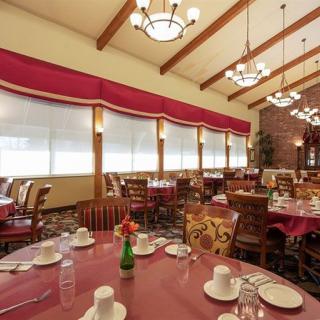
    • Dining room Dining roomDining rooms are important for seniors as they provide a space for socialization, connection, and nutritious meals. They offer opportunities for residents to bond over shared meals, foster a sense of community, and promote healthy eating habits. Dining rooms also ensure that seniors have access to well-balanced meals tailored to their dietary needs and preferences.
    • Fully furnished Fully furnishedFully furnished senior living communities are important for seniors because they provide convenience, comfort, and a hassle-free moving experience. Seniors can easily settle into their new living space without the stress of having to buy and move furniture. This allows them to focus on enjoying their new home and community.
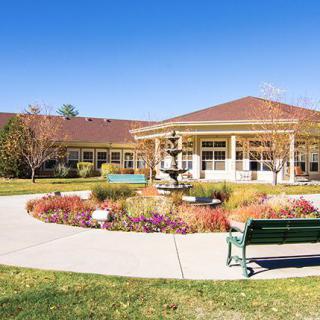
    • Garden GardenGardens are important for seniors as they provide a peaceful and therapeutic environment for relaxation, physical activity, and socialization. Being in nature has been shown to reduce stress, improve mood, and promote overall well-being. Gardens also offer opportunities for seniors to engage in gardening activities, which can improve mobility, flexibility, and cognitive function. Additionally, gardens create a sense of community and connection with others who share a passion for plants and outdoor spaces.
    • Housekeeping services Housekeeping servicesHousekeeping services are important for seniors because they help maintain a clean and safe living environment, promote independence, and reduce the risk of accidents or illnesses. Additionally, having assistance with household chores can alleviate physical strain and allow seniors to focus on other aspects of their well-being.
    • Move-in coordination Move-in coordinationMove-in coordination is important for seniors because it helps ease the transition into their new living environment. It ensures that all logistics, such as packing, organizing movers, and setting up utilities are taken care of, allowing seniors to focus on settling in and adjusting to their new home. Having a smooth move-in process can alleviate stress and anxiety, making the transition smoother and more enjoyable for seniors.
    • Outdoor space Outdoor spaceOutdoor spaces are important for seniors as they provide opportunities for physical activity, social interaction, exposure to natural light and fresh air, and a sense of connection to nature. Having access to outdoor spaces can improve overall well-being and quality of life for older adults living in senior communities.
    • Private PrivatePrivacy is important for seniors as it allows them to maintain their independence, dignity, and sense of control over their own lives. It also gives them the space and freedom to relax, reflect, and engage in activities that bring them joy and fulfillment. Creating private spaces within senior living facilities is crucial for promoting overall well-being and quality of life.
    • Private bathrooms Private bathroomsPrivate bathrooms are important for seniors in senior living communities because they provide independence, dignity, and comfort. Having a private bathroom allows seniors to maintain their personal hygiene routines without the need for assistance, promoting a sense of autonomy and privacy. Additionally, private bathrooms help prevent the spread of infections and provide a safe and clean environment for seniors to navigate safely.
    • Telephone TelephoneTelephones are important for seniors as they provide a lifeline for communication with loved ones, emergency services, and healthcare providers. They offer a sense of security and independence, enabling seniors to stay connected and access assistance when needed.
    • Wi-Fi/high-speed internet available Wi-Fi/high-speed internet availableWi-Fi/high-speed internet is important for seniors to stay connected with loved ones, access online resources, and participate in virtual activities to combat feelings of loneliness and isolation. It also allows them to easily manage healthcare needs, access entertainment, and engage in lifelong learning opportunities.

    Care Services

    • 24-hour supervision 24-hour supervision24-hour supervision is important for seniors to ensure their safety, well-being, and access to immediate assistance in case of emergencies or health issues. This constant support provides peace of mind for both seniors and their loved ones, allowing them to age in place with dignity and security.
    • Activities of daily living assistance Activities of daily living assistanceActivities of daily living assistance are important for seniors because they provide essential support with tasks such as eating, bathing, dressing, and mobility. This assistance helps seniors maintain their independence, dignity, and overall quality of life as they age.
    • Assistance with bathing Assistance with bathingAssistance with bathing is crucial for seniors as it helps maintain personal hygiene, prevents infections, and ensures their overall well-being and comfort. It also provides a sense of dignity and independence for seniors who may struggle with this task on their own.
    • Assistance with dressing Assistance with dressingAssistance with dressing is important for seniors because it helps maintain their independence, promotes personal hygiene, prevents accidents and injuries, and improves overall quality of life. This service ensures that seniors can continue to dress comfortably and confidently, despite any physical limitations they may have.
    • Assistance with transfers Assistance with transfersAssistance with transfers is crucial for seniors as it helps prevent falls and injuries, maintains their independence, and ensures they can safely navigate their living environment. It also provides peace of mind for both seniors and their loved ones.
    • Coordination with health care providers Coordination with health care providersCoordination with health care providers is crucial for seniors to ensure proper medical care, medication management, and overall well-being. This collaboration helps prevent overlapping treatments, track progress more effectively, and provide comprehensive support tailored to individual needs.
    • Diabetes diet Diabetes dietA diabetes diet is crucial for seniors as it helps manage blood sugar levels, reduce risks of complications, and improve overall health and well-being. By following a balanced and nutritious diet tailored to their specific needs, seniors can better control their diabetes and enhance their quality of life.
    • Diabetic care Diabetic careDiabetic care is crucial for seniors as they are more susceptible to developing diabetes due to aging and other health conditions. Proper management of diabetes can help prevent complications such as heart disease, vision loss, and nerve damage, improving the overall quality of life for seniors in senior living communities.
    • High acuity care High acuity careHigh acuity care is important for seniors because it provides specialized medical attention and support for individuals with complex medical needs. This level of care ensures that seniors receive the appropriate treatment and assistance to maintain their health and quality of life as they age.
    • Meal preparation and service Meal preparation and serviceMeal preparation and service are crucial for seniors as they may have limited mobility or energy to cook nutritious meals. Having access to healthy and convenient food options can ensure they are getting the proper nutrition needed to maintain their overall health and well-being.
    • Medication management Medication managementMedication management is crucial for seniors to ensure they are taking the right medications at the correct dosages and times. This helps prevent adverse drug interactions, reduces the risk of medication errors, and promotes overall health and well-being. Proactive management also allows for adjustments as needed based on changing health conditions or new prescriptions.
    • Special dietary restrictions Special dietary restrictionsSpecial dietary restrictions are important for seniors because age-related changes in metabolism and health conditions can make it difficult for their bodies to process certain foods. By following a diet tailored to their specific needs, seniors can maintain their overall health and well-being, manage chronic conditions, and reduce the risk of complications such as malnutrition or food interactions with medications.
    • Transportation arrangement (medical) Transportation arrangement (medical)Transportation arrangements for medical purposes are essential for seniors as they may have difficulty driving themselves to appointments or accessing public transportation. Having reliable and safe transportation options ensures that seniors can receive timely medical care and maintain their health and well-being.
    • Transportation to doctors appointments Transportation to doctors appointmentsTransportation to doctors' appointments is crucial for seniors as it ensures they have access to necessary medical care and support for their health needs. Without reliable transportation, seniors may struggle to attend important appointments, leading to potential delays in treatment and health complications. Providing transportation services helps seniors maintain their overall well-being and quality of life.
    Dining

    • Diabetes diet Diabetes dietA diabetes diet is crucial for seniors as it helps manage blood sugar levels, reduce risks of complications, and improve overall health and well-being. By following a balanced and nutritious diet tailored to their specific needs, seniors can better control their diabetes and enhance their quality of life.
    • Special dietary restrictions Special dietary restrictionsSpecial dietary restrictions are important for seniors because age-related changes in metabolism and health conditions can make it difficult for their bodies to process certain foods. By following a diet tailored to their specific needs, seniors can maintain their overall health and well-being, manage chronic conditions, and reduce the risk of complications such as malnutrition or food interactions with medications.

    Activities

    • Community-sponsored activities Community-sponsored activitiesCommunity-sponsored activities are important for seniors as they provide opportunities for social interaction, mental stimulation, and physical activity. These activities can help improve overall well-being, combat loneliness and isolation, and promote a sense of belonging and purpose among older adults.
    • Scheduled daily activities Scheduled daily activitiesScheduled daily activities are important for seniors because they provide structure, socialization, mental stimulation, and physical activity. Engaging in regular activities can improve overall well-being and quality of life for seniors living in a community setting.

    Description

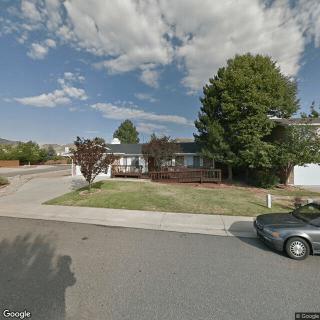
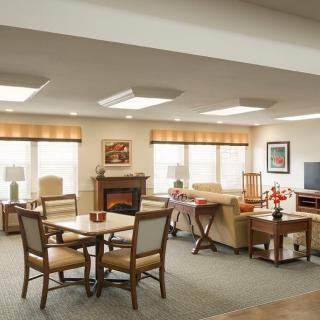
    Rocky Mountain Solstice II is an assisted living community nestled in the picturesque town of Morrison, CO. With a focus on providing exceptional care in a home-like environment, this board and care home offers both memory care services for those with cognitive impairments and general care for seniors who require assistance with daily activities.

    Residents at Rocky Mountain Solstice II can enjoy a range of amenities designed to enhance their comfort and well-being. The dining room provides nutritious meals tailored to meet specific dietary restrictions, ensuring that each resident's health needs are met. The fully furnished accommodations offer a cozy and inviting space for residents to call their own, complete with private bathrooms for their convenience.

    The community also boasts beautiful outdoor spaces and gardens, allowing residents to enjoy the fresh air and natural scenery. Housekeeping services ensure that the common areas and resident rooms are always clean and tidy, alleviating any worries about maintenance or upkeep. High-speed internet access and telephone services keep residents connected to family and friends.

    At Rocky Mountain Solstice II, residents receive personalized assistance with activities of daily living such as bathing, dressing, and transferring. The compassionate staff also coordinates with healthcare providers to ensure that each resident's medical needs are properly addressed. For individuals requiring specialized care for diabetes or other high acuity conditions, the community offers diabetic care, diabetes diet plans, medication management, and transportation arrangement to doctors' appointments.

    In addition to meeting physical needs, the community strives to provide engaging activities for residents to enjoy. Scheduled daily activities cater to varying interests and abilities, promoting socialization and mental stimulation. For those who wish to venture outside the community grounds, there are numerous cafes, parks, pharmacies, physicians' offices, and restaurants conveniently located nearby.

    Overall, Rocky Mountain Solstice II offers a supportive environment where seniors can receive quality care tailored to their individual needs. With its array of amenities and dedicated staff members committed to enhancing the lives of residents, this assisted living community in Morrison, CO provides a comforting and enriching place to call home.

    Nearby Places of Interest

    This part of Morrison, Colorado offers a variety of amenities and services that may be appealing to seniors looking for a peaceful and convenient location. With several restaurants nearby such as West Hill Grill and Chick-Fil-A, residents can enjoy dining out without having to travel far. There are also parks like Blue Heron Park and Pinecrest Park where seniors can relax and enjoy the outdoors. Additionally, there are pharmacies like Walmart Pharmacy and Walgreens within a short distance for easy access to medication needs. For medical care, facilities like St. Anthony Hospital and Greenwood Pediatrics Littleton are available in the area. In terms of entertainment, theaters like Alamo Drafthouse Littleton provide options for leisure activities. Overall, this part of Morrison offers a mix of amenities that cater to the needs and interests of seniors looking for a comfortable living environment.

    Restaurants

    • West Hill Grill (1.1 miles)
    • The Manor House (3.8 miles)
    • Chipotle Mexican Grill (4 miles)
    • Westrail Tap & Grill (5.1 miles)
    • Chick-Fil-A (5.4 miles)
    • Locavore Beer Works (5.6 miles)
    • Tstreet Roadhouse (5.7 miles)

    Parks

    • Blue Heron Park (1.9 miles)
    • Pinecrest Park (4.2 miles)
    • National Park Service (4.3 miles)
    • Arrowhead Community Park (7 miles)
    • Ruby Park (7.7 miles)
    • Southridge Park (7.9 miles)
    • Chatfield State Park (8 miles)

    Pharmacies

    • Walmart Pharmacy (2.3 miles)
    • Walgreens (2.4 miles)
    • CVS Pharmacy (2.4 miles)
    • Walgreens (3.1 miles)
    • Walgreens (4 miles)
    • Walgreens (4.2 miles)
    • Walgreens (4.2 miles)

    Physicians

    • Native Roots Dispensary (2.6 miles)
    • Center For Advanced Dermatology (2.9 miles)
    • St. Anthony Hospital (5.4 miles)
    • Greenwood Pediatrics Littleton (5.6 miles)
    • Kaiser Permanente Lakewood Medical Offices (5.6 miles)
    • Kids First Pediatrics (6.2 miles)
    • Panorama Orthopedics & Spine Center (7.3 miles)

    Cafes

    • Starbucks (3.2 miles)
    • Dutch Bros Coffee (5.3 miles)
    • Bean Fosters (7.4 miles)
    • Dutch Bros Coffee (7.8 miles)
    • Starbucks (8 miles)
    • Starbucks (8.9 miles)
    • Stella's Coffee House (8.9 miles)

    Hospitals

    • St Anthonys Medical Plaza 2 (5.3 miles)
    • Children's Hospital Colorado South Campus (8.7 miles)
    • UCHealth Highlands Ranch Hospital (9.1 miles)
    • Scl Health - Front Range (9.2 miles)

    Theaters

    • Alamo Drafthouse Littleton (6.9 miles)
    • Alamo Drafthouse Denver (8.6 miles)

    Places of Worship

    • Church of Jesus Christ of Latter Day Saints (8.8 miles)
    • Mission Hills Church (8.9 miles)

    Frequently Asked Questions

    How much does it cost to live at Rocky Mountain Solstice II in Morrison, CO?
    Where is Rocky Mountain Solstice II?
    Does Rocky Mountain Solstice II provide care for residents with dementia or Alzheimer's disease?
    Does Rocky Mountain Solstice II allow residents to have pets?

    Nearby Communities

    • Makarios Assisted Living

      Makarios Assisted Living

      Littleton, CO

      4.8 from 5 reviews
      $2,200 to $2,700 / month

      pro Clean, attentive staff with affordable pricing.

    • Inn Between

      Inn Between

      Denver, CO

      3 from 4 reviews
       

      pro 24-hour supervision with diabetes-friendly dining.

    • Colorado Assisted Living Homes Brandt

      Colorado Assisted Living Homes Brandt

      Littleton, CO

      3.7 from 3 reviews
       

      pro Small, homelike board-and-care with 24/7 supervision, personalized care, meal prep, and medical coordination.

    • Helping Hands Homecare

      Helping Hands Homecare

      Littleton, CO

      4.9 from 17 reviews
       

      pro Intimate 8-bed setting with 24/7 supervision and comprehensive daily living support.

    • Willowbrook Place

      Willowbrook Place

      Littleton, CO

      4.4 from 119 reviews
      $5,500 to $8,785 / month

      pro Compassionate staff, engaging activities, and a clean, welcoming environment with strong family communication.

    • Legacy House Elder Care on Berry

      Legacy House Elder Care on Berry

      Littleton, CO

      4.9 from 16 reviews
      $3,500 to $4,000 / month

      pro Attentive, friendly staff in a home-like setting with strong value for care.

    • ProMedica Lakewood

      ProMedica Lakewood

      Lakewood, CO

      3.9 from 112 reviews
       

      pro Friendly, attentive staff and quick nurse responses reported by multiple families.

    • The Ridge Pinehurst

      The Ridge Pinehurst

      Lakewood, CO

      4.2 from 118 reviews
      $3,500 to $6,195 / month

      pro Well-maintained, spacious yet manageable community with strong amenities, dining, and friendly staff.

    • Sky Pointe Retirement Resort

      Sky Pointe Retirement Resort

      Littleton, CO

      4.7 from 49 reviews
      $3,320 to $4,597 / month

      pro Resort-like, modern facility with friendly staff and engaging activities.

    Related Resources

    • dementia paranoiaDementia, Paranoia, and Caregiver Guidance: Understanding the Connection

      Dementia encompasses progressive neurological disorders that impair cognitive functions and can lead to paranoia due to cognitive decline and emotional changes. The article discusses the triggers of paranoia in dementia, caregiver strategies for managing it, and the importance of distinguishing between dementia-related paranoia and other psychiatric conditions.

    • memory care activitiesEngaging Memory Care Activities That Enhance Quality of Life

      Memory care activities are essential for improving the quality of life of seniors with cognitive impairments, as they stimulate cognitive function, promote well-being, and encourage social interaction through tailored strategies. These activities combine structured exercises with spontaneous tasks, sensory engagement, physical workouts, creative pursuits, and intergenerational interactions to enhance emotional connection and a sense of purpose.

    • when to move from assisted living to memory careWhen to Transition from Assisted Living to Memory Care: Key Indicators, Steps, and Finding the Right Community

      Transitioning from assisted living to memory care is driven by an individual's cognitive decline and specific needs, requiring careful evaluation of indicators like increased confusion and wandering. The process involves consulting medical professionals, researching suitable communities, considering financial and legal aspects, and ensuring effective communication for personalized care plans.


    Get Pricing Ask A Question Schedule A Tour Contact Senior Advisor