
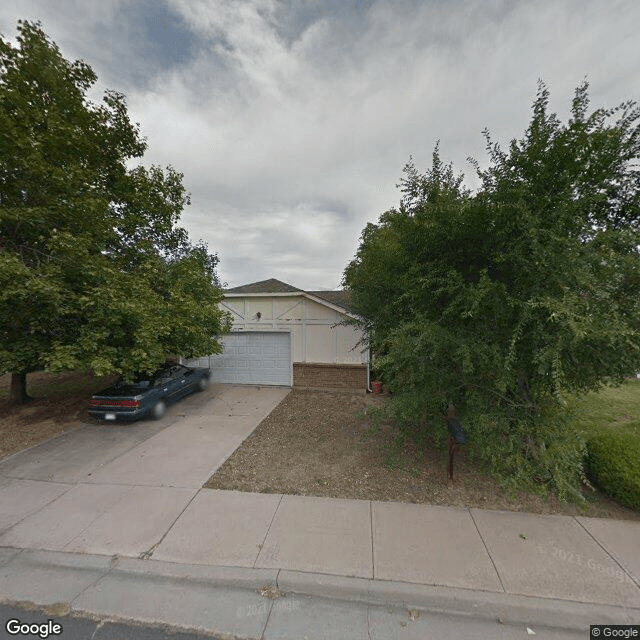
10405 W. Berry Drive, Littleton, CO 80127
To contact a resident: (303) 973-3446
For more information about senior living options: (866) 208-4318
Legacy House Elder Care on Berry Costs & Pricing
At Legacy House Elder Care on Berry, the monthly costs for accommodations are notably competitive when compared to both Jefferson County and the broader state of Colorado. For semi-private rooms, Legacy House charges $3,500, which is significantly lower than the county average of $4,114 and the state average of $4,009. Similarly, for private rooms, the rate at Legacy House is $4,000 - again more affordable than both Jefferson County's average of $4,253 and Colorado's average of $4,142. This pricing structure reflects a commitment to providing quality elder care while ensuring accessibility for families seeking compassionate support in a comfortable environment.
| Floor plans | Legacy House Elder Care on Berry | Jefferson County | Colorado |
|---|---|---|---|
| Semi-Private | $3,500 | $4,114 | $4,008 |
| Private | $4,000 | $4,253 | $4,142 |
Assisted Living communities with a similar price nearby
-
from -$500 / mo

A Loving Hand Assisted Living
$3,000 / month10.8 miles away -
About the same
Castle Rock Assisted Living II
$3,600 to $4,100 / month20.1 miles away -
About the same
Castle Rock Assisted Living 1
$3,600 to $5,000 / month20.4 miles away -
About the same
Auburn View Assisted Living
$3,500 to $5,600 / month19.6 miles away -
from -$600 / mo
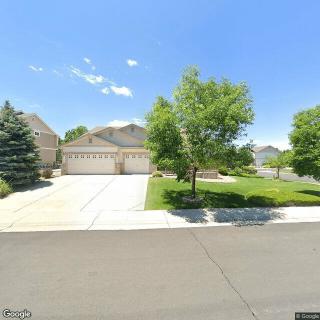
Rose Of Sharon Weaver Assisted Living
$2,900 to $4,000 / month17.6 miles away
Overall Review of Legacy House Elder Care on Berry
Pros
 The Loving Care team, led by Roxi and Sinica, provides exceptional care and shows genuine love to residents and their families.
- They deliver patient and family care at a level beyond what larger facilities offer.
- The level of engagement with each resident and their family is remarkable, leaving them thankful.
- Their partnerships with hospice and other providers offer outstanding support during difficult times.
- The care staff treat each resident with loving, respectful, and attentive care, making difficult days easier.
- The home-like, family-run atmosphere feels like an extended family for residents and their families.
- Meals are home-cooked and delicious, and the facility is clean and inviting.
- Holidays and birthdays are celebrated with thoughtful decorations and activities, making each occasion special.
- The staff are attentive, trustworthy, and go above and beyond to anticipate residents' needs.
Cons
 Some of the staff are better than others.
- They could have more activities than they do to keep the elderly active and their minds occupied.
Review
Legacy House Elder Care on Berry is best suited for families seeking a small, hands-on, home-like assisted-living experience where care is intensely personalized and delivered with warmth. The operation is clearly run with a family-and-staff culture rather than a cold, institutional feel: a mother-daughter leadership duo guides the home, with caregivers who feel like an extended family. Residents benefit from routines that emphasize comfort, dignity, and daily familiarity, home-cooked meals, thoughtfully kept living spaces, and regular celebrations that make holidays and birthdays meaningful. This setting rewards those who value close, constant attention and a sense that staff know each resident’s history, preferences, and rhythms. In short, it is not a campus-style alternative; it is a residence built on intimate connection and individualized care.
That said, the community may not be the right fit for every family. Those who require aggressive medical oversight, complex nursing care, or a highly regimented, activity-saturated program may find alternatives more suitable. The home coordinates with hospice and other partners to support end-of-life needs, but it does not replicate a hospital floor or a large care continuum. For residents who need extensive memory-care programming, intense daily schedules, or access to broad on-site therapeutic services, a larger facility with more resources could serve them better. Families prioritizing a compact, warm environment with deep personal attention will likely feel confident; those prioritizing clinical depth and campus-wide programming should look elsewhere.
The strongest attribute here is the depth of personal attention. Families repeatedly highlight that staff treat residents as family, anticipating needs and communicating with clarity and empathy. The atmosphere is consistently warm, respectful, and celebratory: meals feel homemade and nourishing; décor and rituals mark birthdays and holidays in a way that reinforces belonging. The leadership’s hands-on approach fuels a sense of continuity and trust, caregivers are supported, questions are welcomed, and families are kept informed. The result is a home environment where residents feel seen and valued, and where the daily routines resemble a well-loved household more than a formal care facility. This emotional safety net is a decisive advantage for families seeking peace of mind.
That high-touch approach largely compensates for the few drawbacks identified. While some staff members shine more than others, the overall culture remains consistently attentive and approachable, with families noting prompt responses and regular updates. Activity levels can be modest compared with larger communities; the calendar may not fill every hour with programmed diversions. Yet the personalized attention often translates into meaningful, one-on-one time and adaptable support that aligns with each resident’s preferences. In practical terms, the home’s intimate scale and family-led leadership deliver reliability and predictability that many families find preferable to the often impersonal pace of bigger operations. For households balancing caregiving responsibilities, the predictable routine and dependable staff coordination are substantial gains.
Cost is a practical consideration, but in this case the value proposition holds up well for the level of care provided. The setting’s small footprint and emphasis on home-life amenities, home-cooked meals, festive touches, and bespoke celebrations, tend to keep expenses reasonable relative to larger, more clinical options. Families consistently note the intangible benefits: a warm, safe residence where meals and daily routines feel tailored, and where the social fabric of the home, shared moments, caring conversations, and attentive caregiving, adds significant value beyond raw price. The trade-off is accepting fewer on-site therapies, a leaner staff roster at times, and less campus-wide programming in exchange for a stronger sense of belonging and highly personalized care.
For families moving forward with a decision, a deliberate, hands-on evaluation is essential. Plan a comprehensive visit to observe daily routines, meal service, and how caregivers interact with residents, then meet the owners to discuss staffing consistency and turnover. Inquire about memory-care capabilities, transportation arrangements for appointments, and how holiday and birthday traditions are personalized year to year. Request a current activity schedule and sample menu to gauge alignment with the resident’s interests. Seek local testimonials and, if feasible, arrange a short trial stay to assess fit. This community excels for those who want a warm, home-centered living experience with deeply personal attention; for those needing intensive clinical resources or expansive programming, look toward alternatives with broader capabilities.
 8 resident community capacity
 Assisted Living
 Board and Care Home
 Respite Care
 Cable or satellite TV
 Dining room
 Fully furnished
 Garden
 Housekeeping services
 Move-in coordination
 Outdoor space
 Private
 Telephone
 Wi-Fi/high-speed internet available
 24-hour supervision
 Activities of daily living assistance
 Ambulatory care
 Assistance with bathing
 Assistance with dressing
 Assistance with transfers
 Diabetes diet
 Diabetic care
 High acuity care
 Incontinence care
 Meal preparation and service
 Medication management
 Special dietary restrictions
 Transportation arrangement (medical)
 Transportation to doctors appointments




 Is Assisted Living Deductible on Your Taxes? Understanding the Complexities of Assisted Living Expenses and Deductions
 Assisted Living Support for Veterans: A Complete and Detailed Overview
 Exploring the Contrasts Between Assisted Living and Skilled Nursing