
1530 Walnut, Grand Junction, CO 81506
For more information about senior living options: (866) 208-4318
Overall Review of The Vineyards Memory Care
Pros
 All of the ladies working in this facility are unbelievably kind and caring.
- The facility provides very personal care to each resident within a small community.
- The staff are kind, caring, and give personal attention to the residents; they are highly recommended.
Cons
 They advise against sending loved ones to the Vineyards.
- They report their father-in-law with dementia was let out unsupervised and ended up several hours away.
- They claim there are no working cameras and no working alarm system.
- They state the new ownership got rid of all the good caring staff.
- They describe the facility as a hot mess all the way around.
- They note this is not the first time such an incident has happened and family has had to help look for him.
Review
This community is best suited for families that want a small, home‑like memory care setting where caregivers deliver highly personal attention. The Vineyards Memory Care can feel comfortable for residents who respond to intimate routines, known staff, and a calm, neighborly atmosphere. It works well for those who value consistent, gentle care from a team that treats residents like individuals and who are comfortable with a setting where staff know names, preferences, and daily rhythms. In short, it rewards warmth and familiarity more than high‑tech safeguards or expansive programming.
Those who should consider alternatives are families prioritizing rock‑solid safety and reliability above all. Wandering risk is a central concern in these reviews, with specific incidents suggesting lapses in supervision. Reports of nonfunctional cameras and alarms, plus a recent ownership change, point to potential inconsistencies in monitoring and response. For loved ones who require fail‑safe security, or whose schedules demand predictability without family stewardship stepping in, a facility with proven, persistent safety systems and steadier staffing may be a wiser choice.
On the upside, the strongest positives center on personal care delivered in a small community. Reviewers repeatedly describe staff as kind and attentive, with caregivers who invest time in each resident. That level of personal engagement can translate to better mood, less agitation, and more individualized support for daily activities. The intimate environment also fosters closer relationships between residents and caregivers, which can be meaningful for someone living with memory loss who benefits from predictable, familiar faces day after day.
Yet the most consequential drawbacks remain hard to overlook. The safety concerns highlighted by families are not minor observations; they touch on residents leaving the building and the possibility of dangerous encounters when supervision is inconsistent. The perception that cameras and alarms are not reliably working raises questions about what happens when staff are overwhelmed or distracted. An ownership transition further compounds uncertainty about long‑term stability, staffing pipelines, and adherence to established safety norms. In decision framing, these are not cosmetic issues but potential risk factors for residents.
The apparent strengths do not fully offset the dominant risks. Personal attention and a small, congenial setting offer real value, but they can be undermined if basic safeguards fail. Families should weigh whether the warmth of care can be sustained alongside dependable security measures. Prospective residents who can participate actively in oversight, through regular visits, transparent communication, and witnessed safety protocols, may still find the environment workable. For others, especially those with higher wandering risk or sensitivity to abrupt changes, the negatives may dominate.
In practical terms, this means a candid assessment for anyone weighing The Vineyards Memory Care. If safety systems are nonfunctional or uncertain, immediate questions should focus on how the facility plans to restore reliability and what redundancies are in place. Request a tour emphasizing security workflows: door alarms, camera coverage, incident logs, and staff supervision schedules. Inquire about staff turnover, training on dementia behaviors, and the plan during ownership transitions. If these safeguards can be demonstrated as robust and consistently enforced, the community becomes a more viable option; if not, stronger alternatives with proven safety records deserve consideration.
 16 resident community capacity
 Assisted Living
 Board and Care Home
 Memory Care
 Respite Care
 Cable or satellite TV
 Dining room
 Fully furnished
 Garden
 Housekeeping services
 Move-in coordination
 Outdoor space
 Telephone
 Wi-Fi/high-speed internet available
 Walker (3 miles away)
 24-hour supervision
 Activities of daily living assistance
 Assistance with bathing
 Assistance with dressing
 Assistance with transfers
 Diabetes diet
 Hospice waiver
 Meal preparation and service
 Medication management
 Mental wellness program
 Special dietary restrictions
 Transportation arrangement (medical)
 Transportation to doctors appointments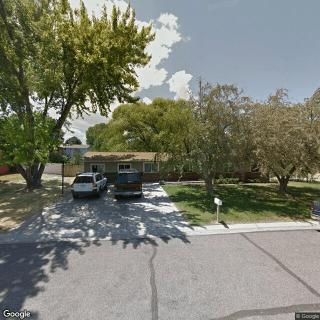




 Assisted Living and Memory Care: Understanding Their Core Differences
 Choosing the Right Senior Care: A Detailed Exploration of Assisted Living and Nursing Homes
 Safeguarding Your Memory Through the Golden Years: Eight Ways to Preserve Cognitive Health