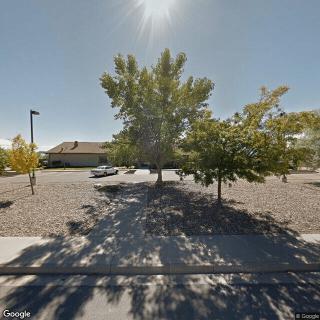
2800 Midland Ave, Glenwood Springs, CO 81601
To contact a resident: (970) 945-1121
For more information about senior living options: (866) 208-4318
Roaring Fork Senior Living Costs & Pricing
Roaring Fork Senior Living offers a range of accommodation options that showcase its commitment to providing quality care and comfortable living environments, albeit at a premium compared to regional averages. For instance, the monthly cost for a studio apartment is set at $5,500, paralleling the county rate but significantly higher than Colorado's average of $4,090. Similarly, semi-private rooms are priced at $6,800 - matching Garfield County rates while again surpassing the state average of $4,009. The one-bedroom units are notably priced at $8,000, which not only exceeds both county and state figures but underscores the upscale nature of Roaring Fork's amenities and services. The two-bedroom option stands out at $12,500; this aligns with local pricing yet far exceeds the broader Colorado average of $4,580. Overall, these costs reflect Roaring Fork Senior Living's positioning as a premier choice for seniors seeking exceptional care in an enriching environment.
| Floor plans | Roaring Fork Senior Living | Garfield County | Colorado |
|---|---|---|---|
| Studio | $5,500 | $5,500 | $4,088 |
| Semi-Private | $6,800 | $6,800 | $4,008 |
| 1 Bedroom | $8,000 | $5,750 | $4,118 |
| 2 Bedrooms | $12,500 | $12,500 | $4,580 |
Overall Review of Roaring Fork Senior Living
Pros
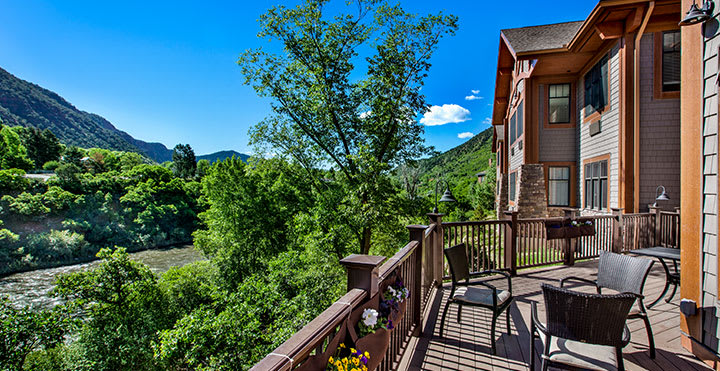
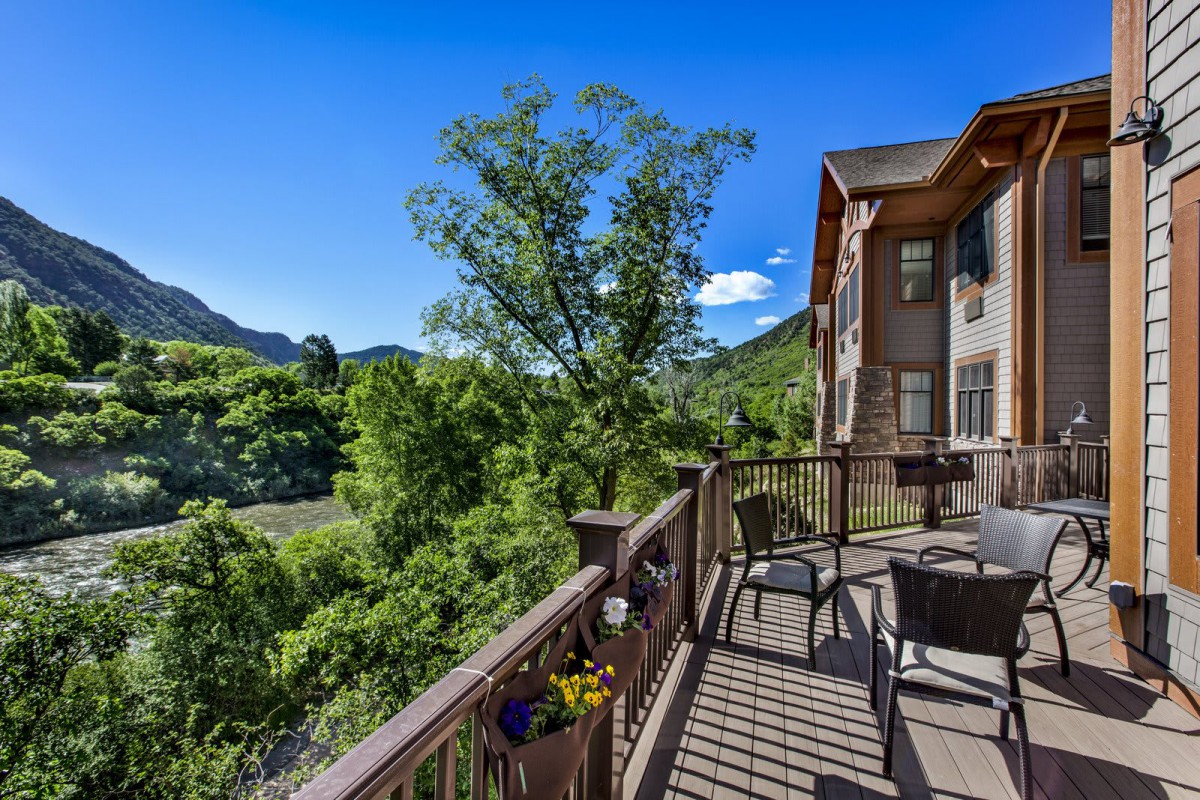
 RFSL has an outstanding location, ideal for assisted living.
 - The staff are well intentioned and come from the heart.
- The facility is beautiful, well maintained, and comfortable in all areas.
- The staff are great, very caring, friendly, and attentive.
- Renew Roaring Fork is newer and the nicest facility in the area.
- It offers assisted living that can transition into memory care.
- The rooms are spacious and the facility is very clean and not institutional.
- The staff and management are friendly, caring, and go above and beyond to make residents feel loved and cared for.
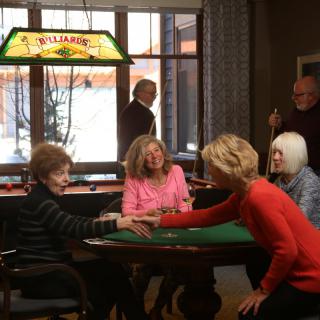
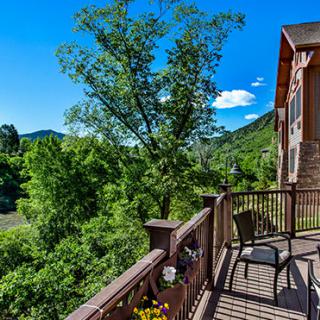
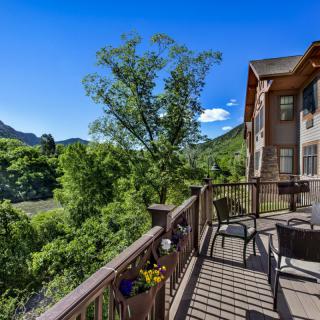
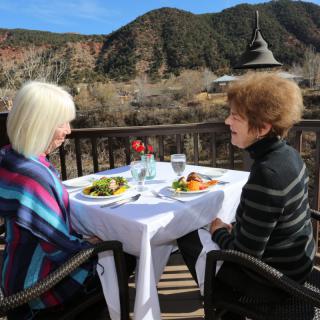
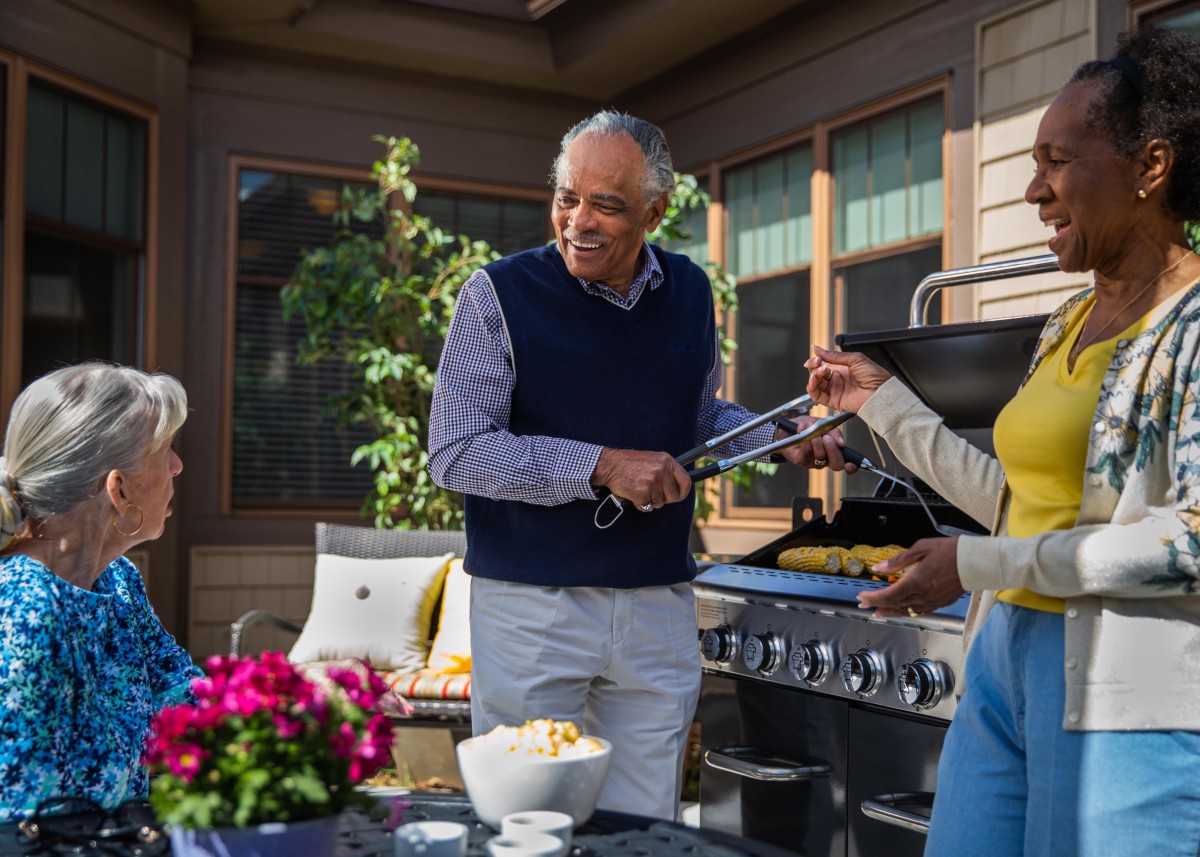
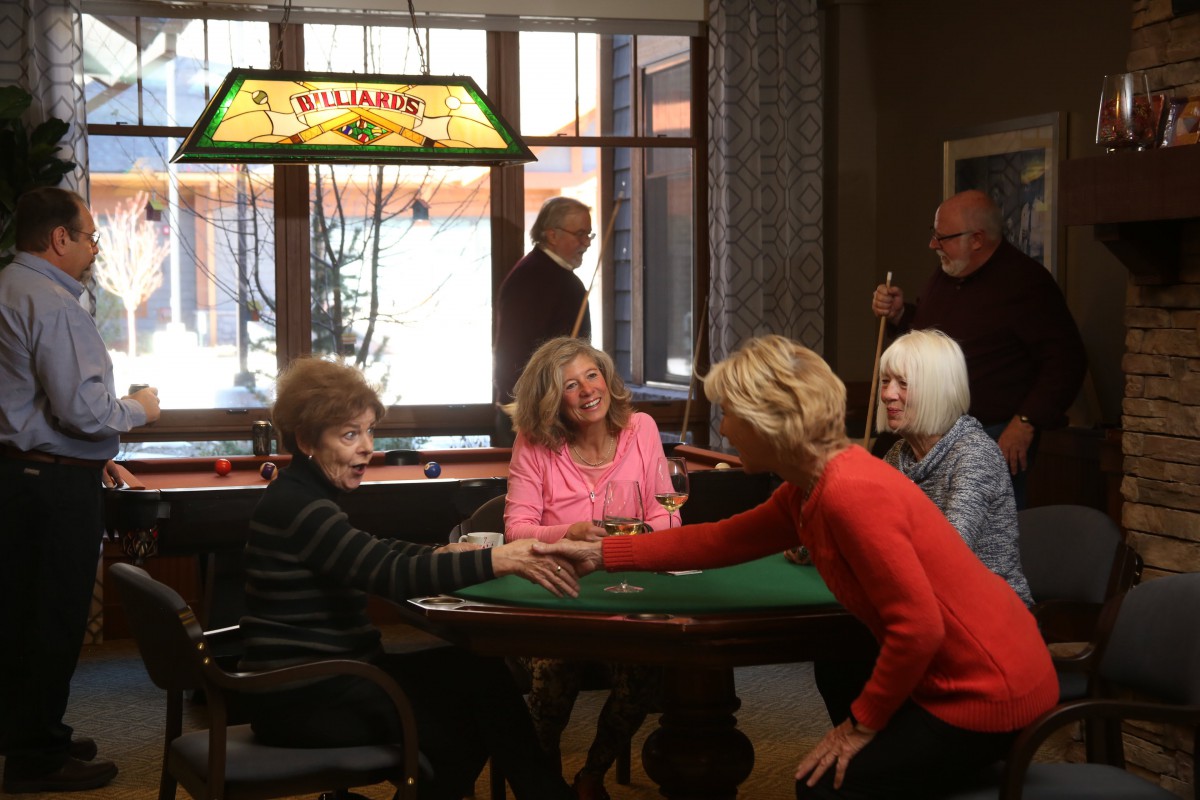
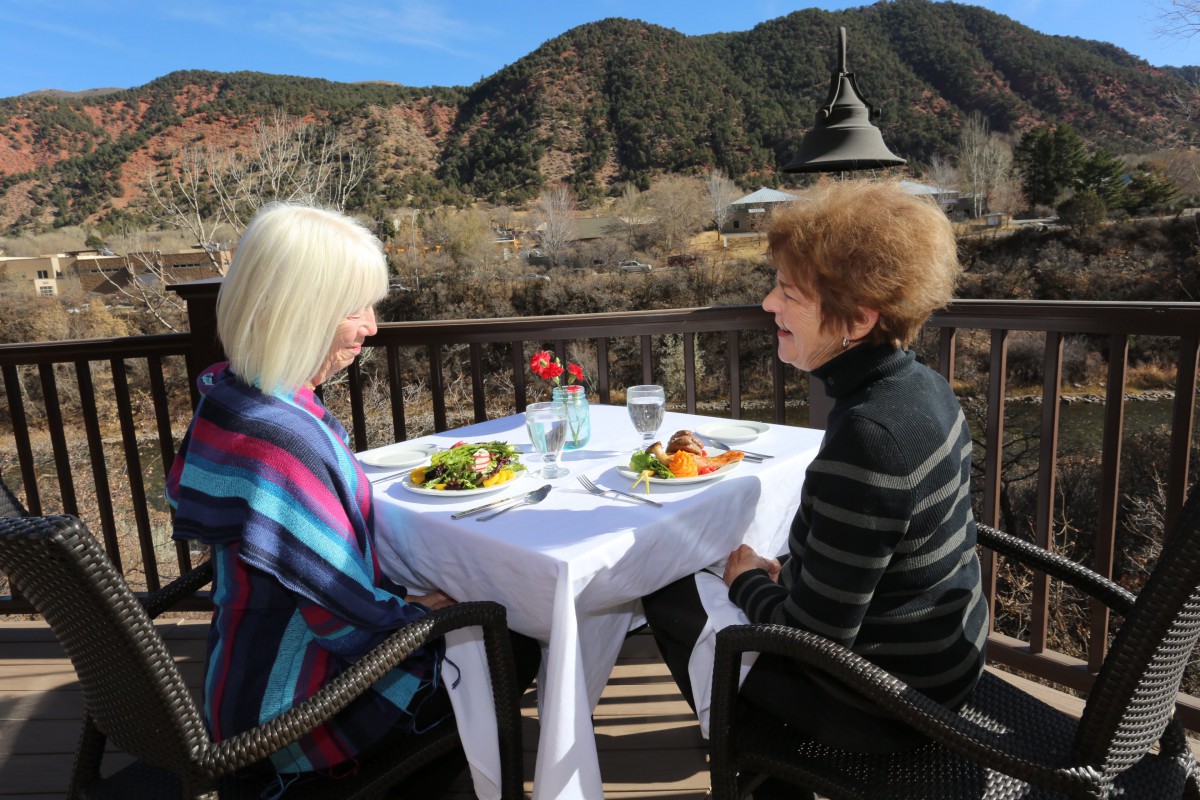
- The facility provides engaging activities, live entertainment, and beautiful river and mountain views.
- Families would highly recommend Renew Roaring Fork for excellent care.
Cons
 They note the staff turnover is extremely high (about 165% per year), implying instability.
- They say the owners keep the budget lean, so one should not expect good food or a high level of care.
- They describe the building as an awful eyesore that backs up traffic daily.
- They claim the facility isolates their loved one and cuts them off from communicating with the entire family.
- They allege the staff would not question abuse allegations and appear to be amateurs.
- They describe the place as holding their mother hostage and as the Grim Reaper-like in effect.
Review
Roaring Fork Senior Living is best suited for seniors who prize a scenic, small-town atmosphere and want reliable assisted living with a social, activity-rich environment. The Glenwood Springs setting, with river views, mountain access, and a campus feel, appeals to those who value leisure and a sense of place as a core part of daily life. It works best for residents who can manage routine independence while appreciating a safety net and progressive support as needs change, including the option to transition toward memory-support services within the same campus. Those seeking top-tier medical acuity, aggressive memory-care protocols, or a dining program on par with luxury communities should consider alternatives.
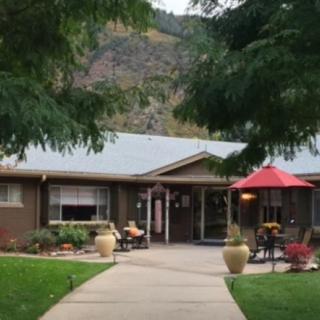
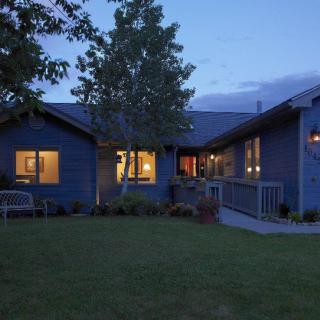
The location and campus presentation are consistently highlighted as major strengths. The building and grounds are described as inviting, well kept, and visually pleasing, with views that residents and families genuinely enjoy. The appeal extends to the surrounding area, where access to outdoor recreation and a charming mountain town vibe can enhance quality of life. Yet, a contrary note appears in some reviews that criticize the surrounding exterior footprint and traffic impacts, suggesting that potential residents should assess the broader neighborhood effect and personal tolerances for development activity when evaluating the site.
Staff quality emerges as the defining pro, offsetting several operational caveats. Reviews repeatedly credit caregivers and leadership for genuine care, attentiveness, and a heartfelt approach to residents and families. Families recount meaningful interactions, personal attention, and staff who go “above and beyond” in daily care and transition support. The facility’s ability to enable mobility and participation, such as assisted living experiences that foster activity and social engagement, often translates into noticeable mood and function improvements for residents who once faced mobility challenges. This human element is the core reason many families would recommend RFSL despite other trade-offs.
Nevertheless, operational constraints surface as meaningful considerations. The most consistent concern is a lean budget paired with noticeable staff turnover, which some families interpret as potential variability in daily routines and continuity of care. A lean budget may also temper expectations around dining quality and the breadth of in-house amenities relative to larger, better-capitalized communities. The result is a practical trade-off: warmth, personalized attention, and a comfortable environment can be aligned with modest offerings in meals and services, especially when demand for consistent staffing stretches resources. Families must weigh the emotional return of a close-knit team against the risk of inconsistent tempo or service gaps that come with turnover.
An important caution arises around family communication and oversight. One strongly negative review accuses the facility of isolating a resident and limiting family access, raising red flags about transparency, safety nets, and HIPAA boundaries. Such experiences warrant careful scrutiny during tours and candid conversations with the administrator. While this view is not the consensus, it underscores the necessity of asking direct questions about visitation policies, resident autonomy, consent processes, and how the team handles safeguarding concerns. In evaluating RFSL, prospective families should seek concrete policies and recent, verifiable examples of how communication and advocacy are maintained.
Price and value emerge as a recurring theme. Several reviewers note that RFSL sits at a higher price point, with some describing it as “beautiful but expensive” relative to budgets. The practical implication is clear: the atmosphere, river-view rooms, and a strong care philosophy can justify the cost for families prioritizing environment and relational care, but those with tighter budgets may need to seek alternatives that deliver similar social and safety features at lower monthly fees. The decision becomes a calculation: is the premium for location, aesthetics, and staff warmth worth the ongoing financial commitment given the lean resources that supervisors must manage?
In the end, Roaring Fork Senior Living stands out for its people-first care, its compelling mountain setting, and the sense of community it can foster for residents who appreciate personal attention and meaningful daily activities. The most decisive factor for families is alignment between expectations and the facility’s operating realities: strong, empathetic caregiving can compensate for leaner dining programs and occasional consistency challenges, but a few red flags around transparency and turnover can undermine the overall experience. For families weighing RFSL, the prudent path is to tour with a prepared checklist: ask about turnover trends, review sample menus and activity calendars, probe the details of memory-care transition options, and insist on clear, written policies around family access and resident advocacy. If these elements align, RFSL offers a compelling blend of locale, care, and community; if they do not, alternatives with steadier staffing or broader medical capabilities may prove more reliable in the long run.
 1-bedroom apartments
 Assisted Living
 Memory Care
 Cats allowed
 Dogs allowed
 Activities on-site
 Air-conditioning
 Beautician on-site
 Cable or satellite TV
 Cafe
Cafe Devotional services off-site
 Dining room
 Garden
 General store
 Ground floor units
 Guest parking
 Handicap accessible
 Hiking trails
 Home sale assistance
 Housekeeping services
 Indoor common areas
 Kitchenette
 Laundry
 Overnight guests
 Party space
 Respite or short term stays offered
 Wheelchair accessible showers
 Wi-Fi/high-speed internet available
 Eagle County Regional (23 miles away)
 Transportation & parking
 Companion care
 Diabetic care
 High acuity care
 Hospice care
 Incontinence care
 Medication management
 Physical therapy
 Diabetes diet
 Gluten-free
 Special dietary restrictions
 Art classes
 Bible study group
 Book club
 Day trips and outings
 Educational speakers / life long learning
 Games
Games Happy hour
 Karaoke
 Live musical performances
 Stretching classes
 Wii bowling
 English
 Why Do Dementia Patients Sleep So Much? Understanding Oversleeping, Stages, and Care Approaches
 8 Key Indicators That Suggest It May Be Time to Transition from Assisted Living to Skilled Nursing Care
 Nourishing the Mind: Essential Dietary Approaches for Dementia