
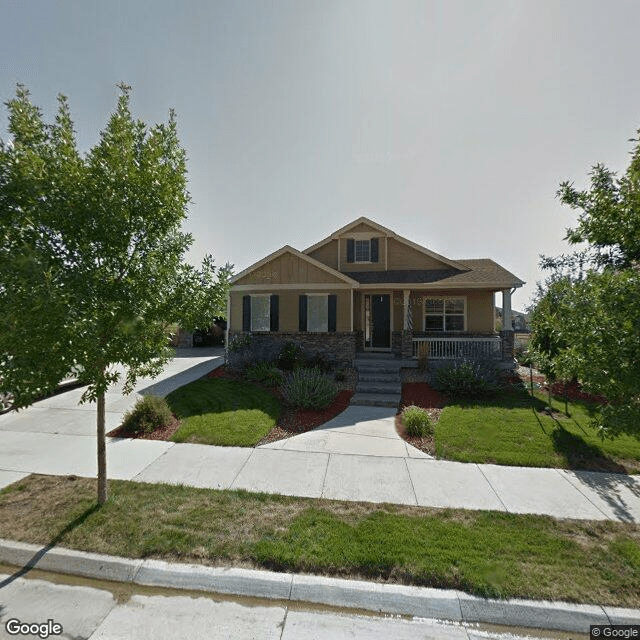
2866 Ironwood Circle, Erie, CO 80516
For more information about senior living options: (866) 208-4318
Charleston Assisted Living At Ironwood Costs & Pricing
Charleston Assisted Living At Ironwood presents a pricing structure that reflects its commitment to quality care and a comfortable living environment. For semi-private accommodations, residents can expect to pay $5,000 per month, which is considerably higher than the average cost in Weld County at $3,334 and slightly above Colorado's state average of $4,009. The private room option is priced at $5,500, again surpassing both the county's average of $4,032 and the statewide average of $4,142. While Charleston Assisted Living's rates may be on the higher end compared to regional benchmarks, they are indicative of the premium services and personalized care offered to their residents.
| Floor plans | Charleston Assisted Living At Ironwood | Weld County | Colorado |
|---|---|---|---|
| Semi-Private | $5,000 | $3,334 | $4,008 |
| Private | $5,500 | $4,032 | $4,142 |
Memory care communities with a similar price nearby
-
from +$450 / mo

MorningStar of Observatory Park
$5,450 to $8,300 / month22.9 miles away -
from -$380 / mo
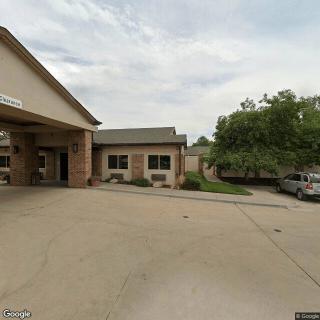
Garden Terrace Alzheimer's Center Of Excellence - Aurora
$4,620 to $5,940 / month24.1 miles away -
from -$905 / mo
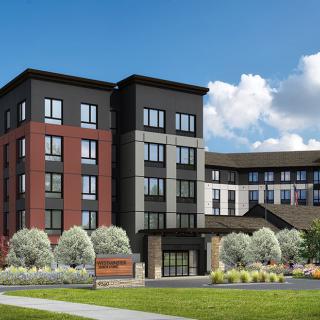
Hyland Hills
$4,095 to $7,495 / month9.7 miles away -
from -$484 / mo
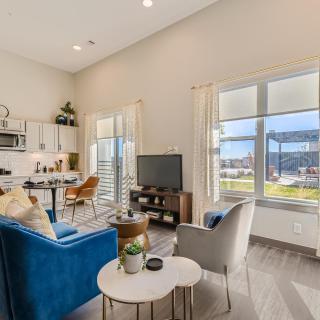
The Gallery at Broomfield Assisted & Senior Living
$4,516 to $5,419 / month1.2 miles away -
About the same
Villagio at Broomfield
$4,915 to $6,550 / month5.3 miles away
Overall Review of Charleston Assisted Living At Ironwood
Pros
 The staff provide a heartwarming welcome and comprehensive assistance.
- The environment has a quiet home life with attentive, caring support.
- Melissa is on top of things and offers comforting care for residents and their families.
- The facility makes it feel like home for residents in the next step of life.
- The staff take great care of residents, including Grandma, with personalized attention.
- The team really gets to know everyone.
Review
Charleston Assisted Living At Ironwood in Erie is best suited for families seeking a warm, home-like setting where dementia care and highly personalized assistance are the core offerings. The community reads as intimate and resident-centered, with staff who form meaningful, ongoing relationships with both residents and their families. Since a change in ownership in 2024, leadership under Melissa is repeatedly cited as a stabilizing force, on top of things, reassuring to families, and capable of translating individual care plans into daily practice. For seniors who value a predictable routine, compassionate day-to-day support, and a setting that feels less clinical, this community stands out as a practical fit.
Those weighing alternatives should consider options geared toward higher levels of medical acuity, larger campuses, or more expansive activities and amenities. If a resident requires extensive on-site medical oversight, aggressive rehab services, or frequent access to a broader continuum of clinical resources, a bigger facility or hospital-affiliated setting may be a better match. Likewise, families seeking a more independent transition with a wider range of social programs or campus-wide opportunities may prefer communities that emphasize lengthy activity calendars and broader wellness offerings. In short, for residents with more intensive medical needs or a desire for a more expansive campus, alternatives deserve consideration.
The strongest positives center on care that feels tailored and relational. The staff’s ability to get to know residents personally translates into care plans that genuinely reflect individual needs, especially for those navigating dementia. Families repeatedly note that care is not generic but customized, with caregivers who are attentive, patient, and consistently engaged. The home-like atmosphere reduces anxiety for residents and peace of mind for families, who can trust that daily routines, safety checks, and small moments of comfort are being attended to with care. The leadership transition appears to have sharpened accountability, so questions about care adjustments or schedule changes are met with clear, timely responses.
On balance, the best pros offset several practical downsides common to smaller, dementia-focused communities. The intimate size may mean a more limited menu of on-site activities and fewer sprawling amenities than larger campuses; however, the benefit is an environment where staff-to-resident interactions are frequent and meaningful, and where family communication feels straightforward rather than transactional. The emphasis on dementia-capable programming and staff familiarity often produces smoother transitions for residents who rely on routine and reassurance. While one cannot mistake the setting for a hospital or a resort, the reliability of care and the sense of belonging offered by the team consistently lessen the risks associated with memory loss and aging in place.
Ultimately, the decision hinges on priorities. For families prioritizing warmth, individualized attention, and a setting that treats residents as neighbors rather than numbers, Charleston Assisted Living At Ironwood delivers compelling value. For those who insist on expansive clinical services, broad social programming, or a campus with gambits of amenities, alternatives may provide a better fit. Prospective families should verify specifics that matter most: how care plans adapt as dementia progresses, the caregiver-to-resident dynamics on day-to-day shifts, and how the new ownership structure sustains continuity in staffing and programming over time. If the aim is a home-like, dementia-aware environment with trusted, proactive staff, this Erie community presents a persuasive option worth visiting.
 8 resident community capacity
 Assisted Living
 Board and Care Home
 Memory Care
 Activities on-site
 Cable or satellite TV
 Dining room
 Fully furnished
 Garden
 Housekeeping services
 Indoor common areas
 Move-in coordination
 Outdoor common areas
 Private
 Respite or short term stays offered
 Telephone
 Wheelchair accessible showers
 Wi-Fi/high-speed internet available
 Denver International (22 miles away)
 24-hour supervision
 Ambulatory care
 Assistance with bathing
 Assistance with dressing
 Assistance with transfers
 Diabetes diet
 Hospice waiver
 Incontinence care
 Meal preparation and service
 Medication management
 Mental wellness program
 Special dietary restrictions
 Transportation arrangement (medical)
 Transportation to doctors appointments

 Understanding Dementia Through Its Seven Stages: A Comprehensive Look at Progression and Expectations
 A Holistic Dementia Care Guide: Effective Strategies for Memory Support
 Comprehensive Insights into Activities of Daily Living (ADLs) and Their Assessment