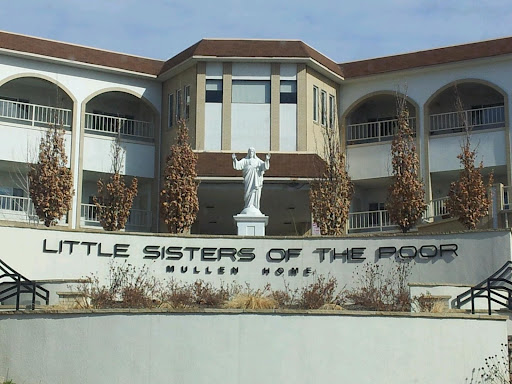
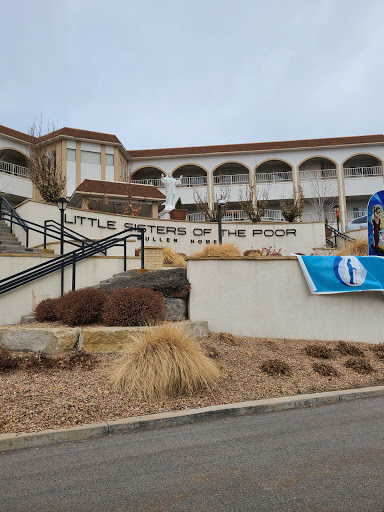


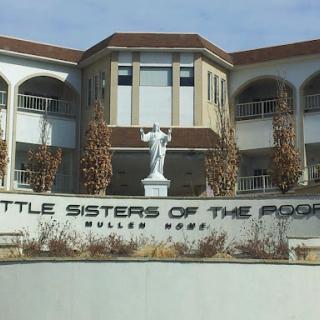

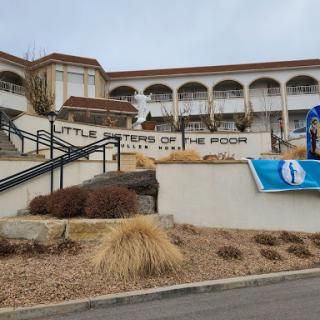

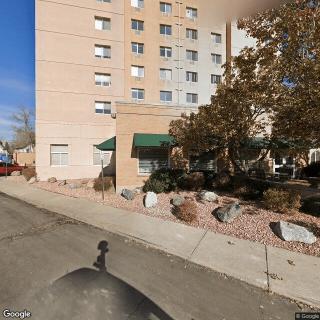
3629 W 29th Ave, Denver, CO 80211
To contact a resident: (303) 433-7221
For more information about senior living options: (866) 208-4318
Overall Review of Little Sisters of the Poor
Pros
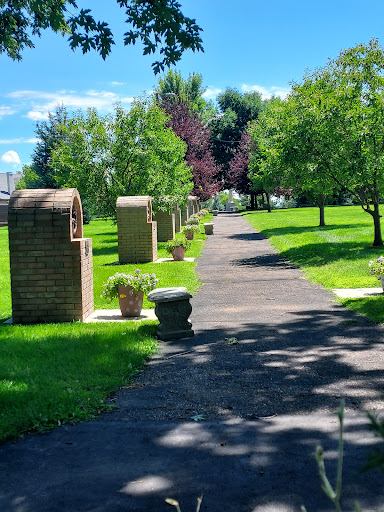
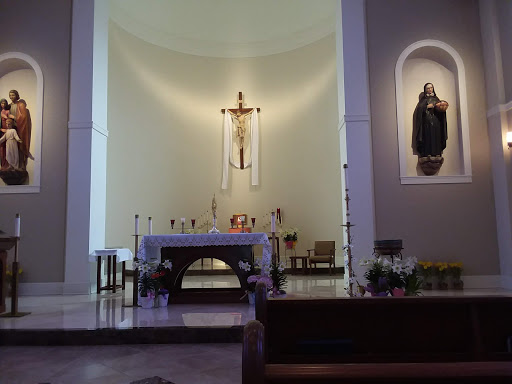
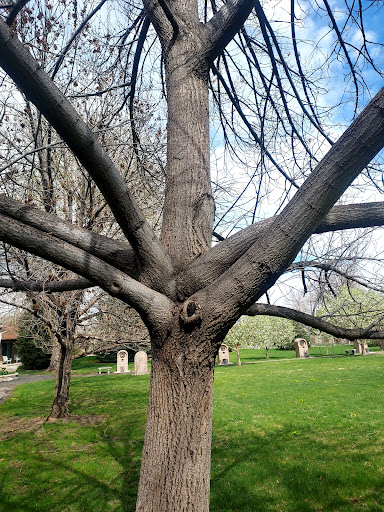
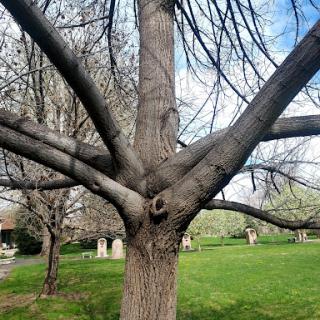
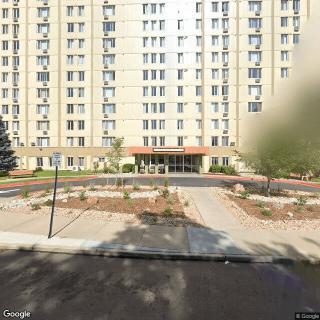
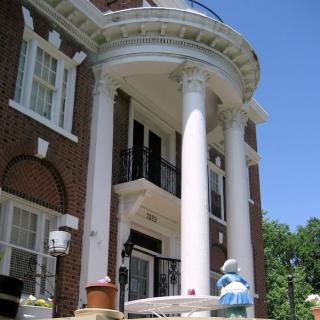
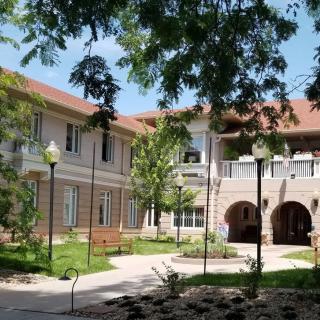
 The grounds are beautiful.
- The sisters are kind, fun, and generous.
- It is the best nursing home.
- They are taking great care of Vivian.
- The facility feels like home.
- The facility has a very clean, inviting atmosphere with friendly staff, volunteers, and residents.
- It is very quiet and peaceful.
- The staff are among the very best.
- The people are friendly, with residents and staff alike.
- The staff are the most caring the volunteer has ever seen, and residents are treated as family.
Cons
 Beautiful but they are moving out.
- Halloween here was very nice but be warned, they keep it warm on the upper levels for the seniors.
Review
Little Sisters of the Poor in Denver is best suited for seniors who want a warm, home-like setting with a strong sense of faith-driven caregiving and a staff culture that feels more like family than like a corporate operation. The community earns its high marks from a cadre of long-tenured caregivers, consistently kind and attentive interactions, and a quiet, peaceful atmosphere that many families associate with true daily life at home. Residents and families repeatedly describe the environment as bright, clean, and welcoming, with staff and volunteers who treat people with dignity, warmth, and personalized attention. This is not a sterile, high-rise experience; it is a modest, human-scale haven where connection matters as much as routine care.
Those weighing alternatives should consider secular or more clinically diverse options if the priority is a facility with broader medical specialization, aggressive rehabilitation programs, or a campus geared toward a more modern, “hotel-like” senior living vibe. If the expectation is a facility that emphasizes cutting-edge amenities or a purely secular setting, other communities may be a better fit. It is also worth noting a donor-policy nuance: the center welcomes clothing and toy donations but not food, which can influence family planning for volunteer or charity activities tied to the program. For families seeking a setting that centers less on religious mission and more on a broad medical-service footprint, an alternative could be preferable.
The strongest positives center on caregiving quality and relational culture. Multiple voices highlight that staff, including nurses and aides, are consistently caring, attentive, and quick to respond to changes in a resident’s condition. The atmosphere is described as peaceful and uplifting, with residents who feel treated like family. Longevity among the team, some staff members have been there for decades, translates into stable routines, better recognition of individual preferences, and fewer handoffs that can disrupt a person’s sense of security. Beyond direct care, the facility benefits from an engaged volunteer network, including medical professionals who contribute specialized attention without sacrificing warmth or accessibility.
Nonetheless, a few caveats deserve consideration. The reviews underscore the facility’s identity as a faith-informed, community-oriented home, which may not align with every family’s preferences. A couple of critical voices remind readers that the setting is not a generic “nursing home” experience and that the emphasis is rooted in a particular mission and culture. Budgeting and admissions support appear strong, families report helpful guidance with Medicaid and a patient, thorough admissions process, but prospective residents who want a secular environment or a facility that markets itself as a purely clinical care center should assess fit carefully. The impression of the campus as a home first, service second, may feel like a strength or a limitation depending on expectations.
Practical evaluation steps help translate these strengths and caveats into a concrete decision. Prospective families should during visits prioritize meeting direct caregivers and observing interaction quality, responsiveness, and how staff handle routine tasks (such as bruise reporting and daily comfort checks). Speak with the social worker and admissions staff to understand Medicaid pathways, ongoing care planning, and how memory care or palliative needs would be managed if they arise. Inquire about activity calendars, spiritual services, and volunteer programs to gauge whether the daily rhythm aligns with a resident’s preferences. Finally, request candid conversations with families of current residents to glean how the home life feels over time, not just in the first weeks.
The bottom line is clear: this community excels where warmth, continuity, and a sense of shared purpose are paramount. It is a best-fit choice for seniors who value a small-scale, spiritually oriented home that treats residents as family and prioritizes stable, compassionate caregiving. For those who seek a secular, highly medicalized, or ultramodern living environment, or who require a broader array of clinical services on campus, alternatives should be explored. Little Sisters of the Poor offers a compelling, deeply human option in Denver, one that often translates into lasting peace of mind for families who want their loved ones cared for with reverence, dignity, and genuine personal attention.
 Board and Care Home
 Denver International (21 miles away)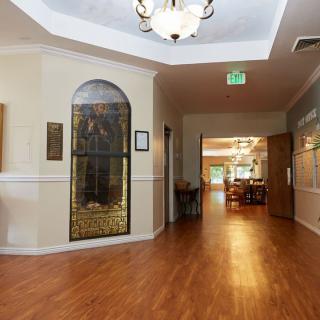

 Understanding Hospice Care at Home: Comprehensive Services, Key Benefits, and Eligibility
 Understanding the Full Cost of 24/7 In-Home Care: A Detailed Overview
 Exploring the World of Home Health Nurses: Qualifications, Roles, and Hiring Tips