The Gardens at St. Elizabeth offers an attractive alternative for those seeking residential options in the Denver area, with monthly costs that are notably lower than both Denver County and the broader state averages. For instance, a studio apartment at The Gardens is priced at $2,775, in stark contrast to the county's average of $3,646 and the state's average of $4,090. Similarly, one-bedroom units are available for $2,812 compared to Denver County's $3,768 and Colorado's $4,119. Even for two-bedroom accommodations, which are listed at $3,395 at The Gardens, this remains competitive against county and state figures of $3,789 and $4,580 respectively. These pricing advantages highlight The Gardens at St. Elizabeth as a compelling choice for individuals or families looking for quality senior living without the high price tag typically associated with the region.
Floor plans
The Gardens at St. Elizabeth
Denver County
Colorado
Studio
$2,775
$3,646
$4,088
1 Bedroom
$2,812
$3,768
$4,118
2 Bedrooms
$3,395
$3,789
$4,580
Skilled Nursing Facilities with a similar price nearby
from -$375 / mo
Montage Hills
4.3 from 194 reviews
$2,400 to $4,200 / month
9.2 miles away
from -$250 / mo
Marycrest Assisted Living
4 from 49 reviews
$2,525 / month
2.1 miles away
from +$505 / mo
Christopher House Rehabilitation And Care Communit
Residents describe genuinely caring, patient staff who help them feel safe.
A large share of reviewers emphasize how kind and attentive the staff feels day to day. Multiple people mention staff being patient and efficient, and several describe feeling safe and well cared for once their loved one settled in. A few reviewers also point to quick problem-solving when concerns come up, including help supporting residents with dementia.
common16 reviews mention this
Food and dining are a high point
Dining is repeatedly praised, with residents singling out quality meals.
Reviews frequently mention strong food and dining experiences, including praise for the chef and the overall variety of meals. Several people describe a more restaurant-style approach, including dining-room service and daily choices. A smaller number of reviewers note inconsistent quality on some days, and at least one person mentions concerns tied to food charges during a tour.
common18 reviews mention this
Activities keep residents engaged
Residents and families describe plenty of activities that help pass the day.
Many reviews highlight day-to-day engagement, with frequent references to activities like bingo, day trips, and on-site programs. Some reviewers call out particular favorites such as daily mass in the chapel and community outings that include local trips. Others suggest there could be more activities, but even the critiques tend to assume the community has an activity base worth expanding.
caveat3 reviews mention this
Limited transportation is a recurring issue
Transportation reliability and driver availability come up as concerns.
While some reviewers describe outings and trips, a recurring concern is transportation being limited or not dependable when it matters. At least one reviewer says the shuttle was not always reliable and that limited driver hours reduced how often they could get to appointments. Another mentions having to handle pharmacy runs themselves, suggesting scheduling support didn’t meet expectations.
caveat2 reviews mention this
Elevators and assisted living access
Elevator problems and assisted-living layout concerns are mentioned.
Some reviewers raise safety and convenience concerns related to elevators, describing frequent elevator issues and effective communication problems. A separate reviewer also mentions assisted-living navigation challenges, including the need for ramps and the use of elevators. These concerns stand out against many positive reviews about comfort and feeling at home.
caveat2 reviews mention this
Pricing can be a fit—or a stretch
Cost is mentioned directly, with some families asking about affordability.
The community’s pricing comes up in reviews, including one visitor who wasn’t sure they could afford it. At the same time, another reviewer describes the campus as having reasonable prices and mentions a way to align private pay with another program. Overall, cost appears to depend on how the move is planned.
How we summarize
Counts show how many written reviews mention each theme; a review can touch several themes, and only frequently mentioned themes are displayed.
Features
Housing
1-bedroom apartments
2-bedroom apartments
Studio apartments
Types of Care
Assisted Living
Independent Living
Skilled Nursing Facility
Pets
Cats allowed
Dogs allowed
Amenities
Activities off-site
Activities on-site
Air-conditioning
Beautician on-site
Cable or satellite TV
Devotional services on-site
Full kitchen
Indoor common areas
Kitchenette
Outdoor common areas
Private bathrooms
Wheelchair accessible showers
Transportation
Denver International (20 miles away)
Transportation & parking
Care Services
Ambulatory care
High acuity care
Incontinence care
Medication management
Dining
Anytime dining
Gluten-free
Guest meals
Low / no sodium
Meals provided
No Sugar
Professional chef
Restaurant style dining
Room service
Activities
Art classes
Catholic services
Day trips and outings
Devotional activities on-site
Educational speakers / life long learning
Happy hour
Live dance or theater performances
Live musical performances
Live well programs
Other religious services
Protestant services
Religious services
Wine tasting
Languages Spoken
English
Nearby Places of Interest
This neighborhood in Denver, Colorado offers a variety of amenities and services that cater to the needs of seniors. With multiple pharmacies, physicians' offices, and hospitals located within a few miles, residents have easy access to healthcare facilities. Additionally, there are several parks nearby for leisurely walks or outdoor activities. The abundance of cafes and restaurants provide plenty of dining options, while theaters offer entertainment choices. Public transportation is also accessible with the RTD Rail station nearby. Overall, this neighborhood is a convenient and well-equipped area for seniors looking to settle down in Denver.
Pharmacies
Walgreens (0.2 miles)
CVS Pharmacy (1.3 miles)
CVS Pharmacy (1.6 miles)
Walgreens (2 miles)
CVS Pharmacy (2 miles)
Walgreens (2.2 miles)
Walmart Pharmacy (2.3 miles)
Restaurants
Domino's Pizza (0.5 miles)
Linger (0.7 miles)
Little Man Ice Cream (0.7 miles)
Recess Beer Garden (0.7 miles)
My Brother's Bar (0.9 miles)
Happy Camper (0.9 miles)
My Neighbor Felix LoHi (0.9 miles)
Physicians
Highlands Integrative Pediatrics (0.8 miles)
Native Roots Dispensary (2.1 miles)
Denver Health: Gipson Eastside Family Health Center (2.6 miles)
Children's Medical Center (2.8 miles)
Dr Bassow (3.2 miles)
Cornerstone Orthopaedics & Sports Medicine (3.5 miles)
SCL Health Heart & Vascular Institute - Wheat Ridge (3.6 miles)
The Gardens at St. Elizabeth offers an attractive alternative for those seeking residential options in the Denver area, with monthly costs that are notably lower than both Denver County and the broader state averages. For instance, a studio apartment at The Gardens is priced at $2,775, in stark contrast to the county's average of $3,646 and the state's average of $4,090. Similarly, one-bedroom units are available for $2,812 compared to Denver County's $3,768 and Colorado's $4,119. Even for two-bedroom accommodations, which are listed at $3,395 at The Gardens, this remains competitive against county and state figures of $3,789 and $4,580 respectively. These pricing advantages highlight The Gardens at St. Elizabeth as a compelling choice for individuals or families looking for quality senior living without the high price tag typically associated with the region.
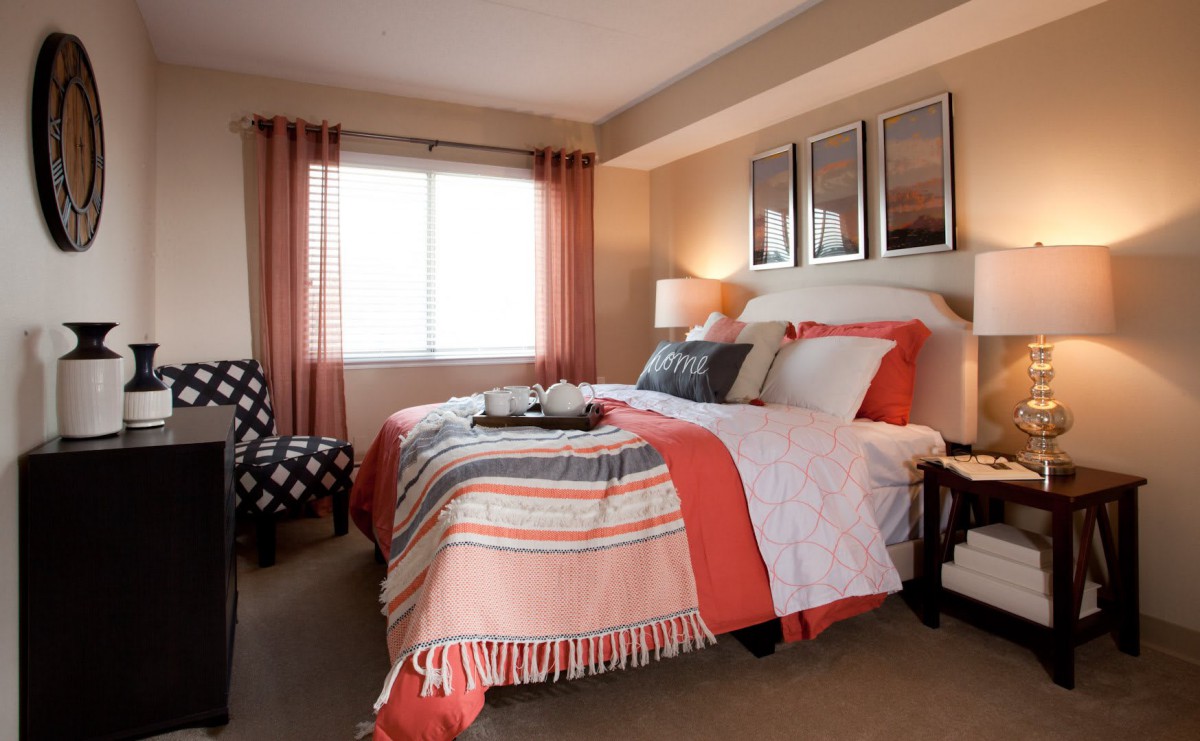
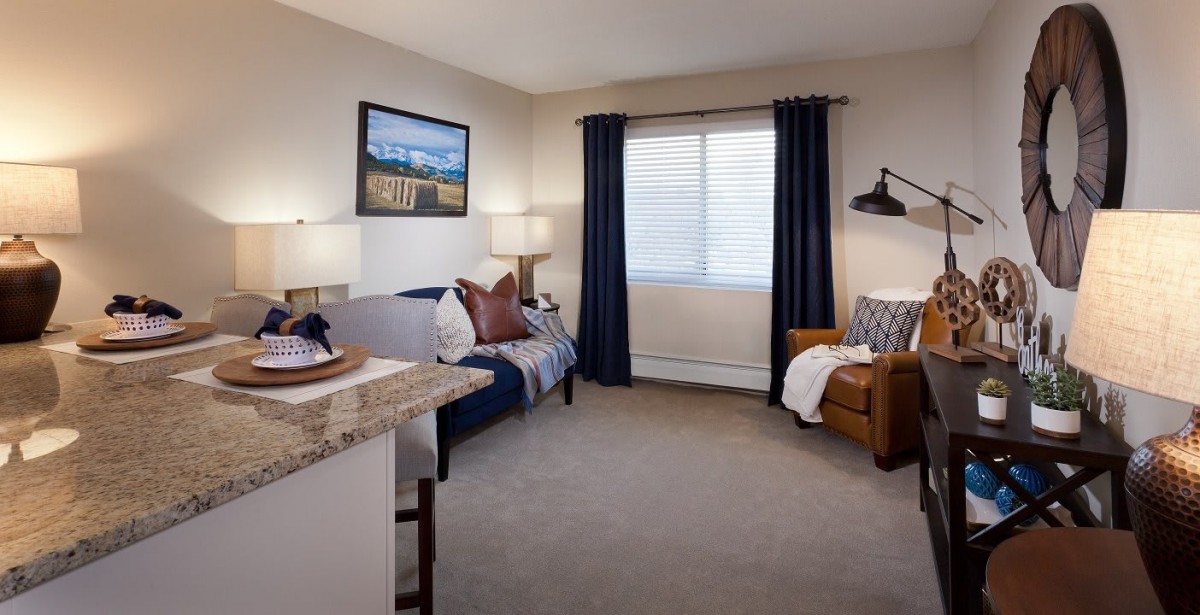
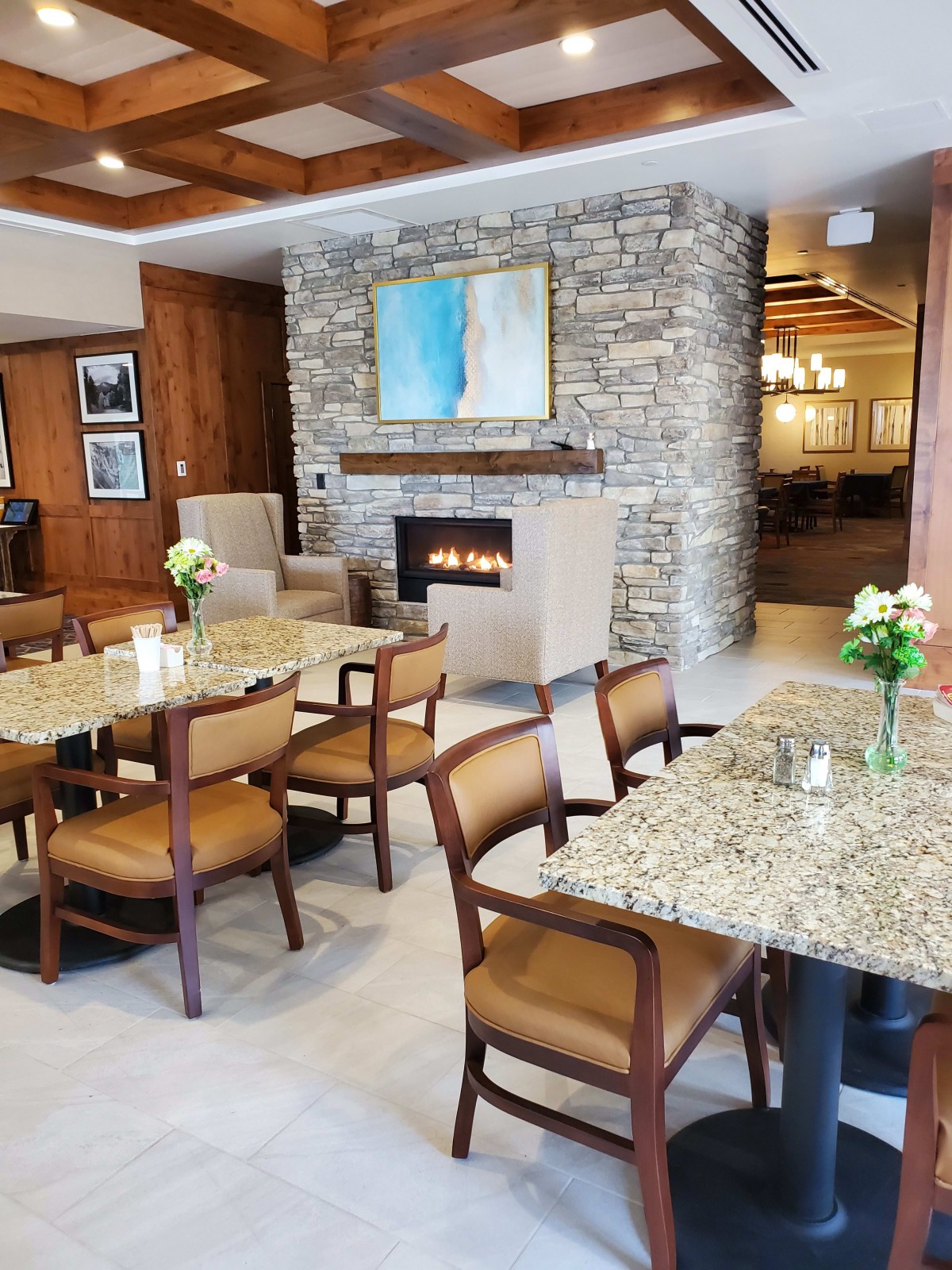
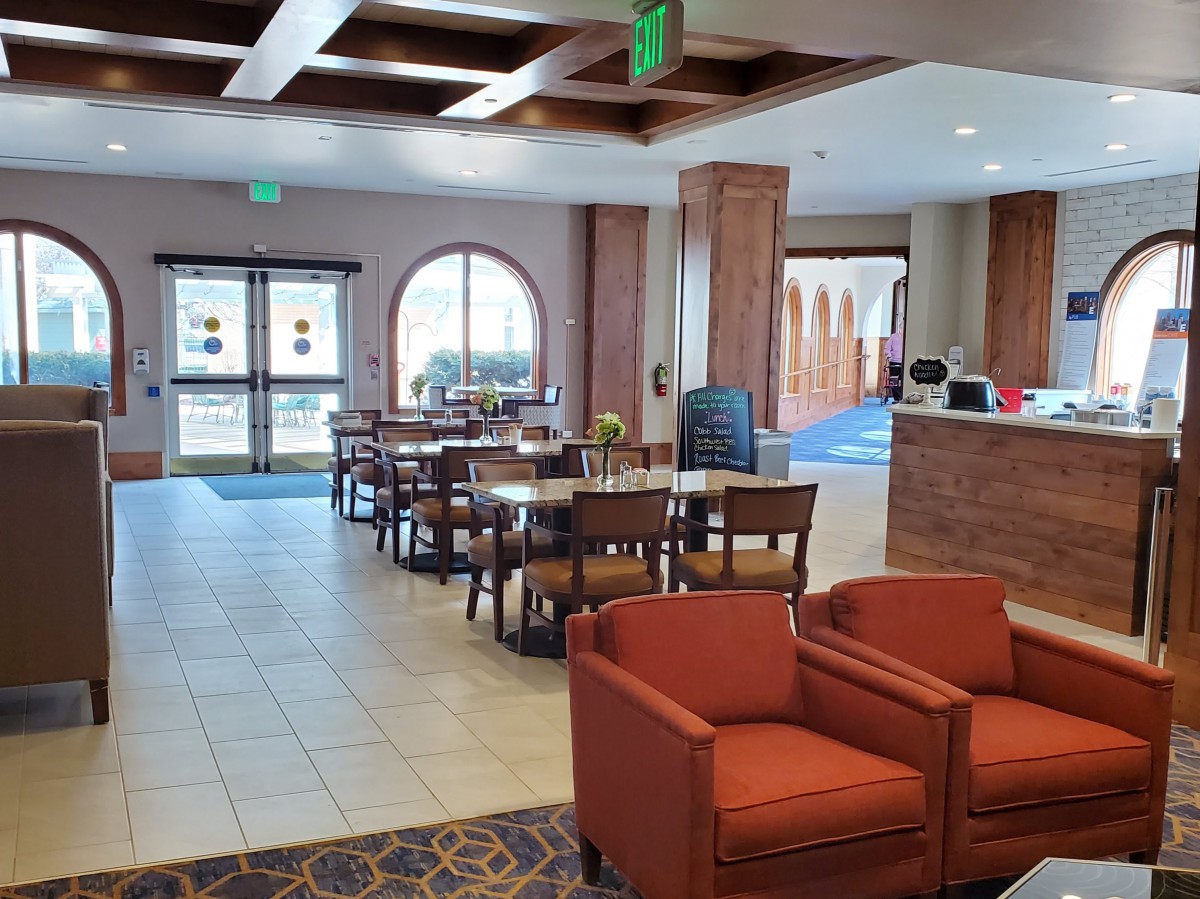
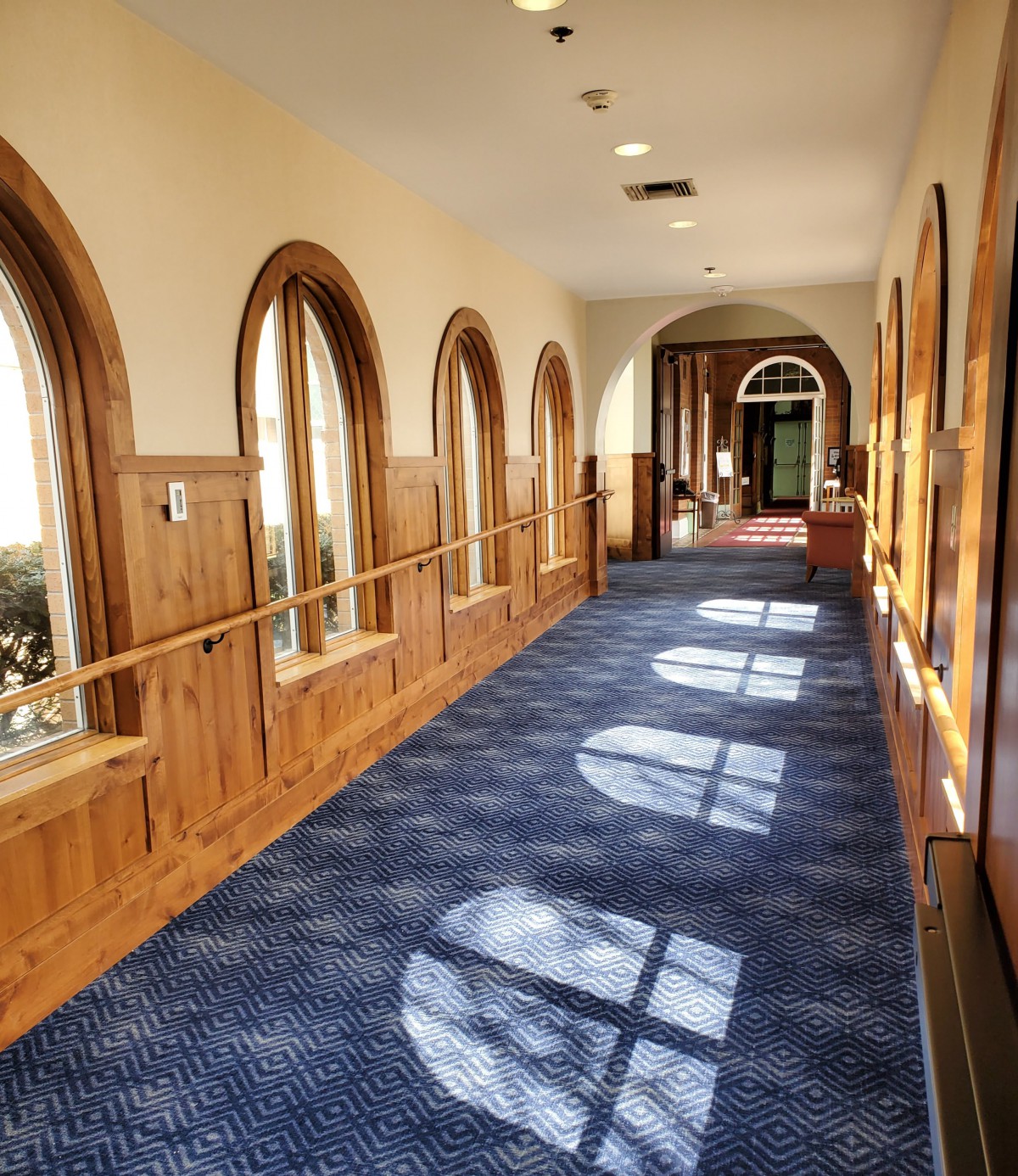
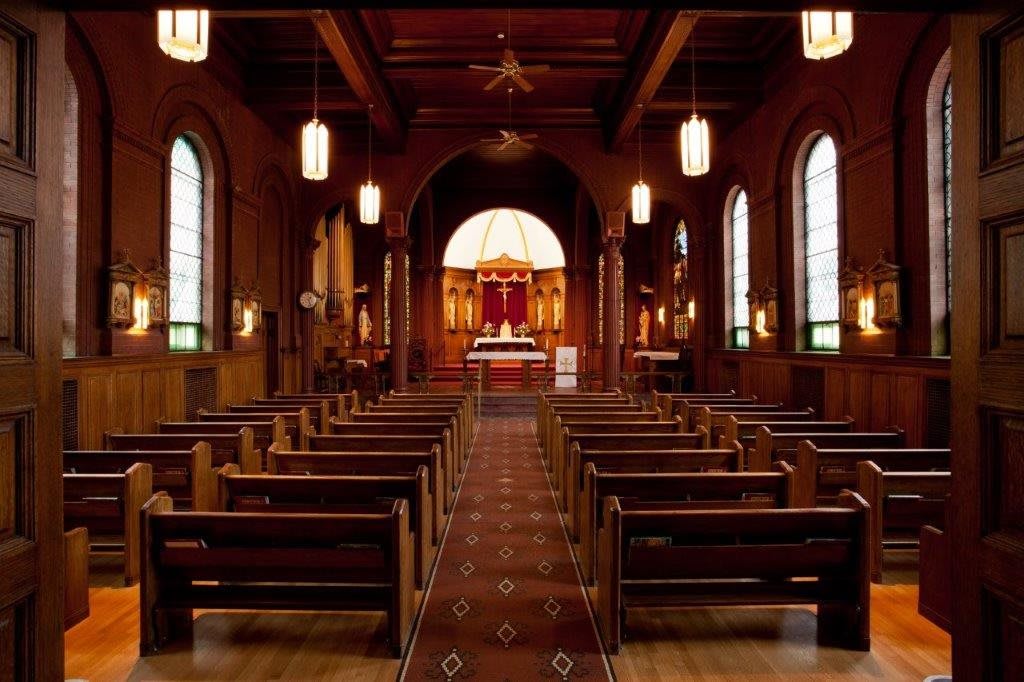
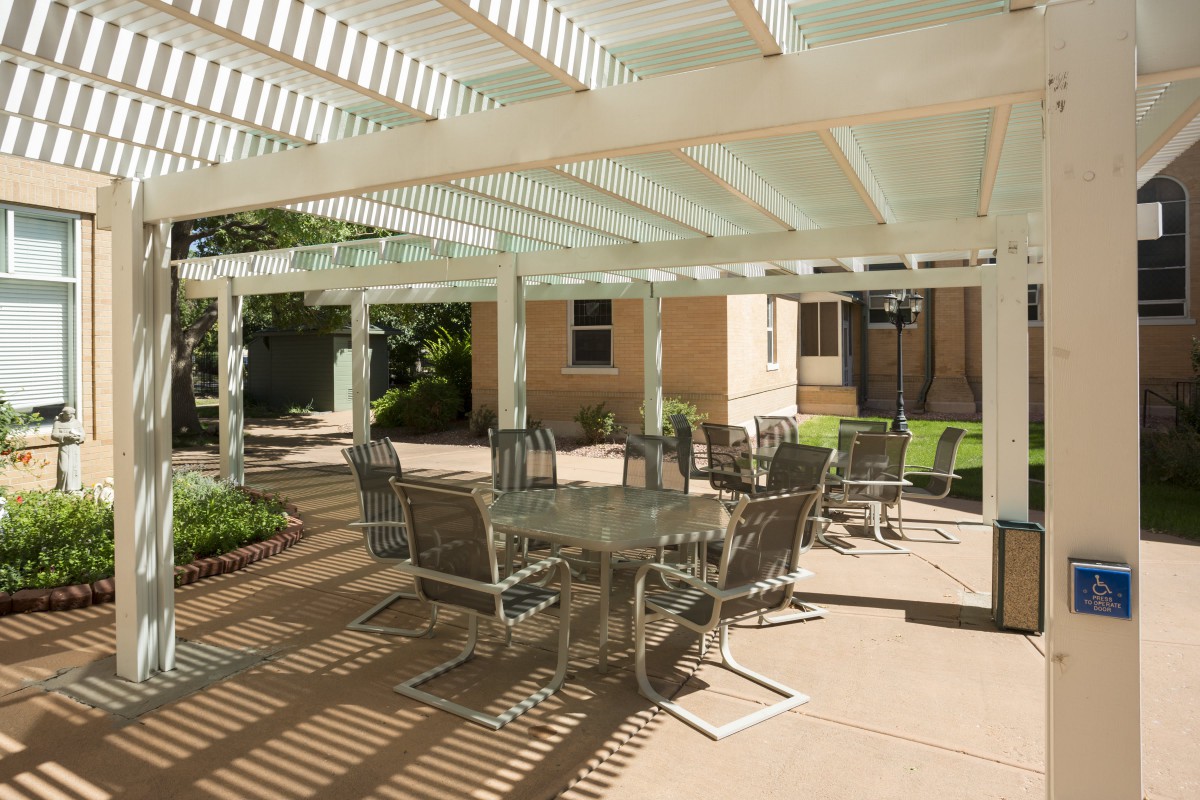
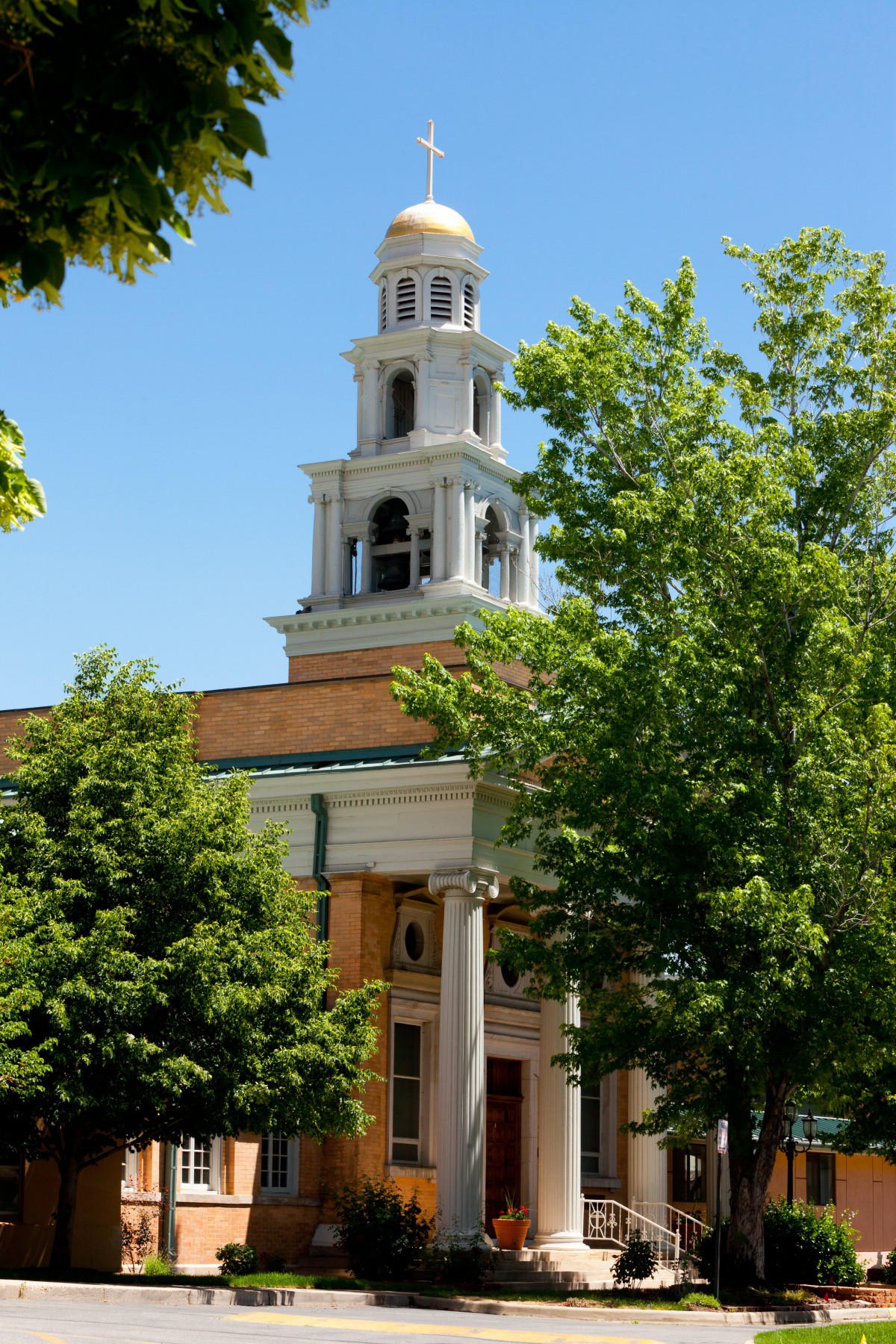
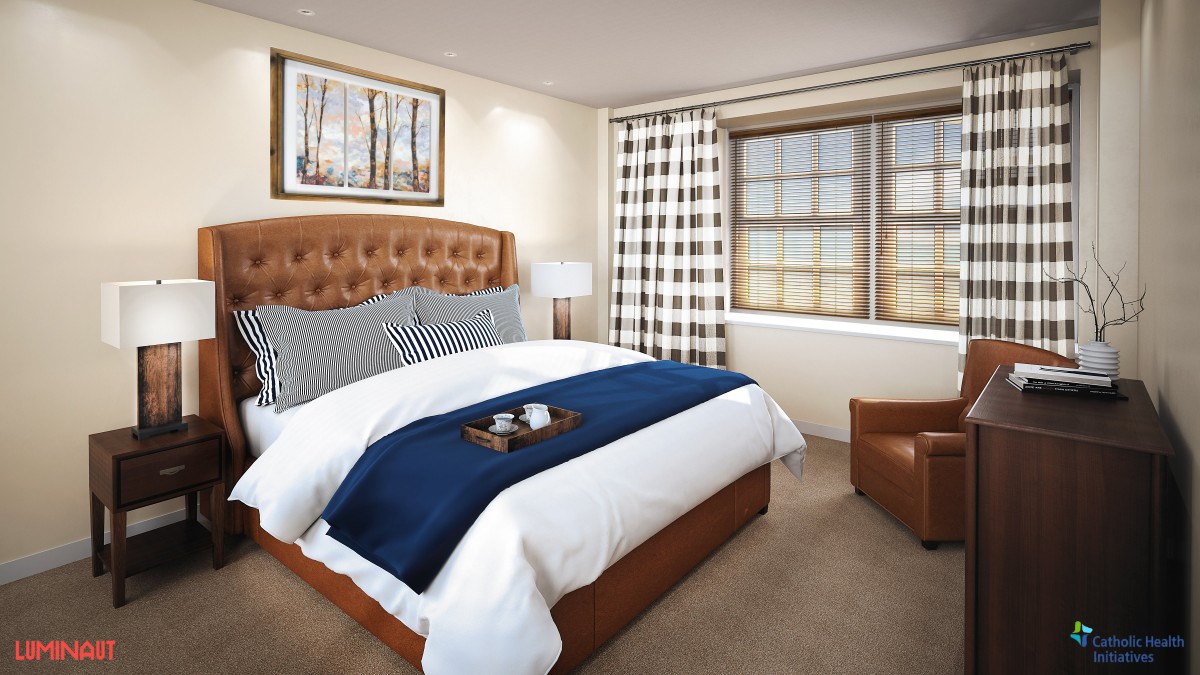
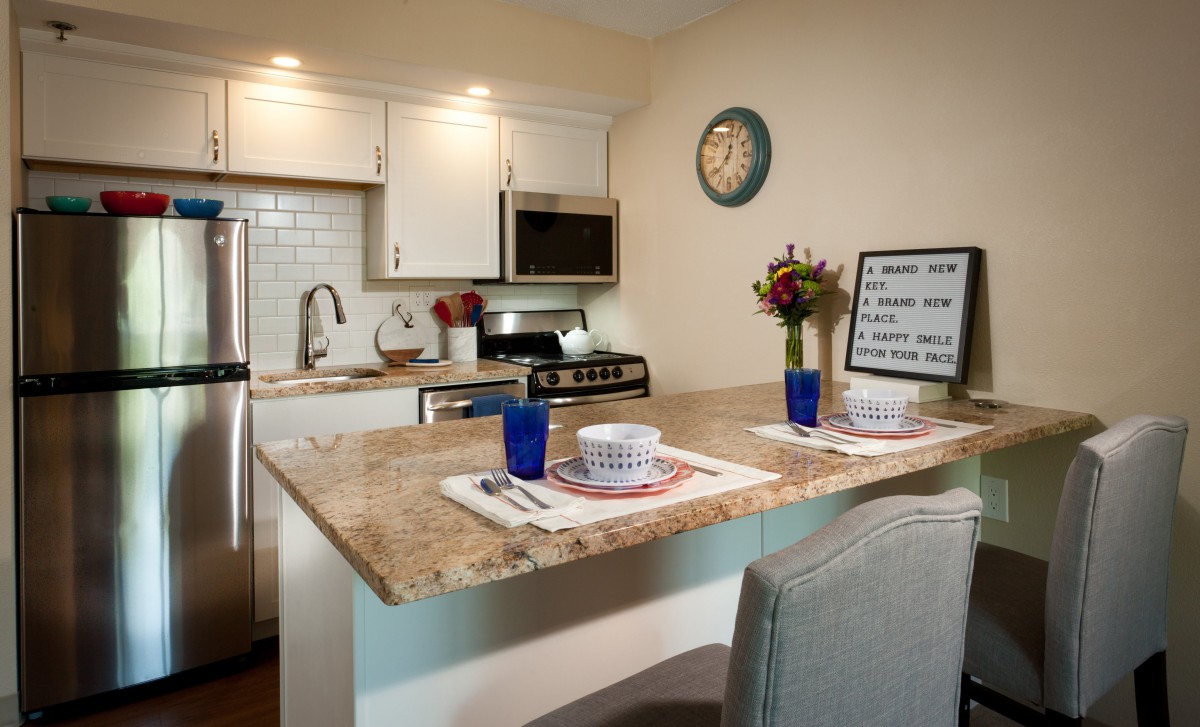
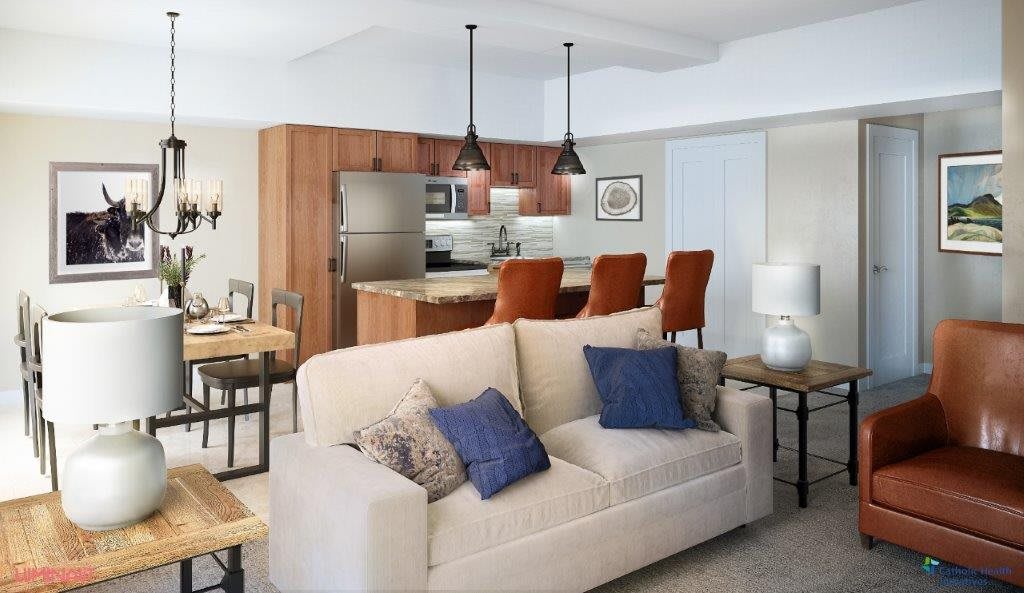
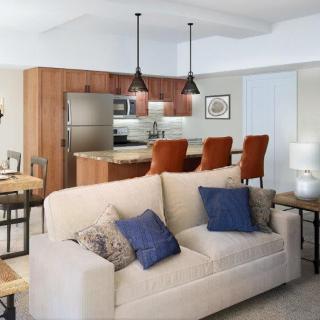
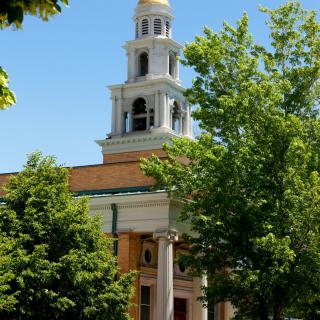
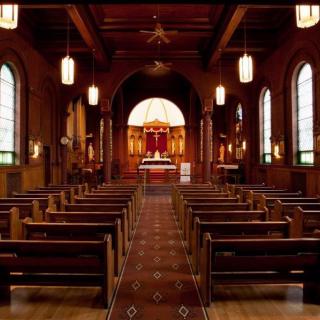
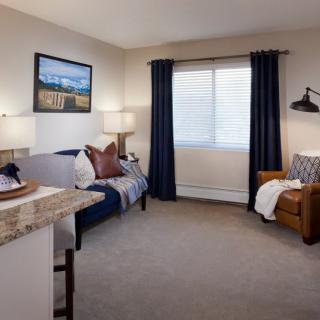
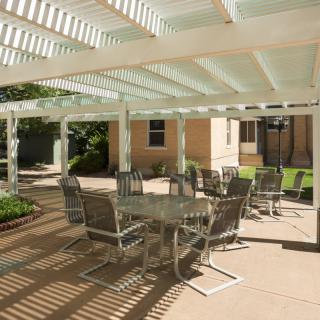
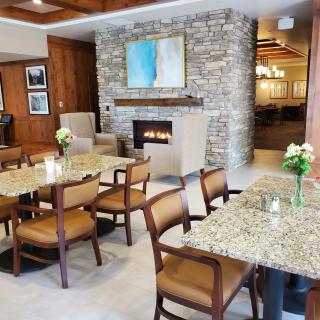
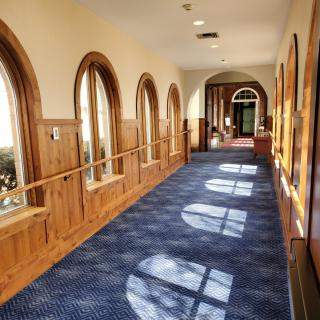
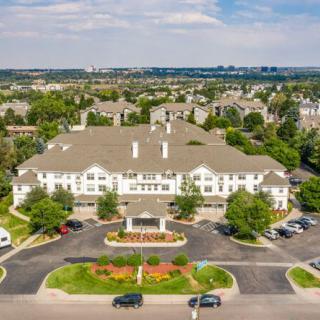
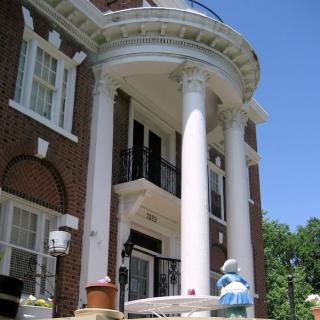
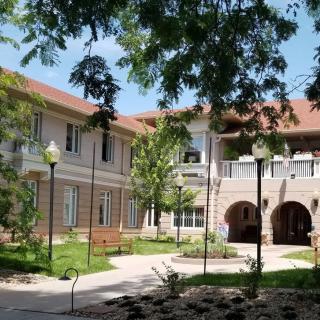
The Gardens at St. Elizabeth on seniors.fyi includes 15 photos including images showing interior, dining, bedroom, windows, decor, living room, architecture, fireplace, and more.
Nearby Communities
Centura Senior Life Center
Denver, CO
Memory care and skilled nursing options with convenient access to nearby amenities in central Denver.
Lennox Guest Home
Denver, CO
2.6 from 7 reviews
24/7 supervision with diverse amenities and respite care.
Park Place RTF
Denver, CO
4 from 50 reviews
Small, intimate 16-unit community with on-site dining and comprehensive care.
Gardens At St Elizabeth
Denver, CO
4.5 from 31 reviews
Decatur West Personal Care
Denver, CO
Specialized diabetic care and diabetes-friendly dining
Heather Grove Assisted Living
Denver, CO
3.3 from 15 reviews
$2,800 / month
Caring, attentive staff and a generally positive, supportive atmosphere.
Balfour at Riverfront Park
Denver, CO
4.3 from 37 reviews
$4,000 to $10,500 / month
Elegant amenities and a caring staff with strong resident-family communication.
The Argyle
Denver, CO
4.1 from 58 reviews
$3,500 / month
Friendly, attentive staff in a welcoming atmosphere with varied on-site activities and amenities.
Christopher House Rehabilitation And Care Communit
Wheat Ridge, CO
3 from 72 reviews
$3,280 to $3,936 / month
Competitive pricing relative to Jefferson County and Colorado averages.
The article examines the complexities of assisted living for individuals with disabilities, emphasizing the need for tailored care solutions that enhance quality of life and social inclusion, while addressing financial challenges and advocating for community integration. It discusses various housing options, the importance of financial assistance through public benefits, and highlights trends towards integrated and technology-driven solutions in disability-focused housing.
Assisted living for adults with disabilities has transformed to provide personalized care and support services aimed at improving residents' quality of life while balancing independence and assistance. However, low-income individuals often face challenges in affording these services, requiring navigation of various financial resources and advocacy for better policies and solutions.
Assisted living facilities provide support for older adults needing help with daily activities without extensive medical care, but their costs can be high and vary by location and services offered. Families often seek various funding options and financial strategies to manage these expenses effectively while considering future needs and potential price increases.
Modern Furniture, Pendant Lights, and Open Concept
Indoor Lighting
Get PricingAsk A QuestionSchedule A TourContact Senior Advisor
By clicking submit, you agree to our Partner's Terms of Use. You
also consent to receive calls and texts, which may be autodialed, from our Partner. Your consent is not a condition to
using our Partner's service. Please visit our Partner's Privacy Policy for information about their privacy practices.










 1-bedroom apartments
 Assisted Living
 Independent Living
 Skilled Nursing Facility
 Cats allowed
 Dogs allowed
 Activities off-site
 Air-conditioning
 Beautician on-site
 Cable or satellite TV
 Devotional services on-site
 Full kitchen
 Indoor common areas
 Outdoor common areas
 Private bathrooms
 Wheelchair accessible showers
 Denver International (20 miles away)
 Transportation & parking
 Ambulatory care
 High acuity care
 Incontinence care
 Medication management
 Anytime dining
 Art classes
 Catholic services
 Day trips and outings
 Educational speakers / life long learning
 Happy hour
 Live dance or theater performances
 Live musical performances
 Live well programs
 Wine tasting
 English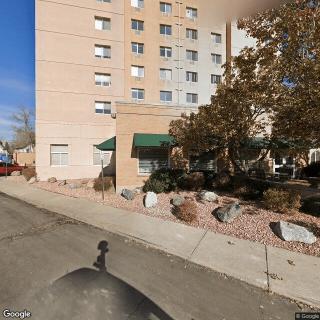
 Memory care and skilled nursing options with convenient access to nearby amenities in central Denver.


 Comprehensive Residential Support and Assisted Living Solutions for Individuals with Disabilities
 Comprehensive Supportive Living Arrangements for Adults with Disabilities
 Funding and Affording Assisted Living: A Thorough Overview