The Healthcare Resort Of Colorado Springs Costs & Pricing
The Healthcare Resort of Colorado Springs offers competitive pricing compared to both El Paso County and the broader state of Colorado. For instance, their studio apartments are priced at $3,500 per month, which is slightly above the county average of $3,458 but significantly lower than the statewide average of $4,090. Similarly, a one-bedroom unit at this facility costs $5,000 per month; while this rate surpasses the county's average of $3,564, it remains appealing when stacked against the state average of $4,119. Overall, The Healthcare Resort presents an attractive option for those seeking quality care in a desirable location while maintaining affordability within the context of local and state market trends.
Floor plans
The Healthcare Resort Of Colorado Springs
El Paso County
Colorado
Studio
$3,500
$3,458
$4,088
1 Bedroom
$5,000
$3,564
$4,118
Skilled Nursing Facilities with a similar price nearby
Overall Review of The Healthcare Resort Of Colorado Springs
common44 reviews mention this
Care team earns repeat praise
Residents and families repeatedly describe staff as kind, attentive, and responsive to needs.
A large share of reviews focus on how caring the staff feels day to day, with residents and visitors saying their questions and needs were met promptly. Multiple reviewers highlight nurses, CNAs, and therapists as supportive and professional, including during rehab and recovery after surgery or illness. Even when reviews include frustration, many still single out specific caregivers or teams as doing their best.
differentiator28 reviews mention this
Rehab therapies drive progress
Physical and occupational therapy, plus speech therapy, are central to residents’ recovery experiences.
Many reviews describe meaningful rehab work through physical therapy, occupational therapy, and speech therapy, often tying progress to getting stronger and working toward mobility goals. Several reviewers mention therapists being knowledgeable and encouraging, and some also note exercises being carried out between visits. In a few cases, residents criticize delays or pacing in therapy, but rehab programming remains a repeated focal point across reviews.
common22 reviews mention this
Food is a mix of hits
Meals are frequently called good or wholesome, though timing and quality come up at times.
Positive reviews mention good food, wholesome meals, and support from kitchen staff, with some reviewers comparing meals favorably to a hospital. At the same time, other reviews describe problems such as late meal delivery, lukewarm meals, or food that did not meet expectations. Overall, dining quality and logistics both show up in what families and residents are reacting to.
caveat15 reviews mention this
Communication and staffing concerns
Some reviewers report delays with calls, staffing coverage, and meal or care timing.
A recurring negative theme is that help can take too long when someone presses a call button, with accounts of waiting periods for assistance. Several reviews also connect the experience to understaffing, including issues like delayed meal service and long waits to be served. Other reviews describe phone or communication breakdowns that were later improved after escalation, suggesting inconsistency.
How we summarize
Counts show how many written reviews mention each theme; a review can touch several themes, and only frequently mentioned themes are displayed.
Features
Housing
28 resident community capacity
Types of Care
Assisted Living
Skilled Nursing Facility
Pets
Cats allowed
Dogs allowed
Amenities
Activities off-site
Activities on-site
Air-conditioning
Bath tubs
Beautician on-site
Beauty salon
Cable or satellite TV
Devotional services off-site
Devotional services on-site
Dining room
Fully furnished
Garden
Handicap accessible
Housekeeping services
Indoor common areas
Kitchenette
Move-in coordination
Outdoor common areas
Outdoor space
Respite or short term stays offered
Restaurant-style dining
Small library
Telephone
Wheelchair accessible showers
Wi-Fi/high-speed internet available
Transportation
City of Colorado Springs Muni (10 miles away)
Care Services
24-hour call system
24-hour supervision
Activities of daily living assistance
Ambulatory care
Assistance with bathing
Assistance with dressing
Assistance with transfers
Coordination with health care providers
Diabetes diet
Diabetic care
Incontinence care
Meal preparation and service
Medication management
Mental wellness program
Special dietary restrictions
Transportation arrangement (medical)
Transportation to doctors appointments
Dining
Anytime dining
Diabetes diet
Guest meals
International cuisine
Meals provided
No Sugar
Professional chef
Restaurant style dining
Special dietary restrictions
Activities
Art classes
Catholic services
Community-sponsored activities
Cooking classes
Devotional activities offsite
Devotional activities on-site
Educational speakers / life long learning
Jewish services
Mormon/LDS services
Other religious services
Protestant services
Resident-run activities
Scheduled daily activities
Visiting chaplain or priest
Nearby Places of Interest
This area of Colorado Springs, Colorado, offers a variety of amenities and services that may be attractive to seniors looking for a peaceful and convenient place to live. With several physicians' offices nearby, including specialists in vascular surgery and cancer treatment, residents have access to quality medical care. Additionally, the abundance of parks such as Garden of the Gods and Monument Valley Park provide opportunities for outdoor recreation and relaxation. There are also several dining options ranging from fast food chains like Taco Bell and McDonald's to sit-down restaurants like The Mason Jar, offering something for everyone. Places of worship such as Calvary Worship Center and Sacred Heart Catholic Church cater to residents' spiritual needs. Pharmacies like Walgreens are easily accessible for medication needs, while cafes like Starbucks and Jives Coffee Lounge offer cozy spots for coffee outings with friends. In case of emergencies or more serious health issues, hospitals like Penrose St Francis Hospital are just a short drive away, providing peace of mind for seniors in the area looking for reliable healthcare options.
Physicians
Paul B. Rahill, MD (0.2 miles)
Mountain View Medical Group At Centennial (0.8 miles)
Dr. S. Kent Olvey, MD (0.8 miles)
Asthma & Allergy Associates, PC (1.9 miles)
Mountain View Medical Group (1.9 miles)
CHPG Vascular and General Surgery (1.9 miles)
Penrose Cancer Center (1.9 miles)
Parks
Garden of the Gods (0.9 miles)
Garden Of The Gods Main Parking Lot (1.5 miles)
Siamese Twins (1.8 miles)
Monument Valley Park (1.9 miles)
Red Rock Canyon Open Space (2.4 miles)
Ute Valley Park (2.7 miles)
Pinon Valley Park (2.8 miles)
Restaurants
Waffle House (1.1 miles)
Taco Bell (1.6 miles)
McDonald's (1.6 miles)
The Mason Jar (1.6 miles)
Margo's Vienna Station (1.7 miles)
Chipotle Mexican Grill (1.8 miles)
Black Bear Diner Colorado Springs - Garden of the Gods (1.8 miles)
Places of Worship
Calvary Worship Center (1.2 miles)
Sacred Heart Catholic Church (1.9 miles)
First United Methodist Church (2.8 miles)
Pharmacies
Walgreens (1.6 miles)
Walgreens (1.6 miles)
Strawberry Fields (1.6 miles)
Walgreens (1.6 miles)
Penrose Main & In Patient Phrm (1.9 miles)
Pharmerica (2 miles)
Walgreens (2 miles)
Cafes
Starbucks (1.6 miles)
Jives Coffee Lounge (1.7 miles)
Adam's Mountain Cafe (2 miles)
Dutch Bros Coffee (2.2 miles)
Good Neighbors Meeting House (2.5 miles)
Panera Bread (3 miles)
Dutch Bros Coffee (3.4 miles)
Hospitals
Strawberry Fields Medical Dispensary (1.6 miles)
V A Clinic (2.2 miles)
Penrose St Francis Hospital (3.2 miles)
Audubon Ambulatory Surgery Center (3.3 miles)
UCHealth Emergency Care - Grandview Hospital (3.4 miles)
The Healthcare Resort of Colorado Springs offers competitive pricing compared to both El Paso County and the broader state of Colorado. For instance, their studio apartments are priced at $3,500 per month, which is slightly above the county average of $3,458 but significantly lower than the statewide average of $4,090. Similarly, a one-bedroom unit at this facility costs $5,000 per month; while this rate surpasses the county's average of $3,564, it remains appealing when stacked against the state average of $4,119. Overall, The Healthcare Resort presents an attractive option for those seeking quality care in a desirable location while maintaining affordability within the context of local and state market trends.
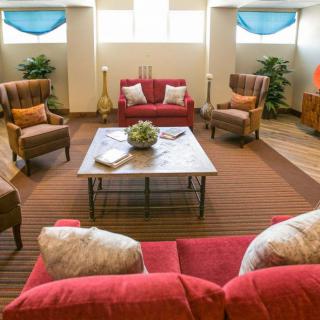
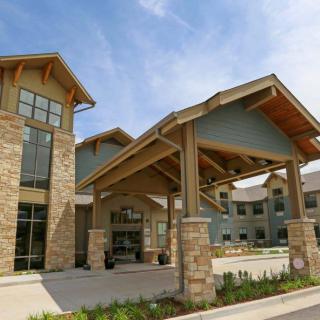
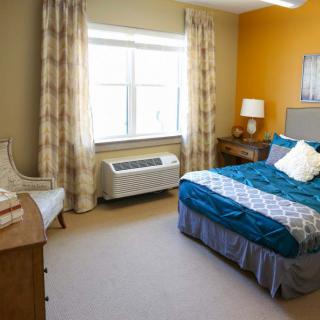
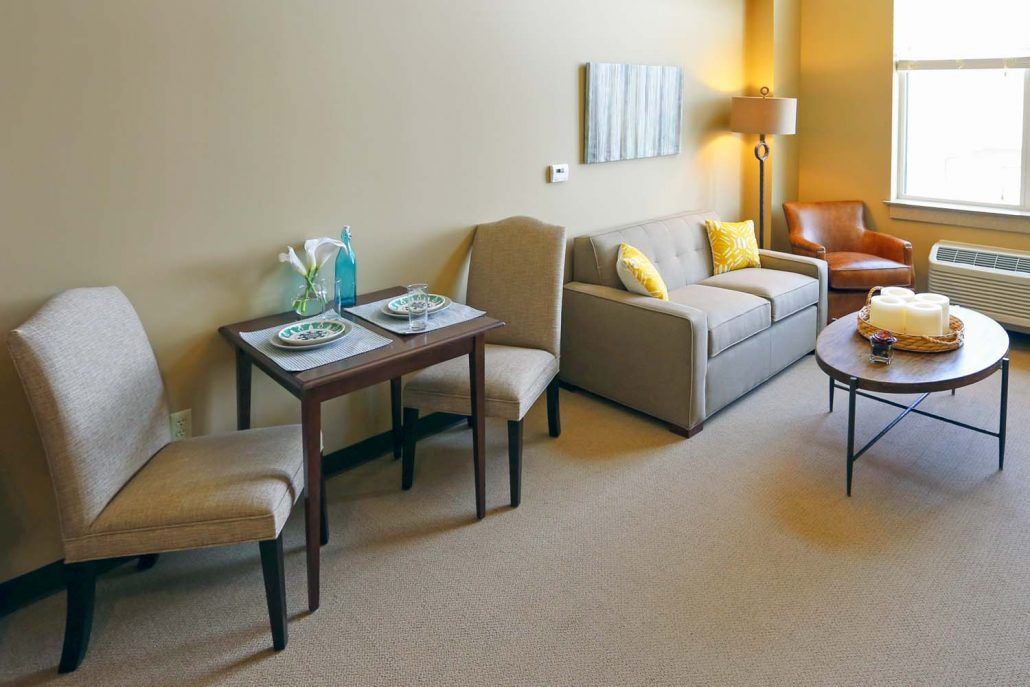
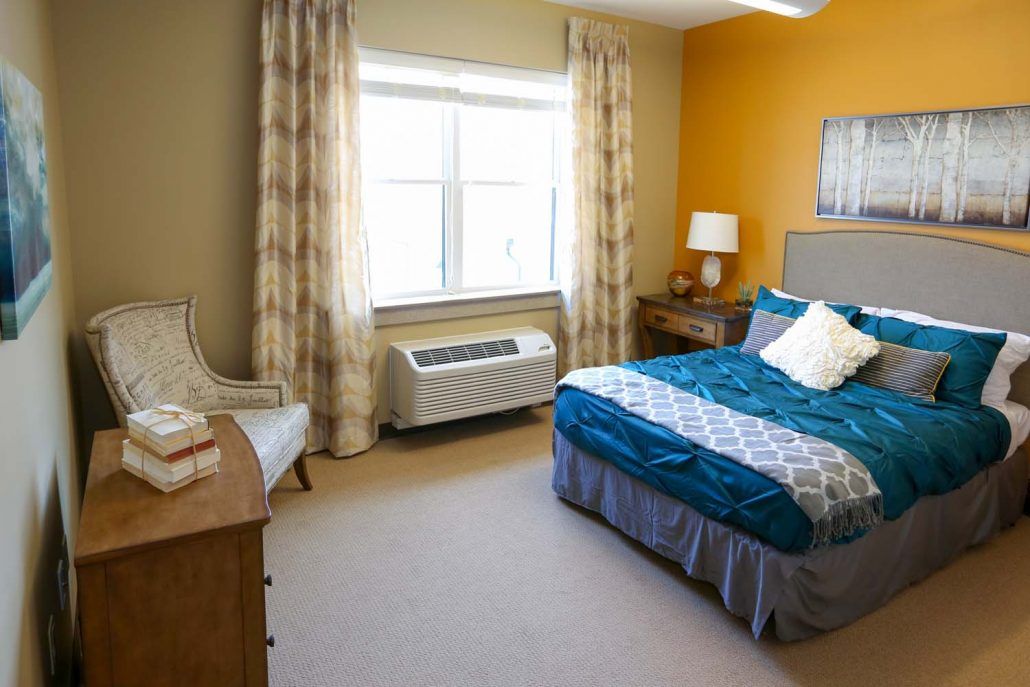
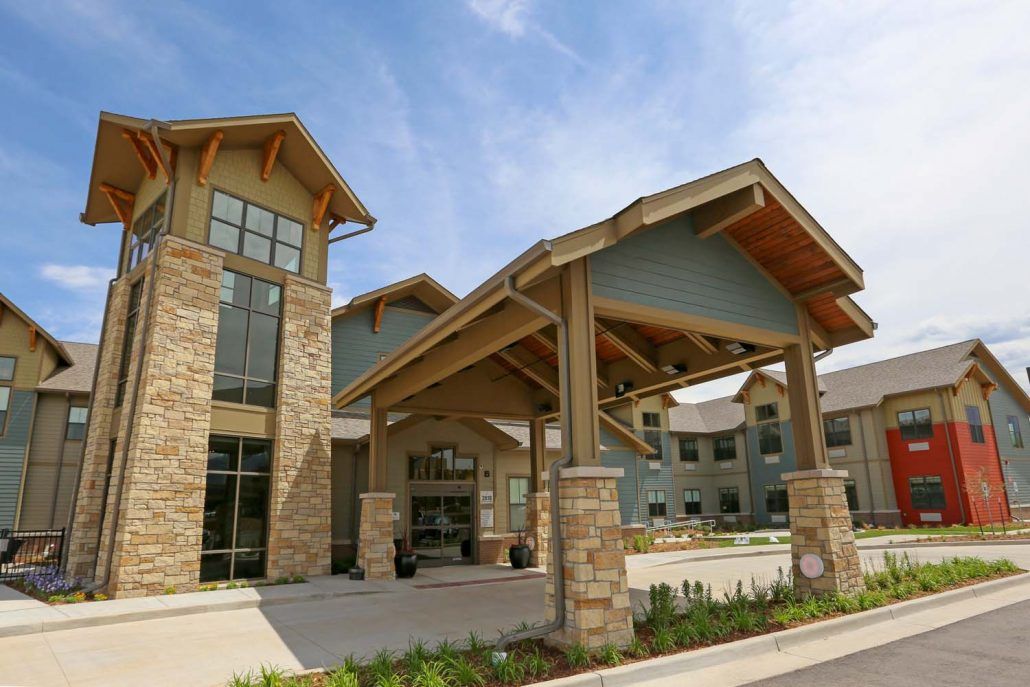
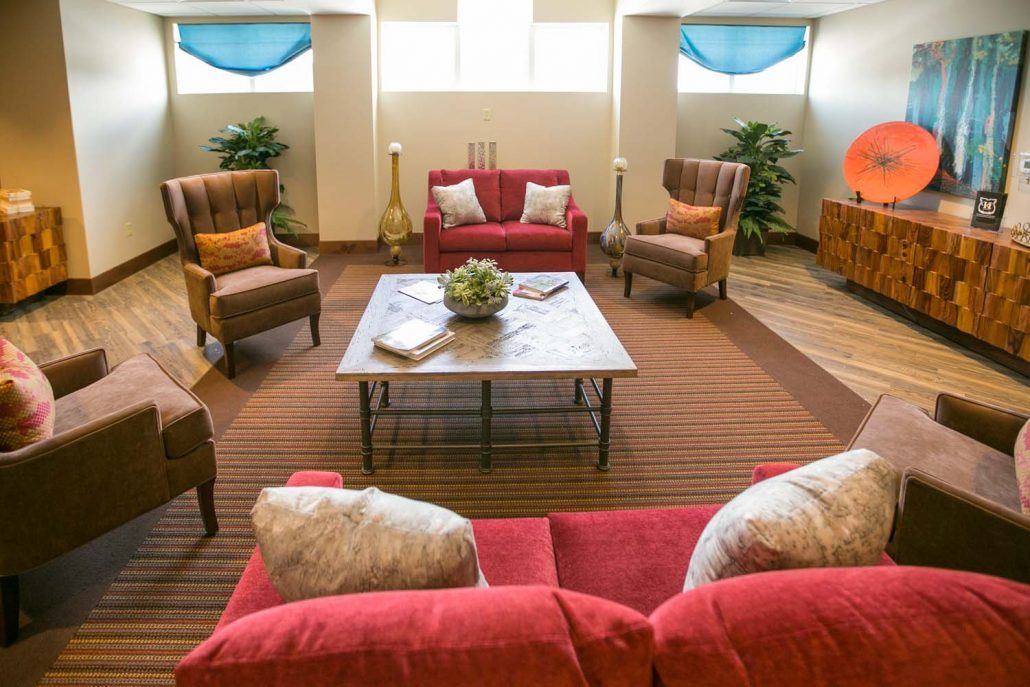
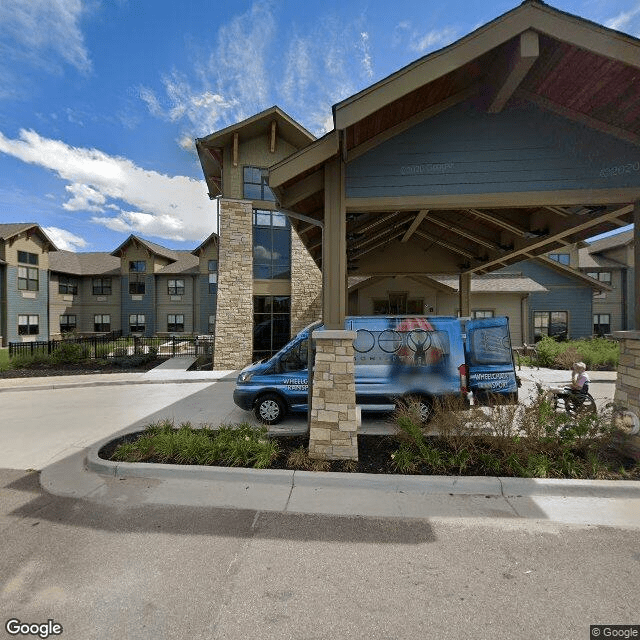
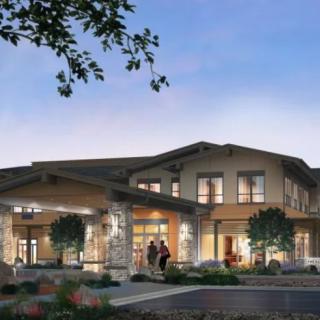
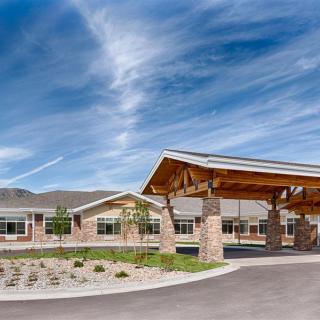
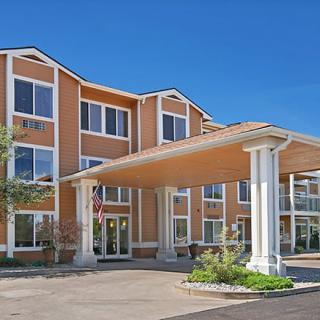
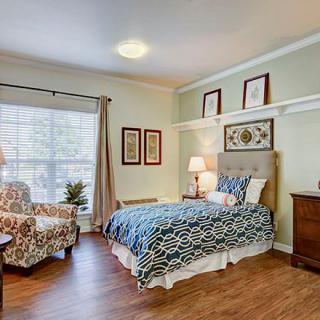
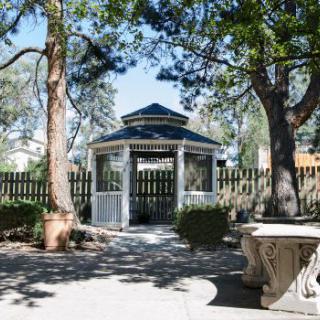
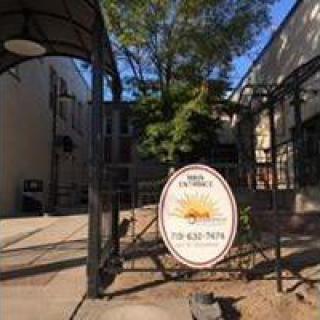
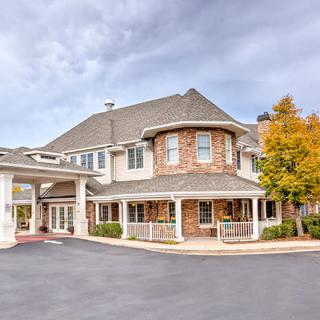
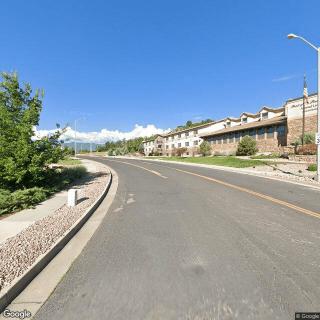
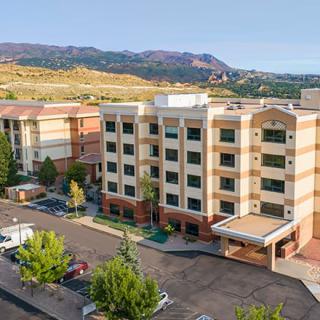
The Healthcare Resort Of Colorado Springs on seniors.fyi includes 5 photos including images showing interior, living room, decor, bedroom, windows, building, modern architecture, entrance, and more.
Nearby Communities
Center At Centennial
Colorado Springs, CO
3.4 from 160 reviews
Clean, spacious rooms with attentive staff and strong rehabilitation services.
Fillmore Crossing
Colorado Springs, CO
3.7 from 120 reviews
$550 to $825 / month
Affordable, pet-friendly living with on-site amenities.
GiGi's House
Colorado Springs, CO
4.7 from 3 reviews
$6,500 to $7,000 / month
Excellent staff-to-patient ratio in a home-like setting with engaging activities.
Gentle Care House
Colorado Springs, CO
4.3 from 53 reviews
Small, home-like setting with personalized care and comprehensive services.
Springs Village Care Center
Colorado Springs, CO
3.7 from 81 reviews
Caring, professional staff in clean, private rooms.
Sundance Skilled Nursing And Rehabilitation
Colorado Springs, CO
2.9 from 48 reviews
Clean, well-maintained facility with good dining and engaging activities.
Brookdale Monument Valley Park
Colorado Springs, CO
4.6 from 107 reviews
$3,615 to $5,553 / month
Warm, friendly staff in a home-like setting with engaging activities.
Point Of The Pines Gardens Assisted Living
Colorado Springs, CO
2.8 from 33 reviews
Attractive amenities with healthy meals and friendly, attentive staff.
Brookdale Skyline
Colorado Springs, CO
3.8 from 186 reviews
$2,445 to $5,795 / month
Warm, homelike environment with attentive staff and diverse activities.
The article discusses assisted living expenses, the importance of long-term care insurance in covering these costs, and various financing options, highlighting the need for careful policy review and early planning to address potential needs. It also clarifies common misconceptions about Medicare and private health insurance limitations regarding long-term care coverage.
Assisted living facilities offer crucial support for older adults needing help with daily activities but come with varying and significant costs, which can be financed through personal savings, government assistance programs, long-term care insurance, and home equity options. Professional guidance from experts can aid families in navigating these financial complexities to establish a sustainable budgeting approach for assisted living services.
Assisted living costs often exceed Social Security benefits, necessitating a combination of funding sources like state aid and Medicaid. Understanding the interaction between Social Security programs and available financial support is essential for affording such care.
Get PricingAsk A QuestionSchedule A TourContact Senior Advisor
By clicking submit, you agree to our Partner's Terms of Use. You
also consent to receive calls and texts, which may be autodialed, from our Partner. Your consent is not a condition to
using our Partner's service. Please visit our Partner's Privacy Policy for information about their privacy practices.

 28 resident community capacity
 Assisted Living
 Skilled Nursing Facility
 Cats allowed
 Dogs allowed
 Activities off-site
 Air-conditioning
 Bath tubs
 Beautician on-site
 Cable or satellite TV
 Devotional services off-site
 Dining room
 Fully furnished
 Garden
 Handicap accessible
 Housekeeping services
 Indoor common areas
 Kitchenette
 Move-in coordination
 Outdoor common areas
 Respite or short term stays offered
 Restaurant-style dining
 Small library
 Telephone
 Wheelchair accessible showers
 Wi-Fi/high-speed internet available
 City of Colorado Springs Muni (10 miles away)
 24-hour call system
 Ambulatory care
 Assistance with bathing
 Assistance with dressing
 Assistance with transfers
 Diabetes diet
 Diabetic care
 Incontinence care
 Medication management
 Mental wellness program
 Special dietary restrictions
 Transportation arrangement (medical)
 Transportation to doctors appointments
 Art classes
 Catholic services
 Cooking classes
 Educational speakers / life long learning
 Jewish services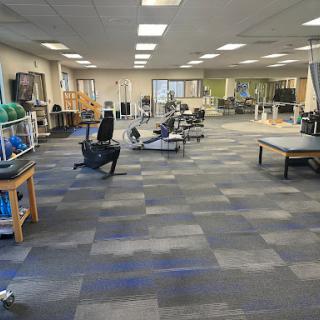
 Clean, spacious rooms with attentive staff and strong rehabilitation services.

 Assisted Living Expenses and Long-Term Care Insurance: A Comprehensive Exploration
 Securing Financial Support for Assisted Living: A Comprehensive Overview
 Social Security Benefits and Assisted Living: Navigating Options Across the U.S.