For more information about senior living options: (866) 208-4318
4.6 from 27 reviews
5 stars
24
4 stars
0
3 stars
0
2 stars
0
1 stars
3
Garden Ranch Senior Care Costs & Pricing
Garden Ranch Senior Care offers competitive pricing for its residential care services, with both private and semi-private rooms available at a monthly rate of $2,500. This cost is significantly lower than the average rates in El Paso County, where private room accommodations typically run around $3,946 and semi-private options are approximately $4,029. Additionally, when compared to state averages in Colorado - $4,142 for private rooms and $4,009 for semi-private facilities - Garden Ranch stands out as an affordable choice for seniors seeking quality care. This pricing structure reflects a commitment to providing excellent services while ensuring that financial accessibility is within reach for families and individuals in need of senior support.
Floor plans
Garden Ranch Senior Care
El Paso County
Colorado
Semi-Private
$2,500
$4,029
$4,008
Private
$2,500
$3,946
$4,142
Assisted Living communities with a similar price nearby
Residents describe attentive, individualized care with a family-like feel.
Multiple reviews highlight a home-like approach to care, with staff meeting needs and anticipating what families say their loved ones required. Several residents or family members describe being treated like family and receiving kindness, dignity, and warmth during difficult stages. Reviews also mention ongoing responsiveness with one-on-one attention, professional conduct, and consistent help for questions and daily support. A couple of lower ratings criticize care decisions and medical handling, but the majority of feedback is strongly positive about day-to-day support.
common8 reviews mention this
Communication and guidance stand out
Families say staff communicates clearly and helps them navigate next steps.
Several reviews emphasize clear communication with families, including day-to-day updates and reassurance about safety. A number of reviews also describe the administrator’s role in making families feel informed during the search or transition into care. Residents and families mention that staff answers questions promptly and provides helpful information that makes them feel more prepared. Taken alongside residents’ praise for responsiveness, this reads less like a single good interaction and more like a recurring part of the experience.
differentiator11 reviews mention this
Small, secure setting for dementia
Reviews repeatedly mention a smaller, secure environment for dementia support.
Residents’ families frequently describe a smaller, intimate, home-like setting that feels calmer than larger institutional options. Several reviews specifically reference dementia—describing that the environment supported well-being and that staff responded to behaviors like wandering attempts through alarms. Others point to features like a fenced backyard and a secure facility design that give families more peace of mind. Even among mixed feedback, the overall review stream consistently connects the setting and security to dementia care needs.
caveat2 reviews mention this
Some families report medical lapses
A small number of reviews describe serious concerns about medical recognition and follow-through.
Two reviews give low ratings and describe situations involving what the reviewer viewed as missed or delayed medical recognition. Both reviews also describe problems with how care could be provided shortly after admission and express strong frustration about what happened during a health event. Because these concerns are detailed and specific, they stand out against the largely positive comments about responsiveness and care. Potential residents and families may want to discuss medical needs and transitions explicitly before choosing this community.
How we summarize
Counts show how many written reviews mention each theme; a review can touch several themes, and only frequently mentioned themes are displayed.
Features
Housing
8 resident community capacity
Types of Care
Assisted Living
Board and Care Home
Amenities
Cable or satellite TV
Dining room
Fully furnished
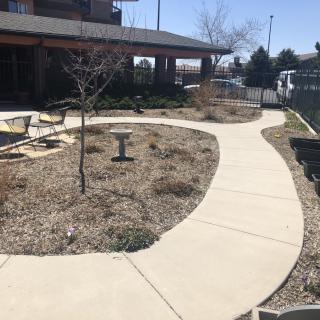
Garden
Housekeeping services
Move-in coordination
Outdoor space
Private
Telephone
Wi-Fi/high-speed internet available
Transportation
City of Colorado Springs Muni (8 miles away)
Care Services
24-hour supervision
Activities of daily living assistance
Ambulatory care
Assistance with bathing
Assistance with dressing
Assistance with transfers
Coordination with health care providers
Diabetes diet
Incontinence care
Meal preparation and service
Medication management
Special dietary restrictions
Transportation arrangement (medical)
Transportation to doctors appointments
Dining
Diabetes diet
Special dietary restrictions
Activities
Community-sponsored activities
Scheduled daily activities
Nearby Places of Interest
This part of Colorado Springs, Colorado, offers a convenient and diverse range of medical services, including physicians, hospitals, and pharmacies within close proximity. The presence of various cafes and restaurants provides opportunities for socializing and enjoying meals outside the home. Additionally, the nearby parks offer tranquil settings for leisurely walks or relaxation. The area also has accessible transportation options, such as U-Haul Moving & Storage, making it convenient for seniors to run errands or travel when needed. Overall, this neighborhood presents a well-rounded and accommodating environment for senior living.
Physicians
Mountain View Medical Group (1 miles)
Advantage Family Medicine (1 miles)
Dr Demaceo Howard (1.2 miles)
Premier Army Health Clinic (1.2 miles)
Dublin Primary Care (1.5 miles)
Colorado Springs Allergy and Asthma Clinic (1.6 miles)
Lindsey Szymaszek, DO | Sports Medicine (1.6 miles)
Hospitals
Surgical Center At Premier (1.2 miles)
UCHealth Emergency Care - Grandview Hospital (1.7 miles)
Garden Ranch Senior Care offers competitive pricing for its residential care services, with both private and semi-private rooms available at a monthly rate of $2,500. This cost is significantly lower than the average rates in El Paso County, where private room accommodations typically run around $3,946 and semi-private options are approximately $4,029. Additionally, when compared to state averages in Colorado - $4,142 for private rooms and $4,009 for semi-private facilities - Garden Ranch stands out as an affordable choice for seniors seeking quality care. This pricing structure reflects a commitment to providing excellent services while ensuring that financial accessibility is within reach for families and individuals in need of senior support.
The deductibility of assisted living expenses on taxes hinges on factors like the individual's medical condition and service nature, typically requiring the resident to be "chronically ill" per IRS definitions. Taxpayers may deduct eligible medical expenses related to personal care services but generally not rent unless primarily for medical care, and they should maintain thorough documentation to support claims while considering itemizing versus standard deductions.
The guide highlights the importance of assisted living facilities for aging veterans needing daily support, discusses unique challenges they face, and outlines available financial assistance from the VA, including the Aid and Attendance program. It emphasizes understanding eligibility criteria and navigating the VA system to access necessary benefits effectively.
The article compares assisted living and skilled nursing facilities, detailing their differing levels of assistance, medical support, cost structures, and day-to-day experiences. It emphasizes that assisted living is for those needing help with daily activities while maintaining independence, whereas skilled nursing facilities provide intensive medical care with 24-hour staff supervision.
Get PricingAsk A QuestionSchedule A TourContact Senior Advisor
By clicking submit, you agree to our Partner's Terms of Use. You
also consent to receive calls and texts, which may be autodialed, from our Partner. Your consent is not a condition to
using our Partner's service. Please visit our Partner's Privacy Policy for information about their privacy practices.

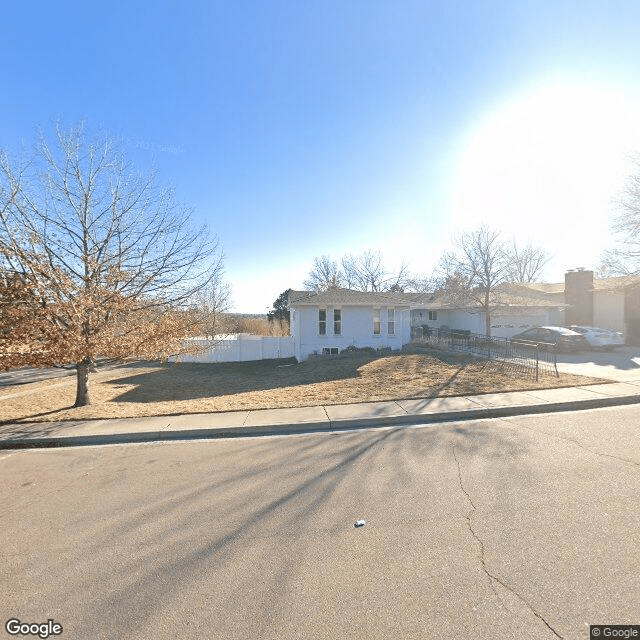
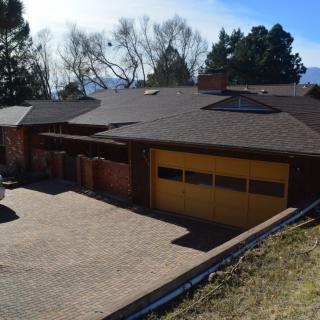
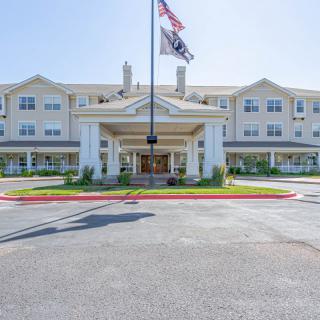
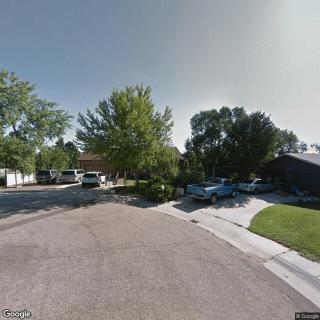
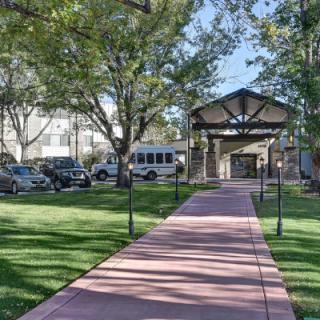
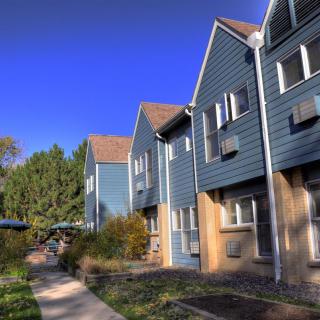
 8 resident community capacity
 Assisted Living
 Board and Care Home
 Cable or satellite TV
 Dining room
 Fully furnished
 Garden
 Housekeeping services
 Move-in coordination
 Outdoor space
 Private
 Telephone
 Wi-Fi/high-speed internet available
 City of Colorado Springs Muni (8 miles away)
 24-hour supervision
 Activities of daily living assistance
 Ambulatory care
 Assistance with bathing
 Assistance with dressing
 Assistance with transfers
 Diabetes diet
 Incontinence care
 Meal preparation and service
 Medication management
 Special dietary restrictions
 Transportation arrangement (medical)
 Transportation to doctors appointments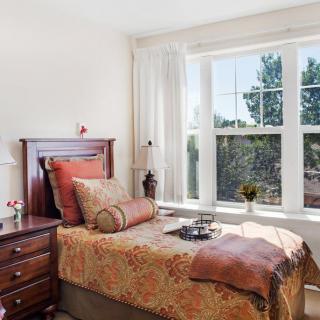
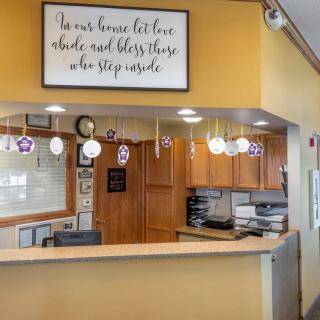
 Friendly staff, strong family communication, clean environment, and engaging activities in a smaller community.

 Is Assisted Living Deductible on Your Taxes? Understanding the Complexities of Assisted Living Expenses and Deductions
 Assisted Living Support for Veterans: A Complete and Detailed Overview
 Exploring the Contrasts Between Assisted Living and Skilled Nursing