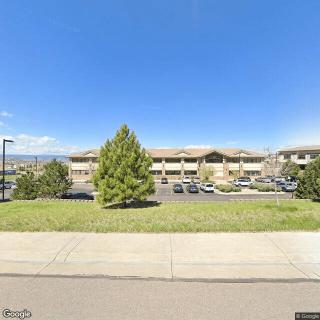
Assured Assisted Living 3 in Castle Rock, CO

815 Tarpan Place, Castle Rock, CO 80104

For more information about senior living options: (844) 490-3973

4.5 from 2 reviews
Assisted Living Board and Care Home Memory Care Respite Care Skilled Nursing Facility

Assured Assisted Living 3 Costs & Pricing

Assured Assisted Living 3 offers accommodations at a premium price point compared to the average costs in both Douglas County and the broader state of Colorado. For semi-private rooms, residents can expect to pay $6,200 per month, which significantly exceeds the local county average of $4,298 and the state average of $4,009. Similarly, private rooms are priced at $7,200, again well above Douglas County's figure of $4,485 and Colorado's average of $4,142. These higher costs may reflect enhanced services or amenities that Assured Assisted Living 3 provides, appealing to those seeking a higher level of care or a more personalized living experience in assisted living settings.

Floor plansAssured Assisted Living 3Douglas CountyColorado
Semi-Private$6,200$4,298$4,008
Private$7,200$4,485$4,142

Overall Review of Assured Assisted Living 3

Pros

  • pro The staff treated the family like their own and were supportive.
  • pro The smaller facility allowed him to receive more personal care and attention.
  • pro Based on their experience with Assured Assisted Living, they would absolutely recommend it to other families.
  • pro They are pleased with everything the community has done for them.
  • pro The mother-in-law is doing well, and the family is satisfied.
  • pro The mother-in-law is well cared for at this community.
  • pro The place is nice.

Cons

  • pro They wish they had found them sooner.

Review

Assured Assisted Living 3 in Castle Rock is best suited for families seeking a small, tightly run setting where personalized attention and a family-like staff culture shape daily life. The community clearly serves residents who respond well to consistent, one-on-one care and want a environment where staff know their names and routines. It is less aligned with families chasing a wide array of high-energy activities or extensive medical programming. With only two families weighing in so far, the feedback signals a warm, intimate atmosphere where caregiving feels personal and deliberate rather than corporate. For families prioritizing close-knit relationships and visible caregiver investment, this community stands out as a solid fit.

The strongest takeaway centers on staffing and culture. Review evidence repeatedly highlights staff who treat residents and families like part of the same team, delivering support with genuine warmth. The smaller scale translates into more hands-on attention, enabling residents to receive assistance promptly and with greater continuity. In practical terms, this means fewer people between the resident and a caregiver when help is needed, and care decisions that feel familiar and aligned with a family's goals. The upshot is a sense of security and trust that often eases worry for adult children managing a loved one's daily needs.

These strengths dovetail with meaningful, observable outcomes. In one account, a father's care was described as profoundly attentive, with staff acting as a reliable extension of the family. In another, a mother-in-law's condition improved while under the community's care, reinforcing the notion that consistent, personalized oversight can yield tangible benefits. For families weighing options, these are not abstract assurances; they translate into easier mornings, quicker response times, and a living environment where small but important routines - medication administration, mobility assistance, meal support - feel reliable and thoughtfully administered.

Yet the smaller footprint inevitably brings trade-offs. A compact community typically offers a quieter calendar and a more limited pool of activities and amenities compared with larger facilities. For families seeking a bustling social scene, frequent off-site trips, or a broad menu of enrichment programs, the pace here may feel restrained. Similarly, while the staff-to-resident ratio is a strength, the range of on-site medical oversight or specialized programs - such as dedicated memory care tracks or hospice coordination - may be less expansive than in bigger communities. These factors do not negate the care quality, but they are real considerations when matching needs to capacity.

With that in mind, who should consider alternatives? Families pursuing a setting with more robust, structured programming or higher-level medical supervision should compare options in larger complexes or communities with dedicated memory care wings and more full-time clinical staff. If the priority is a highly active social calendar, a diverse activity slate, or rapid access to a wide network of therapists and specialists, another option may better align with expectations. Those cost-conscious or seeking a more extensive outdoor or out-of-house engagement calendar might also prefer a different scale.

Ultimately, the decisive question is whether intimate, consistently loving care outweighs the potential limits on programming. For families that value quick, personalized attention and a warmth-driven caregiver culture, the pros here substantially offset the fewer activities and narrower medical footprint. The two strong affirmations - staff who feel like family and residents who show steady improvement under attentive care - translate into clear practical advantages: less caregiver turnover to navigate, faster responses to needs, and a day-to-day life that feels manageable and reassuring. Prospective residents should lean in, observe direct interactions, and confirm that the level of medical support and activity variety aligns with their specific care plan before choosing.

Features

Housing

  • 9 resident community capacity 9 resident community capacity
  • 1-bedroom apartments 1-bedroom apartments1-bedroom apartments are important for seniors because they provide a sense of independence, privacy, and autonomy while still offering the necessary space for comfortable living. These apartments allow seniors to maintain their own personal space and lifestyle preferences in a supportive community setting.

Types of Care

  • Assisted Living Assisted LivingAssisted living facilities provide crucial support and care for seniors who may need help with daily tasks such as medication management, bathing, and meal preparation. These communities offer a safe and comfortable environment where seniors can maintain their independence while receiving the assistance they need to thrive in their golden years.
  • Board and Care Home Board and Care HomeBoard and care homes provide a smaller, more intimate setting for seniors who require assistance with daily tasks but do not need the level of care offered by a nursing home. They offer personalized care, meals, and social activities in a homelike environment, ensuring that seniors receive individualized attention and support in their golden years.
  • Memory Care Memory CareMemory care is crucial for seniors as it provides specialized support and services for individuals with dementia or Alzheimer's disease. These programs offer a safe and secure environment where residents receive personalized care, cognitive stimulation, and help with daily activities. Memory care helps seniors maintain their independence, quality of life, and dignity while also providing peace of mind for their families.
  • Respite Care Respite CareRespite care provides temporary relief for caregivers, allowing them to recharge and attend to their own needs. It also gives seniors the opportunity to socialize, receive professional care, and experience a change of scenery, promoting overall well-being and reducing feelings of isolation.
  • Skilled Nursing Facility Skilled Nursing FacilitySkilled Nursing Facilities are crucial for seniors as they provide round-the-clock medical care, rehabilitation services, and assistance with daily activities. These facilities ensure that seniors receive the specialized care they need to maintain their health and well-being as they age.

Pets

  • Cats allowed Cats allowed"Pet friendly" senior living communities are important for seniors because pets provide companionship, reduce feelings of loneliness and depression, promote physical activity and mental stimulation, and offer a sense of purpose and responsibility. Pets can improve overall well-being and quality of life for seniors in many ways.
  • Dogs allowed Dogs allowed"Pet friendly" senior living communities are important for seniors because pets provide companionship, reduce feelings of loneliness and depression, promote physical activity and mental stimulation, and offer a sense of purpose and responsibility. Pets can improve overall well-being and quality of life for seniors in many ways.

Amenities

  • Activities on-site Activities on-siteActivities on-site are important for seniors because they provide opportunities for socialization, mental stimulation, physical activity, and overall well-being. Engaging in activities can help seniors stay active, maintain their independence, and improve their quality of life.
  • Bath tubs Bath tubsBath tubs are important for seniors because they provide a safe and relaxing way to bathe, helping to prevent slips and falls while promoting independence and overall well-being.
  • Beautician on-site Beautician on-siteHaving a beautician on-site at a senior living community is important for seniors as it allows them to easily access grooming and personal care services, boosting their self-esteem and overall well-being. It also provides convenience and helps seniors maintain their sense of independence and personal style.
  • Cable or satellite TV Cable or satellite TVCable or satellite TV is important for seniors because it provides entertainment, news, and companionship, helping to combat loneliness and boredom. It also offers a wide range of programming options tailored to different interests and preferences.
  • Devotional services on-site Devotional services on-siteDevotional services on-site provide seniors with spiritual support and a sense of community, as well as an opportunity for reflection and guidance during their senior living experience. This can promote emotional well-being and connection to others, leading to a more fulfilling and enriching lifestyle in their later years.
  • Dining room Dining roomDining rooms are important for seniors as they provide a space for socialization, connection, and nutritious meals. They offer opportunities for residents to bond over shared meals, foster a sense of community, and promote healthy eating habits. Dining rooms also ensure that seniors have access to well-balanced meals tailored to their dietary needs and preferences.
  • Fully furnished Fully furnishedFully furnished senior living communities are important for seniors because they provide convenience, comfort, and a hassle-free moving experience. Seniors can easily settle into their new living space without the stress of having to buy and move furniture. This allows them to focus on enjoying their new home and community.
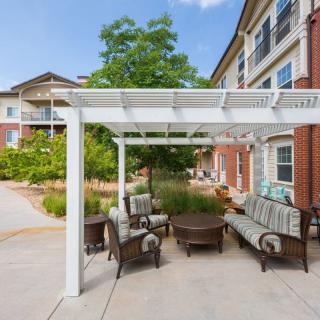
  • Garden GardenGardens are important for seniors as they provide a peaceful and therapeutic environment for relaxation, physical activity, and socialization. Being in nature has been shown to reduce stress, improve mood, and promote overall well-being. Gardens also offer opportunities for seniors to engage in gardening activities, which can improve mobility, flexibility, and cognitive function. Additionally, gardens create a sense of community and connection with others who share a passion for plants and outdoor spaces.
  • Guasts at mealtime Guasts at mealtime"Guests at mealtime" offer seniors the opportunity for social interaction, companionship, and a sense of community during meals, which can help combat feelings of loneliness and isolation commonly experienced in senior living environments. It can also enhance their overall dining experience and improve their mental and emotional well-being.
  • Guest parking Guest parkingGuest parking is important for seniors because it allows their friends and family members to visit them easily and safely. Having convenient parking options can help combat feelings of isolation and loneliness, promote regular social interaction, and improve overall mental and emotional well-being for seniors in senior living communities.
  • Hiking trails Hiking trailsHiking trails are important for seniors as they provide opportunities for exercise, socialization, and connecting with nature. This physical activity can help improve overall health and well-being, while also promoting mental clarity and reducing stress. Additionally, hiking can be a fun and enjoyable way for seniors to stay active and engaged in their community.
  • Housekeeping services Housekeeping servicesHousekeeping services are important for seniors because they help maintain a clean and safe living environment, promote independence, and reduce the risk of accidents or illnesses. Additionally, having assistance with household chores can alleviate physical strain and allow seniors to focus on other aspects of their well-being.
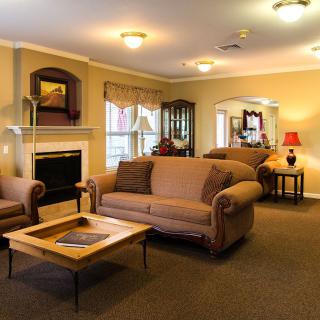
  • Indoor common areas Indoor common areasIndoor common areas are crucial for seniors as they provide a space for socialization, recreation, and community engagement, promoting overall well-being and reducing feelings of isolation and loneliness.
  • Laundry LaundryLaundry services are important for seniors as they may have difficulty with physical tasks such as bending, lifting, or carrying heavy loads. Having access to laundry services can help seniors maintain personal hygiene, cleanliness, and independence in their daily lives.
  • Move-in coordination Move-in coordinationMove-in coordination is important for seniors because it helps ease the transition into their new living environment. It ensures that all logistics, such as packing, organizing movers, and setting up utilities are taken care of, allowing seniors to focus on settling in and adjusting to their new home. Having a smooth move-in process can alleviate stress and anxiety, making the transition smoother and more enjoyable for seniors.
  • Outdoor common areas Outdoor common areasOutdoor common areas are important for seniors as they provide a space for socialization, physical activity, and relaxation. Being outside in nature can improve mood and overall well-being, while also encouraging movement and engagement with others. These spaces can help combat feelings of isolation and promote a sense of community among residents.
  • Outdoor space Outdoor spaceOutdoor spaces are important for seniors as they provide opportunities for physical activity, social interaction, exposure to natural light and fresh air, and a sense of connection to nature. Having access to outdoor spaces can improve overall well-being and quality of life for older adults living in senior communities.
  • Overnight guests Overnight guestsOvernight guests provide companionship, social engagement, and emotional support for seniors in senior living communities. They can help reduce feelings of loneliness, isolation, and boredom, while also promoting mental well-being and overall quality of life. Additionally, overnight guests can offer a sense of familiarity and comfort for seniors who may be transitioning into a new living environment.
  • Private PrivatePrivacy is important for seniors as it allows them to maintain their independence, dignity, and sense of control over their own lives. It also gives them the space and freedom to relax, reflect, and engage in activities that bring them joy and fulfillment. Creating private spaces within senior living facilities is crucial for promoting overall well-being and quality of life.
  • Respite or short term stays offered Respite or short term stays offeredRespite or short term stays provide seniors with a temporary solution when their regular caregiver is unavailable, offering them the opportunity to receive additional care and support during times of need, while also giving caregivers a chance to rest and recharge.
  • Security gate Security gateSecurity gates provide an added layer of protection and peace of mind for seniors living in a community. They help prevent unauthorized entry, deter potential intruders, and create a sense of security for residents. This extra security measure can make seniors feel safe and secure in their living environment.
  • TV room TV roomTV rooms are important for seniors in senior living communities because they provide a space for social interaction, entertainment, and relaxation. Watching TV can help reduce feelings of loneliness and boredom, and create a sense of community among residents. Additionally, TV rooms offer a break from daily routines and can be a source of comfort and familiarity for seniors.
  • Telephone TelephoneTelephones are important for seniors as they provide a lifeline for communication with loved ones, emergency services, and healthcare providers. They offer a sense of security and independence, enabling seniors to stay connected and access assistance when needed.
  • VA Benefits Consultation VA Benefits ConsultationVA Benefits Consultations are important for seniors because they provide valuable information on the benefits and resources available to them as veterans. These consultations can help seniors access financial assistance, healthcare services, and other support that can greatly improve their quality of life in their later years.
  • Wheelchair accessible showers Wheelchair accessible showersWheelchair accessible showers are crucial for seniors as they provide a safe and independent bathing option for those with mobility challenges. These showers help prevent falls and allow seniors to maintain their dignity and autonomy while ensuring they can bathe comfortably.
  • Wi-Fi/high-speed internet available Wi-Fi/high-speed internet availableWi-Fi/high-speed internet is important for seniors to stay connected with loved ones, access online resources, and participate in virtual activities to combat feelings of loneliness and isolation. It also allows them to easily manage healthcare needs, access entertainment, and engage in lifelong learning opportunities.

Care Services

  • 24-hour supervision 24-hour supervision24-hour supervision is important for seniors to ensure their safety, well-being, and access to immediate assistance in case of emergencies or health issues. This constant support provides peace of mind for both seniors and their loved ones, allowing them to age in place with dignity and security.
  • Activities of daily living assistance Activities of daily living assistanceActivities of daily living assistance are important for seniors because they provide essential support with tasks such as eating, bathing, dressing, and mobility. This assistance helps seniors maintain their independence, dignity, and overall quality of life as they age.
  • Ambulatory care Ambulatory care"Ambulatory care services provide essential medical support and treatment to seniors without requiring hospitalization, allowing them to maintain their independence and quality of life while managing chronic conditions or receiving routine medical care."
  • Assistance with bathing Assistance with bathingAssistance with bathing is crucial for seniors as it helps maintain personal hygiene, prevents infections, and ensures their overall well-being and comfort. It also provides a sense of dignity and independence for seniors who may struggle with this task on their own.
  • Assistance with dressing Assistance with dressingAssistance with dressing is important for seniors because it helps maintain their independence, promotes personal hygiene, prevents accidents and injuries, and improves overall quality of life. This service ensures that seniors can continue to dress comfortably and confidently, despite any physical limitations they may have.
  • Assistance with transfers Assistance with transfersAssistance with transfers is crucial for seniors as it helps prevent falls and injuries, maintains their independence, and ensures they can safely navigate their living environment. It also provides peace of mind for both seniors and their loved ones.
  • Companion care Companion careCompanion care is crucial for seniors as it provides social interaction, emotional support, and companionship, which can improve quality of life, mental health, and overall well-being. This type of care can combat feelings of loneliness and isolation often experienced by seniors and ensure they have someone to talk to and engage with on a regular basis.
  • Coordination with health care providers Coordination with health care providersCoordination with health care providers is crucial for seniors to ensure proper medical care, medication management, and overall well-being. This collaboration helps prevent overlapping treatments, track progress more effectively, and provide comprehensive support tailored to individual needs.
  • Dementia waiver Dementia waiverDementia waivers are essential for seniors as they provide critical protections and accommodations for those experiencing cognitive decline. These waivers ensure individuals with dementia receive appropriate care, support, and resources to maintain their quality of life and dignity as they navigate the challenges of this progressive condition.
  • Diabetes diet Diabetes dietA diabetes diet is crucial for seniors as it helps manage blood sugar levels, reduce risks of complications, and improve overall health and well-being. By following a balanced and nutritious diet tailored to their specific needs, seniors can better control their diabetes and enhance their quality of life.
  • Diabetic care Diabetic careDiabetic care is crucial for seniors as they are more susceptible to developing diabetes due to aging and other health conditions. Proper management of diabetes can help prevent complications such as heart disease, vision loss, and nerve damage, improving the overall quality of life for seniors in senior living communities.
  • High acuity care High acuity careHigh acuity care is important for seniors because it provides specialized medical attention and support for individuals with complex medical needs. This level of care ensures that seniors receive the appropriate treatment and assistance to maintain their health and quality of life as they age.
  • Hospice care Hospice careHospice care is important for seniors as it provides specialized end-of-life support, pain management, and emotional comfort for both the senior and their loved ones. It allows seniors to maintain dignity, receive personalized care, and spend their remaining time in a peaceful and comfortable environment.
  • Hospice waiver Hospice waiverHospice waivers are important for seniors because they allow individuals to receive specialized end-of-life care and support at home or in a hospice facility. This waiver ensures that seniors can access the necessary resources and services to maintain comfort and dignity during their final days.
  • Incontinence care Incontinence careIncontinence care is essential for seniors to maintain their dignity, hygiene, and overall quality of life. By addressing incontinence issues promptly and effectively, seniors can enjoy a sense of independence and comfort in their daily activities.
  • Meal preparation and service Meal preparation and serviceMeal preparation and service are crucial for seniors as they may have limited mobility or energy to cook nutritious meals. Having access to healthy and convenient food options can ensure they are getting the proper nutrition needed to maintain their overall health and well-being.
  • Medication management Medication managementMedication management is crucial for seniors to ensure they are taking the right medications at the correct dosages and times. This helps prevent adverse drug interactions, reduces the risk of medication errors, and promotes overall health and well-being. Proactive management also allows for adjustments as needed based on changing health conditions or new prescriptions.
  • Mental wellness program Mental wellness programMental wellness programs are essential for seniors as they promote cognitive stimulation, emotional support, and social engagement. These programs help prevent isolation, depression, and cognitive decline, ultimately enhancing the overall quality of life for older adults.
  • Mild cognitive impairment Mild cognitive impairment"Mild cognitive impairment" is important for seniors because it is an early stage of cognitive decline that can potentially progress to more severe conditions such as dementia. Recognizing and addressing mild cognitive impairment can help seniors receive appropriate care and support to maintain their quality of life and independence for as long as possible.
  • Personal care assistants Personal care assistantsPersonal care assistants are essential for seniors as they provide assistance with daily tasks, such as dressing, bathing, and medication management. They offer crucial support and companionship to help seniors maintain independence and quality of life in their own homes or in senior living communities.
  • Physical therapy Physical therapyPhysical therapy is essential for seniors to maintain and improve their mobility, strength, and overall quality of life. It helps reduce pain, prevent falls, and enhance independence in daily activities. By promoting movement and function, physical therapy can help seniors stay active, healthy, and engaged in their communities.
  • Psychiatric care Psychiatric carePsychiatric care is important for seniors as they may experience mental health issues such as depression, anxiety, or dementia. Proper diagnosis and treatment can improve quality of life, cognitive function, and overall well-being in older adults.
  • Special dietary restrictions Special dietary restrictionsSpecial dietary restrictions are important for seniors because age-related changes in metabolism and health conditions can make it difficult for their bodies to process certain foods. By following a diet tailored to their specific needs, seniors can maintain their overall health and well-being, manage chronic conditions, and reduce the risk of complications such as malnutrition or food interactions with medications.
  • Specialized memory care programming Specialized memory care programmingSpecialized memory care programming is crucial for seniors with cognitive impairments such as dementia or Alzheimer's disease. These programs provide a safe and supportive environment tailored to the unique needs of individuals with memory loss, helping them maintain their independence, dignity, and quality of life.
  • Transportation arrangement (medical) Transportation arrangement (medical)Transportation arrangements for medical purposes are essential for seniors as they may have difficulty driving themselves to appointments or accessing public transportation. Having reliable and safe transportation options ensures that seniors can receive timely medical care and maintain their health and well-being.
  • Transportation to doctors appointments Transportation to doctors appointmentsTransportation to doctors' appointments is crucial for seniors as it ensures they have access to necessary medical care and support for their health needs. Without reliable transportation, seniors may struggle to attend important appointments, leading to potential delays in treatment and health complications. Providing transportation services helps seniors maintain their overall well-being and quality of life.

Dining

  • Diabetes diet Diabetes dietA diabetes diet is crucial for seniors as it helps manage blood sugar levels, reduce risks of complications, and improve overall health and well-being. By following a balanced and nutritious diet tailored to their specific needs, seniors can better control their diabetes and enhance their quality of life.
  • Kosher KosherKosher options are important for seniors because they adhere to dietary laws that are significant to many Jewish individuals, providing them with peace of mind and an opportunity to maintain their cultural traditions and beliefs while living in a senior living community.
  • Meals provided Meals provided"Meals provided" are crucial for seniors in assisted living communities as it ensures they have access to nutritious, balanced meals without the stress of meal planning and preparation. This can help promote overall health and well-being for seniors who may have limited mobility or cognitive abilities.
  • Special dietary restrictions Special dietary restrictionsSpecial dietary restrictions are important for seniors because age-related changes in metabolism and health conditions can make it difficult for their bodies to process certain foods. By following a diet tailored to their specific needs, seniors can maintain their overall health and well-being, manage chronic conditions, and reduce the risk of complications such as malnutrition or food interactions with medications.
  • Vegetarian VegetarianA vegetarian diet is important for seniors because it can help lower the risk of chronic diseases, maintain a healthy weight, and provide essential nutrients needed for aging bodies. Additionally, plant-based diets are often easier on digestive systems and can contribute to overall well-being in older adults.

Activities

  • Activities off-site Activities off-siteActivities off-site are crucial for seniors as they provide opportunities for socialization, mental stimulation, and physical activity outside of their usual routine. This helps combat feelings of isolation and boredom, promotes overall well-being, and allows seniors to remain engaged in the community.
  • Activities on-site Activities on-siteActivities on-site are important for seniors because they provide opportunities for socialization, mental stimulation, physical activity, and overall well-being. Engaging in activities can help seniors stay active, maintain their independence, and improve their quality of life.
  • Arts and crafts Arts and craftsEngaging in arts and crafts activities provides seniors with a creative outlet, promotes cognitive function, enhances dexterity and fine motor skills, fosters social interaction, and boosts overall well-being and mental health.
  • Community-sponsored activities Community-sponsored activitiesCommunity-sponsored activities are important for seniors as they provide opportunities for social interaction, mental stimulation, and physical activity. These activities can help improve overall well-being, combat loneliness and isolation, and promote a sense of belonging and purpose among older adults.
  • Cooking club Cooking clubCooking clubs are important for seniors as they provide social interaction, mental stimulation, and the opportunity to learn new recipes and cooking techniques. These clubs also promote healthy eating habits and can improve overall well-being and quality of life for seniors.
  • Devotional activities on-site Devotional activities on-siteDevotional activities on-site provide seniors with a sense of community, spiritual fulfillment, and emotional support, promoting overall well-being and a positive sense of purpose in their lives.
  • Games GamesGames are an essential part of senior living as they help promote cognitive function, social interaction, and overall well-being. Playing games can improve memory, concentration, and decision-making skills while also providing a fun and engaging way to connect with others. Seniors who participate in games regularly tend to experience higher levels of satisfaction and happiness in their daily lives.
  • Gardening club Gardening clubGardening clubs are important for seniors because they provide a sense of community, promote physical activity and mental well-being, and offer opportunities for socialization and connection with nature. Gardening can also improve cognitive function and overall quality of life for seniors.
  • Live musical performances Live musical performancesLive musical performances can provide seniors with a sense of joy, nostalgia, and connection. Music has the power to evoke emotions and memories, improve mood and cognitive function, and foster social interaction among seniors. It can also serve as a form of therapy and stress relief for older adults, making it an important activity to include in senior living communities.
  • Religious services Religious servicesReligious services provide seniors with a sense of community, support, and spiritual fulfillment, which can improve their overall well-being and mental health. It also offers them opportunities for socialization and connection with others who share their beliefs.
  • Scheduled daily activities Scheduled daily activitiesScheduled daily activities are important for seniors because they provide structure, socialization, mental stimulation, and physical activity. Engaging in regular activities can improve overall well-being and quality of life for seniors living in a community setting.
  • Stories StoriesStories are important for seniors because they provide a sense of connection, stimulate memory and cognitive function, and offer entertainment and emotional engagement. Sharing stories can foster social interaction and create a sense of community among seniors, enhancing their overall well-being and quality of life.
  • Wii bowling Wii bowlingWii bowling is important for seniors as it provides a fun and engaging way to stay active, socialize, and improve hand-eye coordination. It can help prevent isolation, boost mental well-being, and promote physical fitness in a safe and accessible manner.
  • Yoga / chair yoga Yoga / chair yogaYoga and chair yoga are important for seniors as they promote flexibility, balance, strength, and overall wellbeing. These practices can help improve mobility, reduce stress, and enhance mental clarity, ultimately leading to a higher quality of life in their senior years.

Description

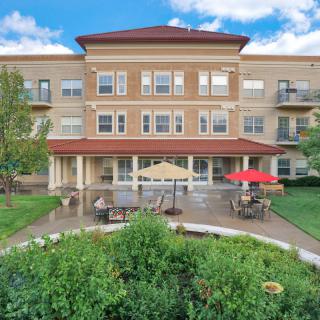
Assured Assisted Living 3 in Castle Rock, CO is a premier senior living community that provides top-quality care and an array of amenities to enhance the well-being and comfort of its residents. With a variety of care options available, including board and care home, memory care, respite care, and skilled nursing facility, individuals can find the level of assistance they require.

The community boasts numerous amenities designed to promote relaxation, convenience, and social engagement. Residents can enjoy soaking in bath tubs for therapeutic purposes or maintain their personal grooming with the assistance of an on-site beautician. Cable or satellite TV is provided in each room for entertainment purposes, while devotional services are available on-site to cater to residents' spiritual needs. A spacious dining room offers delicious meals that cater to various dietary restrictions such as kosher, vegetarian, and special dietary requirements.

Assured Assisted Living 3 also features fully furnished living spaces equipped with all the necessary amenities for comfortable living. Residents can take advantage of the beautiful outdoor space and garden area for leisurely walks or enjoy hiking trails nearby. The presence of housekeeping services ensures that living spaces remain tidy and well-maintained.

Care services at Assured Assisted Living 3 are comprehensive and tailored to individual needs. Trained staff provide assistance with activities of daily living such as bathing, dressing, and transfers. They also offer coordination with healthcare providers and medication management to ensure optimal health outcomes. Specialized memory care programming supports those with cognitive impairments or dementia while mental wellness programs promote emotional well-being.

Transportation arrangements for medical appointments can be easily coordinated by the community's staff. In addition to physical therapy services, there are also opportunities for engaging in various activities within the community such as arts and crafts, cooking clubs, gardening clubs, live musical performances, religious services, games like Wii bowling, and yoga/chair yoga sessions.

Conveniently located near cafes, parks, pharmacies, physicians, and restaurants, Assured Assisted Living 3 ensures that residents have easy access to daily necessities and recreational activities within the Castle Rock area. It is a trusted place where seniors can receive the care they need while enjoying a vibrant and fulfilling lifestyle.

Nearby Places of Interest

Parks

  • Castle Wood Canyon State Park (0.5 miles)
  • Wrangler Park (1.8 miles)
  • Douglas County Fair Foundation (2.4 miles)
  • Bison Park (2.9 miles)
  • Daniels Park (6.3 miles)
  • Castlewood Canyon State Park (7.8 miles)
  • Bradbury Ranch Playground (8.7 miles)

Physicians

  • UCHealth - Mihir Patel MD (0.5 miles)
  • Kaiser Permanente (0.6 miles)
  • Founders Family Medicine and Urgent Care (0.6 miles)
  • Visionworks Milestone Shopping Center (0.9 miles)
  • Health Images at Castle Rock (1.4 miles)
  • Centura Medical Group Internal Medicine Castle Rock (1.7 miles)
  • Castle Rock Adventist Hospital (1.7 miles)

Restaurants

  • Burger King (0.6 miles)
  • Chick-Fil-A (0.8 miles)
  • Sonic Drive-In (1.2 miles)
  • Culver's (1.2 miles)
  • Chipotle Mexican Grill (1.2 miles)
  • McDonald's (1.4 miles)
  • Outlets at Castle Rock (1.6 miles)

Cafes

  • Dutch Bros Coffee (0.8 miles)
  • Black Rock Coffee Bar (1.4 miles)
  • Starbucks (1.4 miles)
  • Crowfoot Valley Coffee (1.4 miles)
  • Starbucks Store #23650 (1.5 miles)
  • The Exchange Coffee House (4.5 miles)
  • Starbucks (8.4 miles)

Pharmacies

  • Walgreens (1.2 miles)
  • CVS Pharmacy (1.8 miles)
  • Itc (1.8 miles)
  • Walgreens (2.3 miles)
  • Safeway Food & Drug (2.5 miles)
  • Walgreens (5.2 miles)
  • Walgreens (7.5 miles)

Places of Worship

  • Parker United Methodist Church (8.7 miles)
  • Pax Christi Catholic Church (9.4 miles)

Theaters

  • AMC Twenty Mile 1 (9.5 miles)

Frequently Asked Questions

How much does it cost to live at Assured Assisted Living 3 in Castle Rock, CO?
What floor plans and room types does Assured Assisted Living 3 offer?
Where is Assured Assisted Living 3?
Does Assured Assisted Living 3 provide care for residents with dementia or Alzheimer's disease?
Does Assured Assisted Living 3 allow residents to have pets?

Nearby Communities

  • Assured Assisted Living 2

    Assured Assisted Living 2

    Castle Rock, CO

    3.8 from 4 reviews
    $5,900 to $6,900 / month

    pro Diligent, personalized care with a strong staff-to-resident ratio and engaging activities.

  • Graceful Senior Living

    Graceful Senior Living

    Castle Rock, CO

    3.7 from 49 reviews
    $3,800 to $7,000 / month

    pro Comprehensive care options with extensive on-site amenities and competitive semi-private/studio pricing.

  • Healing Hearts Home Health

    Healing Hearts Home Health

    Castle Rock, CO


    pro Nearby amenities include cafes, parks, pharmacies, physicians, and restaurants.

  • Oakwood Apartments

    Oakwood Apartments

    Castle Rock, CO

    2.4 from 46 reviews
    $875 / month

    pro Pet-friendly, well-maintained grounds with updated, spacious apartments.

  • Safe At Home Residences

    Safe At Home Residences

    Castle Rock, CO


    pro Small, fully furnished residence with 24/7 supervision, meals, care coordination, and daily activities.

  • Solange at the Woodlands

    Solange at the Woodlands

    Castle Rock, CO

    4.1 from 20 reviews
    $3,000 to $5,000 / month

    pro Caring staff, clean environment, and responsive management.

  • Valley House Assisted Living

    Valley House Assisted Living

    Castle Rock, CO

    4.5 from 13 reviews
    $3,006 / month

    pro Homey atmosphere with caring staff and spacious rooms.

  • Legacy Village of Castle Pines

    Legacy Village of Castle Pines

    Castle Pines, CO

    4.5 from 43 reviews
    $3,350 to $5,850 / month

    pro Caring, attentive staff and engaging activities create a welcoming community.

  • Lincoln Meadows Senior Living

    Lincoln Meadows Senior Living

    Parker, CO

    4.3 from 144 reviews
    $2,725 to $4,960 / month

    pro Caring, friendly staff with good dining and a lively activities calendar.

Related Resources

  • best foods for dementia patients to eatNourishing the Mind: Essential Dietary Approaches for Dementia

    Dementia is characterized by cognitive decline, with nutrition playing a vital role in brain health; while no specific diet can prevent or reverse it, a nutrient-dense diet rich in antioxidants and healthy fats may support cognitive function. The MIND diet, which emphasizes beneficial foods and limits processed items, along with proper hydration and individualized meal strategies, can enhance the well-being of dementia patients.

  • dementia behaviorsUnderstanding Dementia Behaviors: Practical Insights and Strategies for Caregivers

    Dementia affects memory and cognitive function in older adults, presenting challenges for caregivers due to behavioral changes such as confusion and mood swings. Compassionate, person-centered care that considers individual history and preferences, along with effective communication and environmental modifications, is essential for supporting both patients and their caregivers.

  • dementia and angerWhen Dementia Sparks Anger and Aggression: Understanding the Connection and Ways to Cope

    Dementia leads to cognitive impairment and can cause emotional and behavioral changes, including aggression that arises from frustration, confusion, or fear. Effective coping strategies for caregivers include understanding dementia's nature, recognizing triggers, using empathetic communication, and employing non-pharmacological interventions like music and art therapy.