
1605 Whitetail Drive, Castle Rock, CO 80104
For more information about senior living options: (866) 208-4318
Overall Review of Safe At Home Residences
Cons
 The facility is a nuisance to the community.
- The operators have massive personnel issues.
- The operators are on drugs.
- Domestic disputes have occurred, with late-night disturbances.
- Drug paraphernalia has been found in yards on trash day.
- The house was raided by the task force, Castle Rock PD, and the DEA.
- The situation is insane and a threat to the community and to families with kids on the block.
- The reviewer would not bring family members there.
Review
Safe At Home Residences in Castle Rock is best suited for extremely independent seniors who can navigate daily life with minimal staff involvement and for families prepared to assume a hands-on supervisory role. The model, as reflected in the limited publicly shared sentiment, appears to hinge on residents who do not require intensive care, constant programming, or proactive oversight. In practical terms, this is not a fit for someone counting on reliable staff-driven support, predictable routines, or formal governance. Given the troubling signals around management and safety, the community is better viewed as a last resort option rather than a solid baseline choice.
Those with chronic medical needs, dementia or memory-care requirements, mobility limitations, or any dependence on regular, attentive supervision should look elsewhere. Families seeking transparent governance, proactive risk management, and a track record of a clean safety history will likely want to turn away. The available feedback points to governance and operational instability, which translates into real-world risks for residents who rely on staff for medication management, daily assistance, and emergency response. In short, the combination of reported supervisory gaps and potential safety concerns makes alternatives a prudent first filter.
There is a mention of at least one five-star rating, but the absence of substantive positives in the record cannot be mistaken for meaningful strength. The one favorable cue lacks detail about care quality, programming, or staff reliability, and it sits beside a clearly alarming narrative. The limited, unclear upside does little to offset the weight of the main drawbacks. In practical decision terms, the potential “pro” is not a credible counterweight to the documented issues around staffing stability, behavioral concerns among operators, and the surrounding safety implications for residents and neighbors.
From the most explicit review, the core cons are systemic rather than episodic. Massive personnel issues point to ongoing staffing instability, which directly undermines consistency of care, medication oversight, and emergency responsiveness. The assertion that operators are on drugs, combined with domestic disputes and drug paraphernalia found in the neighborhood, creates an atmosphere of unpredictability and perceived danger. A raid by task force, local police, and DEA intensifies the impression that the environment is not only unregulated but potentially volatile. These factors collectively erode trust in day-to-day operations and in the community’s ability to keep residents safe and secure.
For families weighing the decision, a concrete due-diligence checklist is essential. Request a current licensing status and a clear history of compliance with state rules. Demand full access to staff background checks, turnover rates, and the qualifications of front-line caregivers. Visit at different times to observe resident-staff interactions, noise levels, and the handling of medications. Review any incident logs or complaint records, and verify how management responds, whether concerns are acknowledged promptly and resolved transparently. Speak with current residents and families to gauge real-world safety, consistency, and whether there is a culture of accountability or defensiveness.
The bottom line is practical and uncompromising: this community is not recommended for most seniors or families seeking dependable safety and stable governance. If cost considerations are compelling, there are other Castle Rock options with established management, fewer red flags, and verified safety records that warrant priority. In choosing between alternatives, prioritize facilities with consistent staffing, transparent reporting, and demonstrable compliance histories. When risk tolerance is intentional and extremely high, and extensive family oversight is feasible, a cautious, tightly monitored engagement could be considered, but only with rigorous, ongoing scrutiny and contingency planning.
 9 resident community capacity
 Assisted Living
 Board and Care Home
 Respite Care
 Cable or satellite TV
 Dining room
 Fully furnished
 Garden
 Housekeeping services
 Move-in coordination
 Outdoor space
 Telephone
 Wi-Fi/high-speed internet available
 24-hour supervision
 Activities of daily living assistance
 Assistance with bathing
 Assistance with dressing
 Assistance with transfers
 Diabetes diet
 Meal preparation and service
 Medication management
 Special dietary restrictions
 Transportation arrangement (medical)
 Transportation to doctors appointments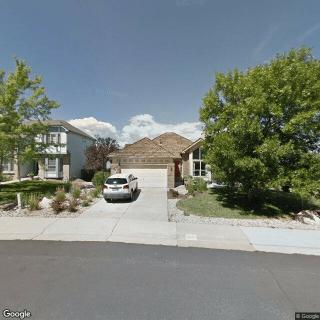
 Caring staff, clean environment, and responsive management.




 Understanding the True Cost of Assisted Living in 2025: A Comprehensive Guide
 Understanding Medicaid Coverage for Assisted Living: A Comprehensive Guide
 How and When Medicaid May Cover Assisted Living Costs