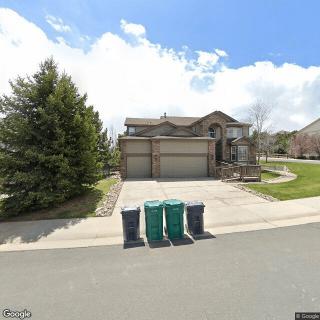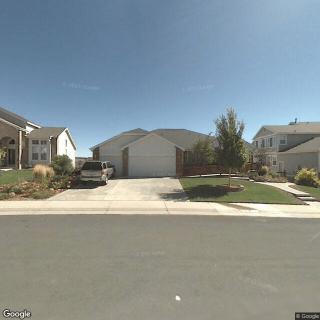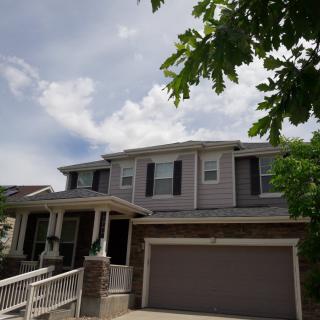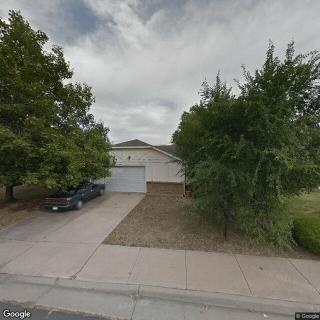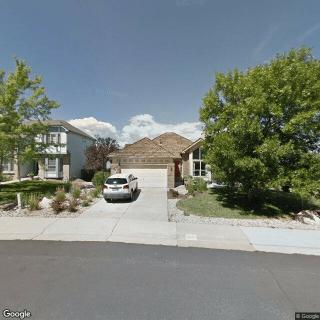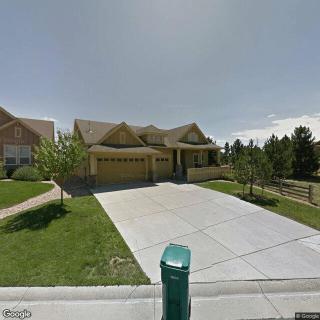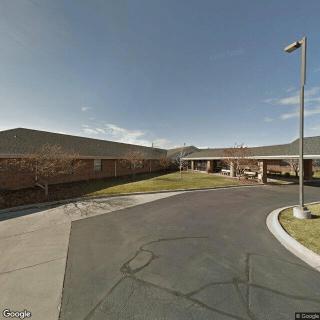
Valley House Assisted Living in Castle Rock, CO

Save
Valley House Assisted Living Valley House Assisted Living Valley House Assisted Living Valley House Assisted Living

Valley House Assisted Living in Castle Rock, CO

Information last verified:

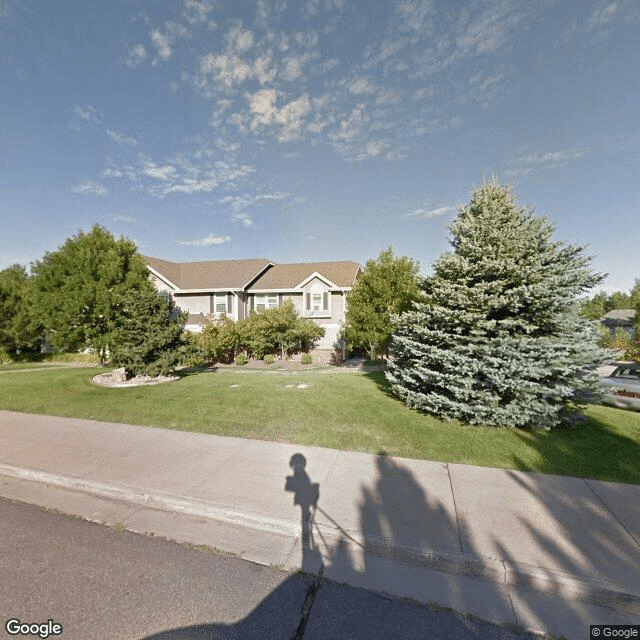
255 South Valley Drive, Castle Rock, CO 80104

For more information about senior living options: (844) 490-3973

4.3 from 14 reviews
5 stars
9
4 stars
3
3 stars
0
2 stars
1
1 stars
1

Valley House Assisted Living Costs & Pricing

Valley House Assisted Living offers competitive pricing for their studio accommodations at $3,006 per month, which is significantly lower than both the average costs in Douglas County and the broader state of Colorado. In Douglas County, the monthly cost for similar living arrangements reaches approximately $5,263, while residents across Colorado can expect to pay around $4,090. This substantial difference highlights Valley House as an attractive option for families seeking quality assisted living care without the burden of higher expenses. By choosing Valley House, families can ensure their loved ones receive supportive services in a welcoming environment while benefiting from cost savings that make a meaningful impact on their overall financial planning.

Floor plansValley House Assisted LivingDouglas CountyColorado
Studio$3,006$5,263$4,088

Overall Review of Valley House Assisted Living

Pros

  • pro Valley House was a wonderful choice, with a perfect size and welcoming staff.
  • pro The staff were friendly and helped residents settle in and feel at home.
  • pro Valley House offers a wide range of activities, from exercise and yoga to art and bingo.
  • pro Valley House hosts movie nights, field trips, and outdoor gatherings that keep residents engaged.
  • pro Valley House keeps families informed and makes them feel welcome at all times.
  • pro Valley House cooks delight residents with a variety of meals and desserts.
  • pro Valley House feels like a family, with staff who genuinely care for residents.
  • pro Castle Country values residents’ quality of life and has amazing staff who keep residents engaged.

Cons

  • pro There is a serious concern about a significant decline in care quality and professionalism at Castle County since the reviewers’ family began their experience.
  • pro The environment and standard of care have changed dramatically.
  • pro Feedback from families has been dismissed and disregarded by leadership.
  • pro The experience is not isolated; other families share similar concerns.
  • pro Staff were observed using profanity while seated together in the staff office.
  • pro Inappropriate physical behavior between staff members, including twerking, was witnessed.
  • pro No meaningful action or acknowledgment has followed after concerns were raised.
  • pro There is no direct means for families to contact the Board, creating gaps in accountability and transparency.
  • pro The facility cannot guarantee aging in place and may require families to move residents needing lift/transfer.
  • pro Residents are not active enough.

Review

Valley House Assisted Living in Castle Rock is best suited for families seeking a small, home-like setting where residents are known by name, routines feel familiar, and daily life centers on connection, conversation, and guided activities. The community shines for seniors who value easy navigation, an elevator-enabled layout, and a social calendar that includes exercise, art, games, and regular outings. The testimonials repeatedly point to a warm, family-like atmosphere, with staff who take time to welcome newcomers, celebrate birthdays, and involve families in meals and gatherings. For residents who do not demand clinical excess but rather a steady, personal touch, along with accessible rooms and bathrooms, the environment can feel welcoming and comfortable. In short, Valley House is a practical fit for an independent-minded elder who wants companionship, predictable routines, and a sense of belonging in a compact, approachable setting.

Those who should consider alternatives are typically families prioritizing stringent care standards, consistent governance, and robust accountability. If leadership stability and proactive, transparent handling of concerns are non-negotiable, this community may not meet expectations based on several accounts of leadership changes, feedback that went unaddressed, and questions about accountability to the board. Families seeking rigorous oversight, quick problem resolution, and visible, direct lines to governance should evaluate other options with clearer governance structures and stronger supervisory cultures. Similarly, if the resident requires high-intensity medical oversight, strict behavioral boundaries, or a facility guarantee of aging-in-place without transitions, alternative communities with more comprehensive medical staffing and transfer assurances may be preferable. Finally, if concerns about staff professionalism, including observed profanity or inappropriate conduct, weigh heavily, a more regulated or larger campus with formalized behavioral standards could be a safer fit.

The core positives, homey atmosphere, attentive staff, and rich social programming, partially offset significant cautions, but do not erase them. Families report a genuine sense of welcome, meaningful engagement for residents, and a culture that treats residents like family, with activities, meals, and outdoor time that foster daily purpose. The accessibility advantages, well-designed corridors, large bathrooms, and an elevator, support independence for residents who need mobility assistance. On the downside, there are persistent concerns about care quality and supervision as leadership shifted, plus repeated observations of staff behavior that raise questions about workplace culture and resident prioritization. When a community’s strength is described as warmth and connection, these governance and conduct gaps sting all the more, because they touch the very stability families rely on for ongoing care.

To navigate these realities, prospective families should conduct rigorous due diligence. Schedule direct conversations with the Executive Director and Wellness Coordinator to understand how past concerns were addressed, what supervisory structures are in place, and how board input is incorporated into daily operations. Observe staff-resident interactions during peak activity times and collect candid impressions from current residents and their families about consistency of care and responsiveness. Request detailed staffing metrics, ratios by shift, how many aides per floor, and turnover rates, to gauge day-to-day reliability. Verify aging-in-place policies, including what triggers a move and how transitions are managed, and ask for examples of residents who have remained in place versus those who required transfers. Finally, probe the facility’s memory-support capabilities and the breadth of medical oversight, ensuring those services align with anticipated needs.

Red flags to watch closely include dismissive responses to concerns, delays in addressing issues, and a lack of transparent, easily accessible avenues for board-level accountability. The initial review notes indicate a problematic gap where families felt unheard by leadership and had limited means to contact the Board, a situation that can undermine trust and escalate risk if not promptly corrected. In addition, a pattern of staff behavior that appears unprofessional or inappropriate signals deeper cultural issues that can directly impact resident safety and dignity. Lastly, the possibility that aging-in-place cannot be guaranteed, with a policy that may require families to relocate a resident who needs higher-level transfers, is a critical consideration for anyone seeking long-term stability. These elements collectively suggest a need for heightened scrutiny before committing, particularly for residents with more intensive care needs.

In the end, Valley House offers undeniable strengths: a compact, welcoming environment with real community feeling, a calendar full of activities, accessible design, and a demonstrated commitment to family involvement. Yet those strengths sit alongside governance and culture questions that deserve careful validation. For families prioritizing warmth and engagement in a smaller setting, and who are willing to actively supervise leadership responsiveness, Valley House can be a very good match. For anyone who cannot tolerate unresolved leadership gaps, uncertain accountability, or potential transfers that disrupt continuity of care, alternatives with stronger governance, clearer aging-in-place assurances, and more consistent clinical oversight are worth prioritizing. The prudent path is to pursue a thorough, multi-angle tour, verify governance structures, and compare with other local options to ensure the chosen community aligns with the resident’s care needs and the family’s expectations for governance and accountability.

Features

Housing

  • 22 resident community capacity 22 resident community capacity

Types of Care

  • Assisted Living Assisted LivingAssisted living facilities provide crucial support and care for seniors who may need help with daily tasks such as medication management, bathing, and meal preparation. These communities offer a safe and comfortable environment where seniors can maintain their independence while receiving the assistance they need to thrive in their golden years.
  • Respite Care Respite CareRespite care provides temporary relief for caregivers, allowing them to recharge and attend to their own needs. It also gives seniors the opportunity to socialize, receive professional care, and experience a change of scenery, promoting overall well-being and reducing feelings of isolation.

Amenities

  • Activities on-site Activities on-siteActivities on-site are important for seniors because they provide opportunities for socialization, mental stimulation, physical activity, and overall well-being. Engaging in activities can help seniors stay active, maintain their independence, and improve their quality of life.
  • Beauty salon Beauty salonBeauty salons are important for seniors because they provide a space for them to feel pampered, socialize, and maintain their personal grooming and hygiene. Regular visits to a beauty salon can help boost seniors' self-esteem and overall well-being.
  • Cable or satellite TV Cable or satellite TVCable or satellite TV is important for seniors because it provides entertainment, news, and companionship, helping to combat loneliness and boredom. It also offers a wide range of programming options tailored to different interests and preferences.
  • Devotional services off-site Devotional services off-siteDevotional services off-site are important for seniors as they provide spiritual nourishment, social engagement, and a sense of community outside of the senior living facility. This can enhance overall well-being and help combat feelings of isolation and loneliness often experienced by older adults.
  • Fully furnished Fully furnishedFully furnished senior living communities are important for seniors because they provide convenience, comfort, and a hassle-free moving experience. Seniors can easily settle into their new living space without the stress of having to buy and move furniture. This allows them to focus on enjoying their new home and community.
  • Garden GardenGardens are important for seniors as they provide a peaceful and therapeutic environment for relaxation, physical activity, and socialization. Being in nature has been shown to reduce stress, improve mood, and promote overall well-being. Gardens also offer opportunities for seniors to engage in gardening activities, which can improve mobility, flexibility, and cognitive function. Additionally, gardens create a sense of community and connection with others who share a passion for plants and outdoor spaces.
  • Housekeeping services Housekeeping servicesHousekeeping services are important for seniors because they help maintain a clean and safe living environment, promote independence, and reduce the risk of accidents or illnesses. Additionally, having assistance with household chores can alleviate physical strain and allow seniors to focus on other aspects of their well-being.
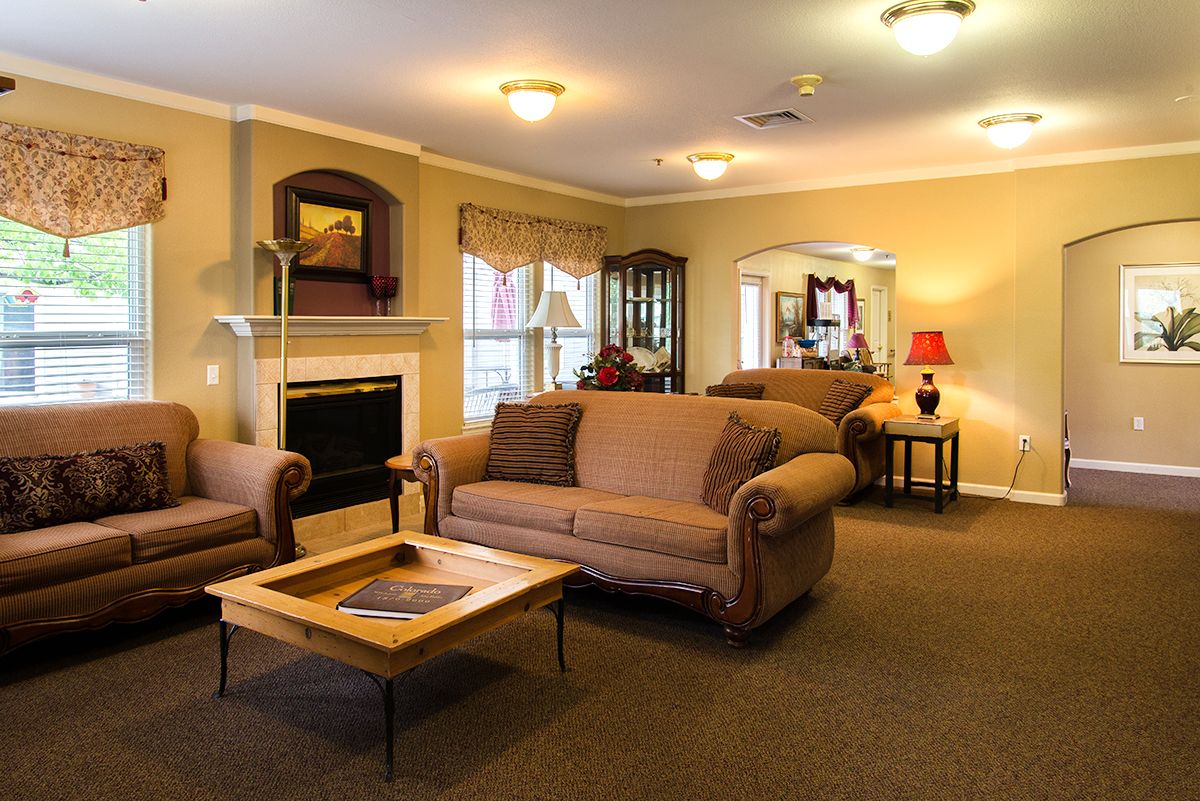
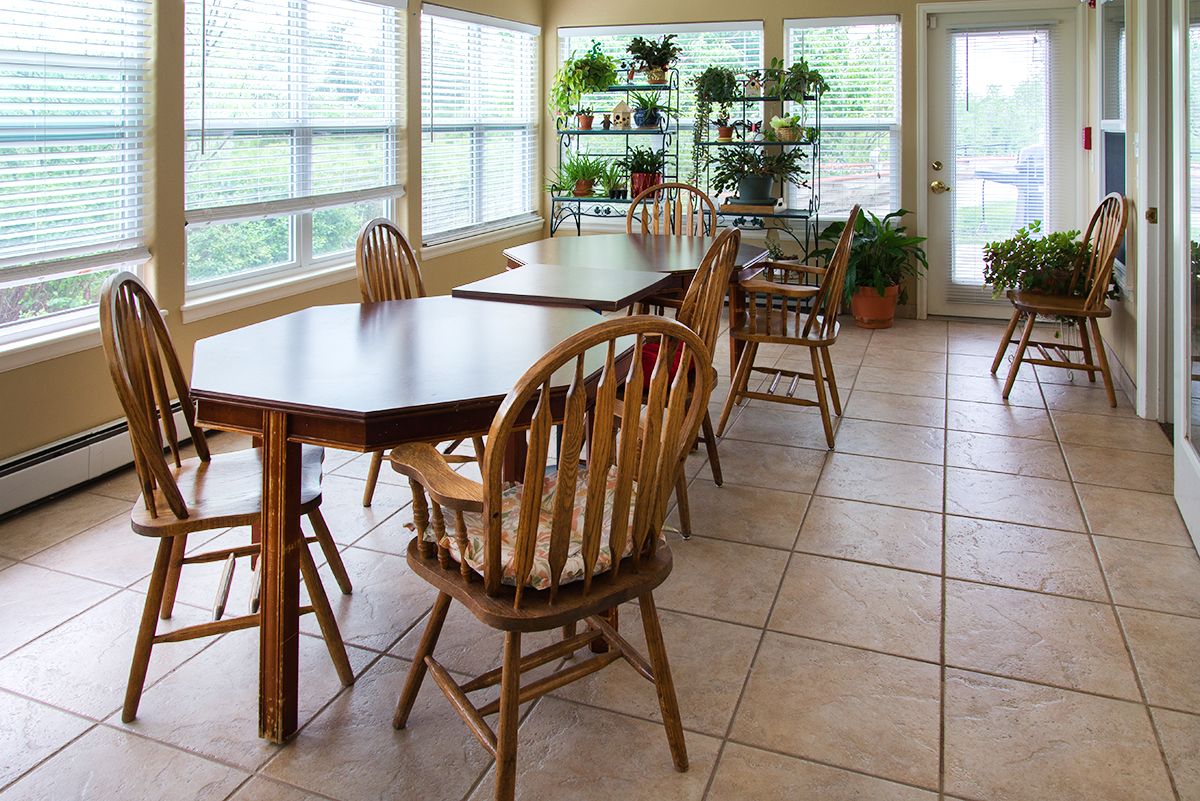
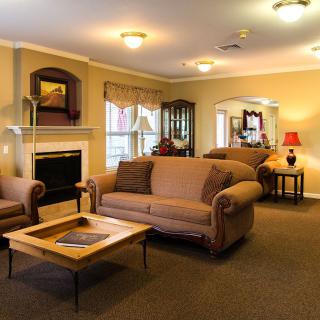
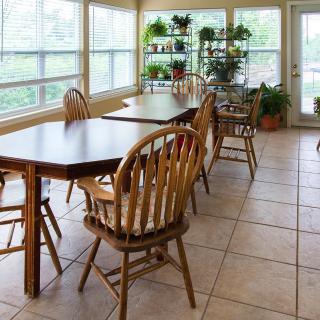
  • Indoor common areas Indoor common areasIndoor common areas are crucial for seniors as they provide a space for socialization, recreation, and community engagement, promoting overall well-being and reducing feelings of isolation and loneliness.
  • Move-in coordination Move-in coordinationMove-in coordination is important for seniors because it helps ease the transition into their new living environment. It ensures that all logistics, such as packing, organizing movers, and setting up utilities are taken care of, allowing seniors to focus on settling in and adjusting to their new home. Having a smooth move-in process can alleviate stress and anxiety, making the transition smoother and more enjoyable for seniors.
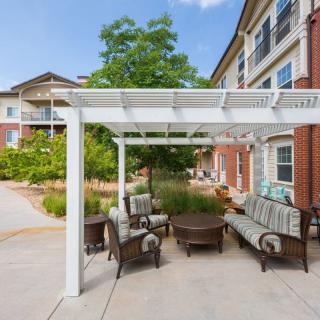
  • Outdoor space Outdoor spaceOutdoor spaces are important for seniors as they provide opportunities for physical activity, social interaction, exposure to natural light and fresh air, and a sense of connection to nature. Having access to outdoor spaces can improve overall well-being and quality of life for older adults living in senior communities.
  • Private bathrooms Private bathroomsPrivate bathrooms are important for seniors in senior living communities because they provide independence, dignity, and comfort. Having a private bathroom allows seniors to maintain their personal hygiene routines without the need for assistance, promoting a sense of autonomy and privacy. Additionally, private bathrooms help prevent the spread of infections and provide a safe and clean environment for seniors to navigate safely.

Transportation

  • Transportation arrangement Transportation arrangementTransportation arrangements are crucial for seniors as they may face challenges with driving, mobility, or access to public transportation. Having reliable transportation services ensures that seniors can easily attend appointments, social activities, and maintain their independence and quality of life.
  • Transportation arrangement (non-medical) Transportation arrangement (non-medical)Transportation arrangements are essential for seniors as they provide access to essential services, activities, and social interactions outside the home. This service helps maintain independence, mobility, and overall well-being for seniors who may have limited transportation options.

Care Services

  • 24-hour call system 24-hour call system24-hour call systems are important for seniors because they provide peace of mind and immediate assistance in case of emergencies. This technology ensures that help is always available, promoting safety and security for elderly individuals living alone or in assisted living facilities.
  • 24-hour supervision 24-hour supervision24-hour supervision is important for seniors to ensure their safety, well-being, and access to immediate assistance in case of emergencies or health issues. This constant support provides peace of mind for both seniors and their loved ones, allowing them to age in place with dignity and security.
  • Activities of daily living assistance Activities of daily living assistanceActivities of daily living assistance are important for seniors because they provide essential support with tasks such as eating, bathing, dressing, and mobility. This assistance helps seniors maintain their independence, dignity, and overall quality of life as they age.
  • Ambulatory care Ambulatory care"Ambulatory care services provide essential medical support and treatment to seniors without requiring hospitalization, allowing them to maintain their independence and quality of life while managing chronic conditions or receiving routine medical care."
  • Assistance with bathing Assistance with bathingAssistance with bathing is crucial for seniors as it helps maintain personal hygiene, prevents infections, and ensures their overall well-being and comfort. It also provides a sense of dignity and independence for seniors who may struggle with this task on their own.
  • Assistance with dressing Assistance with dressingAssistance with dressing is important for seniors because it helps maintain their independence, promotes personal hygiene, prevents accidents and injuries, and improves overall quality of life. This service ensures that seniors can continue to dress comfortably and confidently, despite any physical limitations they may have.
  • Assistance with transfers Assistance with transfersAssistance with transfers is crucial for seniors as it helps prevent falls and injuries, maintains their independence, and ensures they can safely navigate their living environment. It also provides peace of mind for both seniors and their loved ones.
  • Diabetes diet Diabetes dietA diabetes diet is crucial for seniors as it helps manage blood sugar levels, reduce risks of complications, and improve overall health and well-being. By following a balanced and nutritious diet tailored to their specific needs, seniors can better control their diabetes and enhance their quality of life.
  • Meal preparation and service Meal preparation and serviceMeal preparation and service are crucial for seniors as they may have limited mobility or energy to cook nutritious meals. Having access to healthy and convenient food options can ensure they are getting the proper nutrition needed to maintain their overall health and well-being.
  • Medication management Medication managementMedication management is crucial for seniors to ensure they are taking the right medications at the correct dosages and times. This helps prevent adverse drug interactions, reduces the risk of medication errors, and promotes overall health and well-being. Proactive management also allows for adjustments as needed based on changing health conditions or new prescriptions.
  • Special dietary restrictions Special dietary restrictionsSpecial dietary restrictions are important for seniors because age-related changes in metabolism and health conditions can make it difficult for their bodies to process certain foods. By following a diet tailored to their specific needs, seniors can maintain their overall health and well-being, manage chronic conditions, and reduce the risk of complications such as malnutrition or food interactions with medications.
Dining

  • Diabetes diet Diabetes dietA diabetes diet is crucial for seniors as it helps manage blood sugar levels, reduce risks of complications, and improve overall health and well-being. By following a balanced and nutritious diet tailored to their specific needs, seniors can better control their diabetes and enhance their quality of life.
  • Meals provided Meals provided"Meals provided" are crucial for seniors in assisted living communities as it ensures they have access to nutritious, balanced meals without the stress of meal planning and preparation. This can help promote overall health and well-being for seniors who may have limited mobility or cognitive abilities.
  • Special dietary restrictions Special dietary restrictionsSpecial dietary restrictions are important for seniors because age-related changes in metabolism and health conditions can make it difficult for their bodies to process certain foods. By following a diet tailored to their specific needs, seniors can maintain their overall health and well-being, manage chronic conditions, and reduce the risk of complications such as malnutrition or food interactions with medications.

Activities

  • Activities on-site Activities on-siteActivities on-site are important for seniors because they provide opportunities for socialization, mental stimulation, physical activity, and overall well-being. Engaging in activities can help seniors stay active, maintain their independence, and improve their quality of life.
  • Community-sponsored activities Community-sponsored activitiesCommunity-sponsored activities are important for seniors as they provide opportunities for social interaction, mental stimulation, and physical activity. These activities can help improve overall well-being, combat loneliness and isolation, and promote a sense of belonging and purpose among older adults.
  • Devotional activities offsite Devotional activities offsiteDevotional activities offsite are important for seniors because they provide social engagement, spiritual growth, and a sense of community outside of their living environment. This can improve overall well-being, mental health, and combat feelings of isolation or loneliness.
  • Scheduled daily activities Scheduled daily activitiesScheduled daily activities are important for seniors because they provide structure, socialization, mental stimulation, and physical activity. Engaging in regular activities can improve overall well-being and quality of life for seniors living in a community setting.

Description

Valley House Assisted Living in Castle Rock, CO is a warm and welcoming community that provides exceptional care for seniors. Offering a range of services, including respite care, residents can enjoy their independence while receiving the support they need.

Our community boasts a variety of amenities to enhance the comfort and well-being of our residents. A beauty salon is available on-site for personal grooming needs, while cable or satellite TV ensures entertainment options are always within reach. Devotional services off-site provide spiritual nourishment, and our fully furnished accommodations offer a cozy and inviting space to call home. With housekeeping services available, residents can enjoy a clean and organized living environment.

Both indoor common areas and outdoor spaces are thoughtfully designed to foster socialization and engagement among residents. Move-in coordination is provided to ensure a smooth transition into our community, and transportation arrangements are available for non-medical purposes.

At Valley House Assisted Living, we prioritize the health and safety of our residents. With 24-hour supervision, assistance with activities of daily living is readily available. Our trained staff provides ambulatory care as needed, offering support with bathing, dressing, and transfers. We also specialize in diabetes diets and cater to special dietary restrictions.

Dining at Valley House is a delight with nutritious meals provided daily. Our culinary team prepares delicious dishes that accommodate special dietary needs.

To keep our residents engaged and fulfilled, we offer an array of activities to suit various interests. Community-sponsored activities create opportunities for socialization within the community. Devotional activities off-site cater to spiritual needs, while scheduled daily activities ensure there's always something fun happening at Valley House.

Conveniently located near cafes, parks, pharmacies, physicians' offices, and restaurants, Valley House Assisted Living provides easy access to essential services and entertainment options for both residents and their loved ones.

Choose Valley House Assisted Living in Castle Rock as your new home where you'll find compassionate care in a vibrant and supportive community.

Nearby Places of Interest

This part of Castle Rock, Colorado offers a variety of amenities that cater to senior living. With multiple parks nearby such as Douglas County Fair Foundation and Castle Wood Canyon State Park, residents can enjoy the outdoors and stay active. For medical needs, there are reputable physicians in close proximity including Castle Rock Family Physicians and Perry Street Pediatrics. Dining options range from fast food chains like Burger King to sit-down restaurants like Wild Blue Yonder Brewing Co, providing a diverse culinary experience. Additionally, pharmacies such as Safeway Food & Drug and Walgreens are conveniently located for medication needs. Cafes like Crowfoot Valley Coffee and Starbucks offer cozy spots for socializing or enjoying a cup of coffee. Lastly, places of worship like Parker United Methodist Church can provide spiritual fulfillment within the community. Overall, this area provides a well-rounded environment for seniors looking to settle down in Castle Rock.

Parks

  • Douglas County Fair Foundation (0.8 miles)
  • Wrangler Park (1.6 miles)
  • Castle Wood Canyon State Park (1.7 miles)
  • Bison Park (3.6 miles)
  • Castlewood Canyon State Park (6 miles)
  • Daniels Park (8.5 miles)
  • Larkspur Community Park (9.6 miles)

Physicians

  • Castle Rock Family Martial Arts (1.1 miles)
  • Castle Rock Foot & Ankle Care (1.3 miles)
  • Castle Rock Family Physicians (1.3 miles)
  • Perry Street Pediatrics (1.3 miles)
  • Castle Rock Pediatrics (1.3 miles)
  • UCHealth - Mihir Patel MD (2.8 miles)
  • Kaiser Permanente (2.8 miles)

Restaurants

  • Wild Blue Yonder Brewing Co (1.2 miles)
  • Burger King (2.8 miles)
  • Chick-Fil-A (3 miles)
  • Culver's (3.3 miles)
  • Sonic Drive-In (3.4 miles)
  • Chipotle Mexican Grill (3.5 miles)
  • I.C. Brewhouse Castle Rock (3.5 miles)

Pharmacies

  • Safeway Food & Drug (1.2 miles)
  • Walgreens (1.3 miles)
  • Itc (1.8 miles)
  • Walgreens (3.4 miles)
  • CVS Pharmacy (3.5 miles)
  • Walgreens (7.4 miles)
  • Walgreens (8.7 miles)

Cafes

  • Crowfoot Valley Coffee (1.3 miles)
  • Starbucks (1.5 miles)
  • Dutch Bros Coffee (3.1 miles)
  • Black Rock Coffee Bar (3.5 miles)
  • Starbucks Store #23650 (3.6 miles)
  • The Exchange Coffee House (6.6 miles)
  • Starbucks (9.8 miles)

Places of Worship

  • Parker United Methodist Church (10.1 miles)
  • Pax Christi Catholic Church (11.6 miles)

Theaters

  • AMC Twenty Mile 1 (11.1 miles)

Frequently Asked Questions

How much does it cost to live at Valley House Assisted Living in Castle Rock, CO?
Where is Valley House Assisted Living?
What photos are available for Valley House Assisted Living in Castle Rock, Colorado?

Nearby Communities

  • Cantril House Assisted Living

    Cantril House Assisted Living

    Castle Rock, CO

    3.9 from 13 reviews
    $3,006 / month

    pro Engaging activities and attentive staff with regular healthcare visits

  • Solange at the Woodlands

    Solange at the Woodlands

    Castle Rock, CO

    4.1 from 20 reviews
    $3,000 to $5,000 / month

    pro Caring staff, clean environment, and responsive management.

  • Safe At Home Residences

    Safe At Home Residences

    Castle Rock, CO

    3 from 2 reviews
     

    pro Small, fully furnished residence with 24/7 supervision, meals, care coordination, and daily activities.

  • Synergy HomeCare

    Synergy HomeCare

    Parker, CO

    4.8 from 32 reviews
     

    pro Punctual, compassionate caregivers with a clean, well-maintained home environment and flexible setup.

  • Assisted Living At The Woodlands

    Assisted Living At The Woodlands

    Castle Rock, CO

    4.8 from 11 reviews
    $2,250 to $2,500 / month

    pro Beautifully maintained facility with a caring staff.

  • Brookside Inn Skilled Nursing & Rehab

    Brookside Inn Skilled Nursing & Rehab

    Castle Rock, CO

    4.5 from 31 reviews
     

    pro Skilled nursing with high-acuity care in a convenient Castle Rock location.

  • Legacy Village of Castle Pines

    Legacy Village of Castle Pines

    Castle Pines, CO

    4.5 from 53 reviews
    $3,350 to $5,850 / month

    pro Caring, attentive staff and engaging activities create a welcoming community.

  • Victorian House

    Victorian House

    Parker, CO

    4.6 from 18 reviews
    $2,600 to $3,300 / month

    pro Charming, home-like environment with friendly staff and engaging activities in a convenient Parker location.

  • Lincoln Meadows Senior Living

    Lincoln Meadows Senior Living

    Parker, CO

    4.3 from 145 reviews
    $2,725 to $4,960 / month

    pro Caring, friendly staff with good dining and a lively activities calendar.

Assisted Living in Nearby Cities

Related Resources

  • activities of daily livingComprehensive Insights into Activities of Daily Living (ADLs) and Their Assessment
    Activities of Daily Living (ADLs) are fundamental tasks vital for an individual's independence, particularly in older adults over 85, and include functions like bathing and dressing; assessing ADLs alongside Instrumental Activities of Daily Living (IADLs) helps determine the level of required assistance due to age-related health challenges. Tailored support plans, involving family and community resources, are essential for maintaining dignity and autonomy in assisted living environments.

  • elderly parent refuses assisted livingGuiding Elderly Parents Who Refuse Assisted Living: 6 Practical Steps

    Family caregivers face emotional, legal, and practical challenges when elderly parents refuse assisted living, often due to fears of losing autonomy. Open conversations and professional assessments can help address these concerns while exploring alternatives and ensuring safety, potentially leading to legal guardianship if necessary.

  • luxury assisted livingYour Comprehensive Guide to Luxury Assisted Living: Elevated Facilities, Amenities, and Costs
    Luxury assisted living offers high-quality senior care in a resort-like environment that combines essential medical support, gourmet dining, and personalized services to enhance residents' independence and well-being. These upscale facilities emphasize holistic health and community-building through customized care plans and social activities, catering to the growing demand for enriched senior living experiences despite higher costs.