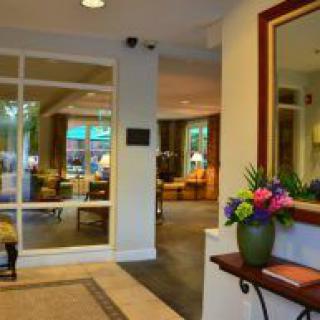


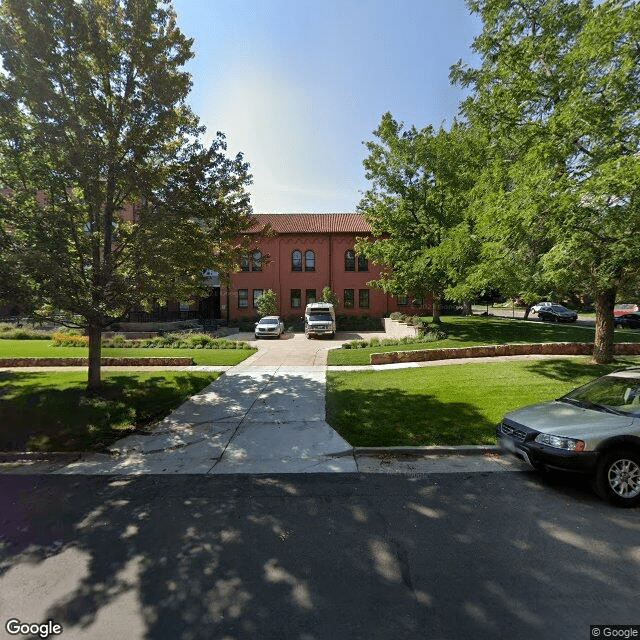
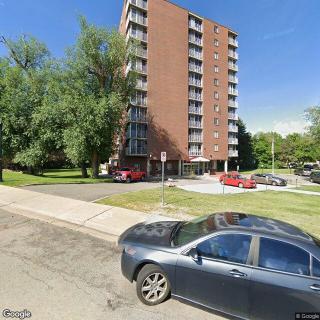
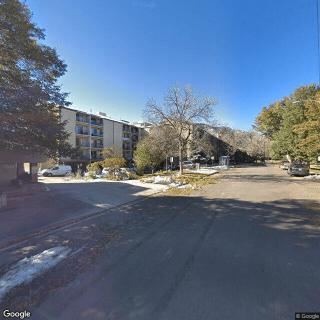
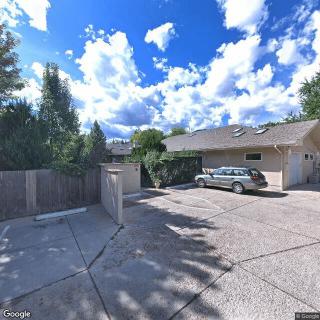
970 Aurora Avenue, Boulder, CO 80302
For more information about senior living options: (866) 208-4318
The Academy Costs & Pricing
The Academy offers a range of accommodation options that reflect its premium positioning in the market. For a studio apartment, residents can expect to pay $4,800 per month, which is notably higher than the average costs in Boulder County at $4,274 and across Colorado at $4,090. The pricing for one-bedroom units stands at $5,500, again surpassing both local and state averages - $4,755 in Boulder County and $4,119 statewide. For those seeking more space, the two-bedroom option is priced at $9,500, significantly exceeding Boulder County's average of $5,993 and Colorado's average of $4,580. These figures indicate that The Academy targets clientele seeking an elevated living experience within a competitive market.
| Floor plans | The Academy | Boulder County | Colorado |
|---|---|---|---|
| Studio | $4,800 | $4,274 | $4,088 |
| 1 Bedroom | $5,500 | $4,755 | $4,118 |
| 2 Bedrooms | $9,500 | $5,993 | $4,580 |
Assisted Living communities with a similar price nearby
-
from -$640 / mo
AltaVita Assisted Living
$4,160 to $5,355 / month12.6 miles away -
from -$900 / mo
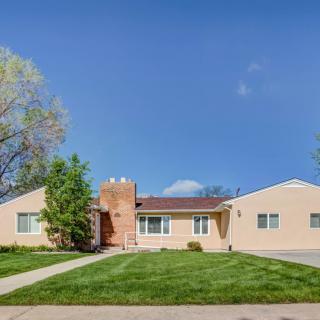
Jaxpointe At Flower Court Assisted Living
$3,900 to $4,300 / month17.2 miles away -
from -$705 / mo
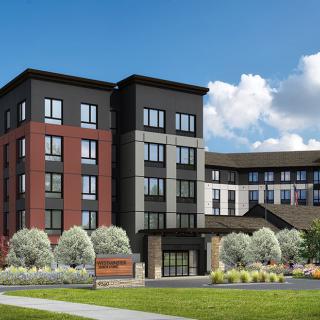
Hyland Hills
$4,095 to $7,495 / month16.0 miles away -
from +$840 / mo
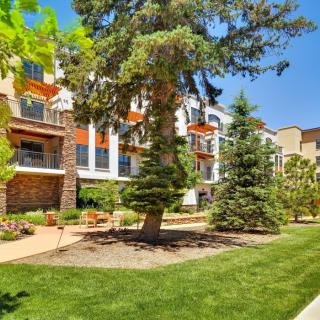
The Carillon At Boulder Creek
$5,640 to $6,990 / month1.2 miles away -
from -$950 / mo
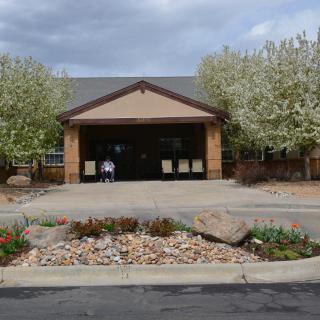
The Retreat at Church Ranch
$3,850 to $8,000 / month13.4 miles away
Overall Review of The Academy
Pros
 They were greatly impressed by what they experienced.
- They were very impressed with the staff and the facility.
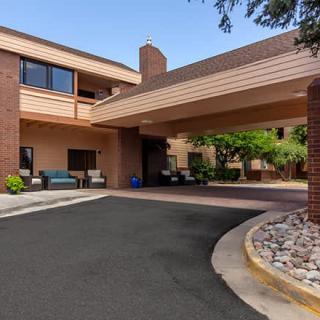
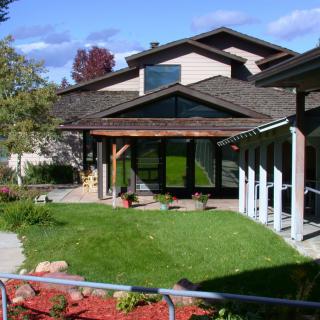
- It is a wonderful facility with beautiful architecture and landscaping.
- The staff take incredible care of the residents.
- The Academy is a five-star facility and unlike any other memory care community.
- It is certainly the nicest retirement community they have ever visited, with a serene setting and super-welcoming, highly professional staff.
- It is a great place to live.
- The rooms are spacious, and the dining rooms are intimate and tasteful.
- The facility is state-of-the-art with high-end memory care and amenities like a library, a large exercise room, a therapy room, and an indoor lap pool.
- Everything is first-rate, including the food and activities and the low-key social events.
Cons
 They thought the Academy's oversized refrigerators and stainless-steel appliances were excessive for apartment living and that the kitchen setup was overpriced.
- They noted parking was scarce.
- They found the Bella Vista memory care facility not satisfactory, with staff quick to judge dementia behaviors as unruly and to pressure families into hiring full-time caregivers, even calling 911.
- They criticized the policy that all medical communication must flow through the nursing staff and described the care details as potentially deceptive, including meals mostly cooked by staff rather than by chefs.
- They warned that the care provided document should be read carefully to understand what is actually offered and what is restricted.
Review
The Academy in Boulder is best suited for families seeking a refined, upscale retirement experience that blends independent living with attentive assisted living and a high-end memory-care option. It is especially appropriate for residents who crave a serene, architecturally graceful setting under the foothills, with elegant common spaces, intimate dining, and a robust activity calendar. The community earns value for families who can prioritize premium surroundings, superior staff engagement, and a sense of luxury that still centers on careful, personal care. In short, it serves as a strong fit for those who want a boutique, all-in-one environment where care quality and polish come with a price tag that reflects the level of service.
The strongest draw is the staff and the culture they cultivate. Reviews repeatedly praise the professionalism, warmth, and low turnover of caregivers and managers, and point to a team that consistently demonstrates genuine care for residents. The physical setting reinforces this: beautiful architecture, thoughtful landscaping, and restaurant-quality dining that emphasizes a homelike, intimate experience rather than a sprawling, impersonal campus. The Academy’s ability to offer both independent living and assisted living within one well‑orchestrated environment gives families confidence that a resident can transition without uprooting into a more intensive level of care when needed. For memory care, the Bella Vista wing presents highly trained staff, purposeful dementia programming, and activities, music, circle talk, and themed events, that feel tailored to residents’ histories and abilities.
On the memory-care side, however, the balance of pros and cons deserves careful weighing. The facility is described as state of the art, with high-end touches such as radiant heating, generous room sizes, and a kitchen-like common area that underscores a country-club ambiance. Yet several reviews flag critical policy gaps that can complicate family involvement. The same care facility that offers specialized dementia programming also appears to require medical communications to flow through its nursing staff and has prompted some families to hire private caregivers or even involve the authorities when behavior becomes challenging. Descriptions of “care we provide” policy language and perceptions of misalignment between expectations and practice highlight the need for families to scrutinize what is included, what requires external caregiving, and how information is managed. These realities can tilt the value proposition for households with residents who may become more demanding or less docile over time.
These tensions do not erase the genuine strengths of The Academy, but they do reframe the decision. The pros, luxury accommodations, intimate dining experiences, a broad menu of activities, and a highly capable, compassionate staff, do offset many concerns for families prioritizing quality of life, safety, and a sophisticated social environment. The memory-care footprint, when the resident remains within the expected behavioral and medical parameters, can be superb, offering specialized programming and a calm, well-staffed setting. The risk lies in policy rigidity and the potential for misunderstandings about who provides what care and when, which can undermine trust if not proactively addressed. For families with residents prone to testing staff’s patience or with complex medical needs, those risks may outweigh the perceived premium.
Alternatives deserve serious consideration for shoppers with tighter budgets or different care expectations. If a lower price point, more transparent care boundaries, or greater caregiver autonomy is priority, other communities, especially those without a separate, fee-heavy memory care wing, might offer clearer policies and more flexible family involvement. Parking can be scarce at the memory-care location, and some critics note that the size and cost of the apartments, large layouts and upscale finishes, may exceed what is necessary for many residents who simply want practical comfort. For those who highly value privacy and a low-key, less command-and-control approach to medical communications, exploring options with more straightforward care agreements could yield a better long-term match.
Ultimately, The Academy stands out for families who want an elegant, resort-like environment paired with attentive, professional care and a strong dementia program, provided there is readiness to navigate policy details and a willingness to invest in premium pricing. Pros focus on staff excellence, setting, dining intimacy, and a sense of belonging within a tight-knit community. Cons center on cost and policy rigidity, particularly around memory care, which can erode perceived value for families seeking maximum flexibility. The prudent path is a thorough, candid tour: review the exact “Care we provide” terms, map out who handles which medical communications, confirm what the family must supply in terms of caregiving, and assess whether the financial commitment aligns with the resident’s care trajectory. If alignment exists, The Academy remains a compelling, confident choice for a distinguished, purpose-built living experience in Boulder.
 23 resident community capacity
 1-bedroom apartments
 Detached homes
 Assisted Living
 Independent Living
 Memory Care
 Respite Care
 Skilled Nursing Facility
 Activities on-site
 Beautician on-site
 Cable or satellite TV
 Devotional services off-site
 Dining room
 Full kitchen
 Fully furnished
 Garden
 Hiking trails
 Housekeeping services
 Indoor common areas
 Laundry
 Move-in coordination
 Outdoor space
 Restaurant-style dining
 Small library
 Spa
Spa Swimming pool
 Telephone
 Wi-Fi/high-speed internet available
 Transportation & parking
 24-hour call system
 Ambulatory care
 Assistance with bathing
 Assistance with dressing
 Assistance with transfers
 Diabetes diet
 Diabetic care
 Medication management
 Mental wellness program
 Special dietary restrictions
 Walking wheelchair assistance
 Arts and crafts
 Book club
 Educational speakers / life long learning
 Fitness programs
 Games
Games Live musical performances
 English
 An In-Depth Look at Reminiscence Therapy in Dementia Care
 Dementia-Related Hallucinations: Causes, Experiences, and Practical Approaches
 Illuminating Insights About Alzheimer's Disease: Ten Crucial Realities