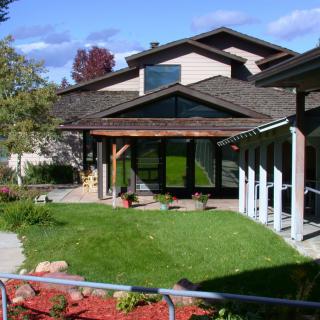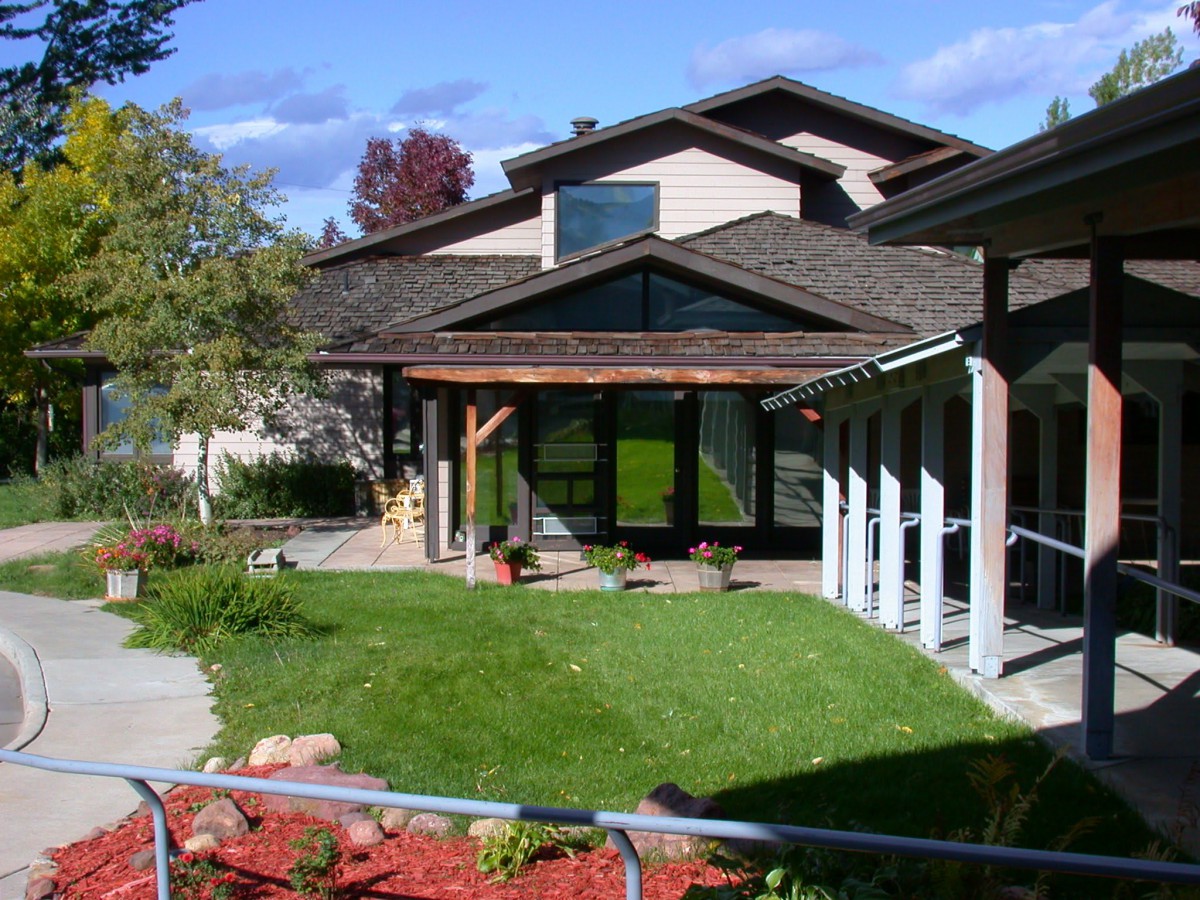


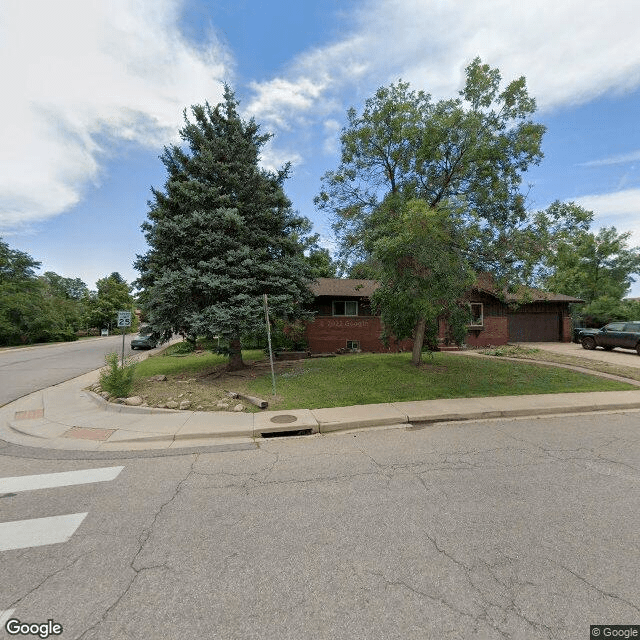
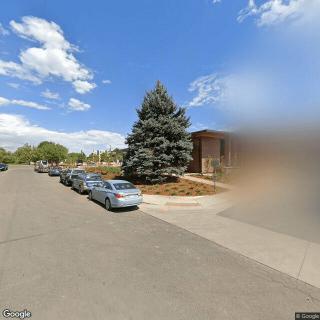
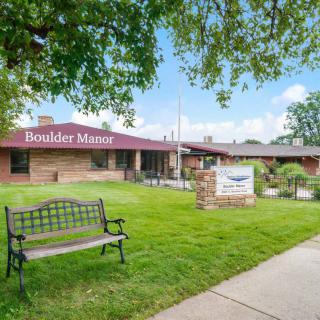
1244 Gillaspie Drive, Boulder, CO 80305
For more information about senior living options: (866) 208-4318
Mary Sandoe House Costs & Pricing
Mary Sandoe House offers a one-bedroom accommodation at a monthly rate of $4,200, positioning itself competitively within the context of Boulder County and the broader state of Colorado. In comparison, the average cost for similar housing in Boulder County stands at $4,755, which highlights Mary Sandoe House as a more affordable option within the local market. Additionally, when looking at the state average of $4,119 for one-bedroom units across Colorado, Mary Sandoe House is slightly above this figure but still presents a compelling choice considering its unique amenities and supportive services. This pricing strategy reflects an effort to provide quality living arrangements while remaining accessible to potential residents seeking stability and community support.
| Floor plans | Mary Sandoe House | Boulder County | Colorado |
|---|---|---|---|
| 1 Bedroom | $4,200 | $4,755 | $4,118 |
Assisted Living communities with a similar price nearby
-
About the same
AltaVita Assisted Living
$4,160 to $5,355 / month13.3 miles away -
from -$500 / mo
Safe Harbor Assisted Living
$3,700 to $4,200 / month16.1 miles away -
from -$300 / mo
Jaxpointe At Flower Court Assisted Living
$3,900 to $4,300 / month14.7 miles away -
About the same
Hyland Hills
$4,095 to $7,495 / month13.5 miles away -
from -$350 / mo
The Retreat at Church Ranch
$3,850 to $8,000 / month10.9 miles away
Overall Review of Mary Sandoe House
Pros
 The one-year lease option gives the shelter flexibility with a nominal fee to rent the space.
- Shelter leaders express hope to share more definite plans by March.
- The Flatirons view is the only positive feature mentioned about The Mary Sandoe House.
- The father is now in a much better-organized assisted living facility.
Cons
 The property is described as being in transition with an uncertain future.
- It used to be a 24-bed assisted-living facility for seniors, but staffing challenges forced its closure in 2022 and it was leased by the Boulder Shelter for the Homeless, with plans still unclear.
- At The Mary Sandoe House, staff were described as bullies chosen by the Director to suit her social agenda, not for residents’ welfare.
- Residents were often berated in front of others with no consideration for anyone.
- The environment felt like a prison, and residents had to feel they were “worthy” of the staff.
- Mealtimes were miserable, leaving residents frightened and traumatized.
- A resident’s father did not receive help with personal care or keeping his room clean, with piles of trash and dirty laundry.
- There were medication errors and delays, including an incident where the activities director sent the father to a new home with incorrect medication.
Review
Mary Sandoe House in Boulder, Colorado is best suited for families seeking a temporary, low-stakes housing option while a building transition runs its course. In its current state, the property is not operating as a traditional assisted-living community. It is in transition after staffing challenges forced the previous operator to close and the space was leased in 2022 to the Boulder Shelter for the Homeless. That interim arrangement means unknowns loom over day-to-day routines, staffing stability, and long-term plans. For families needing predictable care and a steady resident-focused culture, this location represents a risky, stopgap choice rather than a destination.
Those with loved ones who require ongoing personal care, medication management, or dementia-related supervision should seek alternatives. The reviews describe a staff dynamic more concerned with the director’s meetings than resident well-being, including instances of staff who appeared unprepared to respond to routine requests and, at times, to intervene when residents were in distress. Berating residents in front of others, limited responsiveness to calls for help, and a lack of privacy or dignity during interactions are grave concerns. In short, the environment described feels punitive rather than supportive, and that reality makes stability and safety non-negotiable requirements elsewhere.
On the upside, the tangible positives are limited but real. The property still sits in a scenic Boulder location with a view of the Flatirons that some residents have cited as a comfort, a factor that can contribute to mood in the absence of robust programming. The shelter-led lease introduces the possibility of flexible use, including housing for seniors or support services for case management, if and when a clear plan emerges. The one-year lease option provides a window to observe whether a more resident-centered approach can take hold, but it is not a substitute for consistent caregiving.
However, the major drawbacks overwhelm any potential upside. Reports detail insufficient personal care, with dirty rooms, unaddressed trash, and a lack of daily housekeeping that is expected in assisted living. Medication errors, including wrong medications and miscommunication during transfers between providers, raise serious safety flags. Staff turnover and a director-driven culture appear to erode accountability, and residents recount feeling targeted or dismissed rather than supported. Meals and daily routines are described as unrewarding and rigid, further undermining well-being. The combination of unreliable staff, possible neglect, and an unsettled governance framework creates a foundation that is incompatible with responsible elder care.
Do the alleged pros offset these concerns? Not convincingly. The scenic location and the potential flexibility of space cannot compensate for a living environment where basic care and respectful treatment are not reliably guaranteed. The transitional state amplifies risk: until there is a concrete, transparent plan with staffing standards, care protocols, and oversight, the residence remains a poor match for seniors requiring regular assistance. Families should treat this as a temporary holding pattern rather than a long-term home, and should prepare a plan that prioritizes safety, dignity, and continuity of care.
Practical guidance for families considering this option is straightforward: secure a detailed written care plan, demand clear lines of supervision and accountability, confirm medication administration processes, and insist on a defined transition timeline with milestones. Visit multiple times at different hours, speak directly with caregivers and residents, and review any licensing or inspection records to understand the current level of compliance. If stability, consistent staff, and a culture of respect are non-negotiable, focus the search elsewhere in Boulder and surrounding communities, where established operators demonstrate reliable governance and higher-quality resident experiences. In short, Mary Sandoe House is not a dependable long-term solution at this time.
 24 resident community capacity
 Assisted Living
 Respite Care
 Dogs allowed
 Activities on-site
 Bath tubs
 Beautician on-site
 Cable or satellite TV
 Devotional services off-site
 Dining room
 Fully furnished
 Garden
 Housekeeping services
 Indoor common areas
 Kitchenette
 Move-in coordination
 Outdoor space
 Restaurant-style dining
 Small library
 Telephone
 Wheelchair accessible showers
 Wi-Fi/high-speed internet available
 24-hour call system
 Ambulatory care
 Assistance with bathing
 Assistance with dressing
 Assistance with transfers
 Diabetes diet
 Diabetic care
 Incontinence care
 Medication management
 Mental wellness program
 Special dietary restrictions

 An Extensive Exploration of the VA Aid and Attendance Benefit
 Senior Transition Services: Understanding Their Role, Cost, and Importance
 Exploring the Path to Senior Living: A Comprehensive Look at Independent Living and Assisted Living