
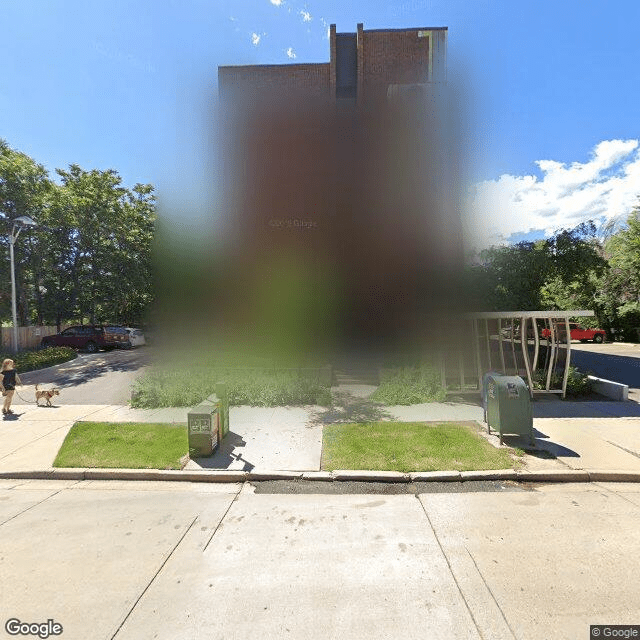
1940 Walnut St, Boulder, CO 80302
To contact a resident: (303) 449-4566
For more information about senior living options: (866) 208-4318
Overall Review of Walnut Place
Pros
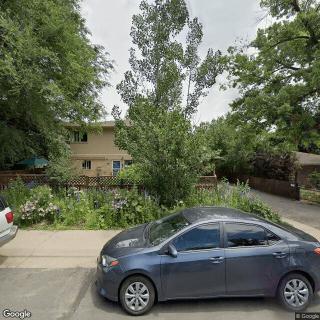
 That's great the exterior got an expensive street number painted on it.
Cons
 They were shocked by the inside of the apartments, calling them horrible, with secondhand smoke affecting visitors even when just going from the elevator to the door.
- They noted the sticky carpet and cabinetry and countertops so worn they wouldn’t be accepted by a scrap yard.
- They described the property as dilapidated with rude management and smoke-filled hallways, questioning renovations and enforcement of no-smoking rules.
- They criticized management for neglecting elderly tenants while asking for Christmas bonuses.
- They claimed the property is marketed as luxury while advertised as a low-income property, and that phone service is unresponsive.
- They reported that the contact number redirects to the elevator, making it hard to reach staff.
Review
Walnut Place in Boulder is best suited for residents who can tolerate significant maintenance issues and limited service levels in exchange for the lowest possible rent. The community stands as a stark example of affordability without accountability, where basic living standards are not reliably met. Families evaluating options should explicitly consider alternatives if safety, a well-maintained living environment, and transparent, respectful management are nonnegotiables. Seniors who require dependable assistance or who expect clean, updated apartments and prompt repairs should steer toward other options. For those driven primarily by cost containment, there may be even less expensive subsidized housing nearby, but the red flags here demand a cautious, conservative approach.
Pros are scarce and fragile at Walnut Place. The property is marketed as low-income housing, yet the lived experience contradicts any sense of genuine value. The single potential upside, affordable rent, disappears as soon as practical realities intrude: sticky carpet, aging cabinetry, and counter surfaces that look past their prime. The environment is so smoke-saturated in public areas that even short visits feel like a detour from basic comfort. In real terms, any cost savings fail to offset the ongoing burden of maintenance delays, safety concerns, and the reputational cost of living in a place that visibly underinvests in its own interiors.
The main downsides arrive with unrelenting clarity. The apartments described as dilapidated become a daily reminder that upkeep is sporadic at best and neglectful at worst. Living spaces that should provide safety and livability instead feel dated, worn, and ready for a refresh that never comes. Smoke-filled hallways and poor enforcement of any no-smoking policy compound discomfort and raise questions about air quality and resident health. Management is repeatedly depicted as rude or unresponsive, creating a pattern where issues go unresolved for extended periods. A phone system that lands callers in the elevator suggests a fundamental breakdown in communications, signaling a property that is not prepared to coordinate care, maintenance, or even basic tenant support.
Governance weaknesses permeate the experience, eroding trust at every turn. Reports of rude or disengaged staff coexist with a structure that appears to prioritize appearances over resident welfare, an exterior that exudes “luxury” while the interior tells a different story. The juxtaposition between Boulder Housing involvement and chronic neglect creates a troubling tension: promises about quality and care collide with everyday frustration over unanswered calls, unfulfilled maintenance requests, and a facility that feels more like a neglected rental than a supportive living option. The cumulative effect is a sense that safety, dignity, and resident dignity take a back seat to budgetary constraints and misaligned incentives.
From a decision-making standpoint, whatever nominal advantages exist, primarily affordability, are decisively outweighed by the cons. The price tag cannot rescue a setting where basic standards of cleanliness, upkeep, and safety are routinely compromised. The possibility of subsidy or charity assistance may seem appealing, but it does not justify living with persistent maintenance lapses, smoke exposure, and an environment that treats residents as afterthoughts. For families weighing transitions into assisted living, memory care, or higher levels of daily support, Walnut Place represents a mismatch between needs and capability of the property to deliver reliable, respectful care. In short, the affordability is real, but the value proposition collapses under the weight of deferred maintenance and poor management.
The practical path forward is clear. Seek alternatives with verifiable maintenance histories, current tenant testimonials, and management that communicates promptly and treats residents with respect. Before any commitment, insist on a comprehensive, independent unit-condition inspection and a written maintenance-response plan with timeline commitments. Verify licensing, safety compliance, and a transparent fee structure that won’t surprise with hidden costs. Consider nearby senior communities known for cleaner interiors, responsive staff, and proactive care coordination, or subsidized options that rival Walnut Place in price but outperform it in quality and peace of mind. If Walnut Place remains under consideration, enter with a rigorous due-diligence checklist, a defined exit strategy, and a hard limit on nonnegotiables; when expectations do not align with reality, pivot to a better-supported choice without delay.
 Active Adult Communities (55+)


 Top Canine Companions for Older Adults
 Comprehensive Guide to Blood Pressure Charts for Older Adults: Understanding Normal and High Readings by Age
 Financing Long-Term Nursing Home Care Through Social Security: A Thorough Exploration