
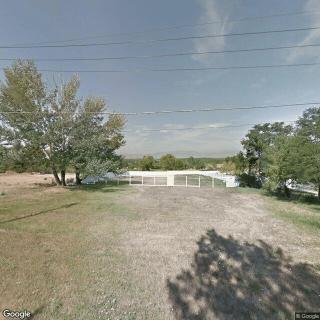
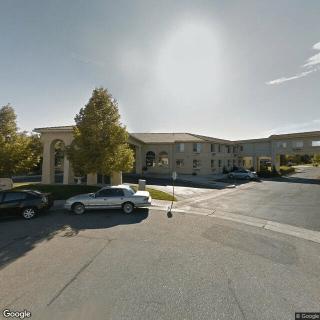
6745 West 65Th Avenue, Arvada, CO 80003
For more information about senior living options: (866) 208-4318
Overall Review of Almost Like Home (6)
Pros
 Caregivers demonstrate compassion and love by meeting the needs of the elderly, bringing happiness to residents.
- Assured communities operate with high care integrity, with teams delivering excellent care and communicating well with families.
- The setting is beautiful and home-like, with amazing staff caring for loved ones.
- The staff are attentive, respectful, and caring, and the caregiver-to-resident ratio is favorable, contributing to residents' happiness.
- Families feel confident that their loved ones are in good hands, from daily care to overall well-being.
Review
Almost Like Home in Arvada, CO is best suited for families that want a warm, home-like setting where caregivers know residents by name and where staff consistently demonstrate compassion in daily care. This community appears to excel for seniors who benefit from a steady, hands-on caregiving approach, where the emphasis is on dignity, personalized attention, and steady family communication. The environment supports residents who respond well to a smaller-community vibe, where routines feel predictable and relationships between residents and caregivers become meaningful. For families seeking reassurance that daily needs, from bathing and dressing to reminders and social engagement, are handled with patience and respect, this is a strongly favorable match. It is especially applicable for those who place a premium on emotional and interpersonal care as a core program.
Potential referrers should consider alternatives if a resident requires intensive medical oversight, complex memory-care protocols, or a robust slate of on-site specialists and specialized activities. While the reviews praise kindness and attentiveness, they offer no detailed confirmation of clinical staffing levels, nursing availability around the clock, or access to advanced medical services. For families evaluating options where the primary concern is a higher level of clinical risk management, or where continuity of care must be guaranteed for acute conditions, exploring other communities with explicit memory-care programs, more comprehensive medical teams, or larger facility footprints could be prudent.
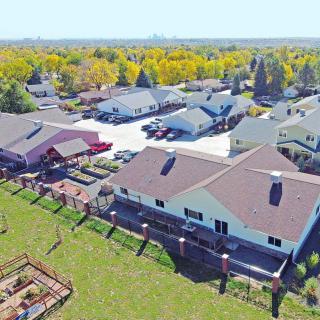
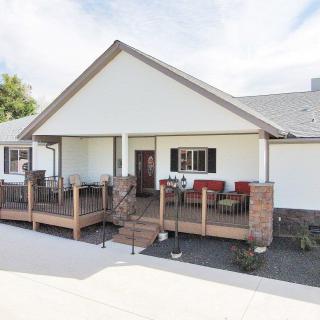
From the feedback, the strongest selling points are the staff's approach, compassion, patience, and respect, and the resulting happiness and comfort of residents. Reviewers repeatedly note caregivers who meet needs with initiative, see laughter and smiles, and maintain a high standard of care integrity. The caregiver-to-resident ratio appears favorable relative to previous residences, translating into more eyes on each person and quicker responses to requests. The setting itself is described as beautiful and home-like, which reduces anxiety, supports familiar routines, and encourages socialization. Most importantly, families report open communication and proactive collaboration, which creates trust and reduces the uncertainty that often accompanies elder-care decisions.
However, the data set leaves several practical questions unanswered. There is no explicit information about pricing, meal quality, transportation options, activity variety, or the breadth of specialized programs. The seven reviews come from a narrow sample, and while uniformly positive, this limits confidence about consistency across shifts and seasons. For families with residents who require mobility assistance, memory-care programming, or around-the-clock clinical oversight, the absence of concrete details on staff schedules and medical support means deeper diligence is required before committing. In short, the warmth and integrity highlighted in these comments must be weighed against missing operational metrics.
Yet the positives do more than balance these gaps. The demonstrated commitment to compassionate care and strong family communication directly addresses the most common stress points, fear of neglect, miscommunication, and loss of independence. A home-like atmosphere, paired with a higher caregiver presence, reduces agitation and fosters routines that support daily living. The explicit mention of care integrity and the overall tone of trust from families suggests that the community maintains a steady standard of service, which often translates into fewer crisis moments and a smoother transition for new residents. For families who prize relational quality and predictable care, Almost Like Home offers a compelling offset to the lack of detailed clinical metrics.
Bottom line: Almost Like Home is a strong match for seniors who value warmth, personal attention, and dependable family-style communication. It is less suited for residents whose care needs demand aggressive medical supervision, intensive memory-care, or a broad array of clinical resources under one roof. Prospective families should arrange a direct visit, request to meet several caregivers, and talk with current residents or families about daily routines, safety, and emergency responsiveness. Ask for a transparent breakdown of costs, review menus and activity calendars, and confirm staffing patterns by shift to ensure the reality aligns with the glowing impressions captured in reviews.
 12 resident community capacity
 Assisted Living
 Cable or satellite TV
 Dining room
 Fully furnished
 Garden
 Housekeeping services
 Move-in coordination
 Outdoor space
 Telephone
 Wi-Fi/high-speed internet available
 Denver International (22 miles away)
 24-hour supervision
 Activities of daily living assistance
 Assistance with bathing
 Assistance with dressing
 Assistance with transfers
 Diabetes diet
 Meal preparation and service
 Medication management
 Special dietary restrictions
 Transportation arrangement (medical)
 Transportation to doctors appointments
 Comprehensive Insights into Activities of Daily Living (ADLs) and Their Assessment
 Medicare Coverage for Assisted Living: An In-Depth Exploration
 Your Comprehensive Guide to Luxury Assisted Living: Elevated Facilities, Amenities, and Costs