Almost Like Home 3

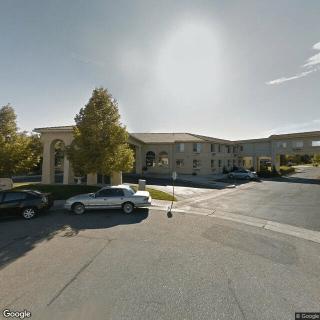
6751 West 65Th Avenue, Arvada, CO 80003

For more information about senior living options: (844) 490-3973

3.7 from 33 reviews
5 stars
22
4 stars
0
3 stars
0
2 stars
0
1 stars
11

Assisted Living Board and Care Home Memory Care

Overall Review of Almost Like Home 3

Pros

  • pro The facility keeps families informed of everything that goes on.
  • pro The staff handle residents with kindness, respect, and humor.
  • pro Admissions Coordinator Daneka oriented families to daily routines and ensured necessary help was provided.
  • pro The staff and caregivers feel like family, making residents feel at home.
  • pro Tim Van Meter has created residences that feel homey.
  • pro A resident has lived there for years and consistently received excellent, loving care.
  • pro The place is clean and residents are well cared for.
  • pro Meals are nutritious, hot, and appealing.
  • pro Management, especially Mara, is attentive when concerns are raised.
  • pro The staff go out of their way to care for residents and support families during difficult times.

Cons

  • pro The reviewers claim that staff overmedicated residents and caused strokes, resulting in bedridden individuals.
  • pro They state residents were left unattended, soaked in urine, with bedsores, and sometimes not fed.
  • pro Guardianship rules allegedly prevented caregivers from moving or feeding residents properly.
  • pro The staff are described as inadequately trained, lacking compassion, and without accountability.
  • pro The food is described as awful, consisting of powdered drinks and frozen processed foods.
  • pro They assert the facility should be shut down and warn others not to rely on reviews.
  • pro It is alleged that some positive reviews were written by staff.
  • pro A former employee describes the staff as shady and not treating residents well.
  • pro At the Peach House, a resident was kept in dirty clothes for three days and left alone in a back room.

Review

Residents and families describe a wide spectrum of care experiences at Almost Like Home in Arvada, painting a complicated picture of a place that some people cherish for warmth and gentleness while others view as unsafe and neglectful. In one stark account, a mother who was living there was treated badly by staff, according to the reviewer. They describe a chain of troubling events: medication issues that allegedly led to confusion or overdose, resulting in a serious medical event. The reviewer also recounts guardianship barriers that prevented moving her, followed by long periods of bed confinement, unattended days, and dignified care lapses such as being left in soiled sheets, bedsores, and little effort to feed her. Hospice staff, according to the same account, were helpful, but the overall experience left the family with deep disappointment and a belief that the facility is not adequately trained to handle elderly, seriously ill residents. The reviewer also alleges that food was poor - labeled as powdered drinks and frozen processed options - and cautions other families to look elsewhere, suggesting the highest caution that good reviews might be coming from staff.

Another reviewer expands on a similar theme at Peach House, noting a grim Christmas-time incident where a loved one was kept in dirty clothes for days and left alone in a back room. That account reinforces a sense among some readers that certain facilities in the area may struggle with basic dignity and daily care for residents who cannot advocate for themselves, casting a shadow over even the broader memory-care community.

In contrast, multiple families offer glowing praise for ALH, especially the Arvada location. One reviewer speaks highly of their sister-in-law, emphasizing that staff keep the family informed and respond promptly when a resident falls or develops a sore. They note a strong line of communication with the visiting nurse through Kaiser Insurance, and they describe the resident as seemingly happy. This testimonial also highlights the experience of moving a loved one into Almost Like Home after trying several other places, and the reviewer says ALH was the right choice, recommending the facility with strong emphasis on satisfaction and peace of mind.

A heartfelt appreciation comes from a husband who attributes much of his wife Rosalie's well-being to the staff at ALH and specifically to a named Admissions Coordinator who oriented the family to daily routines and ensured Rosalie received the necessary assistance. The message is one of gratitude for a welcoming, well-organized environment where the transition into care was smoothed by a thoughtful admissions process and ongoing support.

There are also stories that emphasize consistent, positive dementia and memory-care experiences. A mother with severe dementia is described as having wonderful care, with staff who are attentive and the residence noted as clean. For families focused on peace of mind in the later stages of dementia, such testimonies underscore the potential for ALH to provide a calm, respectful atmosphere where cleanliness and daily routines are prioritized.

Yet not all voices converge on a single view. A former employee published a stark warning: do not bring relatives here, labeling the staff as shady and claiming that many do not treat residents well. This perspective frames ALH as a place plagued by poor training and questionable ethics, a sharp counterpoint to the many positive experiences. In the same vein, another reviewer criticized an atmosphere of unprofessionalism and management by younger staff who allegedly prioritizes appearance and positions over genuine caregiving, expressing relief that the reviewer's grandparents were never placed there.

There are also accounts that describe ALH in a more balanced light, acknowledging questions about staffing and training while praising moments of genuine care. A reviewer who had family members who worked there suggested that the facility includes some issues commonly found in the industry, such as perceptions of staff turnover and challenges in delivering 24-hour, one-on-one attention. They argued that families who expect such level of individualized care must either accept the existing model or consider private options. This feedback acknowledges that memory-care residents have complex needs and that facilities must manage expectations accordingly.

Several reviews extend beyond a single incident or impression, detailing the broader culture and leadership at Almost Like Home. One post emphasizes the warmth, humor, and respect shown to residents with dementia, noting a consistently clean and well-maintained home-like environment. The reviewer mentions clear and timely communication with physicians and families, particularly during difficult end-of-life moments, and credits the staff for supporting not only the resident but also the family through very challenging times.

A number of observations touch on the enterprise's leadership and the tone set by management. Some reviewers defend the organization, noting patient trust, the consistent care seen by multiple families, and the personal dedication of staff who treat residents as family. They cite positive experiences with admission staff, ongoing care coordination, and the sense that the home has become a kind of extended family for residents and their families. In contrast, other reviewers question the training standards and the consistency of care, arguing that issues raised by staff or former employees about policy and operations should not reflect on the residents' well-being.

Across these accounts, a core tension emerges: for some families, Almost Like Home represents a safe, compassionate, home-like environment where staff are attentive, meals are balanced, and caregivers maintain a warm, respectful demeanor even through the inevitable stresses of dementia care. For others, the same facility is a place where neglect, mismanagement, and insufficient training produce fear and anger, with serious allegations about medication, neglect, and unhappiness among residents. The mix of stories - some praising the warmth and efficiency of the staff, others warning of unsafe conditions or poor training - highlights how personal experience with elder care can vary dramatically even within the same facility.

For families considering Almost Like Home, the threads of these reviews suggest a few practical takeaways. It's important to tour the facility, ask about staffing levels and training, and understand how the community handles memory-care needs, emergency incidents, and end-of-life support. Families should inquire about medication management, meals, activities that stimulate residents with dementia, and how guardianship or consent is navigated in complex medical decisions. Finally, as with any long-term care decision, listening to a range of experiences - both the positive and the negative - along with direct conversations with current staff and management, can help families weigh the fit for their loved one's unique needs and values.

Features

Housing

  • 12 resident community capacity 12 resident community capacity

Types of Care

  • Assisted Living Assisted LivingAssisted living facilities provide crucial support and care for seniors who may need help with daily tasks such as medication management, bathing, and meal preparation. These communities offer a safe and comfortable environment where seniors can maintain their independence while receiving the assistance they need to thrive in their golden years.
  • Board and Care Home Board and Care HomeBoard and care homes provide a smaller, more intimate setting for seniors who require assistance with daily tasks but do not need the level of care offered by a nursing home. They offer personalized care, meals, and social activities in a homelike environment, ensuring that seniors receive individualized attention and support in their golden years.
  • Memory Care Memory CareMemory care is crucial for seniors as it provides specialized support and services for individuals with dementia or Alzheimer's disease. These programs offer a safe and secure environment where residents receive personalized care, cognitive stimulation, and help with daily activities. Memory care helps seniors maintain their independence, quality of life, and dignity while also providing peace of mind for their families.

Amenities

  • Cable or satellite TV Cable or satellite TVCable or satellite TV is important for seniors because it provides entertainment, news, and companionship, helping to combat loneliness and boredom. It also offers a wide range of programming options tailored to different interests and preferences.
  • Dining room Dining roomDining rooms are important for seniors as they provide a space for socialization, connection, and nutritious meals. They offer opportunities for residents to bond over shared meals, foster a sense of community, and promote healthy eating habits. Dining rooms also ensure that seniors have access to well-balanced meals tailored to their dietary needs and preferences.
  • Fully furnished Fully furnishedFully furnished senior living communities are important for seniors because they provide convenience, comfort, and a hassle-free moving experience. Seniors can easily settle into their new living space without the stress of having to buy and move furniture. This allows them to focus on enjoying their new home and community.
  • Garden GardenGardens are important for seniors as they provide a peaceful and therapeutic environment for relaxation, physical activity, and socialization. Being in nature has been shown to reduce stress, improve mood, and promote overall well-being. Gardens also offer opportunities for seniors to engage in gardening activities, which can improve mobility, flexibility, and cognitive function. Additionally, gardens create a sense of community and connection with others who share a passion for plants and outdoor spaces.
  • Housekeeping services Housekeeping servicesHousekeeping services are important for seniors because they help maintain a clean and safe living environment, promote independence, and reduce the risk of accidents or illnesses. Additionally, having assistance with household chores can alleviate physical strain and allow seniors to focus on other aspects of their well-being.
  • Move-in coordination Move-in coordinationMove-in coordination is important for seniors because it helps ease the transition into their new living environment. It ensures that all logistics, such as packing, organizing movers, and setting up utilities are taken care of, allowing seniors to focus on settling in and adjusting to their new home. Having a smooth move-in process can alleviate stress and anxiety, making the transition smoother and more enjoyable for seniors.
  • Outdoor space Outdoor spaceOutdoor spaces are important for seniors as they provide opportunities for physical activity, social interaction, exposure to natural light and fresh air, and a sense of connection to nature. Having access to outdoor spaces can improve overall well-being and quality of life for older adults living in senior communities.
  • Telephone TelephoneTelephones are important for seniors as they provide a lifeline for communication with loved ones, emergency services, and healthcare providers. They offer a sense of security and independence, enabling seniors to stay connected and access assistance when needed.
  • Wi-Fi/high-speed internet available Wi-Fi/high-speed internet availableWi-Fi/high-speed internet is important for seniors to stay connected with loved ones, access online resources, and participate in virtual activities to combat feelings of loneliness and isolation. It also allows them to easily manage healthcare needs, access entertainment, and engage in lifelong learning opportunities.

Transportation

  • Denver International (22 miles away) Denver International (22 miles away)

Care Services

  • 24-hour supervision 24-hour supervision24-hour supervision is important for seniors to ensure their safety, well-being, and access to immediate assistance in case of emergencies or health issues. This constant support provides peace of mind for both seniors and their loved ones, allowing them to age in place with dignity and security.
  • Activities of daily living assistance Activities of daily living assistanceActivities of daily living assistance are important for seniors because they provide essential support with tasks such as eating, bathing, dressing, and mobility. This assistance helps seniors maintain their independence, dignity, and overall quality of life as they age.
  • Assistance with bathing Assistance with bathingAssistance with bathing is crucial for seniors as it helps maintain personal hygiene, prevents infections, and ensures their overall well-being and comfort. It also provides a sense of dignity and independence for seniors who may struggle with this task on their own.
  • Assistance with dressing Assistance with dressingAssistance with dressing is important for seniors because it helps maintain their independence, promotes personal hygiene, prevents accidents and injuries, and improves overall quality of life. This service ensures that seniors can continue to dress comfortably and confidently, despite any physical limitations they may have.
  • Assistance with transfers Assistance with transfersAssistance with transfers is crucial for seniors as it helps prevent falls and injuries, maintains their independence, and ensures they can safely navigate their living environment. It also provides peace of mind for both seniors and their loved ones.
  • Coordination with health care providers Coordination with health care providersCoordination with health care providers is crucial for seniors to ensure proper medical care, medication management, and overall well-being. This collaboration helps prevent overlapping treatments, track progress more effectively, and provide comprehensive support tailored to individual needs.
  • Dementia waiver Dementia waiverDementia waivers are essential for seniors as they provide critical protections and accommodations for those experiencing cognitive decline. These waivers ensure individuals with dementia receive appropriate care, support, and resources to maintain their quality of life and dignity as they navigate the challenges of this progressive condition.
  • Diabetes diet Diabetes dietA diabetes diet is crucial for seniors as it helps manage blood sugar levels, reduce risks of complications, and improve overall health and well-being. By following a balanced and nutritious diet tailored to their specific needs, seniors can better control their diabetes and enhance their quality of life.
  • Hospice waiver Hospice waiverHospice waivers are important for seniors because they allow individuals to receive specialized end-of-life care and support at home or in a hospice facility. This waiver ensures that seniors can access the necessary resources and services to maintain comfort and dignity during their final days.
  • Meal preparation and service Meal preparation and serviceMeal preparation and service are crucial for seniors as they may have limited mobility or energy to cook nutritious meals. Having access to healthy and convenient food options can ensure they are getting the proper nutrition needed to maintain their overall health and well-being.
  • Medication management Medication managementMedication management is crucial for seniors to ensure they are taking the right medications at the correct dosages and times. This helps prevent adverse drug interactions, reduces the risk of medication errors, and promotes overall health and well-being. Proactive management also allows for adjustments as needed based on changing health conditions or new prescriptions.
  • Mental wellness program Mental wellness programMental wellness programs are essential for seniors as they promote cognitive stimulation, emotional support, and social engagement. These programs help prevent isolation, depression, and cognitive decline, ultimately enhancing the overall quality of life for older adults.
  • Mild cognitive impairment Mild cognitive impairment"Mild cognitive impairment" is important for seniors because it is an early stage of cognitive decline that can potentially progress to more severe conditions such as dementia. Recognizing and addressing mild cognitive impairment can help seniors receive appropriate care and support to maintain their quality of life and independence for as long as possible.
  • Special dietary restrictions Special dietary restrictionsSpecial dietary restrictions are important for seniors because age-related changes in metabolism and health conditions can make it difficult for their bodies to process certain foods. By following a diet tailored to their specific needs, seniors can maintain their overall health and well-being, manage chronic conditions, and reduce the risk of complications such as malnutrition or food interactions with medications.
  • Specialized memory care programming Specialized memory care programmingSpecialized memory care programming is crucial for seniors with cognitive impairments such as dementia or Alzheimer's disease. These programs provide a safe and supportive environment tailored to the unique needs of individuals with memory loss, helping them maintain their independence, dignity, and quality of life.
  • Transportation arrangement (medical) Transportation arrangement (medical)Transportation arrangements for medical purposes are essential for seniors as they may have difficulty driving themselves to appointments or accessing public transportation. Having reliable and safe transportation options ensures that seniors can receive timely medical care and maintain their health and well-being.
  • Transportation to doctors appointments Transportation to doctors appointmentsTransportation to doctors' appointments is crucial for seniors as it ensures they have access to necessary medical care and support for their health needs. Without reliable transportation, seniors may struggle to attend important appointments, leading to potential delays in treatment and health complications. Providing transportation services helps seniors maintain their overall well-being and quality of life.

Dining

  • Diabetes diet Diabetes dietA diabetes diet is crucial for seniors as it helps manage blood sugar levels, reduce risks of complications, and improve overall health and well-being. By following a balanced and nutritious diet tailored to their specific needs, seniors can better control their diabetes and enhance their quality of life.
  • Special dietary restrictions Special dietary restrictionsSpecial dietary restrictions are important for seniors because age-related changes in metabolism and health conditions can make it difficult for their bodies to process certain foods. By following a diet tailored to their specific needs, seniors can maintain their overall health and well-being, manage chronic conditions, and reduce the risk of complications such as malnutrition or food interactions with medications.

Activities

  • Community-sponsored activities Community-sponsored activitiesCommunity-sponsored activities are important for seniors as they provide opportunities for social interaction, mental stimulation, and physical activity. These activities can help improve overall well-being, combat loneliness and isolation, and promote a sense of belonging and purpose among older adults.
  • Scheduled daily activities Scheduled daily activitiesScheduled daily activities are important for seniors because they provide structure, socialization, mental stimulation, and physical activity. Engaging in regular activities can improve overall well-being and quality of life for seniors living in a community setting.

Description

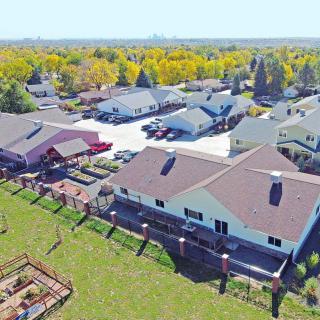
Almost Like Home 3 in Arvada, CO is an exceptional assisted living community that offers a range of care services to meet the needs of its residents. With a special focus on board and care home and memory care, this facility provides top-notch amenities and personalized assistance to ensure a comfortable and engaging living environment.

Residents at Almost Like Home 3 can enjoy a variety of amenities, including a welcoming dining room where delicious meals are served, fully furnished rooms for convenience, beautiful outdoor spaces such as gardens to relax and unwind, and important services like housekeeping and move-in coordination. Additionally, residents have access to telephone services and Wi-Fi/high-speed internet for their convenience.

The highly trained staff at Almost Like Home 3 is committed to providing exceptional care services. They offer assistance with activities of daily living, such as bathing, dressing, and transfers, ensuring that each resident's individual needs are met. The staff also coordinates with healthcare providers to ensure comprehensive care for residents. For those with dementia or memory-related issues, specialized memory care programming is available to provide tailored support. Moreover, they offer assistance with diabetes diets and mental wellness programs to promote overall health.

Residents can benefit from various dining options that cater to special dietary restrictions. The community also offers scheduled daily activities to keep residents engaged and active throughout the day. In addition to these on-site amenities, Almost Like Home 3 boasts an advantageous location with several cafes, parks, pharmacies, restaurants nearby along with places of worship and theaters within close proximity. Furthermore, medical transportation arrangements can be made for doctor's appointments.

Almost Like Home 3 is the perfect place for individuals seeking a warm and supportive assisted living community in Arvada. With its excellent amenities and dedicated staff offering personalized care services designed to enhance quality of life, residents will feel truly at home in this compassionate environment.

Nearby Places of Interest

Pharmacies

  • Walgreens (0.6 miles)
  • Walgreens (1 miles)
  • Walgreens (1.8 miles)
  • Best Colorado Meds (2.2 miles)
  • Walmart Pharmacy (2.6 miles)
  • Walgreens (2.6 miles)
  • Walgreens (2.7 miles)

Restaurants

  • School House Kitchen & Libations (1.2 miles)
  • Old Chicago (2.7 miles)
  • BookBar (3.2 miles)
  • Clancy's Irish Pub (3.2 miles)
  • The Pasty Republic (3.3 miles)
  • Domino's Pizza (4.1 miles)
  • Illegal Pete's (4.6 miles)

Cafes

  • Panera Bread (1.6 miles)
  • The Bardo Coffee House (3.2 miles)
  • Starbucks (3.8 miles)
  • The Radiator (4.1 miles)
  • Huckleberry Roasters (4.4 miles)
  • Dutch Bros Coffee (5.2 miles)
  • Improper City (6 miles)

Parks

  • Fairmount Park (2.3 miles)
  • Berkeley Leashless Dog Park (2.5 miles)
  • Berkeley Park (2.6 miles)
  • César Chávez Park (3.2 miles)
  • Rocky Mountain Lake Park (3.3 miles)
  • Panorama Park (3.6 miles)
  • Crown Hill Open Space Park (4.5 miles)

Physicians

  • New West Physicians (2.6 miles)
  • Dr Bassow (3 miles)
  • Complete Family Medicine (3 miles)
  • Rocky Mountain Primary Care (3.4 miles)
  • SCL Health Heart & Vascular Institute - Wheat Ridge (3.4 miles)
  • Cornerstone Orthopaedics & Sports Medicine (3.5 miles)
  • Panorama Orthopedic (3.7 miles)

Theaters

  • Alamo Drafthouse Westminster (3 miles)
  • AMC Westminster Promenade 24 (5.1 miles)
  • Alamo Drafthouse Denver (5.4 miles)

Places of Worship

  • Wat Buddhawararam (3 miles)

Hospitals

  • Exempla Lutheran Medical Center (3.4 miles)
  • Scl Health - Front Range (3.4 miles)

Transportation

  • RTD Rail - 38th & Blake Station (6.1 miles)

Frequently Asked Questions

Where is Almost Like Home 3?
Does Almost Like Home 3 provide care for residents with dementia or Alzheimer's disease?

Nearby Communities

Related Resources

  • dementia careMemory Care Pathways: A Holistic Guide to Dementia Support

    "Memory Care Pathways: A Holistic Guide to Dementia Support" outlines the complexities of dementia and its various types, emphasizing early detection, patient-centered care strategies, caregiver support, and long-term care options while addressing legal and financial considerations to enhance the quality of life for individuals with dementia and their families.

  • sundown syndromeComprehending Evening Confusion in Dementia: Causes, Manifestations, and Support

    Sundown syndrome, or sundowning, is a phenomenon in dementia patients characterized by increased confusion and agitation during late afternoon and evening, influenced by factors like disrupted circadian rhythms and fatigue. Effective caregiver strategies include establishing routines and managing environmental light while addressing caregiver stress through support services.

  • delirium vs dementiaDelirium and Dementia: Unraveling the Key Differences

    Delirium is a rapidly onset, reversible cognitive disturbance often caused by acute medical issues, while dementia is a gradual and irreversible decline due to chronic neurodegenerative diseases. Accurate differentiation between the two is essential for appropriate treatment and management in older adults.