
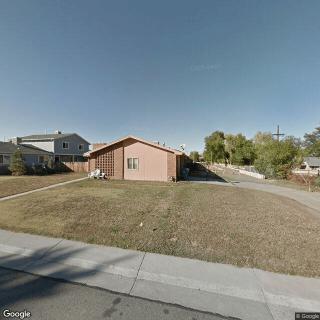
6735 West 65Th Avenue, Arvada, CO 80003
For more information about senior living options: (866) 208-4318
Overall Review of Almost Like Home (5)
Pros
 They show compassion and love by meeting the needs of the elderly.
- Residents are in good hands from care to happiness.
- Assured communities are operated with high care integrity.
- The teams are wonderful at caring for residents and communicating with families.
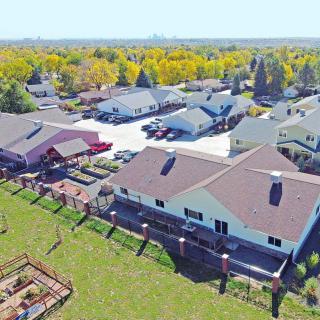
- Loved ones are cared for by amazing staff in a beautiful, home-like setting.
- The staff are attentive, respectful, and caring, contributing to happier residents.
Review
Almost Like Home in Arvada is best suited for families seeking a warm, person-centered assisted living where daily life is shaped by compassionate staff and transparent, ongoing communication. The community shines for residents who thrive in a home-like setting and for relatives who want to see steady caregiver engagement and a strong sense of warmth in everyday care. It works particularly well for seniors who do not require highly specialized medical services but want reliable attention, kindness, and a feedback loop that keeps families informed. Those facing advancing medical complexity, intensive clinical oversight, or dedicated memory-care needs should consider alternatives that offer more on-site nursing, structured memory programming, or a more clinical atmosphere.
The most persuasive strengths are evident in the caregiving core. Reviews repeatedly highlight caregivers who genuinely meet resident needs, aiming to evoke laughter and smiles, and to create moments of happiness each day. The integrity of care comes through in how staff interact with residents and families, with a palpable emphasis on respect and attentiveness. A notably favorable caregiver-to-resident ratio compared with other facilities is cited, which translates into more opportunities for individualized attention, quicker responses, and less tension over who is available to assist whenever a request arises. This combination, care with heart, clear family communication, and consistent presence, creates a dependable daily experience.
Those practical advantages align with a home-like setting that residents respond to. The atmosphere feeds emotional well-being, and families report that their loved ones are happier since moving in. In a setting where routines feel personalized and staff are inclined to go the extra mile, residents enjoy predictable days, meaningful interactions, and a sense of belonging. The absence of overly clinical hardness is not a flaw so much as a design choice that favors dignity, companionship, and steady mood, qualities that matter when the goal is sustaining quality of life and emotional comfort.
However, the positive picture rests on a missing layer in the public narrative: detailed information about medical acuity, ongoing clinical oversight, rehab services, or dedicated memory-care programming. The reviews do not showcase a hospital-like level of medical capability or a structured dementia program, which means families must be mindful of potential limits if specialized care becomes necessary. This is not a deterrent for many, but it is a genuine consideration: for residents who may need frequent medical interventions, complex wound care, or memory-support services, the absence of explicit clinical depth could become a drawback. The strength of staff engagement and open communication does help mitigate this gap by ensuring families stay informed and involved, but it cannot replace the assurances that come with on-site, round-the-clock clinical capacity.
For families weighing options, concrete next steps include aligning care expectations with the community’s staffing model and programming. Prospective residents should inquire about the caregiver-to-resident ratio by shift, the scope of nursing oversight, and how changes in health status are monitored and communicated. Clarify what activity programming looks like across mornings and afternoons, how frequently family updates occur, and what happens when a resident’s needs outgrow current services. In short, the conversation should center on whether the current model delivers the right balance of warmth, attentiveness, and accessible communication for the individual’s unique situation, while also confirming where more clinical support would be found if ever needed.
Bottom line: Almost Like Home delivers a compelling choice for families prioritizing warmth, visible caregiver devotion, and straightforward, honest communication. It excels at creating a cheerful, home-like daily life with attentive staff and a strong sense of community. For residents who require advanced medical oversight, aggressive memory-care programming, or highly specialized clinical services, alternatives with deeper clinical capacity should be explored. This community stands out as a nurturing, reliable option that can offer peace of mind to families who value genuine connection, consistent updates, and a living environment that emphasizes daily dignity and happiness.
 12 resident community capacity
 Assisted Living
 Cable or satellite TV
 Dining room
 Fully furnished
 Garden
 Housekeeping services
 Move-in coordination
 Outdoor space
 Telephone
 Wi-Fi/high-speed internet available
 Denver International (22 miles away)
 24-hour supervision
 Activities of daily living assistance
 Assistance with bathing
 Assistance with dressing
 Assistance with transfers
 Diabetes diet
 Meal preparation and service
 Medication management
 Special dietary restrictions
 Transportation arrangement (medical)
 Transportation to doctors appointments
 Understanding Medicaid Coverage for Assisted Living: A Comprehensive Guide
 How and When Medicaid May Cover Assisted Living Costs
 A Detailed Exploration of Assisted Living Medicaid Waivers Across the United States