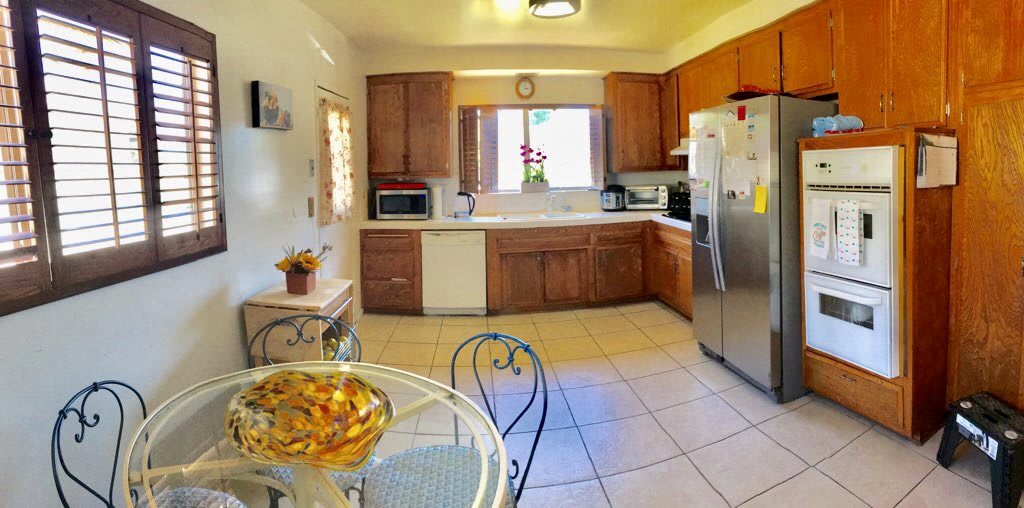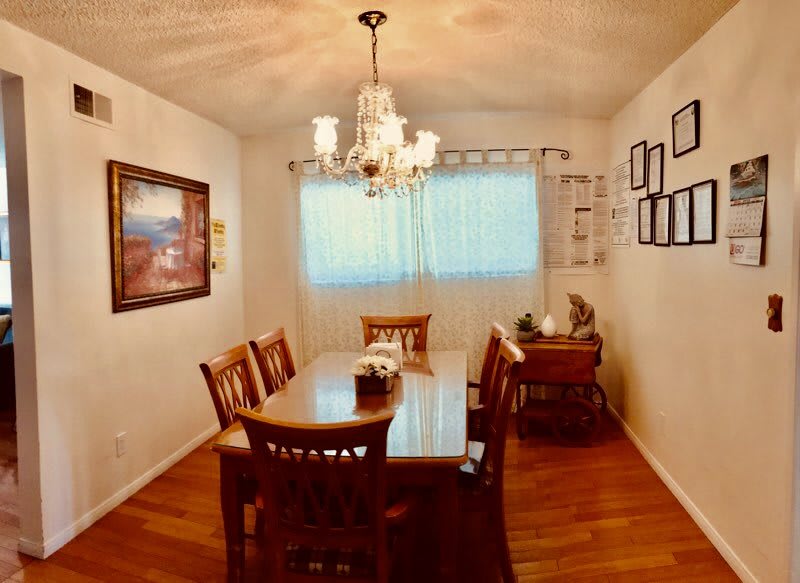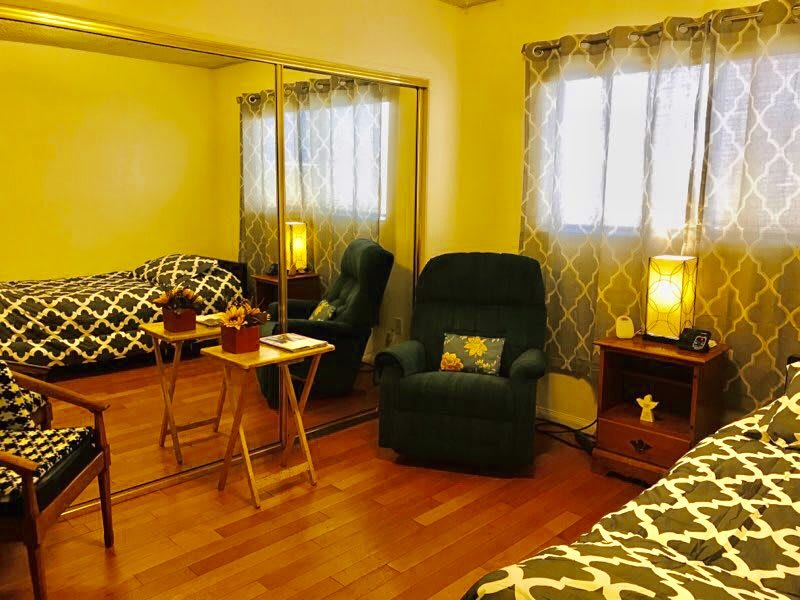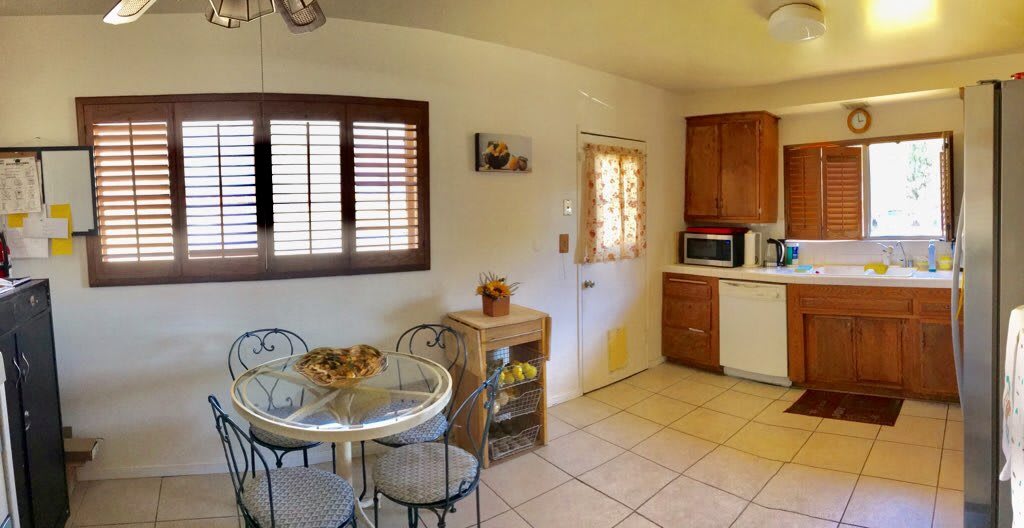
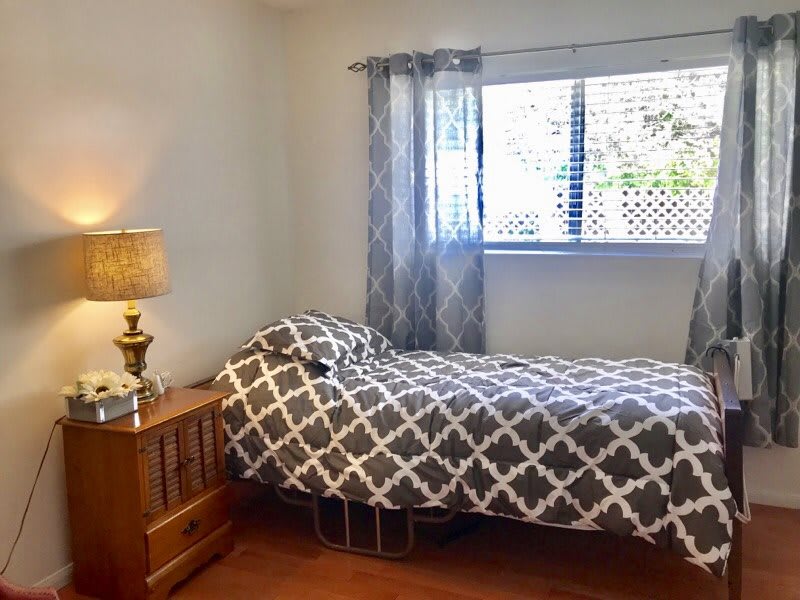
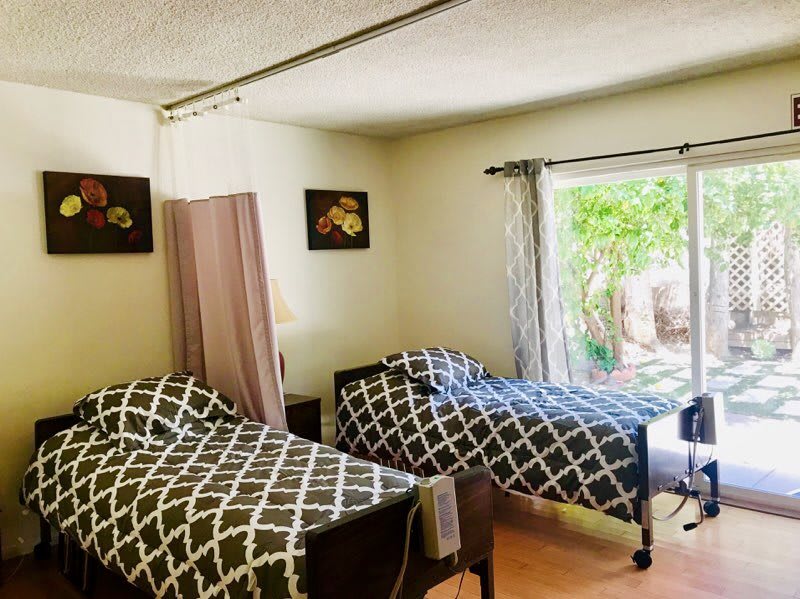
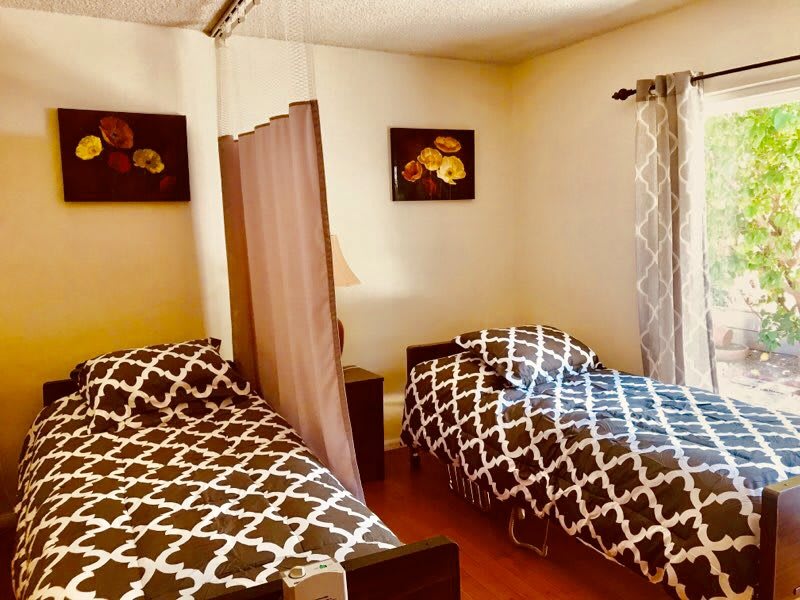
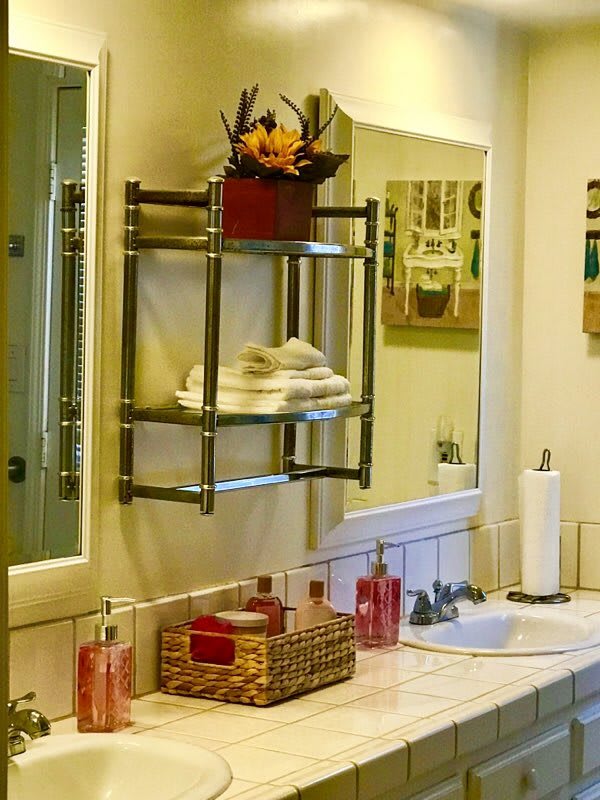
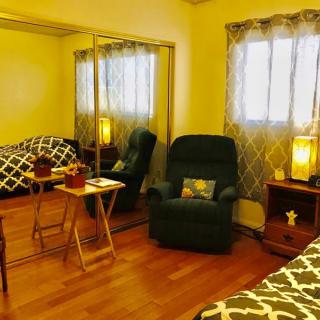

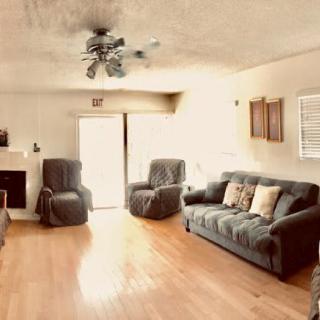
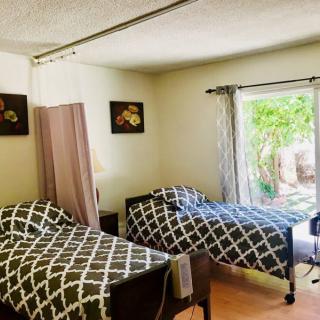


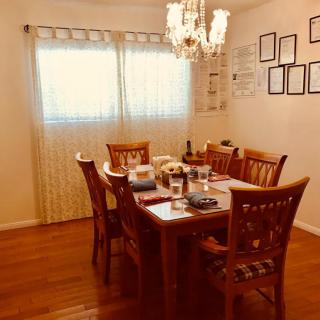
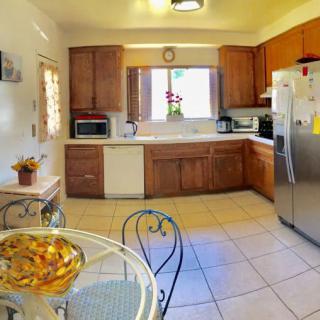
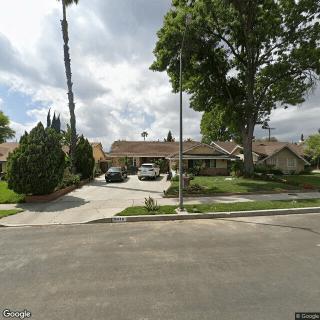
19733 Hemmingway Street, Winnetka, CA 91306
For more information about senior living options: (866) 208-4318
Winnetka Home Care Costs & Pricing
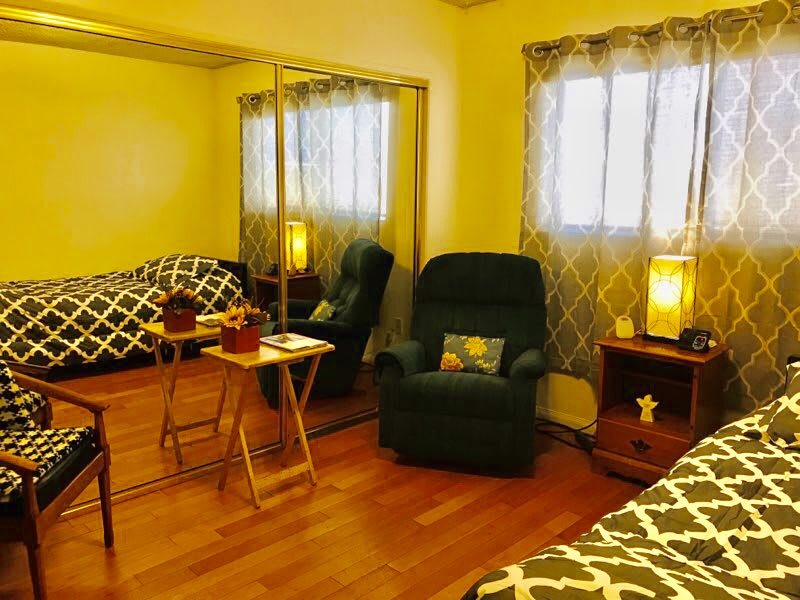
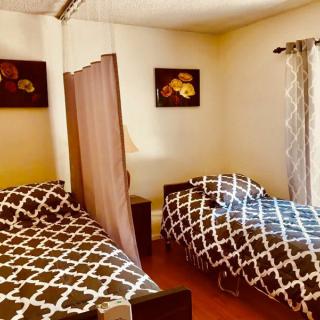
Winnetka Home Care offers competitive pricing for its services compared to both Los Angeles County and the broader state of California. For semi-private rooms, the cost at Winnetka is $3,900 per month, which is slightly higher than the county's average of $3,349 and the state average of $3,333. When it comes to private rooms, Winnetka's rate of $4,200 aligns closely with Los Angeles County's average of $4,197 but exceeds California's overall average of $3,939. These costs reflect a commitment to providing quality care in a supportive environment, positioning Winnetka Home Care as a viable option for those seeking reliable home care services amidst varying price points in the region.
| Floor plans | Winnetka Home Care | Los Angeles County | California |
|---|---|---|---|
| Semi-Private | $3,900 | $3,349 | $3,333 |
| Private | $4,200 | $4,197 | $3,939 |
Assisted Living communities with a similar price nearby
-
from +$600 / mo
Ardenville Home Care I
$4,500 / month12.5 miles away -
About the same
America's Care Manor
$3,800 to $4,000 / month7.5 miles away -
from -$400 / mo
Hollywood Healthy Living
$3,500 to $5,000 / month12.5 miles away -
from +$390 / mo

An Everlasting Spring - Senior Care
$4,290 to $5,577 / month18.1 miles away -
from -$400 / mo

California Senior Of Sherman Oaks
$3,500 to $4,000 / month7.2 miles away
Overall Review of Winnetka Home Care
Pros
 Grandpa received amazing love and care during his knee surgery recovery.
- He is home and back with his family.
- The facility is highly recommended for anyone needing a loving and helpful hand.
- The reviewers express gratitude and endorse the facility.
Review
Winnetka Home Care in Winnetka, California, is best suited for families seeking a warmly human, post-acute recovery partner for an older relative who recently underwent knee surgery and needs extra hands to regain independence at home. The community’s acknowledged strength lies in its ability to create an atmosphere of reassurance and reliability at a critical moment, when a loved one is transitioning from hospital to daily life with limited mobility. This setting is ideal for seniors who prize immediate, compassionate attention, steady routine, and clear, comforting communication from caregivers who treat recovery as a shared family goal.
Those with longer-term medical complexities or who require sustained, around-the-clock skilled nursing may want alternatives. If ongoing chronic supervision, memory care, or a more structured, facility-based daily program is the priority, other assisted living options or skilled nursing facilities in the area may offer broader medical oversight, more robust social programming, and a built-in continuum of care. In short, Winnetka Home Care shines in post-surgical recovery support; families should look elsewhere if the plan involves long-term, high-acuity medical needs or dementia-focused care.
The decisive pros center on care quality and emotional stewardship. The narratives consistently describe "amazing love and care" and a "loving and helpful hand" during the recovery phase, which translates into tangible outcomes: smoother transitions from hospital stay, reduced family anxiety, and a higher likelihood that the senior returns home safely. That kind of devoted attention, attention that anticipates needs, assists with mobility, medications, and daily routines, and maintains a steady, reassuring presence, becomes the practical engine behind recovery gains. In situations where the goal is to regain function and reestablish independence quickly, such a caregiving culture can outperform more impersonal settings.
While the reviews celebrate warmth and efficacy, they reveal little about the facility’s capacity for long-term living, varied activities, or clinical oversight beyond recovery support. The absence of information about therapy schedules, nurse availability, or meal customization leaves questions for families planning longer stays or more complex medical management. Yet the same strengths, the consistent, compassionate care and a homey, attentive environment, often offset these gaps when the priority is a short-term, high-quality recovery pathway. The key is alignment: if the decision centers on getting a loved one home fast and well after surgery, the pros substantially offset the potential downsides.
For families weighing this option, the practical next steps are clear. Confirm the level of medical oversight available on-site or through partner providers, and verify the availability of post-operative physical therapy, pain management, and daily living assistance. Arrange an in-person visit to meet the caregivers and observe how they interact with a recovering senior, and request a draft care plan that outlines frequency of check-ins, medication reminders, and emergency contacts. Clarify costs, availability, and what happens if the recovery takes longer than anticipated. And ensure the plan includes a smooth hand-off to home-based care or to a higher level of facility care if outcomes stall.
Ultimately, Winnetka Home Care presents a compelling choice for families prioritizing compassionate, reliable post-surgical recovery support that helps a loved one return home with dignity. The overwhelmingly positive testimonials signal a dependable care philosophy, a responsive team, and a setting where recovery is treated as a shared mission. With thoughtful verification of service scope and flexibility for longer-term needs, this community stands out as a practical, results-driven option for getting an older relative safely back to family life.
 6 resident community capacity
 Assisted Living
 Board and Care Home
 Activities on-site
 Bath tubs
 Beautician on-site
 Cable or satellite TV
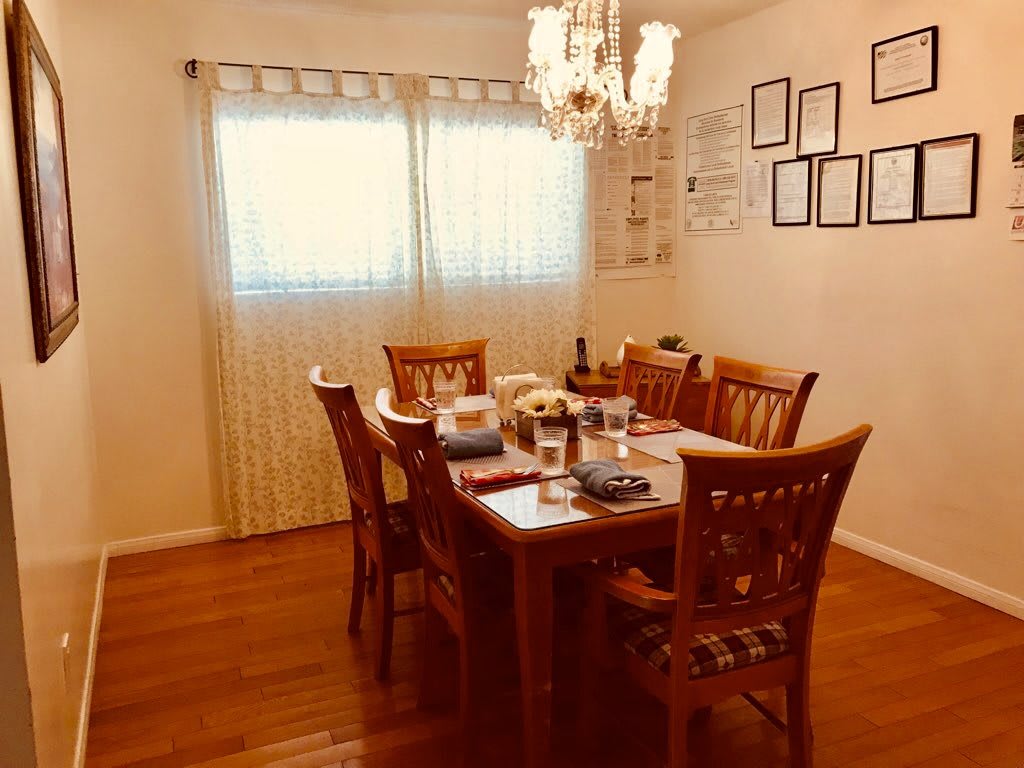
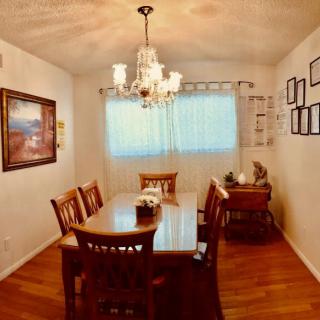
 Dining room
 Fully furnished
 Garden
 Housekeeping services
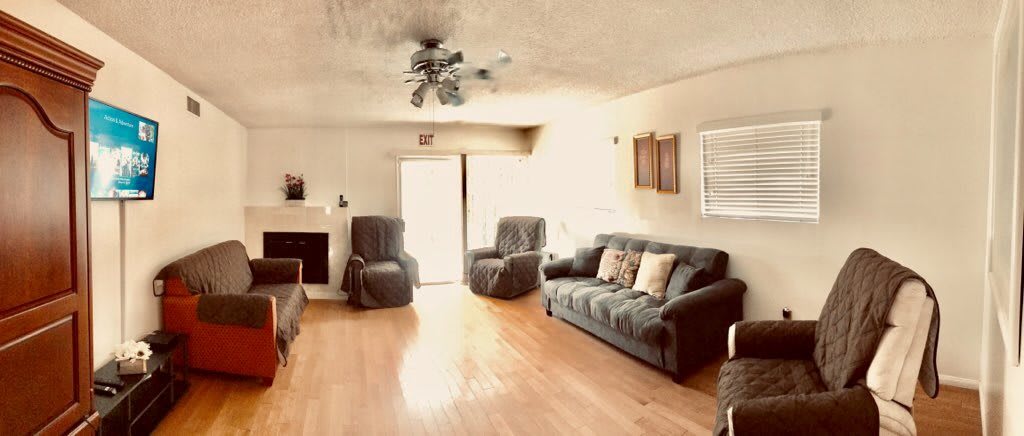
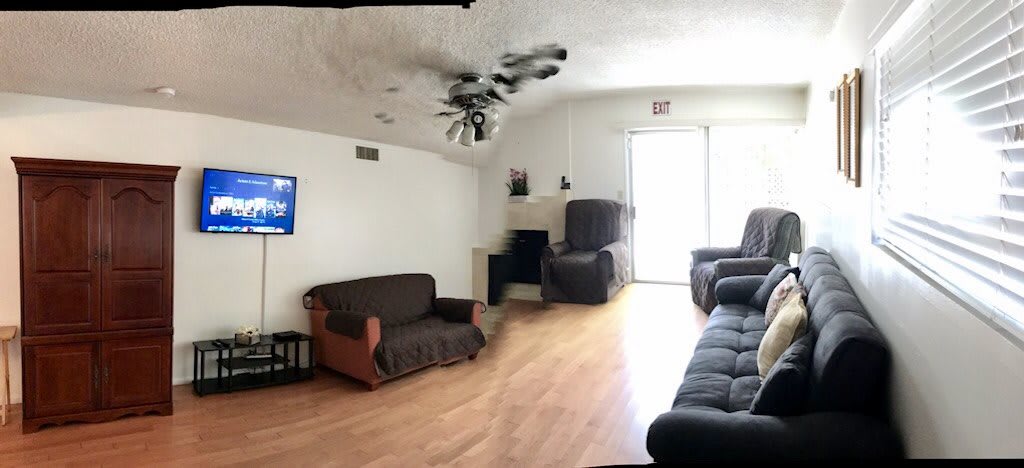
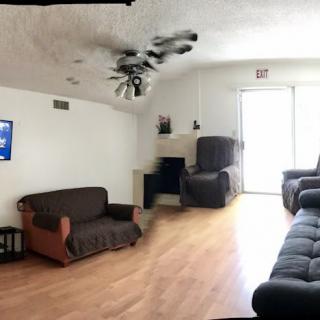
 Indoor common areas
 Move-in coordination
 Outdoor common areas
 Private
 Telephone
 Wi-Fi/high-speed internet available
 Burbank-Glendale-Pasadena (12 miles away)
 24-hour supervision
 Ambulatory care
 Assistance with bathing
 Assistance with dressing
 Assistance with transfers
 Diabetes diet
 High acuity care
 Incontinence care
 Meal preparation and service
 Medication management
 Special dietary restrictions
 Transportation arrangement (medical)
 Transportation to doctors appointments
 Art classes
 BBQs or picnics
 Birthday parties
 Educational speakers / life long learning
 Forever fit
 Karaoke
 Live dance or theater performances
 Live musical performances
 Stretching classes

 When to Transition from Assisted Living to Memory Care: Key Indicators, Steps, and Finding the Right Community
 Assisted Living and Memory Care: Understanding Their Core Differences
 Beyond the Bingo Hall: 50+ Enriching Activities for Seniors in Assisted Living