
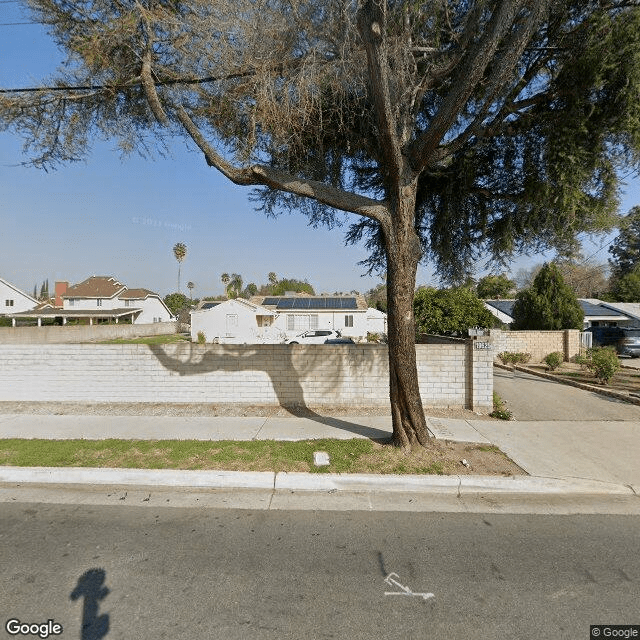
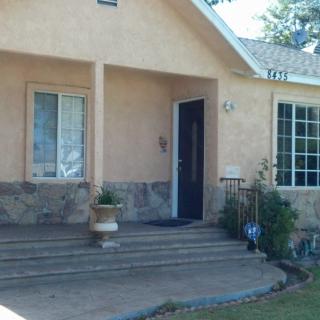
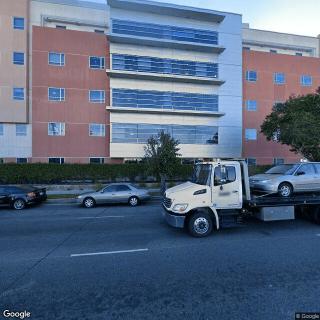
19625 Roscoe Boulevard, Northridge, CA 91324
For more information about senior living options: (866) 208-4318
Bright Eyes I Costs & Pricing
Bright Eyes I offers competitive pricing for its accommodations when compared to the broader market trends in Los Angeles County and California as a whole. For semi-private rooms, residents pay $2,000 per month, which is significantly lower than the county average of $3,349 and the state average of $3,333. Similarly, private rooms at Bright Eyes I are priced at $2,500, offering substantial savings compared to Los Angeles County's average of $4,197 and the state's average of $3,939. Even for studio apartments, with a monthly cost of $2,500, Bright Eyes I remains more affordable than both county ($4,172) and state averages ($4,145). This pricing structure positions Bright Eyes I as an attractive option for individuals seeking quality care without the financial strain typically associated with similar facilities in the region.
| Floor plans | Bright Eyes I | Los Angeles County | California |
|---|---|---|---|
| Semi-Private | $2,000 | $3,349 | $3,333 |
| Private | $2,500 | $4,197 | $3,939 |
| Studio | $2,500 | $4,172 | $4,145 |
Memory care communities with a similar price nearby
-
from -$200 / mo
Green Valley Home Care
$1,800 to $2,000 / month12.1 miles away -
from +$200 / mo
Granada Hills Gardens
$2,200 to $3,500 / month4.3 miles away -
from -$200 / mo
Gracie's Residential Care
$1,800 to $2,500 / month17.6 miles away -
from -$200 / mo
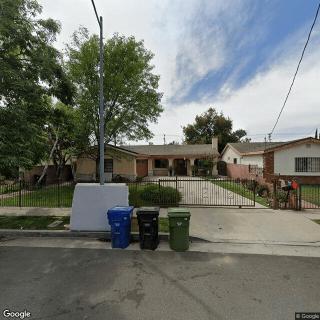
Masa Comfort Living Inc.
$1,800 to $3,200 / month8.5 miles away -
from -$250 / mo
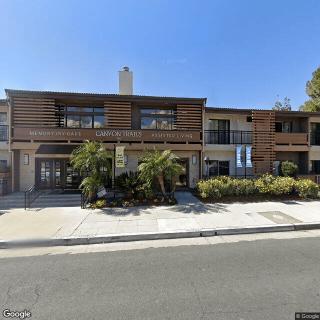
Oakdale Heights of Woodland Hills
$1,750 to $3,462 / month2.6 miles away
Overall Review of Bright Eyes I
Pros
 They make residents feel human.
- Their staff are great.
- The owners Norma and her husband, along with the staff, care for everyone.
- Bright Eyes Retirement Home is highly regarded for love, care, and support.
- The reviewer would stay again.
- The team manages medications and ensures residents are safe, giving families peace of mind.
Cons
 There is doubt about Jubi being there.
Review
Bright Eyes I in Northridge is best suited for families seeking a small, home-like assisted living where everyday attentiveness and close caregiver bonds take precedence over a flashy campus feel. A loved one who benefits from hands-on daily support, meticulous medication management, and steady safety oversight will find navigable peace of mind here. The community’s strength is in how staff treat residents as people first, with consistent, genuine communication that reduces the burden on out-of-town relatives. This is a setting where warmth and personal connection are not afterthoughts but the core operating principle.
There are clear caveats families should weigh. Those requiring hospital-level medical oversight on-site, formal memory-care programming, or a broad, calendar-packed activities schedule may want to look at alternatives. Bright Eyes I appears to prioritize daily living support and safety over large-scale clinical offerings or rehab services. For residents who need around-the-clock nursing, intensive therapy, or specialty dementia programs, other communities with deeper clinical capacity may be a better match.
The strongest positives emerge in the day-to-day relationships and practical care. Reviews consistently credit Norma and her team, including Anna, with a culture that makes residents feel seen and valued. The staff is described as capable, compassionate, and genuinely invested in residents’ well-being, with a palpable sense that care is personalized rather than transactional. Medication management is highlighted as a particular strength, careful oversight, timely administration, and proactive handling of changes. Safety is cited as a constant priority, and family members report real relief knowing their loved one is in capable, attentive hands.
Those substantive strengths serve as a meaningful offset to the absence of more expansive, high-volume programming. The trade-off for a homey, intimate environment is a potential lack of the depth some families seek from larger facilities. Yet the same intimate quality that can feel like a safeguard against depersonalization also tends to produce the strongest loyalty: staff know residents’ histories, preferences, and routines, which translates into fewer miscommunications and smoother transitions if plans change. While no drawbacks are loudly proclaimed in the reviews, the prudent buyer should still verify current staffing ratios, hours, and the availability of on-site nursing to ensure alignment with specific medical expectations.
For decision-making, practical next steps matter. Prospective families should arrange a focused visit, asking about nurse staffing coverage, medication routines, and how off-hours care is managed. Seek conversations with current residents or families to hear about daily life, meal quality, and activity engagement. Observe interactions between staff and residents to gauge warmth, respect, and efficiency. Compare Bright Eyes I’s offerings against other local options to determine whether the intimate, relationship-forward model fits the loved one’s level of needs and desired pace of daily life.
Bottom line: Bright Eyes I stands out for families prioritizing a nurturing, connected care team and reliable daily support, where caregivers’ attention translates into real peace of mind for families who travel or live far away. It is an excellent fit for residents who thrive on personalized attention, medication oversight, and a safety-forward approach in a small, homelike setting. For those with advanced medical needs, memory-care complexity, or rehab expectations, alternate communities with stronger clinical footprints should be considered. A guided tour, with focused questions about staffing, services, and resident experience, will reveal whether this intimate model aligns with the loved one’s most important priorities.
 6 resident community capacity
 Assisted Living
 Board and Care Home
 Memory Care
 Cats allowed
 Dogs allowed
 Cable or satellite TV
 Dining room
 Fully furnished
 Garden
 Housekeeping services
 Move-in coordination
 Outdoor space
 Private
 Telephone
 Wi-Fi/high-speed internet available
 Burbank-Glendale-Pasadena (12 miles away)
 24-hour supervision
 Activities of daily living assistance
 Assistance with bathing
 Assistance with dressing
 Assistance with transfers
 Diabetes diet
 Meal preparation and service
 Medication management
 Special dietary restrictions
 Transportation arrangement (medical)
 Transportation to doctors appointments


 Why Do Dementia Patients Sleep So Much? Understanding Oversleeping, Stages, and Care Approaches
 8 Key Indicators That Suggest It May Be Time to Transition from Assisted Living to Skilled Nursing Care
 Nourishing the Mind: Essential Dietary Approaches for Dementia