
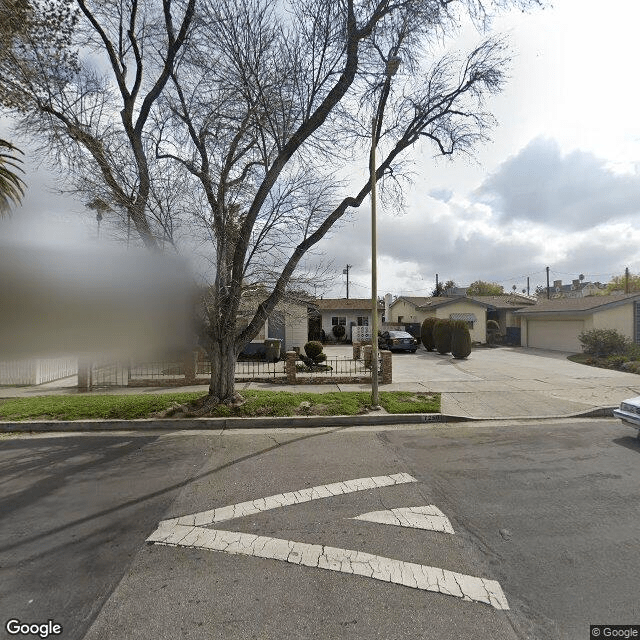
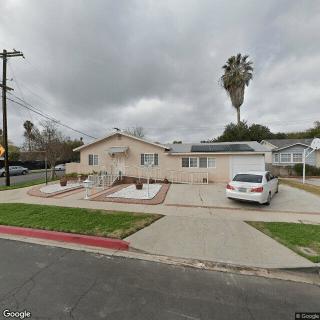
7250 Quartz Avenue, Winnetka, CA 91306
For more information about senior living options: (866) 208-4318
Quartz Garden Costs & Pricing
Quartz Garden offers competitive pricing for its accommodations compared to the broader market in Los Angeles County and the state of California. For a semi-private room, residents can expect to pay $2,700 per month, significantly lower than the county average of $3,349 and the state average of $3,333. Private rooms at Quartz Garden are available for $3,700, which also undercuts both Los Angeles County's average of $4,197 and California's average of $3,939. Lastly, studio apartments are offered at a rate of $4,000 per month - this is slightly above the county's average of $4,172 but remains competitive when looking at the state average of $4,145. Overall, Quartz Garden provides attractive pricing options that reflect quality without straining residents' budgets.
| Floor plans | Quartz Garden | Los Angeles County | California |
|---|---|---|---|
| Semi-Private | $2,700 | $3,349 | $3,333 |
| Private | $3,700 | $4,197 | $3,939 |
| Studio | $4,000 | $4,172 | $4,145 |
Memory care communities with a similar price nearby
-
About the same
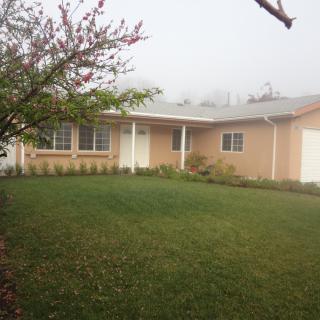
Dignity Care Home 1
$2,750 to $4,150 / month4.8 miles away -
from +$500 / mo
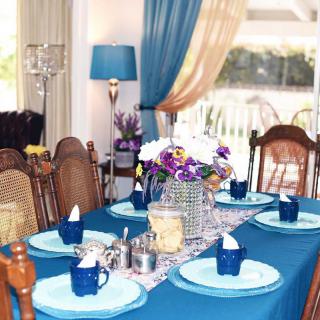
Angeles Assisted Living
$3,200 to $4,200 / month5.2 miles away -
from -$500 / mo
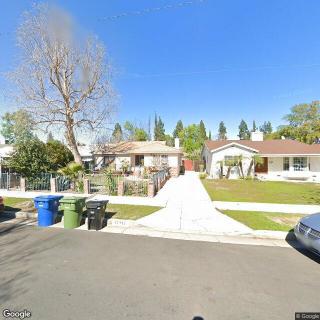
Granada Hills Gardens
$2,200 to $3,500 / month5.4 miles away -
from -$200 / mo
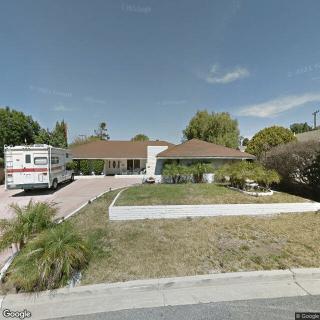
Familycare Cottage IV
$2,500 to $4,500 / month17.1 miles away -
from +$300 / mo
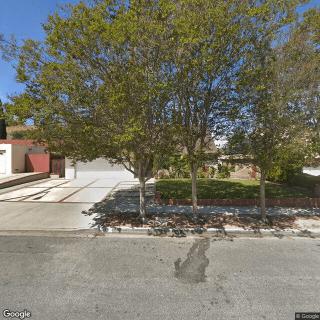
Happy Home Care
$3,000 to $3,500 / month20.7 miles away
Overall Review of Quartz Garden
Pros
 The caregivers Art and Marsela were wonderful.
- Their caring, loving, and kind care gave the family peace of mind.
- Quartz Garden Residential Care is very nice and very clean.
- They serve good food.
- The staff are really nice and take very good care of residents.
- They provide baths, color residents' hair, and meals.
Review
Quartz Garden Residential Care in Winnetka is best suited for families seeking an intimate, caregiver-driven environment where a loved one can receive highly personalized attention in a home-like setting, especially when end-of-life support or hospice care is part of the plan. The most emphatic takeaway from the recent experiences is the depth of warmth and dedication demonstrated by frontline caregivers, notably Art and Marsela, whose compassionate care provided real peace of mind to family members. This is not a place for those chasing the buzzy, activity-rich campus atmosphere; it is a small-scale, patient-centered option that emphasizes daily presence, cleanliness, and respectful, hands-on support.
For families weighing options, alternatives become attractive when the priority shifts to robust medical oversight, 24/7 nursing coverage, or a broader slate of clinical and rehabilitative services. Larger assisted living communities or skilled nursing facilities typically offer more extensive on-site medical resources, structured therapy programs, and a wider array of social activities. If a loved one requires intensive pain management, complex chronic-disease monitoring, or memory-care programming with a full-time clinical team, a facility with those capabilities may be a better fit. In short, Quartz Garden shines in personal, compassionate care but may fall short for those needing comprehensive medical infrastructure.
The most compelling pros are tangible and repeatedly reinforced by the families who entrusted their loved ones to Quartz Garden. The staff’s kindness and attentiveness stand out as a core strength, turning routine tasks into meaningful moments of connection. Cleanliness and a well-kept environment further reinforce confidence that basic needs will be met in a respectful, orderly manner. Nutritional quality is also highlighted, serving good meals contributes to comfort and daily satisfaction. The combination of a supportive caregiver presence with practical daily routines, bathing, grooming, feeding, creates a dependable, predictable environment that fosters dignity.
Yet the reviews imply potential limitations inherent in a small, residential care setting. The very intimacy that amplifies personalized attention may coincide with a narrower range of on-site services and fewer clinical resources than larger facilities. This is not so much a fault as a factor to plan around: for families with residents who have complex medical needs, frequent skilled nursing interventions, or specialized therapies, Quartz Garden may require close coordination with external providers or a willingness to prioritize comfort and daily well-being over advanced medical programming. The lack of explicit information about hospital-grade oversight means due diligence is essential before moving forward.
To make an informed choice, prospective families should ask pointed questions that address real-world needs. Inquire about the caregiver-to-resident ratio across day and night, the availability of on-site or on-call medical support, and how pain management and hospice services are coordinated. Clarify meal planning, dietary accommodations, and how daily routines align with a loved one’s preferences for grooming and personal care. Understand pricing, what is included in the rate, and whether respite options or trial stays are possible. These specifics will reveal how Quartz Garden can accommodate ongoing medical needs while preserving the intimate, attentive atmosphere it is known for.
Bottom line: Quartz Garden delivers exceptional warmth, cleanliness, and daily, individualized care within a quiet, intimate setting that can provide genuine peace of mind for families navigating hospice or end-of-life decisions. For those requiring more comprehensive medical oversight, memory-care specialization, or a fuller program of activities, alternatives deserve serious consideration. When the priority is dignity, personal attention, and a home-like atmosphere, Quartz Garden stands out as a practical, trustworthy choice worth weighing carefully against other options.
 6 resident community capacity
 Studio apartments
 Assisted Living
 Board and Care Home
 Memory Care
 Activities on-site
 Cable or satellite TV
 Dining room
 Financial aid
 Full kitchen
 Fully furnished
 Garden
 Housekeeping services
 Indoor common areas
 Laundry
 Move-in coordination
 Outdoor common areas
 Party space
 Private
 Private bathrooms
 Respite or short term stays offered
 Small library
 Telephone
 Wheelchair accessible showers
 Burbank-Glendale-Pasadena (12 miles away)
 Transportation & parking
 24-hour supervision
 Ambulatory care
 Assistance with bathing
 Assistance with dressing
 Assistance with transfers
 Diabetes diet
 High acuity care
 Hospice care
 Incontinence care
 Meal preparation and service
 Medication management
 Special dietary restrictions
 Educational speakers / life long learning
 Fitness programs
 Live musical performances
 English

 Comprehensive Guide to VA Nursing Homes: A Crucial Long-Term Care Resource for Veterans
 Estimating the Expenses of At-Home Dementia Care: A Detailed Exploration
 Comprehensive Insights on the Late Stages of Dementia: What to Expect and How to Provide Care