
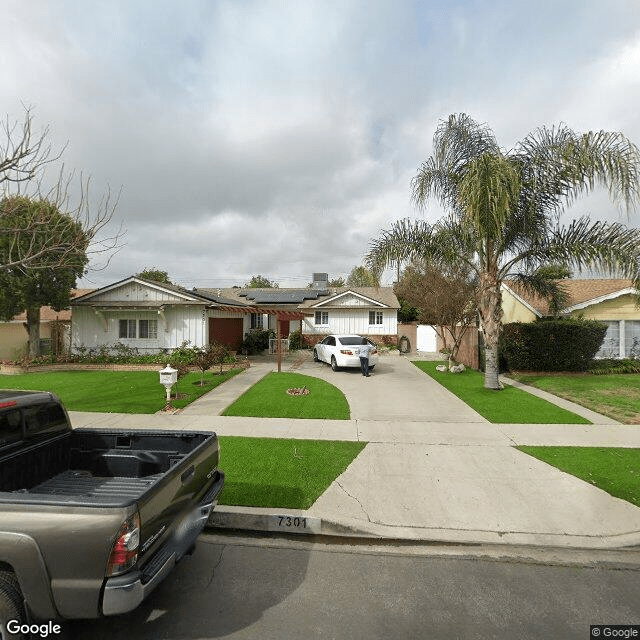
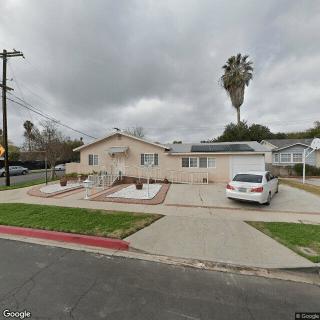
7301 Quartz Avenue, Winnetka, CA 91306
For more information about senior living options: (866) 208-4318
Sunshine's Place Costs & Pricing
Sunshine's Place offers competitive pricing for its room types when compared to both Los Angeles County and the broader California market. With semi-private rooms priced at $2,000 per month, Sunshine's Place provides a significant cost advantage against the Los Angeles County average of $3,349 and the state average of $3,333. Similarly, its private rooms are available for $2,500 monthly, which is notably lower than the county's average of $4,197 and also undercuts the state average of $3,939. These rates reflect Sunshine's Place commitment to affordability while maintaining quality care in a welcoming environment.
| Floor plans | Sunshine's Place | Los Angeles County | California |
|---|---|---|---|
| Semi-Private | $2,000 | $3,349 | $3,333 |
| Private | $2,500 | $4,197 | $3,939 |
Assisted Living communities with a similar price nearby
-
from +$200 / mo

Precious Someone Homecare
$2,200 to $3,300 / month3.4 miles away -
from -$200 / mo
Green Valley Home Care
$1,800 to $2,000 / month12.5 miles away -
from -$200 / mo
Gracie's Residential Care
$1,800 to $2,500 / month16.6 miles away -
About the same

Primrose 2
$2,000 to $2,500 / month1.7 miles away -
About the same

Primrose
$2,000 to $2,500 / month1.7 miles away
Overall Review of Sunshine's Place
Pros
 Sunshine's Place is a wonderful elderly care facility.
- The caring staff, clean and comfortable living spaces, and fun activities make it a great choice for your loved ones.
- The team’s dedication ensures a warm and supportive environment.
Cons
 They are very rude.
- They have a bad attitude.
- People shouldn’t bring their elderly here.
Review
Sunshine’s Place in Winnetka, California, is best suited for seniors who prize a warm, socially active environment where daily life centers on approachable care delivered with a personal touch. It appeals to families seeking clean, comfortable living spaces and a calendar of engaging activities that keep residents mentally and socially involved. The model is well matched to older adults who prefer a homelike setting over a clinical atmosphere and value staff who are easy to approach. Those requiring substantial medical oversight, highly structured clinical routines, or a consistently polished interpersonal climate may want to explore alternatives before committing.
The strongest positives are clear: caring staff, clean and comfortable living spaces, and a robust slate of activities that contribute to a welcoming, supportive atmosphere. When the team is described as dedicated, this translates into reliable daily help, predictable routines, and residents who feel seen and attended to. Cleanliness removes everyday stress, and comfortable quarters help preserve dignity and independence. A lively program calendar matters too; it delivers purpose, reduces isolation, and supports social connections that are essential to well-being in the later years.
Yet the experience is not uniform. One reviewer flags rude behavior and a bad attitude, signaling potential gaps in staff demeanor or training. That kind of feedback matters, because respectful interaction underpins safety, compliance with preferences, and emotional well-being. In a setting built on close, ongoing contact, even occasional terse responses can erode trust and deter family involvement. The coexistence of praise for warmth with a blunt warning about attitude suggests that culture varies by shift, staff, or moment, making direct observations during a visit essential.
From a practical standpoint, the pros can offset the main cons only to a point. The quality of living spaces and the strength of programming create a buffer if occasional rudeness is isolated or episodic, but persistent disrespect will corrode satisfaction and potentially impact care outcomes. For residents who spend long hours in common areas or rely on staff for delicate routines, consistent courtesy and prompt responsiveness are non-negotiable. Prospective families should scrutinize how staff handle questions, resolve concerns, and manage sensitive situations during tours, and should verify that supervisory structures reinforce compassionate care.
During due diligence, focus on tangible indicators: staff-to-resident ratios, caregiver tenure, onboarding and ongoing training, and the facility’s process for addressing resident feedback. Ask to participate in sample activities to gauge energy and inclusivity; review menus, room configurations, and privacy practices; request a tour of a typical resident space to assess cleanliness and comfort. Assess the accessibility of medical support, emergency procedures, and transportation options, ensuring alignment with current needs. The Winnetka location matters for family involvement and ease of visiting, which strongly influences ongoing satisfaction.
Ultimately Sunshine’s Place serves a distinct niche, residents who prize a warm, activity-rich home environment and can tolerate variability in staff demeanor. For families prioritizing consistently courteous care and seamless professional oversight, alternatives should be explored in parallel with a candid tour and reference checks. A disciplined approach includes contacting current residents, requesting unscripted observations, and confirming that the culture aligns with entrusted care. If tours reveal genuine warmth paired with dependable routines, Sunshine’s Place can offer a comfortable, socially engaging option in Winnetka; if not, the search should widen to communities with a more uniform professional standard.
 6 resident community capacity
 Assisted Living
 Board and Care Home
 Cable or satellite TV
 Dining room
 Fully furnished
 Garden
 Housekeeping services
 Move-in coordination
 Outdoor space
 Private
 Telephone
 Wi-Fi/high-speed internet available
 Burbank-Glendale-Pasadena (12 miles away)
 24-hour supervision
 Activities of daily living assistance
 Assistance with bathing
 Assistance with dressing
 Assistance with transfers
 Diabetes diet
 Meal preparation and service
 Medication management
 Special dietary restrictions
 Transportation arrangement (medical)
 Transportation to doctors appointments




 Funding and Affording Assisted Living: A Thorough Overview
 Assisted Living Expenses and Long-Term Care Insurance: A Comprehensive Exploration
 Securing Financial Support for Assisted Living: A Comprehensive Overview