For more information about senior living options: (866) 208-4318
2.5 from 95 reviews
5 stars
25
4 stars
10
3 stars
2
2 stars
5
1 stars
53
Overall Review of Woodland Care Center
caveat10 reviews mention this
Call button response raises concern
Several residents and families report slow or missed responses after pressing call buttons.
A recurring complaint is that help takes too long to arrive after residents use call buttons, including instances where requests go unmet for extended periods. Some reviewers also describe difficulties reaching staff by phone and frustration with unclear communication from the nursing station. There are also accounts of medication delays tied to these response times.
caveat11 reviews mention this
Care and medication management questioned
Multiple reviews raise serious questions about day-to-day care and medication follow-through.
Several reviews describe problems such as missed or delayed medications, including antibiotics and pain meds, and concerns that medication records were not properly maintained. Other families report neglect-related outcomes such as soiled diapers left for hours, lack of timely restroom assistance, and infections they attribute to inadequate care. A few reviewers also mention discharge or coordination issues when they felt medical needs were not met.
common20 reviews mention this
Staff compassion is a bright spot
Many reviewers praise caregivers for being compassionate and attentive to residents.
Even among critical reviews, a noticeable theme is that many individual nurses and caregivers are described as kind, professional, and dedicated. Several families specifically say staff took time to provide comfort, listen to concerns, and help residents feel cared for, including during rehab and recovery periods. Reviewers also mention frequent positive interactions with social workers and front-desk staff, alongside examples of accommodating visitation and support for families.
caveat8 reviews mention this
Food quality is mixed
Dining experiences vary, with some families describing poor food and delays.
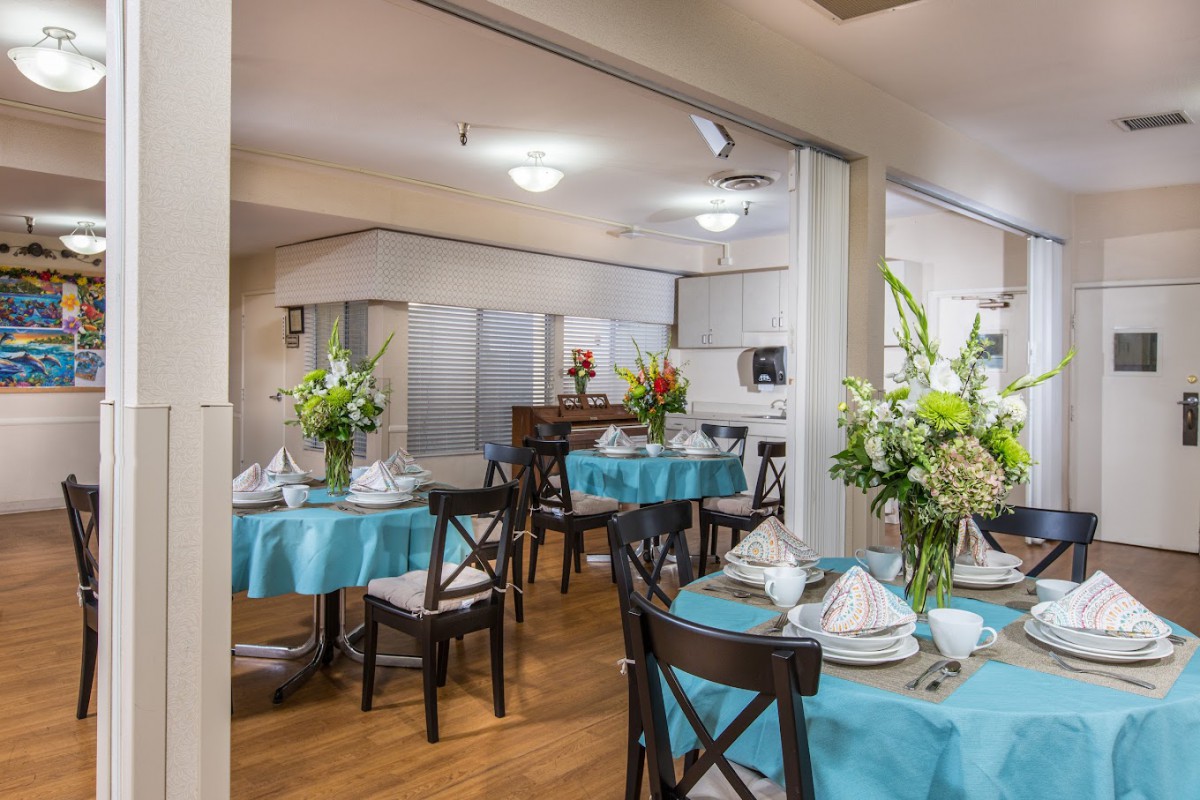
While some reviews describe food as acceptable or even better-than-expected, others call it disgusting, cheap, or unappetizing. A few reviewers connect nutrition problems to health outcomes, including dehydration and malnutrition, while others mention that meals were late or not served as scheduled. There are also comments about diet changes being refused, even when families asked for adjustments.
caveat9 reviews mention this
Facilities and cleanliness reviews diverge
Cleanliness and upkeep are described inconsistently across reviews.
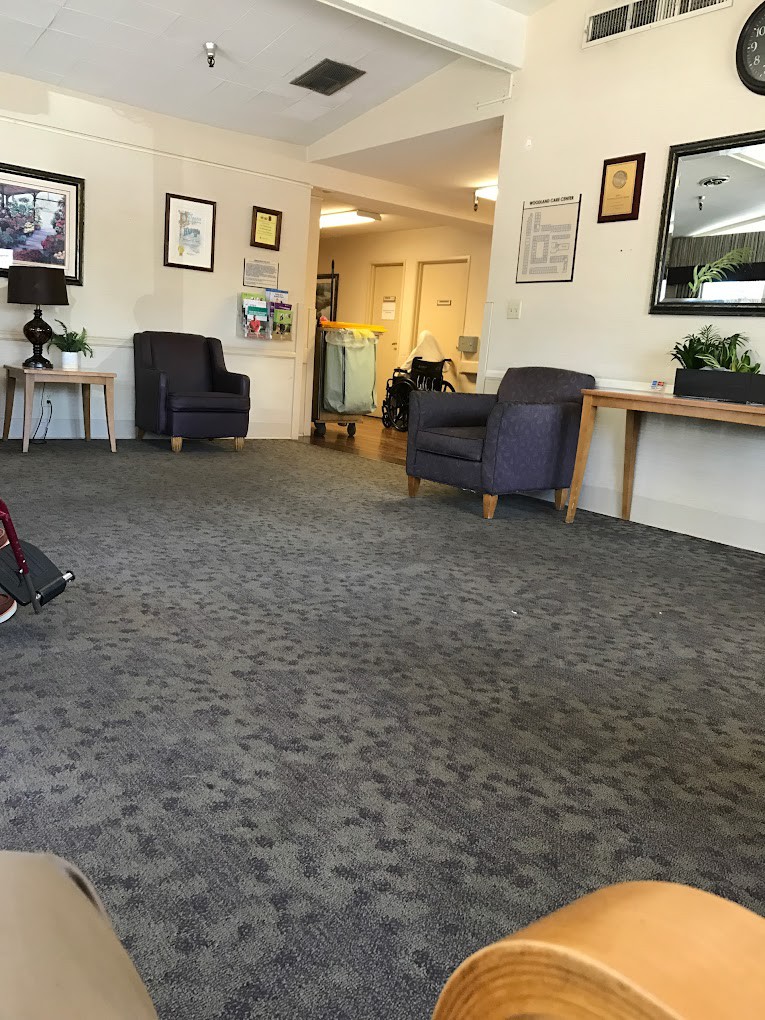
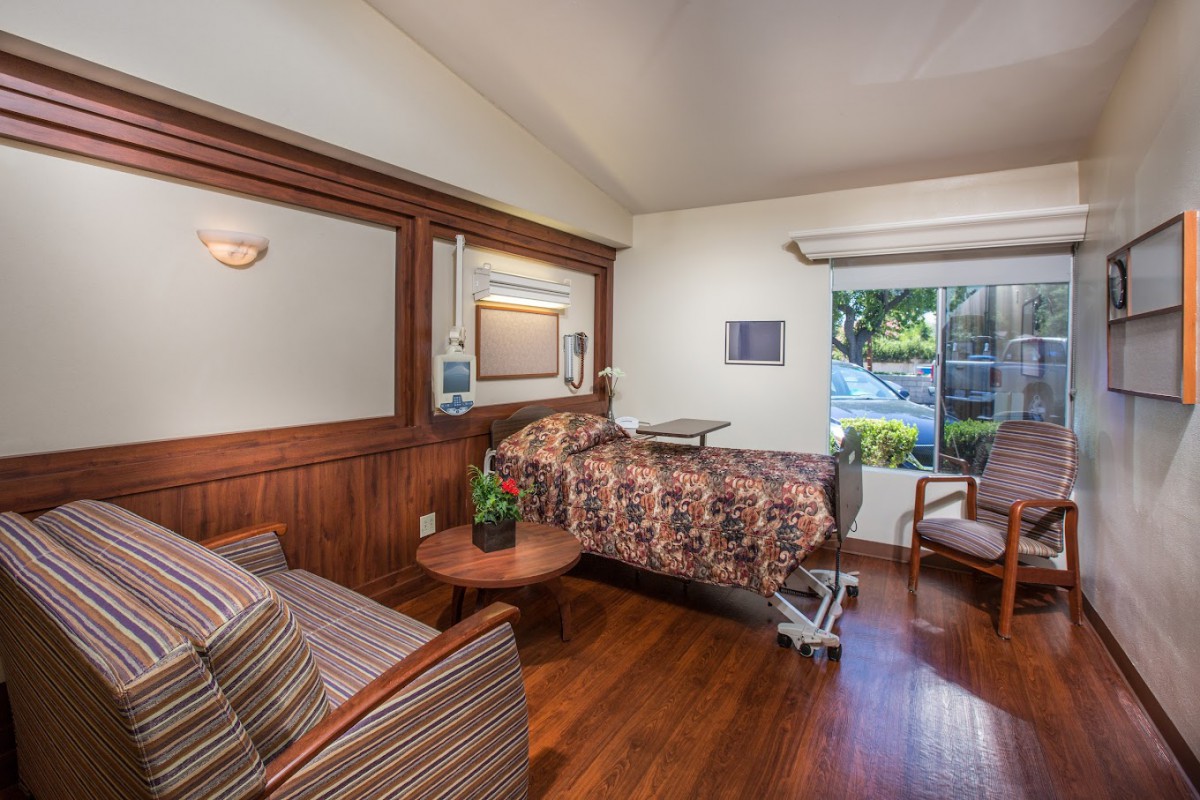
Some families say the facility is clean and well maintained, and a few specifically praise cleanliness of rooms and the overall environment. Other reviewers paint a different picture, describing unpleasant odors, dirty rooms, and items left behind or not cleaned properly. Even where staff are praised, there are criticisms about rundown condition and hygiene-related issues tied to resident comfort.
How we summarize
Counts show how many written reviews mention each theme; a review can touch several themes, and only frequently mentioned themes are displayed.
Features
Housing
21 resident community capacity
Types of Care
Assisted Living
Skilled Nursing Facility
Amenities
Beauty salon
Cable or satellite TV
Dining room
Fully furnished
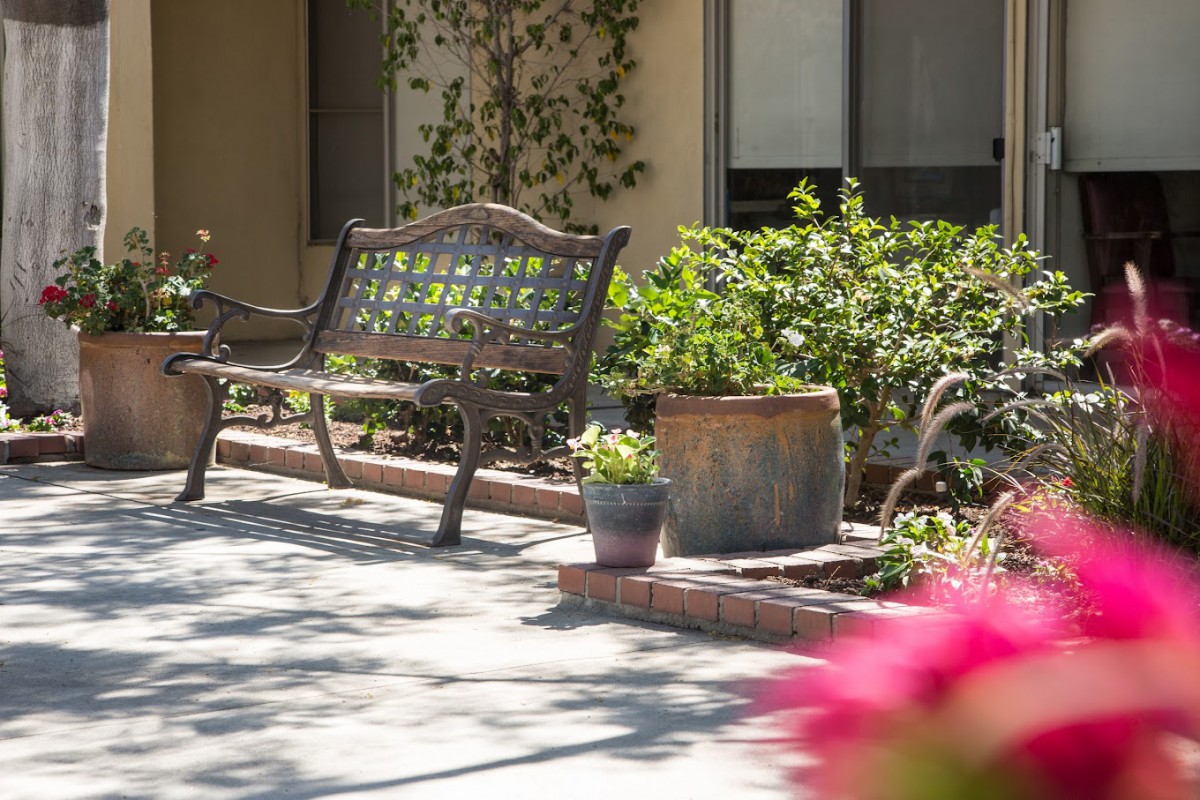
Garden
Guasts at mealtime
Housekeeping services
Kitchenette
Move-in coordination
Outdoor space
Resident parking
Security gate
Telephone
Wi-Fi/high-speed internet available
Transportation
Burbank-Glendale-Pasadena (12 miles away)
Los Angeles International (20 miles away)
Care Services
24-hour call system
24-hour supervision
Activities of daily living assistance
Assistance with bathing
Assistance with dressing
Assistance with transfers
Coordination with health care providers
Diabetes diet
Meal preparation and service
Medication management
Mental wellness program
Special dietary restrictions
Transportation arrangement (medical)
Transportation to doctors appointments
Dining
Diabetes diet
Special dietary restrictions
Activities
Community-sponsored activities
Scheduled daily activities
Languages Spoken
English
Spanish
Tagalog
Nearby Places of Interest
Pharmacies
CVS Pharmacy (0.4 miles)
CVS Pharmacy (0.9 miles)
Walgreens (1.1 miles)
CVS Pharmacy (1.5 miles)
Walgreens (1.6 miles)
CVS Pharmacy (1.7 miles)
CVS Pharmacy (2 miles)
Restaurants
Wendy's (0.4 miles)
Vinh Loi Tofu (1.3 miles)
McDonald's (1.6 miles)
McDonald's (1.7 miles)
Brent's Delicatessen & Restaurant (2 miles)
Chick-Fil-A (2.1 miles)
In-N-Out Burger (2.2 miles)
Cafes
Winnetka Bowl (0.8 miles)
Porto's Bakery & Cafe (2.4 miles)
Starbucks (2.5 miles)
Starbucks (3 miles)
Starbucks (3.3 miles)
Starbucks (3.6 miles)
Starbucks (3.7 miles)
Physicians
UCLA Health Woodland Hills (2.7 miles)
Evan Bachner Evan J Bachner MD (3.9 miles)
Center For Orthopaedic Specialists (3.9 miles)
Liberty Pacific Advanced Imaging | West Hills (3.9 miles)
Providence Medical Institute West Hills OB-GYN (4 miles)
Southern California Orthopedic Institute (5.7 miles)
Mid-Valley Comprehensive Health Center (6.4 miles)
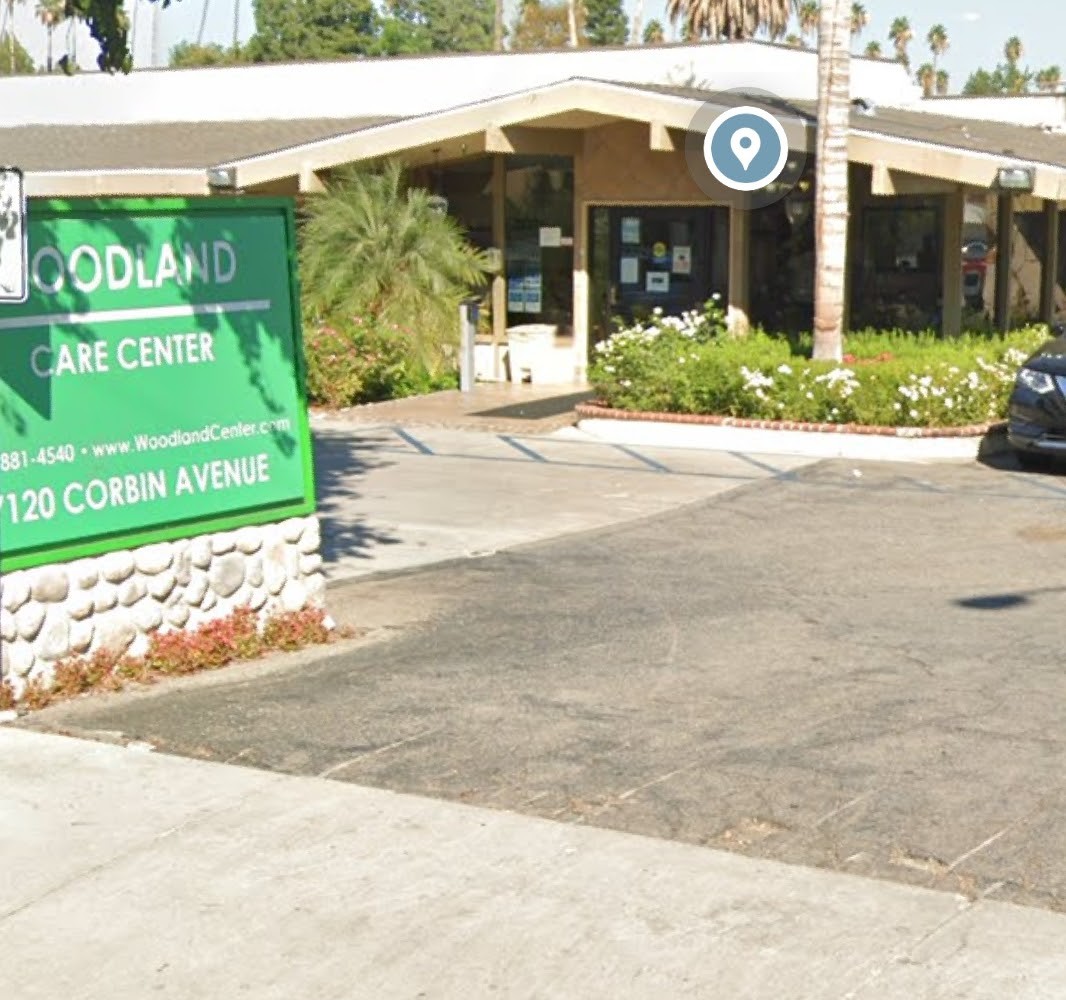
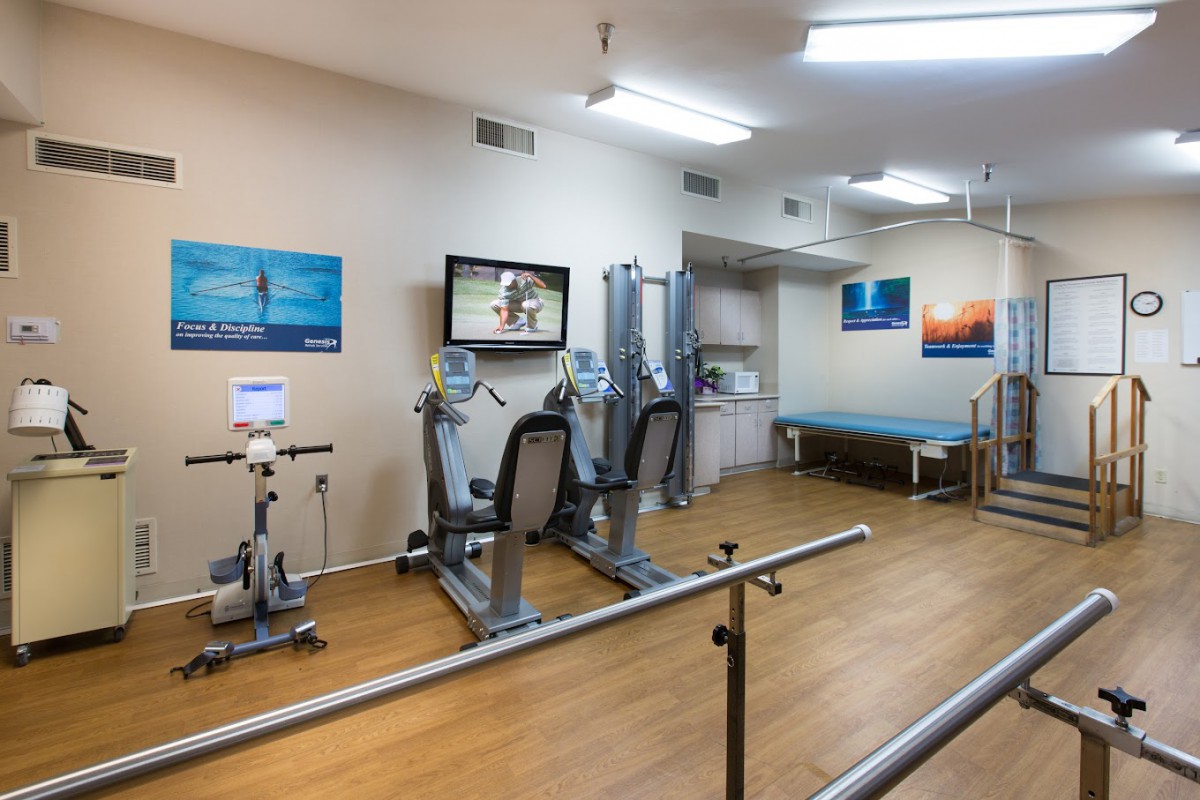
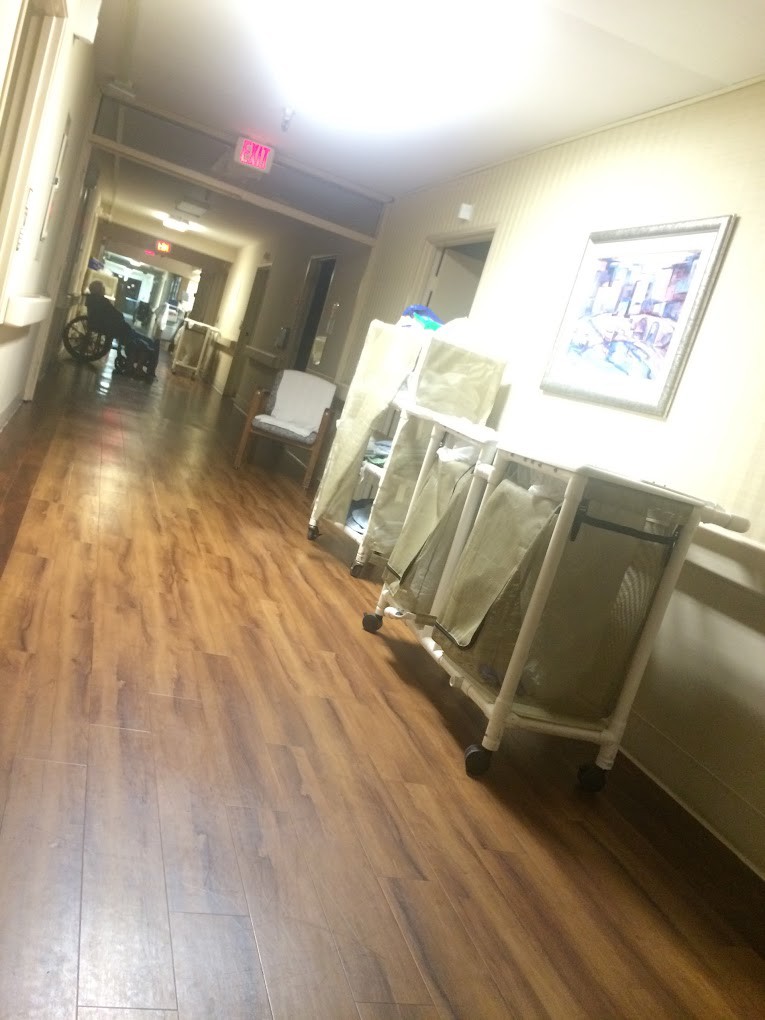
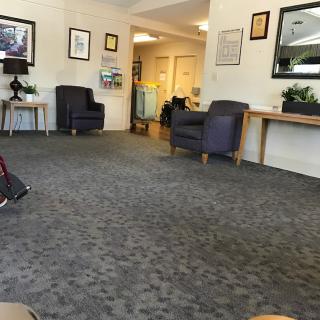
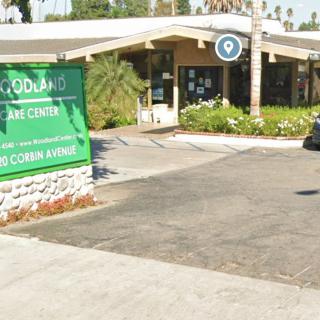
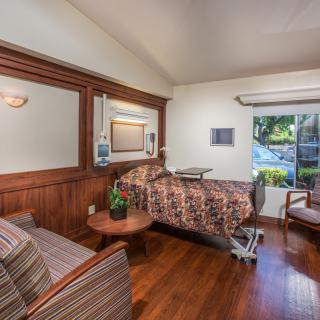
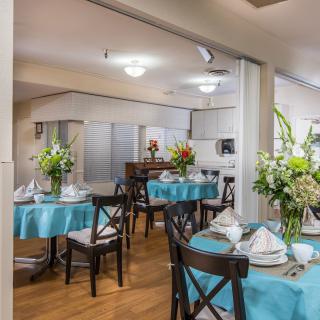
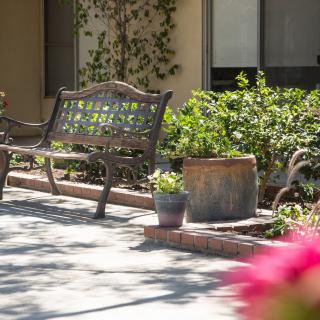
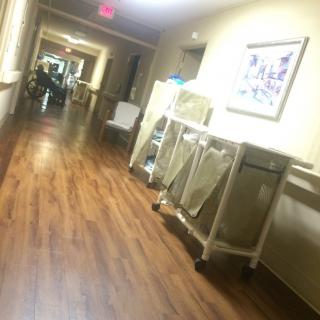
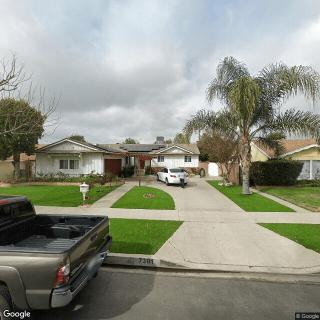
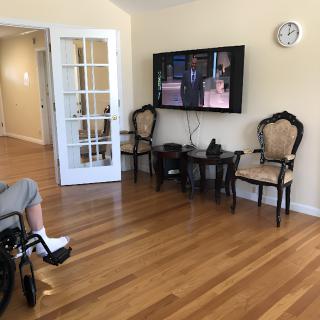
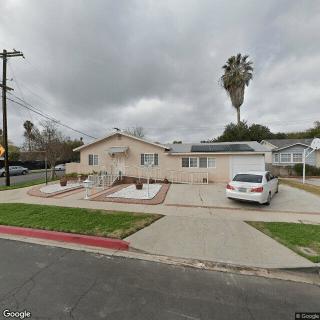
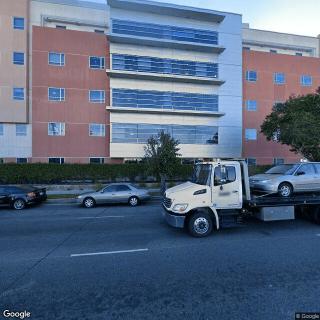
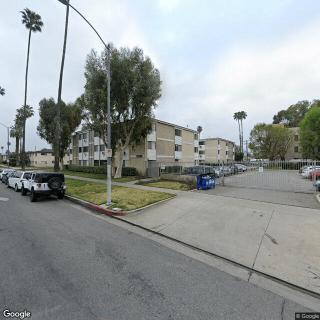
Woodland Care Center on seniors.fyi includes 7 photos including images showing interior, dining, landscaping, exercise equipment, gym, hallway, garden, healthcare, and more.
Nearby Communities
Home Instead - Encino, CA
Winnetka, CA
4.6 from 18 reviews
Excellent access to nearby amenities and healthcare.
Quartz Garden
Winnetka, CA
5 from 2 reviews
$2,700 to $4,000 / month
Compassionate staff, exceptional cleanliness, and quality meals.
Sunshine's Place
Winnetka, CA
2.5 from 2 reviews
$2,000 to $2,500 / month
Affordable, personalized care in a small, home-like board-and-care setting.
Better Days Assisted Living
Reseda, CA
4.5 from 4 reviews
Small, fully furnished facility with meals, 24/7 supervision, care coordination, and activities.
Sunshine's Place II
Winnetka, CA
2.5 from 2 reviews
Intimate, small-group setting with comprehensive care and active daily programs.
Precious Moments Retirement Home
Winnetka, CA
4.6 from 10 reviews
$2,000 to $2,500 / month
Competitive pricing below LA County and California averages for both semi-private ($2,000) and private ($2,500) rooms.
Los Angeles Jewish Home
Reseda, CA
4.5 from 72 reviews
Caring staff and a strong sense of community.
Menorah House
Reseda, CA
5 from 1 review
Holistic care with diabetic support, on-site activities, and easy access to nearby healthcare and amenities.
Fountainview At Eisenberg Village
Reseda, CA
4.5 from 51 reviews
$3,900 to $5,000 / month
Gorgeous, brand-new facility with upscale amenities and on-site services (e.g., underground parking with valet, beauty shop).
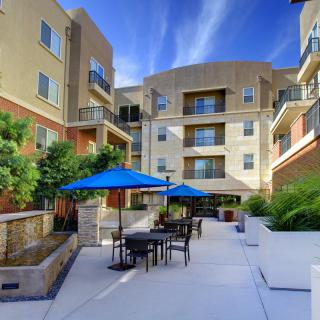
Medicaid coverage for assisted living varies by state and is primarily available to low-income individuals, with eligibility dependent on strict income and asset limits. Some states offer HCBS waivers for specific services in assisted living, but families must generally cover room and board costs, and should verify facility acceptance of Medicaid while considering potential waiting lists.
Medicaid waivers for assisted living services provide vital support for seniors and individuals with disabilities in need of long-term care, with varying state-specific eligibility criteria and benefits. These waivers cover personal care and case management but often do not fully cover room and board, leading to waiting lists for many applicants.
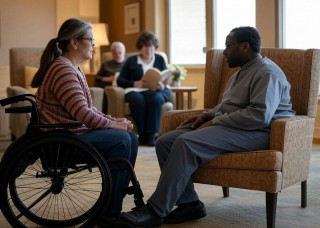
The article examines the complexities of assisted living for individuals with disabilities, emphasizing the need for tailored care solutions that enhance quality of life and social inclusion, while addressing financial challenges and advocating for community integration. It discusses various housing options, the importance of financial assistance through public benefits, and highlights trends towards integrated and technology-driven solutions in disability-focused housing.
Exercise Equipment, Gym, Rehabilitation, and Physical Therapy
Healthcare and Hallway
Get PricingAsk A QuestionSchedule A TourContact Senior Advisor
By clicking submit, you agree to our Partner's Terms of Use. You
also consent to receive calls and texts, which may be autodialed, from our Partner. Your consent is not a condition to
using our Partner's service. Please visit our Partner's Privacy Policy for information about their privacy practices.

 21 resident community capacity
 Assisted Living
 Skilled Nursing Facility
 Beauty salon
 Cable or satellite TV
 Dining room
 Fully furnished
 Garden
 Housekeeping services
 Kitchenette
 Move-in coordination
 Outdoor space
 Resident parking
 Security gate
 Telephone
 Wi-Fi/high-speed internet available
 Burbank-Glendale-Pasadena (12 miles away)
 24-hour call system
 Activities of daily living assistance
 Assistance with bathing
 Assistance with dressing
 Assistance with transfers
 Diabetes diet
 Meal preparation and service
 Medication management
 Mental wellness program
 Special dietary restrictions
 Transportation arrangement (medical)
 Transportation to doctors appointments
 English
 Excellent access to nearby amenities and healthcare.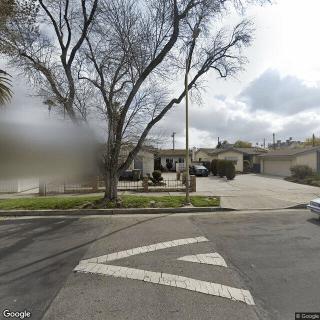

 How and When Medicaid May Cover Assisted Living Costs
 A Detailed Exploration of Assisted Living Medicaid Waivers Across the United States
 Comprehensive Residential Support and Assisted Living Solutions for Individuals with Disabilities