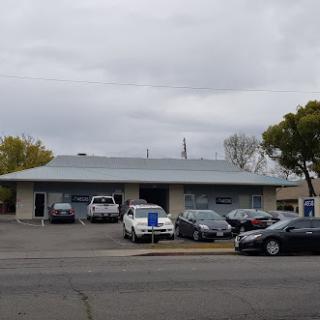
Willows Center II

320 North Crawford Avenue, Willows, CA 95988

For more information about senior living options: (844) 490-3973

4.1 from 23 reviews
5 stars
14
4 stars
3
3 stars
3
2 stars
0
1 stars
3

Assisted Living

What level of care are you interested in?

Assisted Living

Memory Care

Independent Living

Skilled Nursing Facility

Continuing Care Retirement Community (CCRC)CCRC

Other


Request a tour at Willows Center II

    Overall Review of Willows Center II

    Pros

    • pro The staff are caring and compassionate, making residents feel valued.
    • pro The therapy program is effective and helps patients recover well.
    • pro The facility is clean, neat, and professionally run.
    • pro Discharge planners coordinate smoothly and keep families informed.
    • pro Residents receive personalized care and are treated with dignity and respect.
    • pro The team communicates well across departments to support cohesive care.
    • pro Families express gratitude for the care and would highly recommend Willows Post Acute.
    • pro The overall experience is described as pleasant and supportive.

    Cons

    • pro The staff reportedly do not respond promptly, leaving residents waiting for hours for help and sometimes needing to use a bedpan before getting assistance.
    • pro A reviewer claimed the facility is taking money from residents' pockets for supplies already funded by insurance.
    • pro One reviewer would not trust Willows Post Acute with anyone's family members.
    • pro The visits scheduler was described as bossy and rude, and communication with patients was said to be lacking.
    • pro The nursing staff were said to communicate more with family than with patients, indicating poor patient communication.
    • pro One reviewer stated they would give no stars if possible.

    Review

    Willows Center II is best suited for seniors and post-acute patients who need skilled nursing and rehabilitation with a strong emphasis on getting people back home quickly. It is especially well-suited for families seeking a transition-focused setting in a rural county where therapists are highly visible, and where discharge planning plays a central role in the care plan. Those who prioritize individualized attention, reliable therapy, and a cohesive care team will likely find this community reassuring. However, if the priority is flawless 24/7 responsiveness to every call light, or if concerns about how financial matters are handled weigh heavily, alternatives should be considered.

    On the positive side, the core strength here is the caliber of therapy and the genuine care shown by the nursing and therapy staff. Reviewers consistently praise the therapists who drive recovery - and the personal attention they bring to each patient's goals. Families note that therapists such as Geri, Sharon, Jake, and Kat, along with front-desk and nursing teams, contribute to a recovery trajectory that often feels targeted and purposeful. The social services and discharge planning teams, especially Courtney, are repeatedly cited for keeping families informed and involved, coordinating transitions with a clear, patient-centered discharge objective.

    The care teams are described as knowledgeable and coordinated, with a strong emphasis on treating residents as individuals. Several accounts highlight successful moves from acute care to post-acute rehab and then home, with family members expressing gratitude for the way care teams communicate across departments to align on a common goal. The presence of a dedicated discharge planner who can organize moves to facilities closer to home is repeatedly called out as a major asset. For families navigating complex medical journeys, this level of continuity and goal-oriented planning can significantly shorten time to discharge and restore independence.

    Yet, a subset of reviews flags operational friction that should weigh into a decision. Some residents or families report delays in response to call lights, particularly during nighttime hours, which can feel isolating in moments of need. A reviewer described a staff interaction that felt dismissive rather than supportive, emphasizing the importance of consistent, patient-facing communication rather than only communicating with families. A different note points to a scheduling/front-desk dynamic described as brusque by some, underscoring that one-on-one patient attention may not always meet every expectation. There are also concerns raised about financials and billing practices by at least one reviewer, suggesting the need for careful scrutiny of any costs and insurance-related questions before admission.

    Overall, the strongest offset to these concerns lies in the quality and consistency of therapy, coupled with robust discharge coordination. When therapy staff set clear goals and the discharge team remains accessible and communicative, families feel a strong sense of trust and forward momentum. The ability to deliver home-ready status for patients - sometimes after serious events or surgeries - cannot be overlooked, and several families explicitly credit Willows Center II with turning difficult medical journeys into manageable, recoverable outcomes. In short, Willows Center II is a compelling choice for those who value expert rehab, compassionate bedside care, and a trusted discharge pathway, provided expectations about responsiveness and daily patient communication are clearly aligned with the facility's operational realities.

    For families weighing options, the recommended approach is twofold. First, visit the campus to observe the cadence of care, the tone of interactions, and the responsiveness of staff to both patients and families. Second, have explicit conversations about call-light response times, night staffing, and the billing process - asking for a written, itemized roadmap of anticipated services and costs. Willows Center II is a strong fit for those prioritizing rehabilitation excellence and thoughtful discharge planning, especially when a rural setting and a robust therapy team align with the care goals. Alternatives are worth considering for those who require near-immediate patient-facing responsiveness or who want more stringent assurances around financial transparency; in such cases, exploring other skilled nursing or post-acute options in the region will help families make an decision that matches their specific needs and priorities.

    Features

    Housing

    • 21 resident community capacity 21 resident community capacity

    Types of Care

    • Assisted Living Assisted LivingAssisted living facilities provide crucial support and care for seniors who may need help with daily tasks such as medication management, bathing, and meal preparation. These communities offer a safe and comfortable environment where seniors can maintain their independence while receiving the assistance they need to thrive in their golden years.

    Amenities

    • Beauty salon Beauty salonBeauty salons are important for seniors because they provide a space for them to feel pampered, socialize, and maintain their personal grooming and hygiene. Regular visits to a beauty salon can help boost seniors' self-esteem and overall well-being.
    • Cable or satellite TV Cable or satellite TVCable or satellite TV is important for seniors because it provides entertainment, news, and companionship, helping to combat loneliness and boredom. It also offers a wide range of programming options tailored to different interests and preferences.
    • Dining room Dining roomDining rooms are important for seniors as they provide a space for socialization, connection, and nutritious meals. They offer opportunities for residents to bond over shared meals, foster a sense of community, and promote healthy eating habits. Dining rooms also ensure that seniors have access to well-balanced meals tailored to their dietary needs and preferences.
    • Fully furnished Fully furnishedFully furnished senior living communities are important for seniors because they provide convenience, comfort, and a hassle-free moving experience. Seniors can easily settle into their new living space without the stress of having to buy and move furniture. This allows them to focus on enjoying their new home and community.
    • Garden GardenGardens are important for seniors as they provide a peaceful and therapeutic environment for relaxation, physical activity, and socialization. Being in nature has been shown to reduce stress, improve mood, and promote overall well-being. Gardens also offer opportunities for seniors to engage in gardening activities, which can improve mobility, flexibility, and cognitive function. Additionally, gardens create a sense of community and connection with others who share a passion for plants and outdoor spaces.
    • Housekeeping services Housekeeping servicesHousekeeping services are important for seniors because they help maintain a clean and safe living environment, promote independence, and reduce the risk of accidents or illnesses. Additionally, having assistance with household chores can alleviate physical strain and allow seniors to focus on other aspects of their well-being.
    • Kitchenette KitchenetteKitchenettes are important for seniors living in senior living communities because they provide the convenience and independence of being able to prepare simple meals and snacks in the comfort of their own living space. This can help promote a sense of autonomy and well-being for seniors, allowing them to maintain some level of control over their dietary choices and daily routines.
    • Move-in coordination Move-in coordinationMove-in coordination is important for seniors because it helps ease the transition into their new living environment. It ensures that all logistics, such as packing, organizing movers, and setting up utilities are taken care of, allowing seniors to focus on settling in and adjusting to their new home. Having a smooth move-in process can alleviate stress and anxiety, making the transition smoother and more enjoyable for seniors.
    • Outdoor space Outdoor spaceOutdoor spaces are important for seniors as they provide opportunities for physical activity, social interaction, exposure to natural light and fresh air, and a sense of connection to nature. Having access to outdoor spaces can improve overall well-being and quality of life for older adults living in senior communities.
    • Telephone TelephoneTelephones are important for seniors as they provide a lifeline for communication with loved ones, emergency services, and healthcare providers. They offer a sense of security and independence, enabling seniors to stay connected and access assistance when needed.
    • Wi-Fi/high-speed internet available Wi-Fi/high-speed internet availableWi-Fi/high-speed internet is important for seniors to stay connected with loved ones, access online resources, and participate in virtual activities to combat feelings of loneliness and isolation. It also allows them to easily manage healthcare needs, access entertainment, and engage in lifelong learning opportunities.

    Care Services

    • 24-hour call system 24-hour call system24-hour call systems are important for seniors because they provide peace of mind and immediate assistance in case of emergencies. This technology ensures that help is always available, promoting safety and security for elderly individuals living alone or in assisted living facilities.
    • 24-hour supervision 24-hour supervision24-hour supervision is important for seniors to ensure their safety, well-being, and access to immediate assistance in case of emergencies or health issues. This constant support provides peace of mind for both seniors and their loved ones, allowing them to age in place with dignity and security.
    • Activities of daily living assistance Activities of daily living assistanceActivities of daily living assistance are important for seniors because they provide essential support with tasks such as eating, bathing, dressing, and mobility. This assistance helps seniors maintain their independence, dignity, and overall quality of life as they age.
    • Assistance with bathing Assistance with bathingAssistance with bathing is crucial for seniors as it helps maintain personal hygiene, prevents infections, and ensures their overall well-being and comfort. It also provides a sense of dignity and independence for seniors who may struggle with this task on their own.
    • Assistance with dressing Assistance with dressingAssistance with dressing is important for seniors because it helps maintain their independence, promotes personal hygiene, prevents accidents and injuries, and improves overall quality of life. This service ensures that seniors can continue to dress comfortably and confidently, despite any physical limitations they may have.
    • Assistance with transfers Assistance with transfersAssistance with transfers is crucial for seniors as it helps prevent falls and injuries, maintains their independence, and ensures they can safely navigate their living environment. It also provides peace of mind for both seniors and their loved ones.
    • Coordination with health care providers Coordination with health care providersCoordination with health care providers is crucial for seniors to ensure proper medical care, medication management, and overall well-being. This collaboration helps prevent overlapping treatments, track progress more effectively, and provide comprehensive support tailored to individual needs.
    • Diabetes diet Diabetes dietA diabetes diet is crucial for seniors as it helps manage blood sugar levels, reduce risks of complications, and improve overall health and well-being. By following a balanced and nutritious diet tailored to their specific needs, seniors can better control their diabetes and enhance their quality of life.
    • Meal preparation and service Meal preparation and serviceMeal preparation and service are crucial for seniors as they may have limited mobility or energy to cook nutritious meals. Having access to healthy and convenient food options can ensure they are getting the proper nutrition needed to maintain their overall health and well-being.
    • Medication management Medication managementMedication management is crucial for seniors to ensure they are taking the right medications at the correct dosages and times. This helps prevent adverse drug interactions, reduces the risk of medication errors, and promotes overall health and well-being. Proactive management also allows for adjustments as needed based on changing health conditions or new prescriptions.
    • Mental wellness program Mental wellness programMental wellness programs are essential for seniors as they promote cognitive stimulation, emotional support, and social engagement. These programs help prevent isolation, depression, and cognitive decline, ultimately enhancing the overall quality of life for older adults.
    • Special dietary restrictions Special dietary restrictionsSpecial dietary restrictions are important for seniors because age-related changes in metabolism and health conditions can make it difficult for their bodies to process certain foods. By following a diet tailored to their specific needs, seniors can maintain their overall health and well-being, manage chronic conditions, and reduce the risk of complications such as malnutrition or food interactions with medications.
    • Transportation arrangement (medical) Transportation arrangement (medical)Transportation arrangements for medical purposes are essential for seniors as they may have difficulty driving themselves to appointments or accessing public transportation. Having reliable and safe transportation options ensures that seniors can receive timely medical care and maintain their health and well-being.
    • Transportation to doctors appointments Transportation to doctors appointmentsTransportation to doctors' appointments is crucial for seniors as it ensures they have access to necessary medical care and support for their health needs. Without reliable transportation, seniors may struggle to attend important appointments, leading to potential delays in treatment and health complications. Providing transportation services helps seniors maintain their overall well-being and quality of life.
    Dining

    • Diabetes diet Diabetes dietA diabetes diet is crucial for seniors as it helps manage blood sugar levels, reduce risks of complications, and improve overall health and well-being. By following a balanced and nutritious diet tailored to their specific needs, seniors can better control their diabetes and enhance their quality of life.
    • Special dietary restrictions Special dietary restrictionsSpecial dietary restrictions are important for seniors because age-related changes in metabolism and health conditions can make it difficult for their bodies to process certain foods. By following a diet tailored to their specific needs, seniors can maintain their overall health and well-being, manage chronic conditions, and reduce the risk of complications such as malnutrition or food interactions with medications.

    Activities

    • Community-sponsored activities Community-sponsored activitiesCommunity-sponsored activities are important for seniors as they provide opportunities for social interaction, mental stimulation, and physical activity. These activities can help improve overall well-being, combat loneliness and isolation, and promote a sense of belonging and purpose among older adults.
    • Scheduled daily activities Scheduled daily activitiesScheduled daily activities are important for seniors because they provide structure, socialization, mental stimulation, and physical activity. Engaging in regular activities can improve overall well-being and quality of life for seniors living in a community setting.

    Description

    Willows Center II in Willows, CA is an exceptional assisted living community that offers a wide range of amenities and care services to ensure the comfort and well-being of its residents.

    The community provides fully furnished apartments with all the necessary amenities for a comfortable lifestyle. Each apartment is equipped with cable or satellite TV, Wi-Fi/high-speed internet, a kitchenette for light cooking, and a telephone for easy communication. Residents can also enjoy the serene outdoor space and garden areas.

    Care at Willows Center II is provided 24/7 by professional staff who are trained to assist with the activities of daily living, such as bathing, dressing, and transfers. The community also offers assistance with medication management and coordination with healthcare providers to ensure that residents receive the necessary medical attention.

    At Willows Center II, residents have access to move-in coordination services to make their transition as smooth as possible. Housekeeping services are provided regularly to maintain cleanliness and tidiness in the apartments.

    Dining at this assisted living community follows special dietary restrictions, ensuring that residents' nutritional needs are met. Meal preparation and service are offered, relieving residents from the burden of cooking.

    Residents can take part in scheduled daily activities to engage in socialization and pursue their interests. A mental wellness program is available to support residents' emotional well-being.

    For transportation needs, Willows Center II arranges transportation for medical appointments and provides access to nearby cafes, parks, restaurants, places of worship, physicians' offices, and hospitals. This ensures that residents can easily access essential services within their local community.

    Overall, Willows Center II provides a supportive environment where seniors can enjoy independence while receiving personalized care and assistance tailored to their individual needs.

    Nearby Places of Interest

    Places of Worship

    • St Monica's Catholic Church (0.1 miles)
    • First Baptist Church of Willows (0.4 miles)
    • Mennonite Church of God In Christ (0.5 miles)
    • St Monicas Catholic Church (0.5 miles)
    • Ark Christian Center (0.6 miles)
    • Seventh-Day Adventist Church (0.8 miles)
    • Calvary Temple Pentecostal Church of God (0.8 miles)

    Physicians

    • Ackerman Barbara L MD Barbara Ackerman, MD (0.2 miles)
    • Dr Reid's Office (0.3 miles)
    • Orland Children's Center (15.5 miles)
    • First Care Medical Group (15.6 miles)
    • Wayne J.W. Syn DDS - Comprehensive, Laser and Esthetic Dentistry (15.6 miles)
    • Colusa Indian Health Clinic (21 miles)
    • Chico Eye Center (23.7 miles)

    Hospitals

    • Glenn Medical Center (0.2 miles)
    • Enloe Medical Center (24.1 miles)
    • Enloe Radiology Department (24.2 miles)

    Parks

    • Willows City Recreation Department (0.3 miles)
    • Library Park (15.3 miles)
    • City Of Orland-Recreation (15.4 miles)
    • Lely Aquatic Park (15.4 miles)
    • Eaton Village Dog Park (24 miles)

    Restaurants

    • Willows Black Bear Diner (0.3 miles)
    • La Cascada Restaurant (0.3 miles)
    • Taco Bell (0.4 miles)
    • Burger King (0.4 miles)
    • Casa Ramos Mexican Restaurant (0.4 miles)
    • The Last Stand Bar & G (0.6 miles)
    • McDonald's (0.6 miles)

    Cafes

    • Starbucks (0.4 miles)
    • Carte Blanche (0.6 miles)
    • Nancy's Airport Cafe (0.7 miles)
    • 4th St Cafe & Bakery (15.3 miles)
    • Starbucks (15.5 miles)
    • I 5 Cafe and Creamery (15.8 miles)
    • Chatterbox Cafe (22.8 miles)

    Transportation

    • Willows-Glenn County Airport (WLW) (0.6 miles)
    • United Airlines (0.6 miles)
    • U-Haul Neighborhood Dealer (1 miles)
    • Whifflemaster Guide Service (12.3 miles)
    • U-Haul Moving & Storage (13.5 miles)
    • Chico Amtrak (CIC) (23.6 miles)
    • U-Haul Moving & Storage (24 miles)

    Pharmacies

    • Owens Healthcare (15.5 miles)
    • Orland Care Pharmacy (15.5 miles)
    • Orland Pharmacy (15.5 miles)
    • CVS Pharmacy (15.5 miles)
    • Walgreens (15.6 miles)
    • Walgreens (23.3 miles)
    • Kindcare Pharmacy and Medical Supply (23.5 miles)

    Frequently Asked Questions

    Where is Willows Center II?

    Nearby Communities

    • Willows Center Sub-Acute

      Willows Center Sub-Acute

      Willows, CA

      4.1 from 23 reviews
       

      pro Nearby amenities and healthcare access

    • Brennan Place Care Home

      Brennan Place Care Home

      Willows, CA


      pro Peaceful Willows location with broad nearby amenities (dining, parks, medical services, transportation, places of worship, and hospital) for convenient senior living.

    • Riverside Country Home

      Riverside Country Home

      Glenn, CA


      pro Intimate 6-bed setting with personalized care and comprehensive services

    • Neighborhoods At Westhaven

      Neighborhoods At Westhaven

      Orland, CA


      pro Affordable pricing with diabetes-focused care (24/7 supervision and diabetes diet) and nearby services.

    • Westhaven Assisted Living

      Westhaven Assisted Living

      Orland, CA

      4.1 from 11 reviews
      $2,295 to $2,495 / month

      pro Strong memory-care focus with engaging activities and a clean, spacious environment.

    • Schmidt Care Community At Westhaven

      Schmidt Care Community At Westhaven

      Orland, CA


      pro Small, intimate assisted living with daily activities, 24-hour supervision, meals, housekeeping and move-in coordination.

    • Almond Blossom Senior Care

      Almond Blossom Senior Care

      Chico, CA

      3.3 from 6 reviews
      $3,500 to $3,700 / month

      pro Friendly staff, a proactive owner, and a welcoming, safety-focused environment.

    • Amber Grove Place

      Amber Grove Place

      Chico, CA

      4.5 from 43 reviews
      $4,850 to $7,350 / month

      pro Compassionate staff, engaging activities, and a consistently clean memory-care environment.

    • Windsor Chico Creek Care And Rehab Center

      Windsor Chico Creek Care And Rehab Center

      Chico, CA

      2.2 from 50 reviews
       

      pro Friendly staff and a clean, well-maintained facility with engaging activities and care services.

    Assisted Living in Nearby Cities

    Related Resources

    • how to pay for assisted livingFunding and Affording Assisted Living: A Thorough Overview

      Assisted living facilities provide support for older adults needing help with daily activities without extensive medical care, but their costs can be high and vary by location and services offered. Families often seek various funding options and financial strategies to manage these expenses effectively while considering future needs and potential price increases.

    • assisted living insuranceAssisted Living Expenses and Long-Term Care Insurance: A Comprehensive Exploration

      The article discusses assisted living expenses, the importance of long-term care insurance in covering these costs, and various financing options, highlighting the need for careful policy review and early planning to address potential needs. It also clarifies common misconceptions about Medicare and private health insurance limitations regarding long-term care coverage.

    • how to pay for assisted livingSecuring Financial Support for Assisted Living: A Comprehensive Overview

      Assisted living facilities offer crucial support for older adults needing help with daily activities but come with varying and significant costs, which can be financed through personal savings, government assistance programs, long-term care insurance, and home equity options. Professional guidance from experts can aid families in navigating these financial complexities to establish a sustainable budgeting approach for assisted living services.


    Get Pricing Ask A Question Schedule A Tour Contact Senior Advisor