
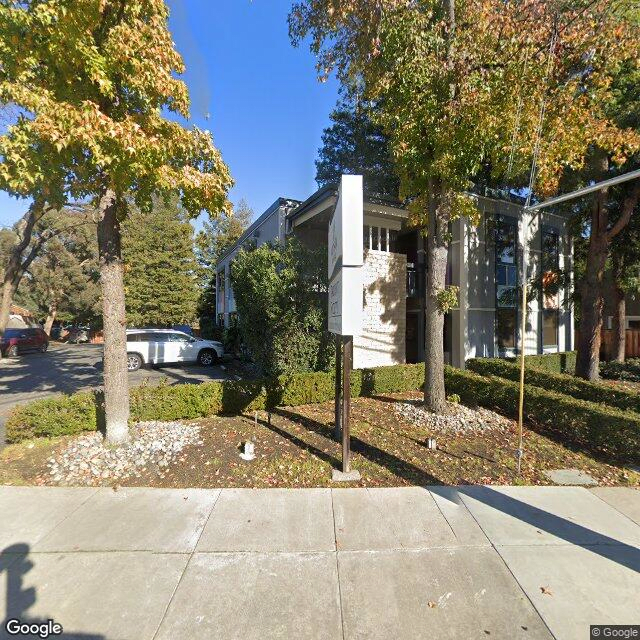
1620 Tice Valley Blvd Ste 250, Walnut Creek, CA 94595
To contact a resident: (925) 280-2800
For more information about senior living options: (866) 208-4318
Overall Review of WeCare Home Assistants
Pros
 They were very happy to have Eldercare help them when they needed to find care for their parents.
- Eldercare met with them to review options and found a great caregiver for their parents.
- The caregiver match Eldercare arranged for their parents is perfect, even though the parents aren’t the easiest to please.
- They hope to keep Silvia with their family for a long time, and Silvia doesn’t mind their two dogs and three cats.
- They couldn’t be happier to have found a company that genuinely wants to help aging loved ones, and they highly recommend Eldercare.
Review
WeCare Home Assistants in Walnut Creek is best suited for families that want in-home care anchored by a careful, person-centered caregiver matching process. This community excels when the priority is finding a caregiver who truly fits a household’s rhythms, personalities, and routines, especially in homes with pets or multiple caregiving needs. The strongest cases come from families who are ready to participate in a structured planning session, review options together, and commit to a long-term relationship with a single caregiver rather than a rotating slate. In short, this option shines for households seeking tailored, relationship-driven support rather than generic, one-size-fits-all care.
Those considering alternatives should be mindful of contexts where a brick-and-mortar, fully staffed campus would be a better fit. If the goal is a traditional assisted living or memory-care setting with built-in social programs, on-site dining, and 24/7 supervision in a shared facility, a residential community may be more appropriate. Families needing constant round-the-clock medical oversight or highly structured day programs for social engagement are also better served by facility-based options. For households prioritizing predictability of costs or a high level of on-site medical care, exploring other models may reduce planning complexity and align with expectations.
The most compelling pros center on the core capability: a rigorous matching process that yields a precise caregiver fit. Reviews emphasize the ability to sit down with the agency to review options and to secure a caregiver who aligns with the family’s expectations and daily realities. The anecdotes about caregivers who stay with families over time, notably one caregiver who is cherished and described as a perfect match, illustrate the depth of ongoing compatibility. The flexibility to accommodate pets, two dogs and three cats in one case, further stresses the practical upside: care that integrates rather than disrupts household life. Peace of mind emerges as a tangible product of this approach.
These strengths offset the potential downsides that typically accompany home-care models. The main trade-off in in-home care often involves caregiver turnover or variability in the match over time. Here, the emphasis on initial fit, ongoing oversight, and a proactive planning process helps mitigate that risk. When needs change or a caregiver’s situation shifts, the ability to reassess options and realign the care plan minimizes disruption. The positive experiences cited, caregivers who “don’t mind the pets,” a perfect match, and a company that genuinely wants to help, signal a capacity for durable, stable caregiver relationships that counterbalance the inherent variability of at-home arrangements.
From a practical standpoint, prospective families should weigh several considerations. Ask about the agency’s intake process, how caregiver assignments are managed over time, and what contingency coverage exists for back-up support. Confirm the extent of background checks, supervised visits, and how communication is maintained between families and caregivers. Since pets are clearly a factor in satisfaction, discuss pet accommodations up front and confirm any limits or preferences. Finally, secure clarity on pricing, billing cycles, and how changes in care needs affect the plan. A clear, documented care plan built around the family’s expectations is the best safeguard against drift.
In the end, this Walnut Creek option stands out for households seeking a highly personalized, caregiver-driven approach to in-home support that yields genuine peace of mind. It is not the choice for those chasing a campus lifestyle, multi-room social calendar, or intensive on-site medical services. For families willing to invest in a thoughtful intake, a compatible caregiver pairing, and ongoing adjustment as needs evolve, the payoff is a durable, trusting relationship that keeps loved ones at home where they thrive. The next steps are straightforward: initiate a planning session, request a caregiver meet-and-greet, and map out a care plan that foregrounds matching, pet considerations, and long-term continuity.
 Metropolitan Oakland International (14 miles away)






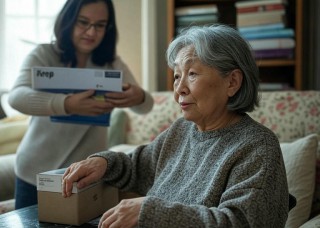 Exploring Nonmedical Home Care: Understanding Services, Costs, and Financial Approaches
 Engaging Brain Games and Innovative Apps to Keep Senior Minds Active
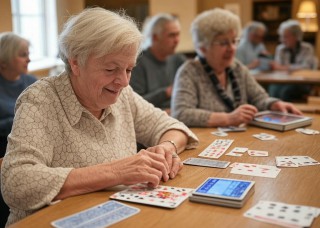 Effective Strategies for Keeping Seniors' Minds Active: A Deep Dive into Brain Games and Apps