
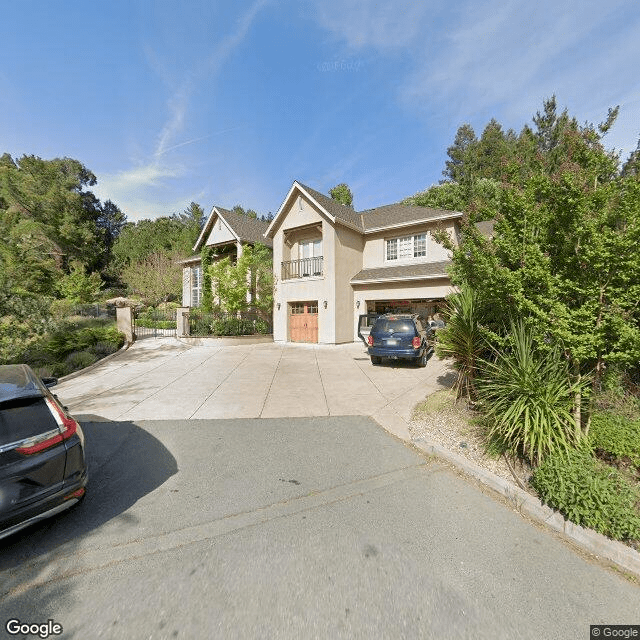
15 Glencreek Lane, Walnut Creek, CA 94595
For more information about senior living options: (866) 208-4318
Diablo Assisted Living II Costs & Pricing
Diablo Assisted Living II offers a private room at a monthly cost of $5,000, which is notably higher than the average rates in both Contra Costa County and the broader California state. In Contra Costa County, the average monthly cost for similar accommodations stands at approximately $4,088, while statewide figures reflect an even lower average of around $3,939. This pricing indicates that residents may be paying a premium to receive specialized services or amenities specific to Diablo Assisted Living II. It's essential for prospective residents and their families to weigh these costs against the quality of care and services provided when considering their options in assisted living facilities.
| Floor plans | Diablo Assisted Living II | Contra Costa County | California |
|---|---|---|---|
| Private | $5,000 | $4,088 | $3,939 |
Assisted Living communities with a similar price nearby
-
About the same
Blessing Home
$5,000 to $6,000 / month11.0 miles away -
from -$500 / mo
Pleasanton Senior Care Villa
$4,500 / month17.1 miles away -
from +$400 / mo
Bethel Care Home On Cottage
$5,400 / month1.0 miles away -
About the same
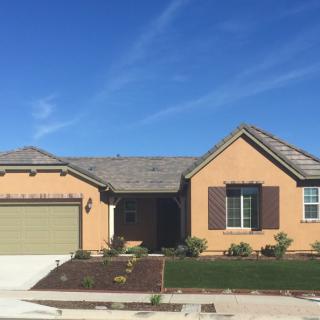
Harmony Care Home
$5,000 to $6,500 / month18.4 miles away -
from +$500 / mo
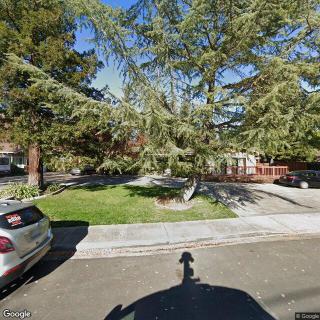
Carnelian III
$5,500 / month1.2 miles away
Overall Review of Diablo Assisted Living II
Pros
 The facility offers great activities.
- The food is awesome.
- The grounds and the home are beautiful.
- Mom feels like she is living in a gorgeous castle.
- The place is recommended for giving moms the very best.
- The administrator lives on site with over 13 years of Senior Center Director and Activities Director experience.
- It is regarded as the best in Walnut Creek.
- It has a year-round creek, deer, and a beautiful setting overlooking the California hills.
Review
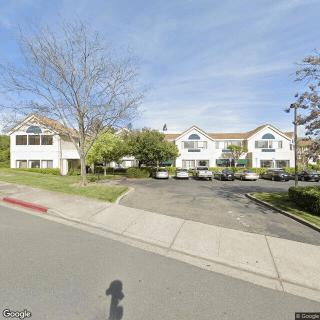
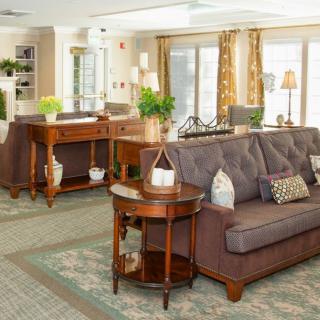
Diablo Assisted Living II in Walnut Creek is best suited for seniors who want a high-energy, socially rich assisted living experience delivered in a setting that feels almost resort-like. This community shines for residents who thrive on daily engagement, robust programming, and a dining experience that resembles a fine restaurant more than a typical care facility. The grounds reinforce that impression: a year-round creek, deer, and expansive California hillside views help create a mood of dignity and well-being. An on-site administrator with more than a decade of senior-center leadership signals dependable oversight and a hands-on approach to cultivating a vibrant, resident-centered culture.
Families weighing options should consider whether the resident’s needs extend beyond routine assisted living. If expectations include intensive medical management, dementia-specific care, or frequent access to skilled nursing, alternatives with stronger clinical programs or memory-care specialties may be more appropriate. Cost is another practical axis; the caliber of programming, atmosphere, and leadership will typically come with a higher price tag, so budgeting becomes a pivotal factor. For those who prefer a quieter pace or a more intimate, low-key community, the bustle that accompanies abundant activities could feel overwhelming rather than comforting.
The strongest advantages, rich daily activities, high-quality dining, and a setting that amplifies mood and pride, tend to offset typical concerns about social isolation or staff responsiveness. The wide array of events provides meaningful structure and purpose, reducing the risk of boredom or withdrawal. A chef-level dining experience matters not just for pleasure but for consistent nutrition and appetite support as aging bodies change. The grounds and views are not cosmetic; they contribute to daily mood and overall resilience. Crucially, the onsite administrator’s visible presence translates into quicker problem-solving, steadier operations, and a sense of security for families tracking day-to-day care.
Where caveats exist, they are implicit rather than spelled out in reviews, and require proactive verification. No explicit pricing information or exact staff-to-resident ratios are noted, and there is no detailed map of what clinical support is available after business hours. Prospective residents should investigate how medication assistance is delivered, how care plans are monitored and updated, and what level of clinical oversight is accessible during evenings and weekends. For households facing complex medical needs or memory impairment, confirm whether specialized resources are available on-site or if referrals to external providers are necessary.
The practical takeaway is clear: for families seeking an upbeat, person-centered environment with chef-quality meals, a strong sense of community, and leadership that lives on site, Diablo Assisted Living II offers a compelling fit. A discerning visit should center on the cadence and quality of activities, flexibility and timing of meals, and the administrator’s daily involvement in resident life. Seeing the setting firsthand, the creek, wildlife, and hillside scenery, will reveal whether the atmosphere supports the resident’s personality and routine. Talking with current residents and families about how concerns are addressed in real time will illuminate the lived experience beyond the polished impression.
In summary, Diablo Assisted Living II is a strong match for seniors who prize social vitality, exceptional dining, and a premium environment backed by visible leadership. It is less suitable for those whose priorities are heavy medical management, dementia-specific programming, or strict budget constraints that demand leaner operations. For Walnut Creek families seeking a high-caliber, engaging, and well-led community, this option deserves serious consideration, so long as care needs align with what the facility can sustain and the cost fits the family’s plan. A well-timed tour with targeted questions will distinguish a true fit from a pleasant but incomplete match.
 6 resident community capacity
 Assisted Living
 Board and Care Home
 Cable or satellite TV
 Dining room
 Fully furnished
 Garden
 Housekeeping services
 Move-in coordination
 Outdoor space
 Private
 Private bathrooms
 Telephone
 Wheelchair accessible showers
 Wi-Fi/high-speed internet available
 Metropolitan Oakland International (14 miles away)
 24-hour supervision
 Activities of daily living assistance
 Ambulatory care
 Assistance with bathing
 Assistance with dressing
 Assistance with transfers
 Diabetes diet
 High acuity care
 Incontinence care
 Meal preparation and service
 Medication management
 Special dietary restrictions
 Transportation arrangement (medical)
 Transportation to doctors appointments



 An Extensive Exploration of the VA Aid and Attendance Benefit
 Senior Transition Services: Understanding Their Role, Cost, and Importance
 Exploring the Path to Senior Living: A Comprehensive Look at Independent Living and Assisted Living