
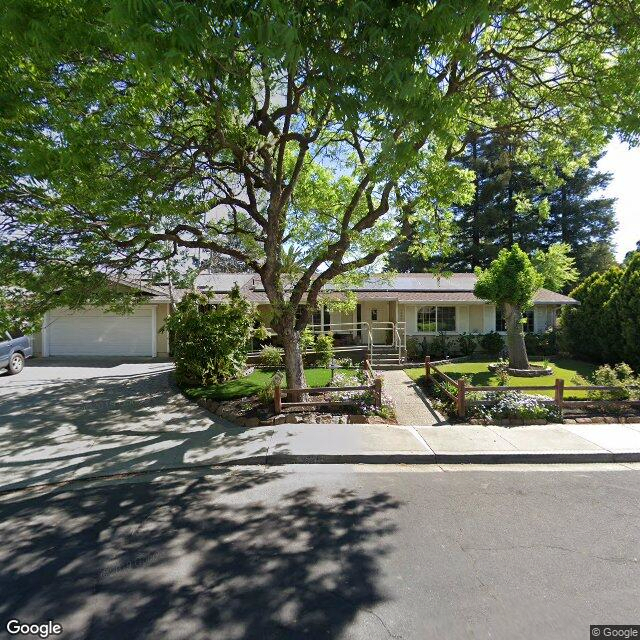
1868 Danielle Ct, Walnut Creek, CA 94598
To contact a resident: (925) 938-8820
For more information about senior living options: (866) 208-4318
Better Living Of Walnut Creek Costs & Pricing
Better Living of Walnut Creek offers a competitive pricing structure for its private room accommodations, with a monthly cost of $3,500. This rate not only positions the facility below the average costs in Contra Costa County, which stands at $4,088, but also provides significant savings compared to the statewide average of $3,939 in California. Such pricing reflects Better Living's commitment to providing quality care and comfortable living arrangements while ensuring that residents receive exceptional value within the local marketplace.
| Floor plans | Better Living Of Walnut Creek | Contra Costa County | California |
|---|---|---|---|
| Private | $3,500 | $4,088 | $3,939 |
Overall Review of Better Living Of Walnut Creek
Pros
 Better Living meets all expectations and is very good.
- The caregivers are kind and attentive to residents' needs.
- The owner is nice and visits to ensure the facility runs smoothly.
- The home is clean, well cared for, and the staff are friendly and helpful.
- They offer activities, including music and holiday events, that engage residents.
- The Better Living of Walnut Creek is a very nice, clean, and friendly place.
- Transitions for new residents are handled exceptionally well, with outstanding care.
- The staff demonstrate compassion, humor, and a positive attitude, and they do a great job.
- The location is convenient for families.
- Anabelle is wonderful and caring toward residents.
Cons
 They were not wild about the facility.
- The rest of the house felt a bit tired.
- They did not see any meals being prepared or eaten during their time there.
Review
Better Living of Walnut Creek is best suited for seniors who want a small, home-like setting where caregivers know residents well, care deeply about individual needs, and where hospice-friendly options are readily available. This community shines for families seeking hands-on oversight from an owner who checks in and for residents who respond well to a warm, intimate atmosphere rather than a bustling campus. The proximity to Walnut Creek conveniences and a calm, residential vibe make it a practical choice for those who value consistency, personal attention, and accessible, nonclinical care in a neighborhood setting.
Those who should consider alternatives include families chasing a larger campus with more extensive amenities, a broader formal activity schedule, or a more clinical, resort-like environment. If 24/7 on-site physician coverage, frequent on-site rehab services, or a highly programmed calendar with extensive excursions are non-negotiable, there are other communities that may meet those expectations more fully. While this home-like option delivers strong daily support, it does not aim to replicate a medical district hospital or a large-scale retirement complex.
The strongest pros here revolve around staff warmth, continuity, and practical care structure. Caregivers are consistently described as kind, attentive, and genuinely focused on resident needs, with staff willing to go the extra mile to meet individual routines and preferences. The owner’s visible involvement helps ensure smooth day-to-day operations and a sense that leadership is attentive and accountable. The environment remains clean, well-kept, and comfortable, with private rooms and accessible layouts, an important offset to the smaller scale. For families facing or planning around end-of-life care, the hospice-competent posture and the ability to tailor care in a familiar setting are meaningful advantages that often translate into calmer transitions.
On the activity and safety side, the home supports meaningful engagement without overwhelming residents. Music and other guest-led programming bring social touchpoints without creating a frantic pace, and there is evidence of a structured approach to activities through an on-site director. Safety features are apparent in the design: stepped-free access in some rooms, doors alarmed for security, a fenced yard, and living-in caregivers who can bridge daily routines with medical or personal-care needs. The facility’s private-room model further supports dignity and individualized planning, and the capacity to coordinate doctor visits or even haircuts through staff adds practical convenience for families juggling multiple providers.
A few caveats temper the otherwise strong portrait. Some reviewers noted the home has a calm, smaller footprint and that certain spaces feel a touch “tired” compared with more polished, larger facilities. For families prioritizing a bright, high-energy environment with a busy activity calendar, this could be a turnoff. Availability can also be tight, one tour described a scenario with no vacancies at the time, so timing matters. The tours offer a realistic sense that, while the care is strong, the facility is not equipped to be the sole solution for every care level or lifestyle preference, and it requires alignments with what residents actually want to do day-to-day.
In deciding, the core question is whether the resident’s temperament and care goals align with an intimate, caregiver-driven residence versus a larger, more programmatic setting. Better Living delivers dependable warmth, continuity, and hospice readiness in a home-like package that often reduces the stress of transition for families and residents alike. If that aligns, a visit to meet the care team, inspect private suites, and review the activity schedule will confirm how well the fit works in practice. If not, the search should tilt toward communities with more expansive programming, greater clinical presence, or a more expansive campus feel to satisfy those higher demands.
 6 resident community capacity
 Assisted Living
 Board and Care Home
 Memory Care
 Respite Care
 Cats allowed
 Dogs allowed
 Activities off-site
 Cable or satellite TV
 Devotional services on-site
 Dining room
 Fully furnished
 Garden
 Housekeeping services
 Indoor common areas
 Move-in coordination
 Outdoor common areas
 Private
 Private bathrooms
 Telephone
 Wheelchair accessible showers
 Wi-Fi/high-speed internet available
 Metropolitan Oakland International (18 miles away)
 24-hour supervision
 Assistance with bathing
 Assistance with dressing
 Assistance with transfers
 Diabetes diet
 Diabetic care
 High acuity care
 Incontinence care
 Meal preparation and service
 Medication management
 Special dietary restrictions
 Transportation arrangement (medical)
 Transportation to doctors appointments
 Adventist services
 Buddhist services


 An In-Depth Look at Reminiscence Therapy in Dementia Care
 Dementia-Related Hallucinations: Causes, Experiences, and Practical Approaches
 Illuminating Insights About Alzheimer's Disease: Ten Crucial Realities