
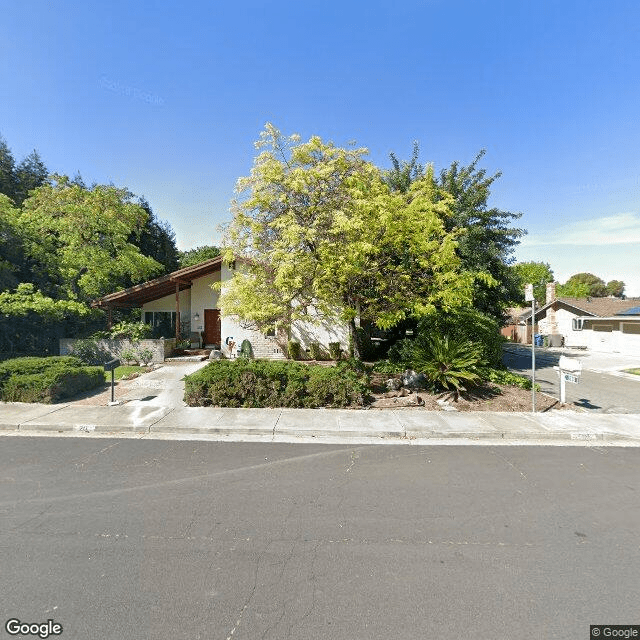
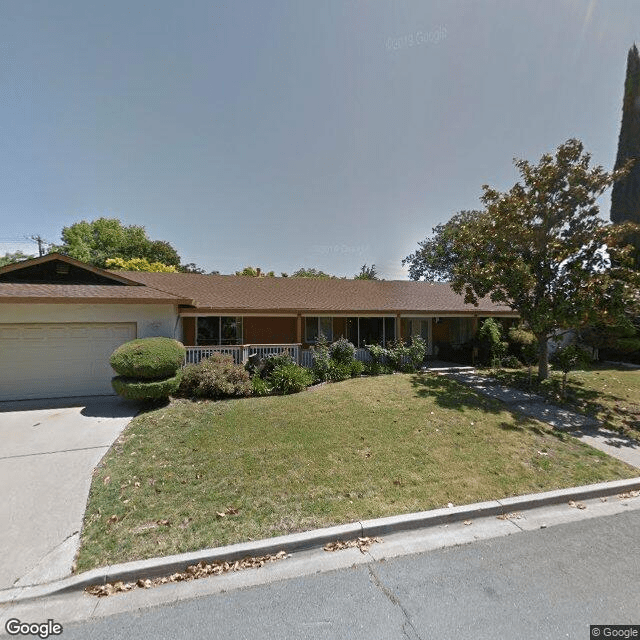
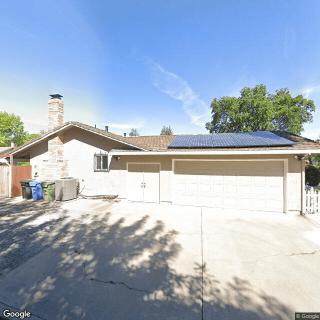
209 Normandy Lane, Walnut Creek, CA 94598
To contact a resident: (925) 932-8821
For more information about senior living options: (866) 208-4318
Belrose Care Home Costs & Pricing
Belrose Care Home offers a competitive monthly rate for its private rooms, priced at $3,000, which is significantly lower than the average rates in both Contra Costa County ($4,088) and across California ($3,939). This pricing not only highlights Belrose Care Home's commitment to providing affordable care but also positions it as an accessible option for families seeking quality support without the hefty costs associated with many other facilities in the region. By choosing Belrose Care Home, residents can benefit from a more economical solution while still receiving the comprehensive care they deserve.
| Floor plans | Belrose Care Home | Contra Costa County | California |
|---|---|---|---|
| Private | $3,000 | $4,088 | $3,939 |
Overall Review of Belrose Care Home
Pros
 Joy and the team have done a fantastic job of helping residents live their final stages with great care and dignity.
- Nucharee and her staff go to exceptional lengths to create a wonderful, nurturing family environment for residents.
- They develop customized care plans that keep residents engaged with activities and motivated to continue physical therapy.
- Nucharee’s facility offers a holistic approach to care, addressing both physical and mental well-being.
- Residents feel safe, loved, and well cared for, with improvements in emotional and physical well-being.
- Nucharee and staff treat residents like family and provide attentive, compassionate care.
- The care at Nucharee’s group homes is described as better than care at even the most expensive nursing facilities.
- The staff are dedicated and compassionate, providing wholesome homemade meals and personal care that enhances quality of life.
Cons
 The main living space is dark.
- The large religious figurine in the room is inappropriate.
Review
Belrose Care Home in Walnut Creek is best suited for families seeking a warm, home-like setting where caregiving is deeply personalized and anchored in dignity at the end of life as well as ongoing quality of life. The most compelling fit is for residents who respond well to intimate, family-style care, where staff strive to tailor daily routines to individual histories, preferences, and therapeutic goals. End-of-life support and palliative comfort are clearly a focus, with reviews highlighting care that preserves dignity in final stages and creates a sense of safety and belonging for both residents and their families.
A clear caveat is that Belrose may not be the first choice for families prioritizing a clinical, hospital-like atmosphere or robust, high-acuity medical programming. Alternatives worth considering include larger, more medically oriented facilities with 24/7 nursing oversight and dementia-specific memory care tracks, or settings with formalized, high-volume clinical services. For seniors with complex medical needs requiring frequent on-site medical management or 24/7 skilled nursing, Belrose’s home-style model may fall short of expectations. Those who prioritize a bright, glossy, institutional aesthetic may also find the ambiance at a smaller residence like Belrose less aligned with their preferences.
The strongest positives center on staff as the core strength: compassionate, detail-oriented caregiving; highly individualized care plans; and an emphasis on holistic well-being that blends physical therapy, social engagement, and emotional comfort. Several reviews describe a customized approach that keeps residents engaged with peers and programming, alongside homemade meals and a culture that feels more like a welcoming family than a facility. The social calendar, holiday celebrations, resident birthdays, and regular outdoor time in garden-like spaces, contributes to a high quality of life and meaningful daily purpose, which often offsets the limitations intrinsic to a smaller, residential setting.
However, potential cons do emerge when weighing the decision. At least one note points to a darker main living space and a large religious figurine that some may perceive as inappropriate for a shared environment. This kind of decor and ambiance detail can matter significantly to residents and families who value a modern, universally neutral aesthetic. While these observations do not negate the many strengths described, they underscore the importance of a personal tour to gauge comfort with atmosphere, lighting, decor, and the overall sense of warmth during daytime interactions with staff and residents.
Operational fit matters as much as warmth and philosophy. Prospective families should verify practical factors: staff-to-resident ratios across day and night, how care plans are developed and reviewed, and how medical needs are coordinated with outside providers or hospice services when appropriate. Inquiring about dietary customization, daily activity scheduling, and outdoor or garden-based therapy will help determine whether Belrose can sustain the level of engagement shown in the strongest testimonials. Families should also assess whether the facility’s philosophy aligns with their loved one’s cultural, religious, or personal preferences, given the sensitivity around communal spaces noted in a minority of reviews.
In the end, the decision hinges on whether a home-centered approach to daily life aligns with the resident’s needs and the family’s expectations. If prioritizing a nurturing, individualized, dignity-first environment with a strong emphasis on life quality and social connection, Belrose stands out as a compelling option worth a serious visit. If the priority is clinical acuity, hospital-like intensity, or a decor that feels consistently modern and neutrally styled, it makes sense to explore other Walnut Creek or Bay Area options and compare care plans, staffing, and environmental tone. A disciplined tour, candid conversations with staff, and a careful read of care plans will reveal whether Belrose can deliver the balance between warmth and clinical competence that best supports the family’s goals.
 6 resident community capacity
 Assisted Living
 Board and Care Home
 Dogs allowed
 Activities off-site
 Beautician on-site
 Cable or satellite TV
 Devotional services on-site
 Dining room
 Fully furnished
 Garden
 Housekeeping services
 Indoor common areas
 Move-in coordination
 Outdoor common areas
 Private
 Private bathrooms
 Respite or short term stays offered
 Telephone
 Wheelchair accessible showers
 Wi-Fi/high-speed internet available
 Metropolitan Oakland International (18 miles away)
 24-hour supervision
 Ambulatory care
 Assistance with bathing
 Assistance with dressing
 Assistance with transfers
 Diabetes diet
 Diabetic care
 High acuity care
 Incontinence care
 Meal preparation and service
 Medication management
 Special dietary restrictions
 Transportation arrangement (medical)
 Transportation to doctors appointments


 Securing Financial Support for Assisted Living: A Comprehensive Overview
 Social Security Benefits and Assisted Living: Navigating Options Across the U.S.
 An Extensive Exploration of the VA Aid and Attendance Benefit