

205 Normandy Lane, Walnut Creek, CA 94598
To contact a resident: (925) 349-6500
For more information about senior living options: (866) 208-4318
Athena Senior Living Costs & Pricing
Athena Senior Living presents a competitive pricing structure for its services when compared to the broader market in Contra Costa County and California. For semi-private accommodations, residents can expect to pay $4,000 per month, which is notably higher than the county's average of $3,471 but remains slightly above California's overall average of $3,333. In contrast, the private room option at Athena is priced at $4,500 - a figure that surpasses both the county's average of $4,088 and California's median of $3,939. These costs reflect not only the quality of care and amenities provided by Athena Senior Living but also underscore the premium associated with their personalized services in a highly sought-after location.
| Floor plans | Athena Senior Living | Contra Costa County | California |
|---|---|---|---|
| Semi-Private | $4,000 | $3,471 | $3,333 |
| Private | $4,500 | $4,088 | $3,939 |
Senior living communities with a similar price nearby
-
from -$500 / mo
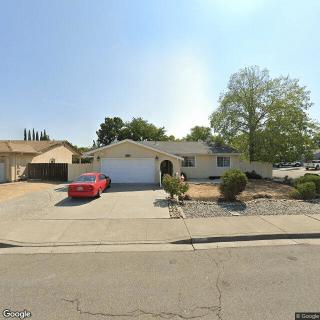
Gigi's Guest Home
$3,500 / month22.6 miles away -
About the same
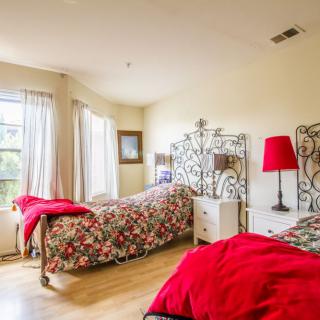
Golden Age Of Channing Way
$4,000 to $5,000 / month17.5 miles away -
from -$500 / mo
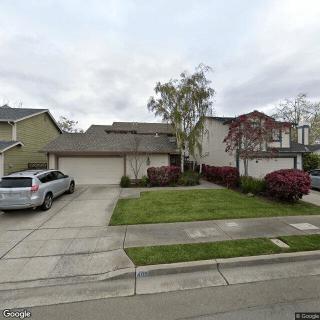
Angels Golden Care Assisted Living
$3,500 to $5,000 / month17.8 miles away -
from +$500 / mo
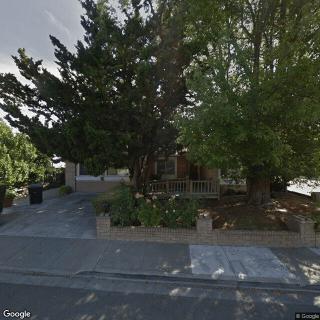
Pleasanton Senior Care Villa
$4,500 / month20.1 miles away -
from -$600 / mo

An Oak Grove Manor
$3,400 to $3,800 / month1.6 miles away
Overall Review of Athena Senior Living
Pros
 The staff were friendly.
- The place was clean.
- They initially liked the place.
- The owner is wonderful.
- The home is beautiful and very active.
- Christian takes the residents on fun outings.
- The deck and backyard are large.
- The director is lovely and speaks clear English.
Cons
 Their experience wasn't good there.
- The staff seemed friendly but inept.
- There weren't many people there, resulting in little social stimulation.
- Medication management was a big concern.
- They seemed to handle only patients who were docile and in a vegetative state.
- The bathroom was small and difficult to access with a walker.
- The place seemed too tame and too far out.
- They didn't like the feel of it.
- The monthly price of $5,000 was not explained.
- There was not enough stimulation.
- Getting in with a walker was difficult.
Review
Athena Senior Living in Walnut Creek is best suited for families seeking a small, home-like setting with a calm rhythm and a level of person-centered leadership that can tailor activities in a very hands-on way. It tends to appeal to seniors who don’t demand intense social programming and who may benefit from attentive, owner-driven oversight, often a dementia-focused or very low-activity resident who can thrive with predictable routines. For those who crave vibrant social calendars, frequent outings, and robust medication management as a standard, this community is unlikely to deliver.
Alternatives should be considered by families prioritizing stronger staffing coverage, clearer pricing, and more proactive engagement on activities and therapy. If the goal is a setting with more social stimulation, sharper medication oversight, transparent and itemized cost structures, or easier accessibility for walkers, other options will likely outperform Athena. Distance can also be a decisive factor; for families who want closer proximity to kin or caregivers, there are communities that combine similar homelike charm with higher operational horsepower.
On the upside, the environment has clean, homey qualities that many residents and families prize. Several reviews highlight a welcoming, private-room option with a bath and a genuinely comfortable, almost “mom-and-pop” feel. Directors and owners emerge as meaningful, approachable leaders, described as lovely, clear in communication, and capable of delivering a personal touch that can matter deeply for residents who respond well to consistent, familiar faces. When activities do occur, they are often described as purposeful and centered around individual residents rather than a broad, one-size-fits-all program.
The most disqualifying gaps lie in staffing and care logistics. Reviewers flag limited staffing levels, which translates into insufficient social stimulation and routine interactions that keep residents engaged throughout the day. Medication management is a recurring concern, with apprehensions about how well the team can monitor changes in condition or adjust regimens. Accessibility challenges also surface: small bathrooms and walker compatibility issues can impede independence and safety for residents who rely on assistive devices. Pricing enters as a murky spot, with monthly fees quoted around $4,500–$5,000 but little explanation of how those numbers are calculated or what exactly is included.
These strengths and weaknesses intersect in a clear way: the pros, home-like atmosphere, dedicated leadership, and targeted, intimate activity, can offset some concerns for residents who need gentle, consistent care and who don’t require intensive clinical management. But for families facing immediate needs around robust social engagement, reliable medication oversight, and transparent cost planning, the cons tend to overwhelm the positives. The result is a careful, case-by-case fit: Athena may work beautifully for dementia-focused or low-activity residents who value warmth and personalization, yet it will leave those seeking a livelier, more programmatic environment or clearer budgeting looking elsewhere.
For families moving forward, a disciplined decision plan is essential. Schedule a day-to-day observation to gauge staff responsiveness, ask for concrete metrics on staff-to-resident ratios, and request a comprehensive, line-item price breakdown with all services spelled out. Probe the medication-management workflow, who administers, how orders are reconciled, and how changes are communicated to families, and arrange to see a sample med pass. Verify accessibility details and bathroom configurations again with a real walker in use, and press for a detailed activity calendar to judge whether the level of engagement aligns with expectations. If distance or cost remains a determining factor, compare against closer or more transparent options that can deliver stronger daily structure without sacrificing the sense of home Athena provides.
 Board and Care Home
 Activities off-site
 Indoor common areas
 Outdoor common areas
 Private
 Private bathrooms
 Wheelchair accessible showers
 Metropolitan Oakland International (18 miles away)
 Ambulatory care
 Diabetic care
 High acuity care
 Incontinence care
 Medication management
 Meals provided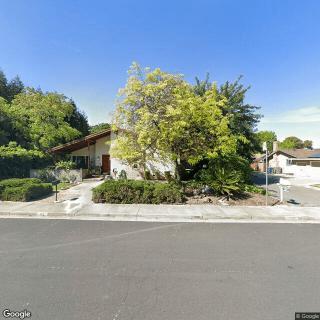



 Senior Move Management: Understanding the Role, Value, and Associated Costs
 Weight Training for Seniors: Building Strength and Vitality
 Understanding the Sandwich Generation: Stress and Responsibilities for Multigenerational Caregivers