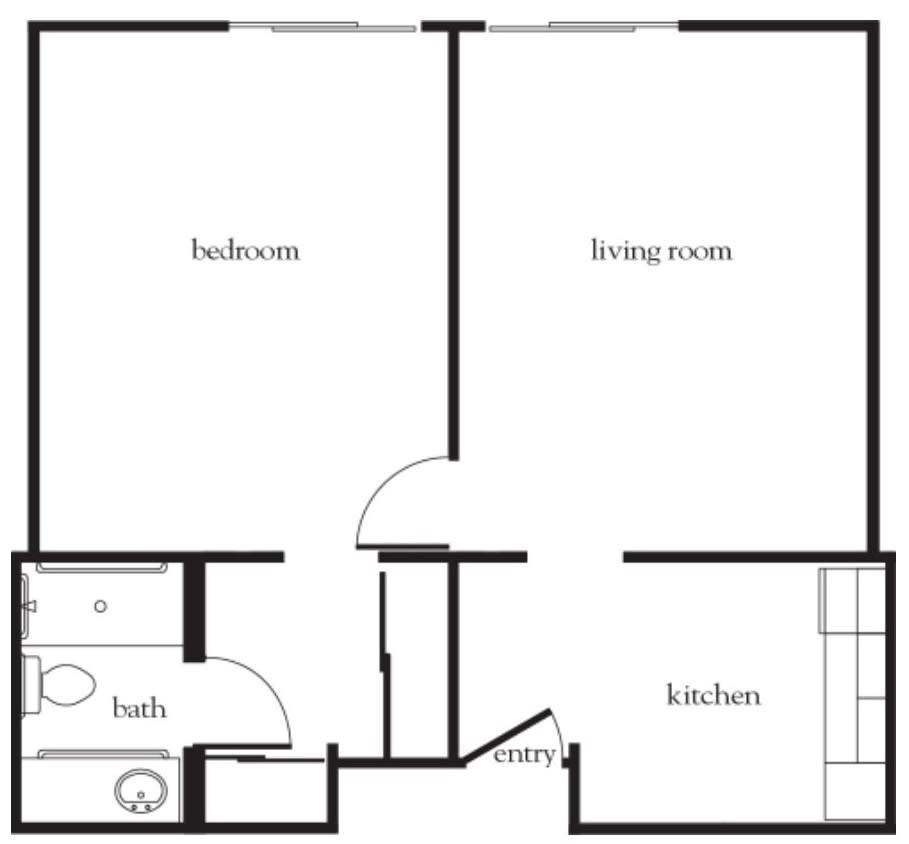
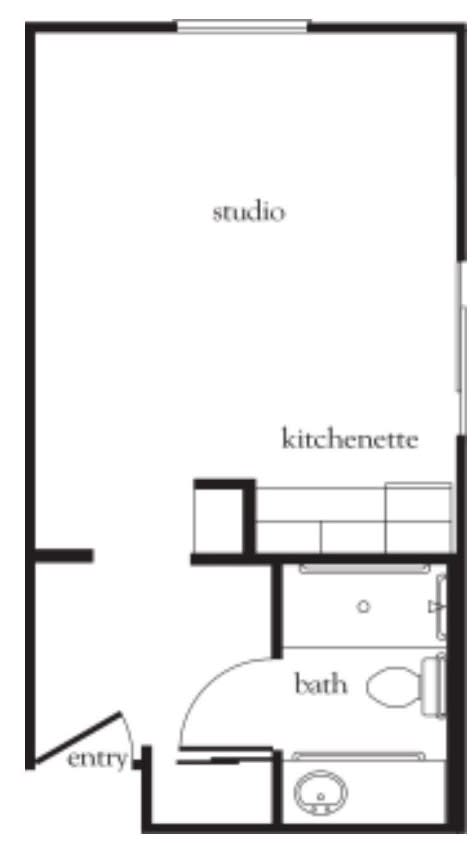
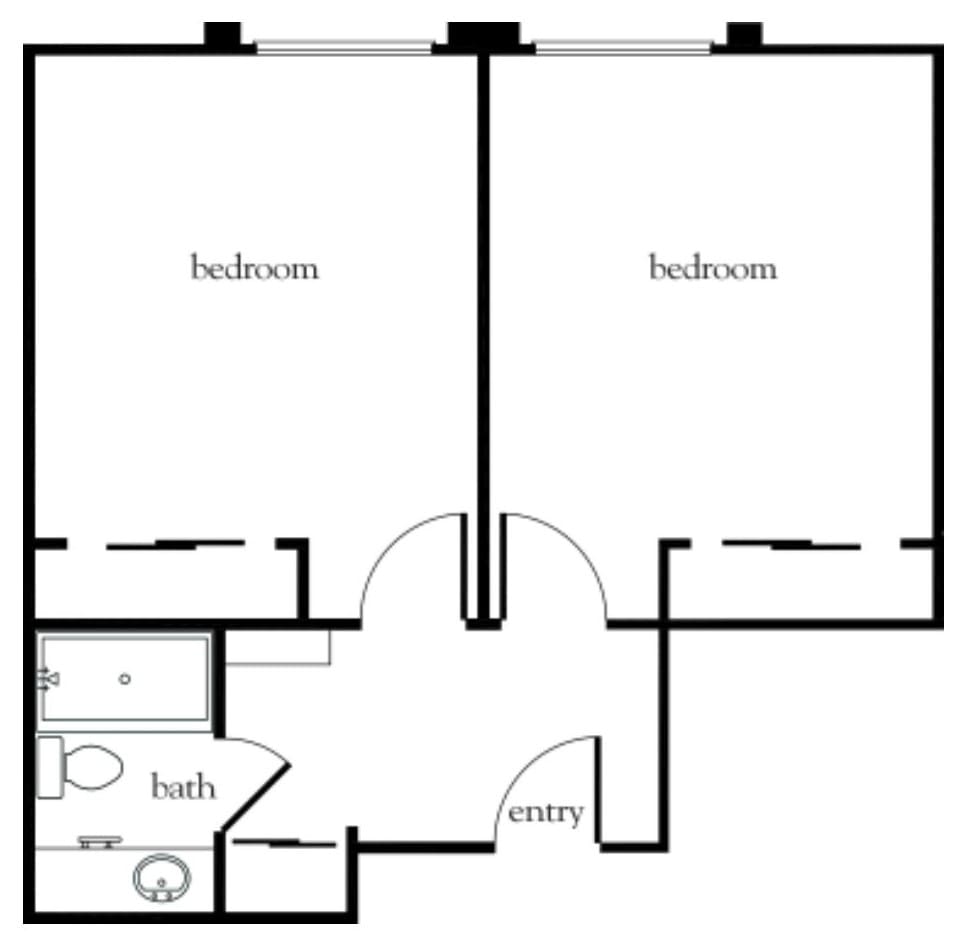
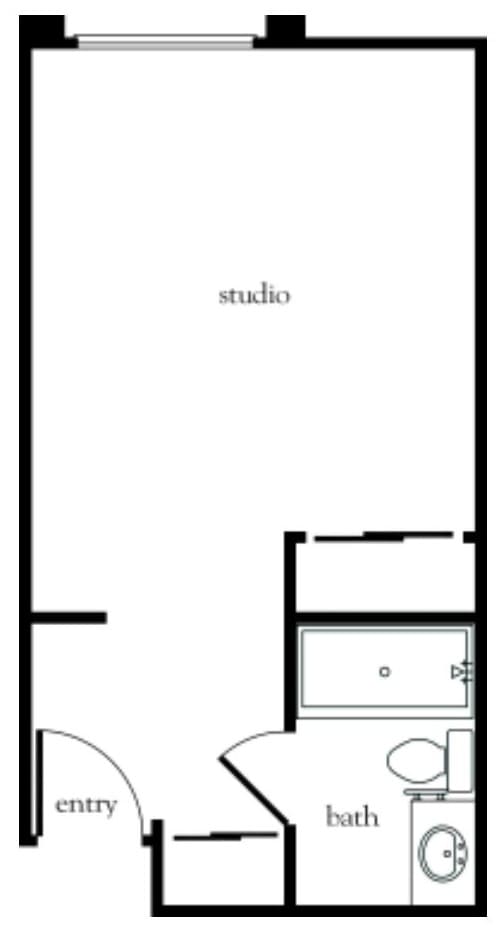
Atria Walnut Creek offers a range of living options that reflect its commitment to quality and comfort, though costs vary significantly compared to local and state averages. For a studio, residents can expect to pay $3,395 per month, making it a more affordable choice than the Contra Costa County average of $4,358 and the California average of $4,145. The one-bedroom units are priced at $5,595, which is slightly above the county's average of $5,008 but still higher than the state's average of $4,340. However, the semi-private rooms present a different picture; at $8,395 per month, they surpass both the county and state averages of $3,471 and $3,333 respectively. Overall, Atria Walnut Creek positions itself as an appealing option for those seeking quality care in a vibrant community setting while navigating varying costs in relation to wider regional trends.
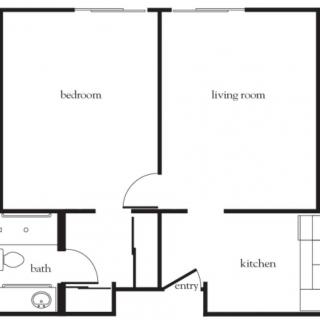
Floor plans
Atria Walnut Creek
Contra Costa County
California
Studio
$3,395
$4,358
$4,145
1 Bedroom
$5,595
$5,008
$4,340
Semi-Private
$8,395
$3,471
$3,333
Memory care communities with a similar price nearby
Memory care residents are described as monitored with timely family updates after incidents.
Several families in memory care describe being contacted promptly if something happens, like a fall or injury. In those accounts, staff also explain what they’re doing next and involve emergency services when it seems serious. Families say this keeps them informed about their loved one’s condition and safety.
caveat2 reviews mention this
Air conditioning breakdown disappoints
Air conditioning issues have been severe enough to leave residents without cooling for weeks.
At least two reviewers describe major heating and air conditioning problems, including a period when residents had no A/C during very hot weather. One review says the issue lasted for several weeks before being resolved, while another also mentions heating and air conditioning concerns. Those experiences were framed as disappointing and disruptive to resident comfort.
common2 reviews mention this
Food stands out as restaurant-style
Dining is described as fresh, and some residents enjoy bistro meals.
A couple of residents and families specifically call out the quality of the food, including fresh options delivered through the food program. One reviewer also highlights the bistro and recommends items like pizza there. Together, these accounts suggest dining can be a bright spot for daily comfort.
How we summarize
Counts show how many written reviews mention each theme; a review can touch several themes, and only frequently mentioned themes are displayed.
Features
Housing
200 resident community capacity
1-bedroom apartments
Studio apartments
Types of Care
Assisted Living
Independent Living
Memory Care
Pets
Cats allowed
Dogs allowed
Amenities
Activities off-site
Activities on-site
Air-conditioning
Beautician on-site
Beauty salon
Cable or satellite TV
Cafe
Computer center
Devotional services off-site
Devotional services on-site
Dining room
Financing advice
Fitness room
Full kitchen
Fully furnished
Gaming room
Garden
Ground floor units
Guasts at mealtime
Guest parking
Handicap accessible
Housekeeping services
Indoor common areas
Kitchenette
Laundry
Move-in coordination
Outdoor common areas
Outdoor space
Overnight guests
Party space
Pet friendly
Private bathrooms
Private cleaning services
Resident parking
Respite or short term stays offered
Restaurant-style dining
Small library
Spa
TV room
Telephone
Wellness center
Wheelchair accessible showers
Wi-Fi/high-speed internet available
Transportation
Metropolitan Oakland International (16 miles away)
Community operated transportation
Transportation & parking
Transportation arrangement
Transportation arrangement (non-medical)
Care Services
12-16 hour nursing
24-hour call system
24-hour supervision
Activities of daily living assistance
Ambulatory care
Assistance with bathing
Assistance with dressing
Assistance with transfers
Coordination with health care providers
Dementia waiver
Diabetes diet
Hospice waiver
Incontinence care
Meal preparation and service
Medication management
Mental wellness program
Mild cognitive impairment
Special dietary restrictions
Specialized memory care programming
Transportation arrangement (medical)
Transportation to doctors appointments
Walking wheelchair assistance
Dining
Diabetes diet
Guest meals
International cuisine
Low / no sodium
Low fat
Meals provided
No Sugar
Restaurant style dining
Room service
Special dietary restrictions
Vegan
Vegetarian
Activities
Activities off-site
Art classes
Arts and crafts
Book club
Community-sponsored activities
Concierge services
Cooking club
Day trips and outings
Devotional activities offsite
Devotional activities on-site
Educational speakers / life long learning
Fitness programs
Games
Gardening club
Happy hour
Live dance or theater performances
Live musical performances
Planned day trips
Religious services
Resident-run activities
Scheduled daily activities
Stories
Stretching classes
Tai Chi
Wii bowling
Wine tasting
Yoga / chair yoga
Languages Spoken
English
Spanish
Tagalog
Nearby Places of Interest
This part of Walnut Creek, California offers a range of amenities and services that may appeal to seniors looking for a vibrant community. With several parks in close proximity such as Heather Farm Park and Civic Park, residents can enjoy outdoor activities and gatherings. The area also boasts a variety of healthcare providers including physicians and pharmacies, ensuring easy access to medical care. In terms of dining options, there are multiple cafes and restaurants nearby like Bondadoso Coffee & Tea Collective and True Food Kitchen. Additionally, transportation options are convenient with the Walnut Creek BART Station located just 1.3 miles away. For entertainment, there are theaters like Century Walnut Creek 14 and XD within a short drive. Overall, this area provides a well-rounded environment for seniors seeking a comfortable and active lifestyle in Walnut Creek.
Atria Walnut Creek offers a range of living options that reflect its commitment to quality and comfort, though costs vary significantly compared to local and state averages. For a studio, residents can expect to pay $3,395 per month, making it a more affordable choice than the Contra Costa County average of $4,358 and the California average of $4,145. The one-bedroom units are priced at $5,595, which is slightly above the county's average of $5,008 but still higher than the state's average of $4,340. However, the semi-private rooms present a different picture; at $8,395 per month, they surpass both the county and state averages of $3,471 and $3,333 respectively. Overall, Atria Walnut Creek positions itself as an appealing option for those seeking quality care in a vibrant community setting while navigating varying costs in relation to wider regional trends.
Atria Walnut Creek's comprehensive features are designed to address the unique needs of residents experiencing dementia or Alzheimer's disease, ensuring a supportive environment that promotes dignity and safety. The 24-hour supervision offers constant monitoring, providing peace of mind for families while ensuring immediate assistance when needed. Assistance with activities of daily living, such as bathing and dressing, fosters independence while acknowledging the challenges posed by cognitive decline. Coordinated care with health care providers ensures that medical needs are met promptly, while medication management helps residents adhere to prescribed regimens safely. Meal preparation is tailored to dietary requirements, promoting nutritional health, and incontinence care respects the personal dignity of individuals facing this common issue. A robust mental wellness program and specialized memory care programming engage residents cognitively and emotionally, helping to maintain social connections and promote well-being. For those with mild cognitive impairment, tailored activities support cognitive engagement through structured programming. Additionally, transportation arrangements facilitate access to necessary medical appointments, further enhancing overall health management within a compassionate framework.
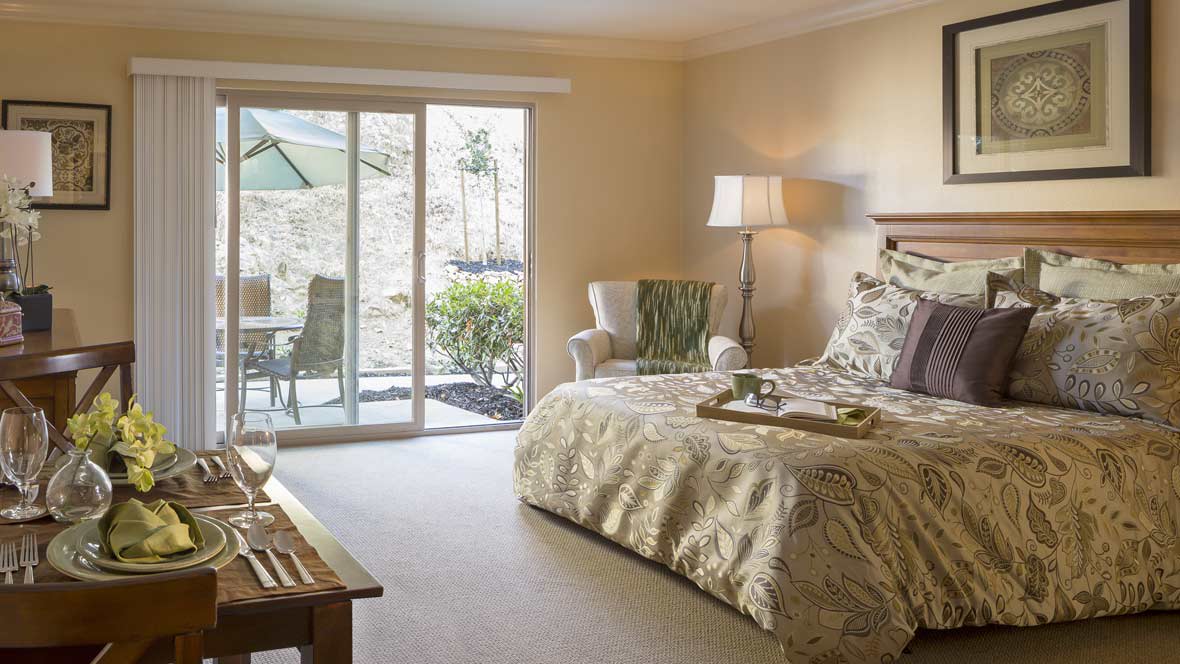
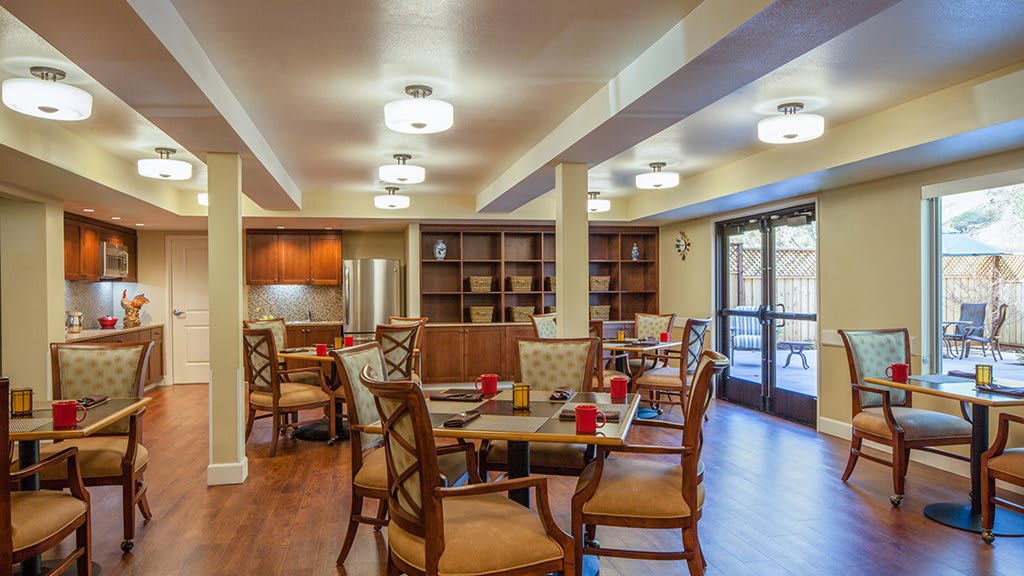
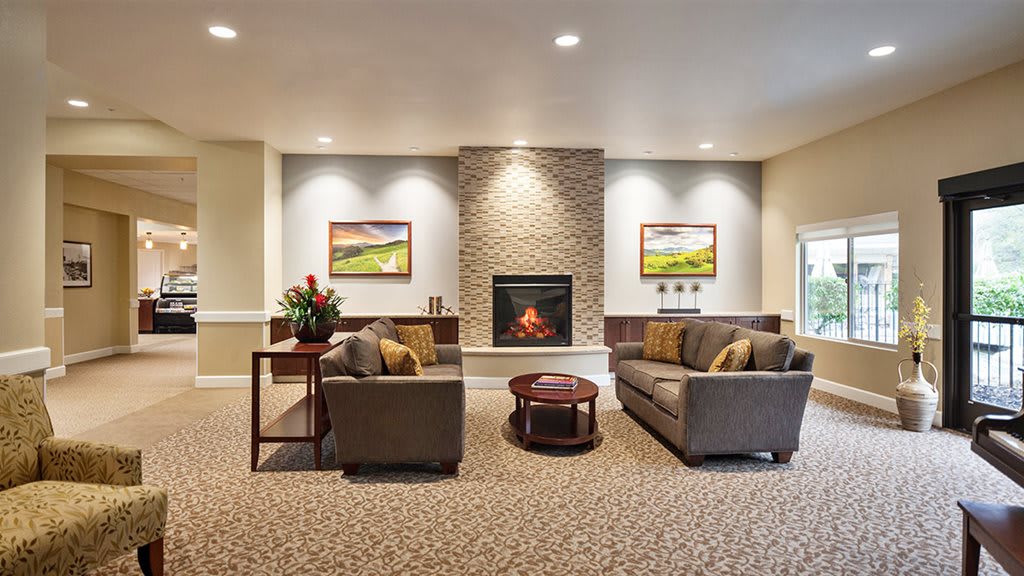
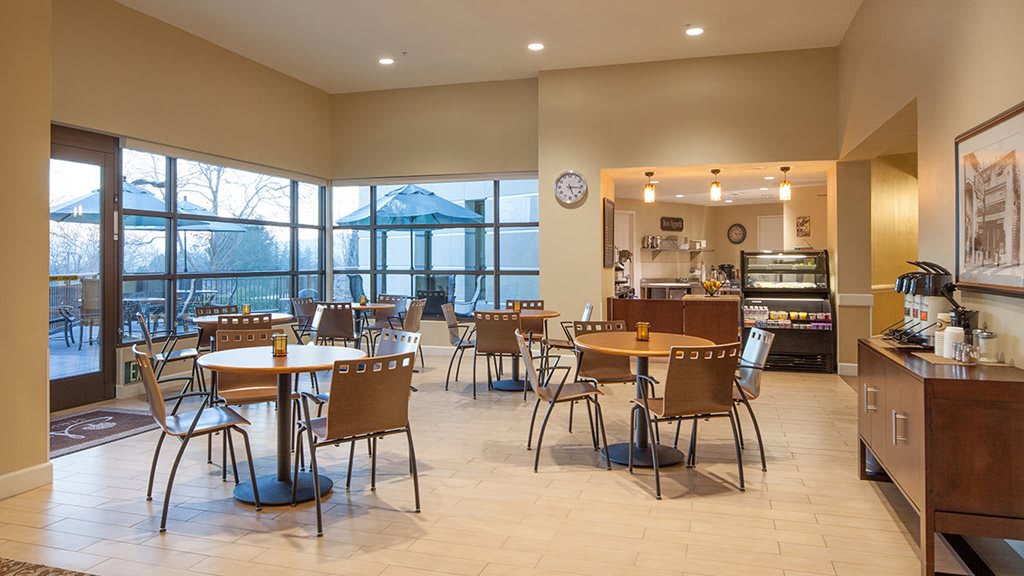
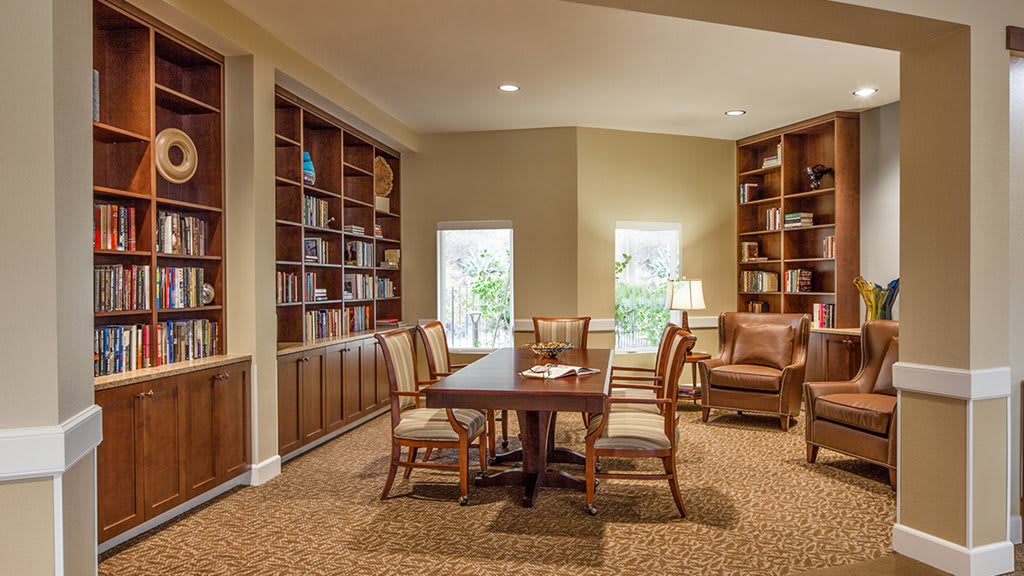
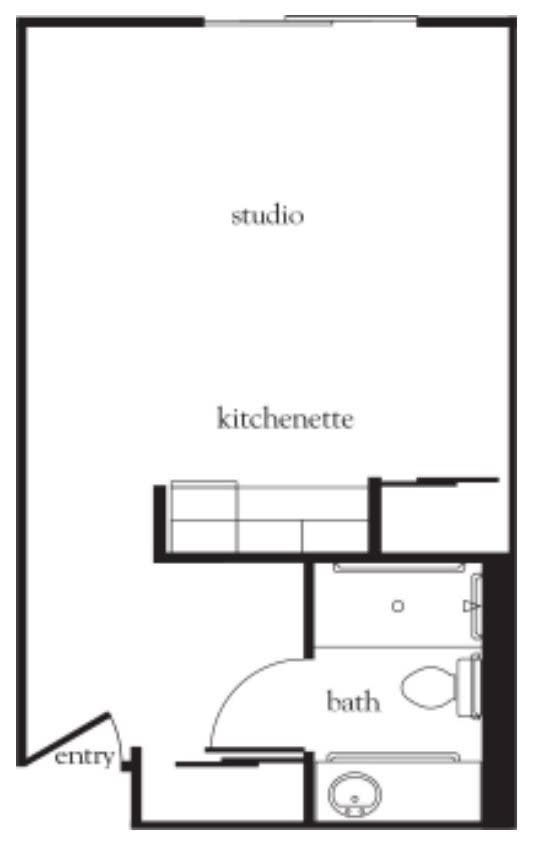
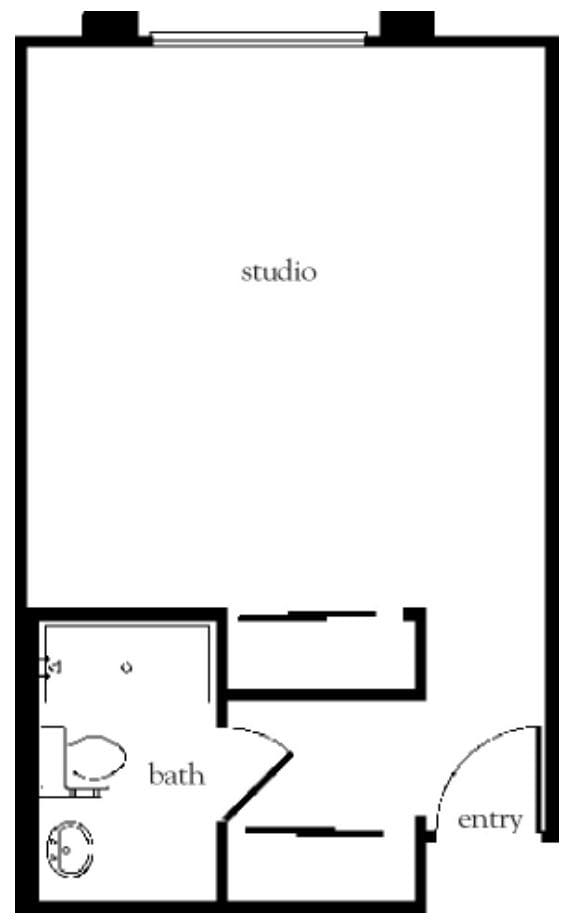
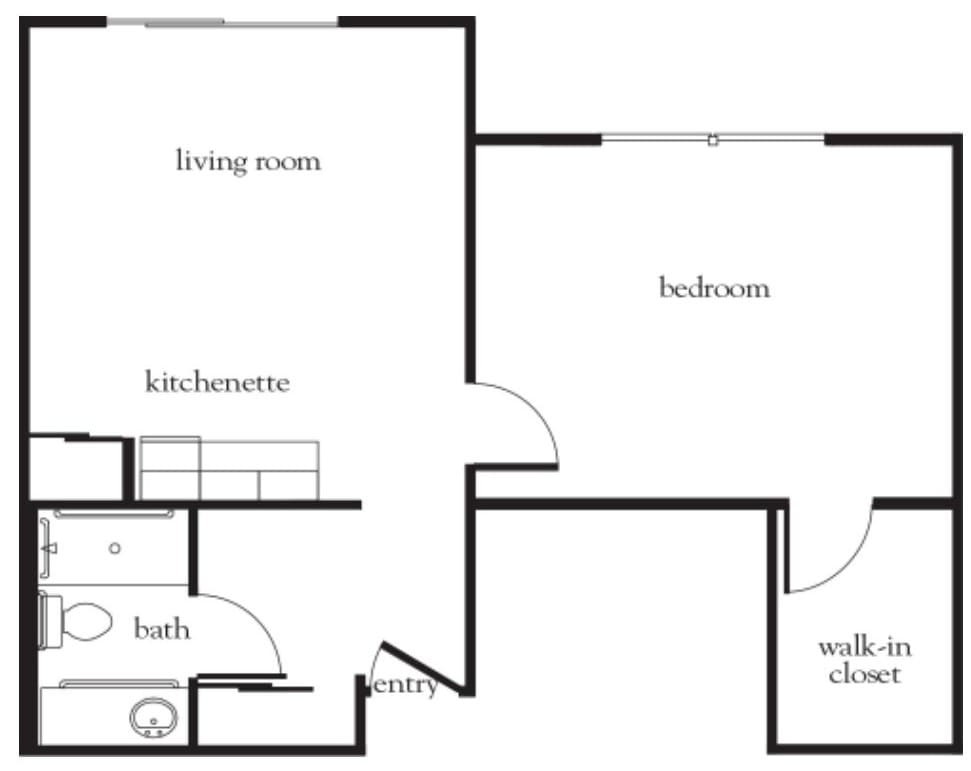
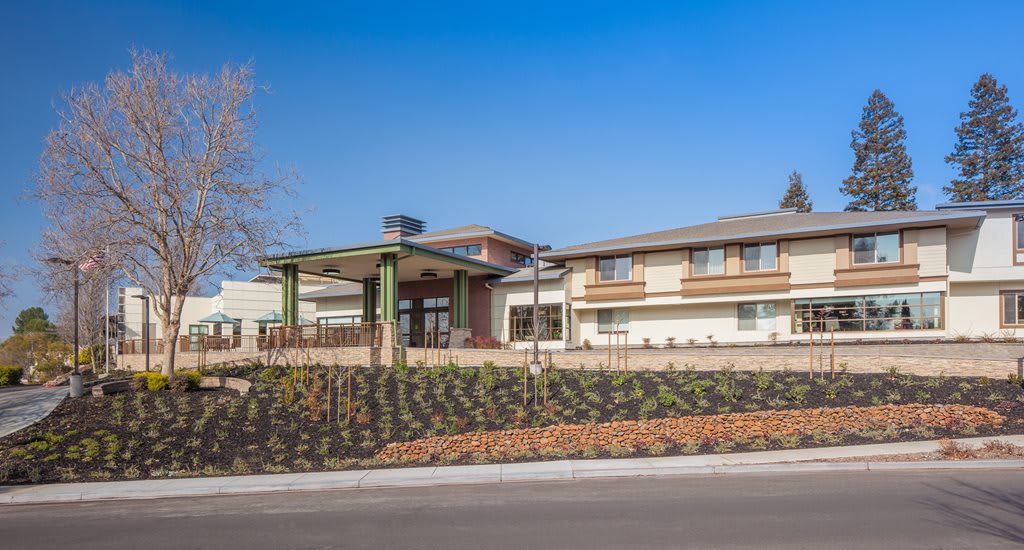
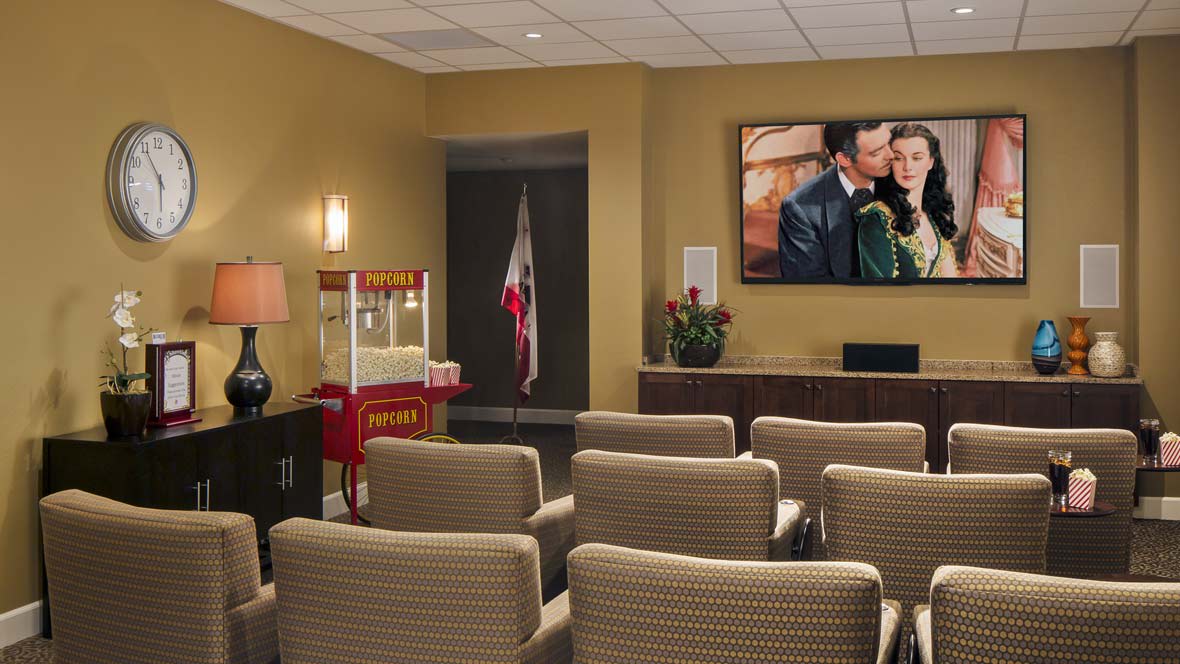
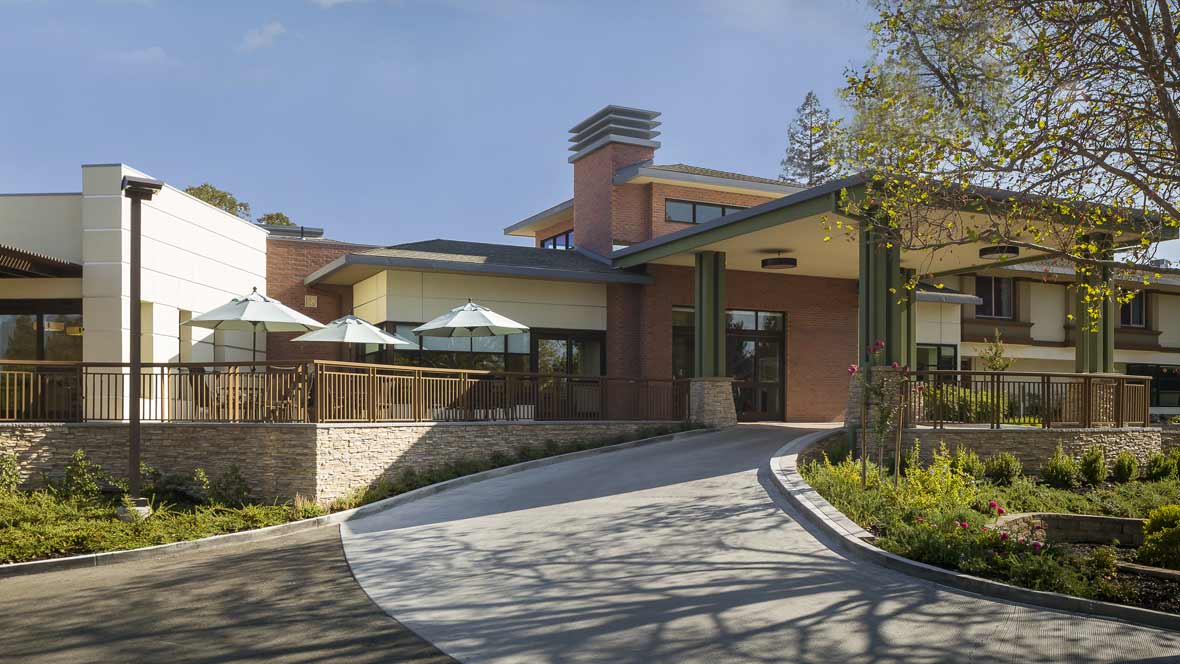
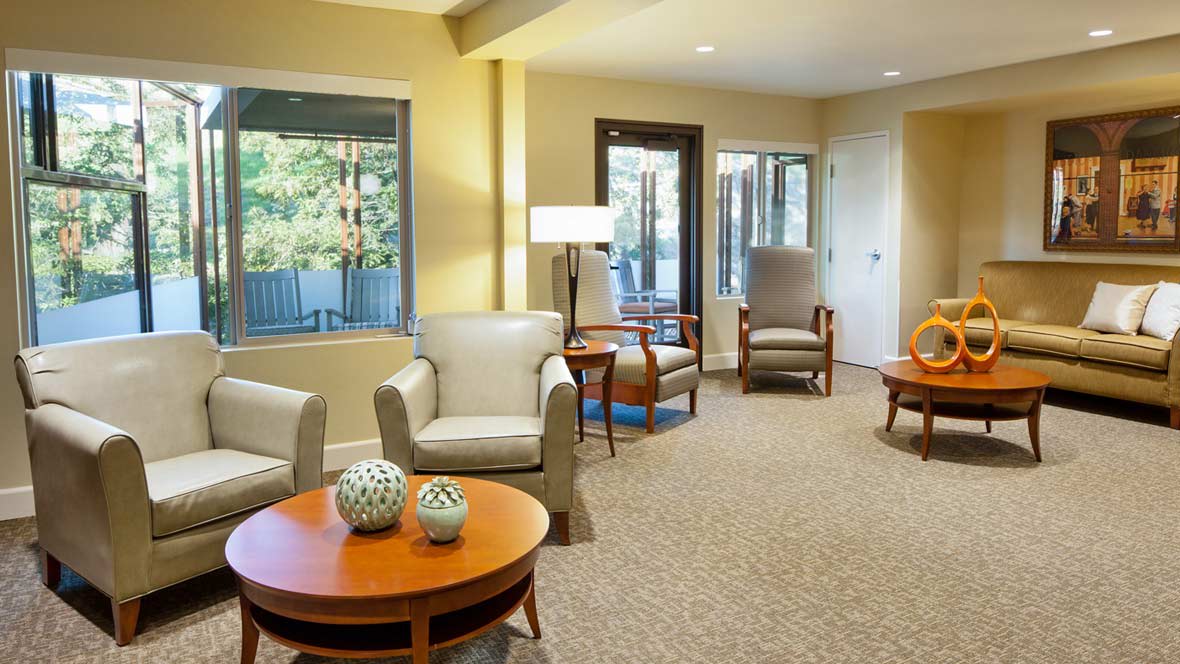
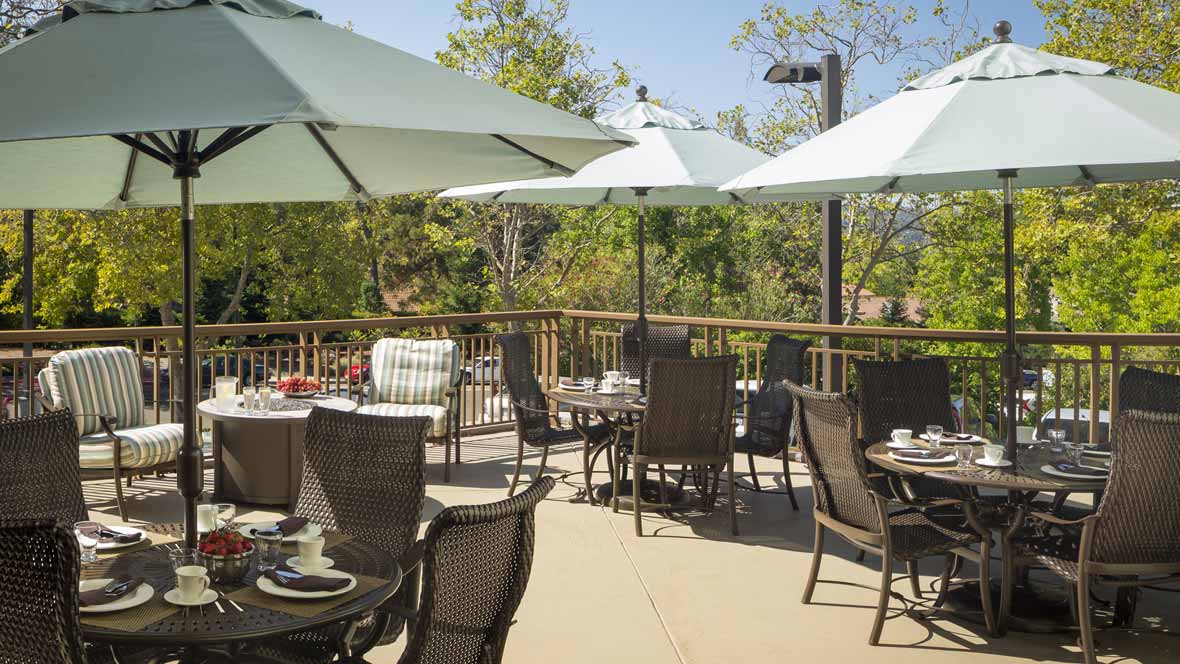
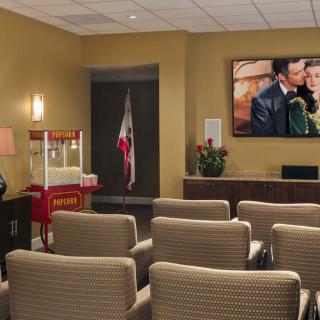
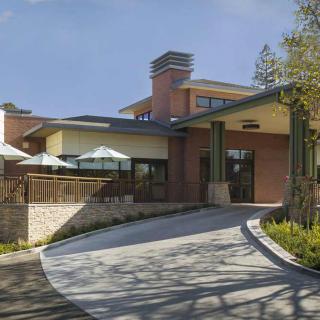
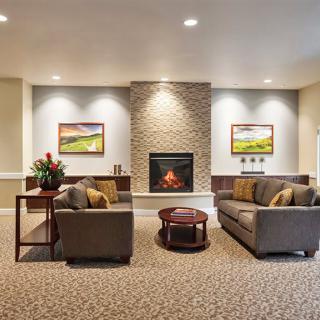
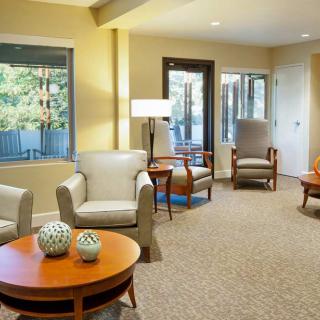
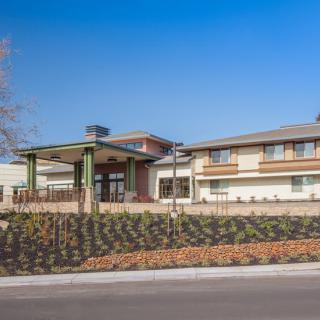
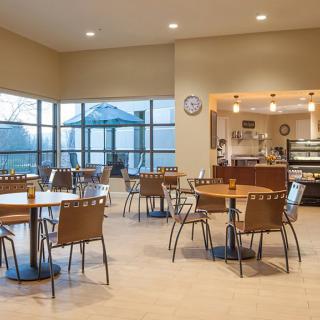
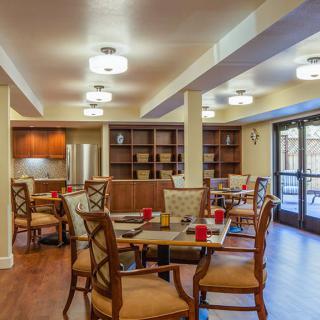
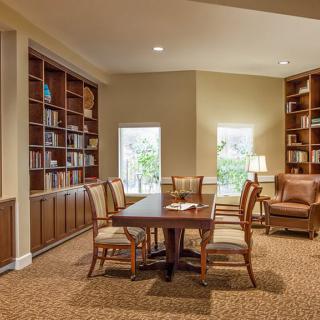
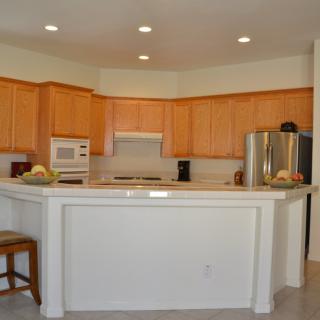
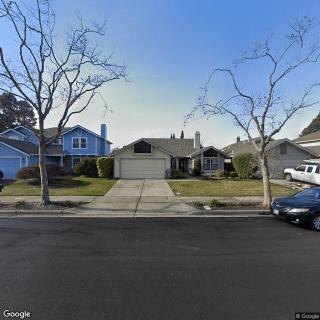
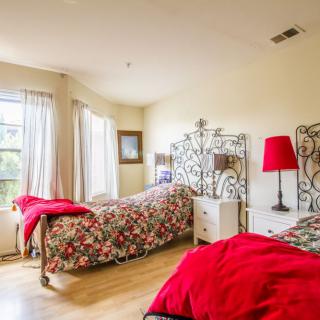
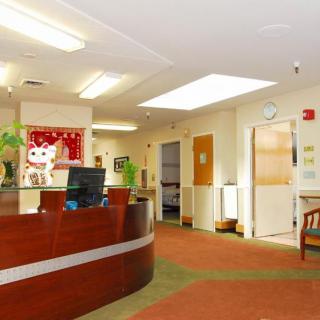
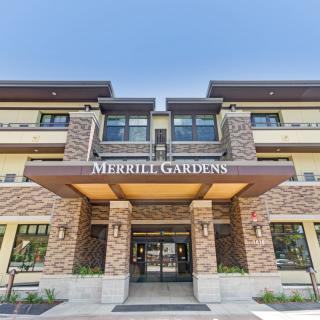
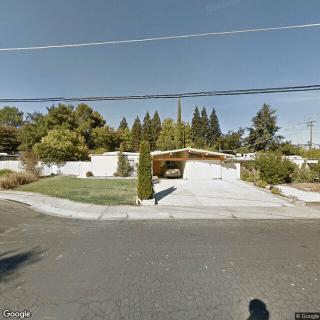
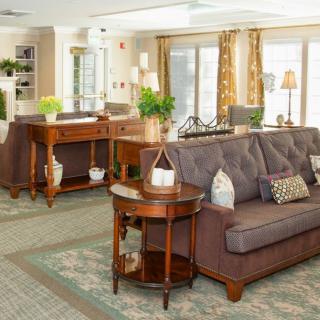
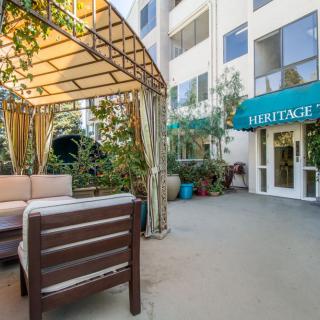
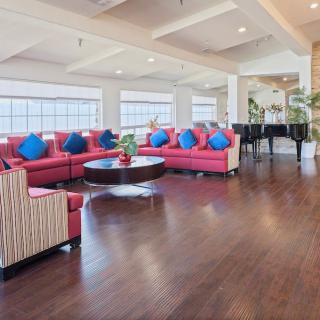
Atria Walnut Creek on seniors.fyi includes 19 photos including images showing floor plan, interior, architecture, living room, windows, studio apartment, dining, building, and more.
Nearby Communities
Tampico Terrace Care Center
Walnut Creek, CA
3.9 from 57 reviews
Friendly, knowledgeable staff and helpful administration.
La Casa Via Transitional Care Center
Walnut Creek, CA
4.2 from 60 reviews
Friendly staff, engaging activities, and strong family communication.
Comfort Assisting
Walnut Creek, CA
5 from 10 reviews
Close to numerous amenities (cafes, restaurants, parks, pharmacies, medical offices, theaters, worship, hospital) for convenient, active living.
24 Hour Home Care - Walnut Creek
Walnut Creek, CA
4.3 from 33 reviews
Friendly, professional caregivers and responsive customer service.
Casa Montego
Walnut Creek, CA
4.7 from 9 reviews
Excellent access to nearby amenities and services.
Aaron's Advance Care Home Inc.
Walnut Creek, CA
4.7 from 15 reviews
$5,000 / month
Compassionate, personalized care in a warm, home-like setting.
Tiffany Court
Walnut Creek, CA
4.8 from 47 reviews
$4,660 to $6,095 / month
Caring, attentive staff with engaging activities and a clean, welcoming environment.
The Heritage Downtown
Walnut Creek, CA
4.8 from 101 reviews
$5,200 to $7,200 / month
Friendly staff, exceptional dining, and a rich array of on-site amenities.
Walnut Creek Willows
Walnut Creek, CA
3.8 from 11 reviews
$2,800 to $4,000 / month
Clean, welcoming setting with caring staff and engaging activities.
Reminiscence therapy is a structured method for older adults, especially those with dementia, to share life stories using prompts and sensory cues, fostering emotional well-being, social engagement, and self-identity. It aims to improve quality of life by enhancing interpersonal connections and cognitive stimulation while requiring careful facilitation to avoid distressing memories.
Dementia, particularly Lewy body dementia, often involves hallucinations that can significantly distress both patients and caregivers due to disruptions in sensory processing and neurotransmitter imbalances. Effective management includes compassionate communication, environmental adjustments, and a multidisciplinary approach to care while addressing the emotional needs of caregivers.
Alzheimer’s disease is a progressive neurological disorder that significantly impacts memory and cognitive functions, accounting for 60-80% of dementia cases, with early diagnosis being crucial yet challenging. It involves brain changes like beta-amyloid plaques and tau tangles, influenced by genetic and lifestyle factors, and while there is no cure, symptom management and support for caregivers are essential.
Get PricingAsk A QuestionSchedule A TourContact Senior Advisor
By clicking submit, you agree to our Partner's Terms of Use. You
also consent to receive calls and texts, which may be autodialed, from our Partner. Your consent is not a condition to
using our Partner's service. Please visit our Partner's Privacy Policy for information about their privacy practices.





 200 resident community capacity
 1-bedroom apartments
 Assisted Living
 Independent Living
 Memory Care
 Cats allowed
 Dogs allowed
 Activities off-site
 Air-conditioning
 Beautician on-site
 Cable or satellite TV
 Cafe
Cafe Computer center
 Devotional services off-site
 Dining room
 Financing advice
 Fitness room
 Full kitchen
 Fully furnished
 Gaming room
 Garden
 Ground floor units
 Guest parking
 Handicap accessible
 Housekeeping services
 Indoor common areas
 Laundry
 Move-in coordination
 Outdoor common areas
 Overnight guests
 Party space
 Pet friendly
 Private bathrooms
 Respite or short term stays offered
 Restaurant-style dining
 Small library
 Spa
Spa Telephone
 Wheelchair accessible showers
 Wi-Fi/high-speed internet available
 Metropolitan Oakland International (16 miles away)
 Community operated transportation
 12-16 hour nursing
 24-hour call system
 Ambulatory care
 Assistance with bathing
 Assistance with dressing
 Assistance with transfers
 Diabetes diet
 Hospice waiver
 Incontinence care
 Medication management
 Mental wellness program
 Special dietary restrictions
 Transportation arrangement (medical)
 Art classes
 Book club
 Concierge services
 Cooking club
 Day trips and outings
 Educational speakers / life long learning
 Games
Games Happy hour
 Live dance or theater performances
 Live musical performances
 Wii bowling
 Wine tasting
 English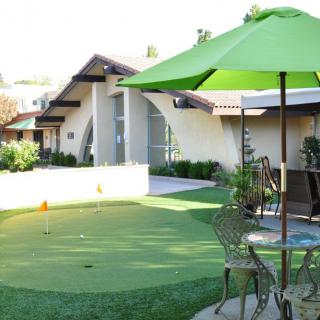
 Friendly, knowledgeable staff and helpful administration.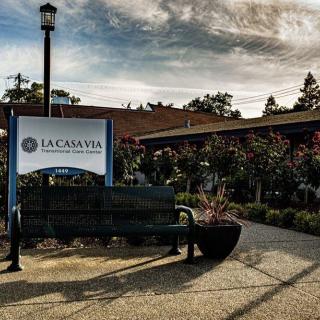
 An In-Depth Look at Reminiscence Therapy in Dementia Care
 Dementia-Related Hallucinations: Causes, Experiences, and Practical Approaches
 Illuminating Insights About Alzheimer's Disease: Ten Crucial Realities