

112 La Casa Via, Suite 160, Walnut Creek, CA 94598
To contact a resident: (925) 933-3200
For more information about senior living options: (866) 208-4318
Overall Review of Comfort Assisting
Pros
 Comfort Assist has a great team of nurses delivering exceptional service in all aspects of care.
- Comfort Assisting provides exceptional home health care with a professional, compassionate, and dedicated team.
- The nurses and therapists are highly skilled and attentive, always taking time to listen and provide personalized care.
- Their communication is excellent, keeping patients and families informed every step of the way.
- Comfort Assisting is an excellent choice for home health care and comes highly recommended.
- Comfort Assisting consistently delivers excellent nursing care—friendly, clean, knowledgeable, and on time, with visits scheduled around the patient’s needs.
- They have a great physical therapy team and provide effective post-surgery therapy.
- The staff are incredibly caring and professional, with nursing staff who become like family and office staff who are accessible and supportive.
Cons
 That woman had such a bad experience.
Review
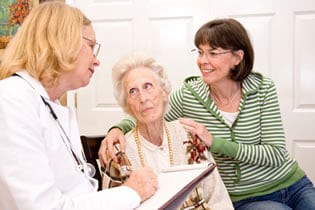
Comfort Assisting in Walnut Creek is best suited for seniors who want expert nursing and rehabilitative care delivered in the home, with a dependable, physician-aligned care plan and clear, ongoing communication with family members. The model centers on licensed nurses and therapists who bring hospital-grade standards to home visits, reinforced by responsive office support. For those recovering from surgery or managing chronic conditions, the arrangement supports recovery while preserving independence and the comfort of familiar surroundings rather than moving into a residential facility.
Those evaluating Comfort Assisting should recognize that alternative options exist for different care needs. If the goal is a residential lifestyle with meals, social programming, and around-the-clock supervision, traditional assisted living or skilled nursing communities will be more appropriate. For clients who require extensive daily living assistance, constant monitoring, or a highly social daily calendar, a campus-based setting may better meet expectations. The home-health care model excels at medical and rehabilitative support, but it does not substitute for a full-service housing arrangement.
The strongest draw is the caliber of clinical care and personal attention. The nursing and therapy teams are consistently described as skilled, compassionate, and intensely focused on the patient. Care is patient-centered, with professionals who listen, tailor plans, and adjust as needs evolve. Communication stands out, families receive regular updates, and office staff are accessible and proactive. Reliability and punctuality are repeatedly highlighted, with visits planned around doctors’ recommendations and the patient’s daily rhythm, even when schedules are tight. This level of attentiveness translates into a sense of security for families, who feel their loved ones are treated with kindness and respect, sometimes described as feeling like part of the staff’s extended family.
Further, the practical outcomes of the service model reinforce the positives. After-surgery physical therapy is frequently praised for effectiveness, and ongoing nursing care is described as both thorough and reassuring. The ability to coordinate with physicians, monitor progress, and maintain consistency across visits reduces the likelihood of gaps in care and helps sustain progress between clinician encounters. For families juggling multiple providers, the communication discipline and care coordination can be a meaningful offset to the absence of a residential, 24/7 setting.
Yet, a candid assessment must acknowledge the boundaries of a home-health model. The most conspicuous trade-off is the absence of 24/7 supervision and the built-in community life that a facility offers. There is no continuous housing solution, no on-site dining program, and no constant peer interaction in a shared living space. For caregivers needing continuous monitoring or a more immersive social calendar, these realities can matter. Costs and coverage nuances also come into play, as with any private home-health arrangement, and families should discuss what aspects are billable to insurers or supplemental plans, and what requires out-of-pocket arrangements or coordination with additional aides.
In the end, Comfort Assisting represents a strong, pragmatic choice for families prioritizing high-quality medical care at home, delivered with exceptional professionalism and a human touch. It suits patients aiming to recover under expert supervision without leaving home, or those needing ongoing therapy and nursing with regular, transparent communication. It is less well-matched for those seeking 24/7 supervision, a residential community, or a broad social program embedded in daily living. When deciding, assess the care intensity, desired living arrangement, and tolerance for coordinating multiple providers. If the verdict favors professional, hospital-grade home health with a compassionate team, Comfort Assisting is a decisive win; if the decision hinges on a community living experience, alternatives that bundle housing, meals, and social opportunities should be pursued.
 Metropolitan Oakland International (16 miles away)







 Urinary Tract Infections in Older Adults: Comprehensive Insights on Symptoms, Treatment, and Prevention
 California's Form 602A: An In-Depth Examination of Senior Care Assessment
 Comprehensive Look at Senior Blood Pressure Charts: Normal and Elevated Levels by Age