
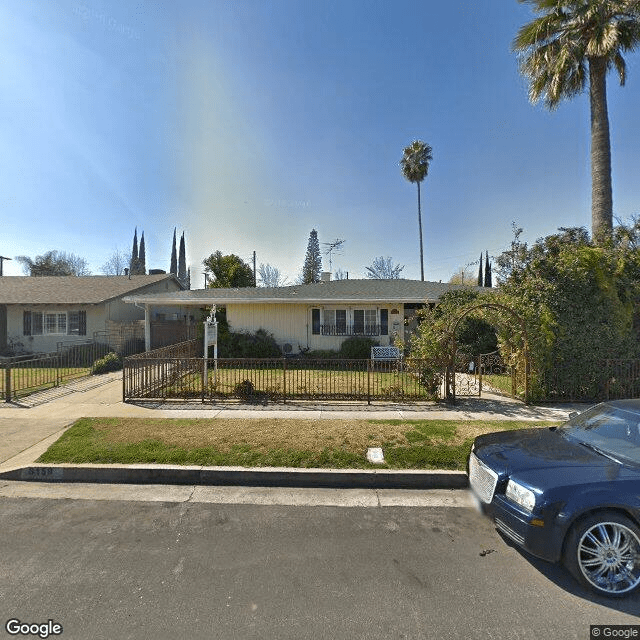
6159 Atoll Avenue, Van Nuys, CA 91401
For more information about senior living options: (866) 208-4318
Royal Garden Costs & Pricing
Royal Garden presents its pricing for private rooms and one-bedroom accommodations at $5,500 per month, a figure that notably exceeds the averages in both Los Angeles County and California as a whole. In comparison, the county's costs are approximately $4,197 for a private room and $4,603 for a one-bedroom unit, while state averages sit slightly lower at $3,939 and $4,340 respectively. This differentiation highlights Royal Garden's positioning within the market, suggesting an emphasis on premium services or amenities that may justify the higher price point for those seeking quality beyond just basic accommodations.
| Floor plans | Royal Garden | Los Angeles County | California |
|---|---|---|---|
| Private | $5,500 | $4,197 | $3,939 |
| 1 Bedroom | $5,500 | $4,603 | $4,340 |
Memory care communities with a similar price nearby
-
from +$700 / mo
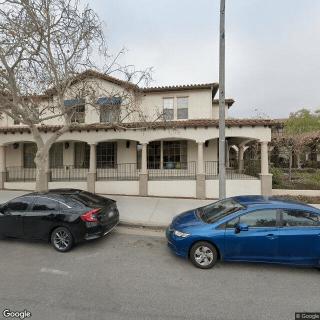
The Kensington at Sierra Madre
$6,200 to $9,270 / month20.8 miles away -
from -$500 / mo

Sweet Home Senior Living #1
$5,000 to $7,500 / month0.6 miles away -
from -$1000 / mo
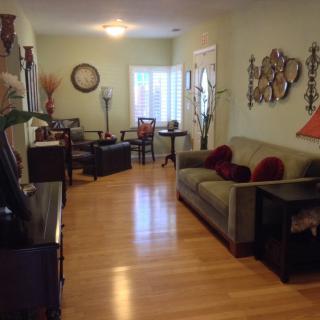
Ardenville Home Care I
$4,500 / month4.8 miles away -
from +$1000 / mo
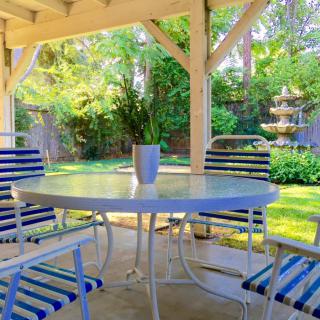
The Kentland House
$6,500 to $7,000 / month11.3 miles away -
from -$500 / mo

A Caring Touch Board and Care
$5,000 / month10.1 miles away
Overall Review of Royal Garden
Pros
 Royal Garden Board and Care and staff provide the most caring and loving environment for their loved ones.
- They would definitely recommend Royal Garden to anyone looking for excellent high-quality care for their loved ones.
Review
This community is best suited for families seeking hands-on, compassionate daily care in a warm, home-like setting. Royal Garden in Van Nuys, California earns its strongest endorsement for residents who thrive on attentive staff interaction, consistent caregiver presence, and a culture that prioritizes emotional well-being alongside physical care. For seniors who value a nurturing environment over clinical formality, this board-and-care model appears to deliver on the most important promise: residents are treated as people first, with daily comfort, safety, and happiness kept at the forefront. Families facing the emotional toll of caregiving will find reassurance in staff who visibly invest in each resident’s sense of belonging.
Alternatives should be considered for those requiring more specialized medical services, complex memory care, or a larger, more resource-rich campus. If a resident needs high-level skilled nursing, frequent professional oversight, or a formal program of therapeutic activities that scales with advancing needs, other facilities may present stronger options. For households prioritizing privacy, structured clinical oversight, or a broader set of on-site clinicians and equipment, it’s prudent to compare several campuses. In short, Royal Garden excels at warmth and quality care within its size and model, but not every clinical or memory-care requirement is best met here.
The standout strengths are palpable in the care dynamic. The staff is described as caring and loving, delivering a consistently high standard of attention and affection toward residents. That matters because in board-and-care settings, daily life hinges on reliable, present interactions. When staff know residents’ routines, preferences, and small comforts, the sense of security rises dramatically. The high-quality care translates into fewer family anxieties about neglect or mistreatment and more confidence that emergencies will be noticed and addressed promptly, which reduces the burden on family members who would otherwise be juggling constant oversight.
Yet the picture is grounded by the reality of a limited evidence base. A single five-star review leaves room for variation; it’s prudent to explore whether the warmth and attentiveness described is replicated across shifts and days. Prospective residents should verify staffing patterns (caregiver-to-resident ratios), whether on-call medical support is available, and how care plans are updated as needs change. Observing a tour, noting how staff interact with residents, and asking for a trial period can help ensure the care culture described aligns with ongoing practice rather than a favorable snapshot.
When the pros are weighed against the unknowns, the balance tilts toward a decision in favor of Royal Garden for families prioritizing a home-like ambience and deeply attentive care. The compassionate, high-quality care can offset common concerns about safety and loneliness by fostering daily purpose, steady companionship, and responsive assistance. The risk, given the data, is not extensive but rather unproven across broader experience; confirm that the facility’s level of medical support and memory-care capabilities match evolving needs. For those who want a strong human connection at the core of care, this is a compelling option.
Actionable steps solidify the fit. Schedule a comprehensive tour focused on staff-resident interactions, ask to meet caregivers by name, and request a detailed outline of daily routines, medication management, and safety protocols. Inquire about transitions, admission intake, care-plan development, and family communication cadence. Compare with alternatives that emphasize medical complexity or specialized memory programs to ensure expectations are matched. If the tour confirms the warmth and quality described, Royal Garden stands out as a practical, well-suited option for seniors who prize a loving caregiving culture and steady daily support over a more clinical or expansive campus environment.
 6 resident community capacity
 Assisted Living
 Board and Care Home
 Memory Care
 Cats allowed
 Dogs allowed
 Cable or satellite TV
 Dining room
 Fully furnished
 Garden
 Housekeeping services
 Move-in coordination
 Outdoor space
 Private
 Telephone
 Wi-Fi/high-speed internet available
 Burbank-Glendale-Pasadena (4 miles away)
 24-hour supervision
 Activities of daily living assistance
 Ambulatory care
 Assistance with bathing
 Assistance with dressing
 Assistance with transfers
 Diabetes diet
 Incontinence care
 Meal preparation and service
 Medication management
 Special dietary restrictions
 Transportation arrangement (medical)
 Transportation to doctors appointments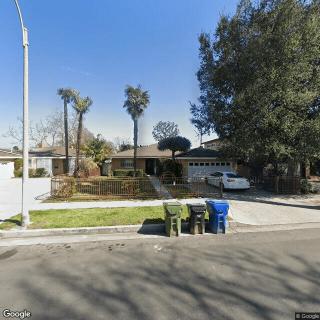





 Engaging Memory Care Activities That Enhance Quality of Life
 When to Transition from Assisted Living to Memory Care: Key Indicators, Steps, and Finding the Right Community
 Understanding the Distinctions: Assisted Living and Memory Care Explained